A CPAP mask can look perfectly fine on the nightstand and still be the reason you are waking up tired. Small leaks, stiff silicone, stretched headgear, and an irritating odor can quietly interfere with therapy long before a mask appears worn out. If you are wondering when to replace your CPAP mask, pay attention to how it feels, how well it seals, and whether your sleep has changed.
Replacing supplies is not about buying something new for the sake of it. A properly fitting, clean mask helps your machine deliver the pressure prescribed for your sleep apnea. When a mask no longer seals comfortably, you may lose effective treatment and start dreading bedtime.
When to Replace a CPAP Mask: Watch for These Signs
The clearest sign is a leak that keeps returning even after you clean the cushion, adjust the mask, and check that it is assembled correctly. A little air movement can be normal, especially around the exhalation ports. But air blowing toward your eyes, loud whistling, or a leak that wakes you or your bed partner is a problem worth addressing.
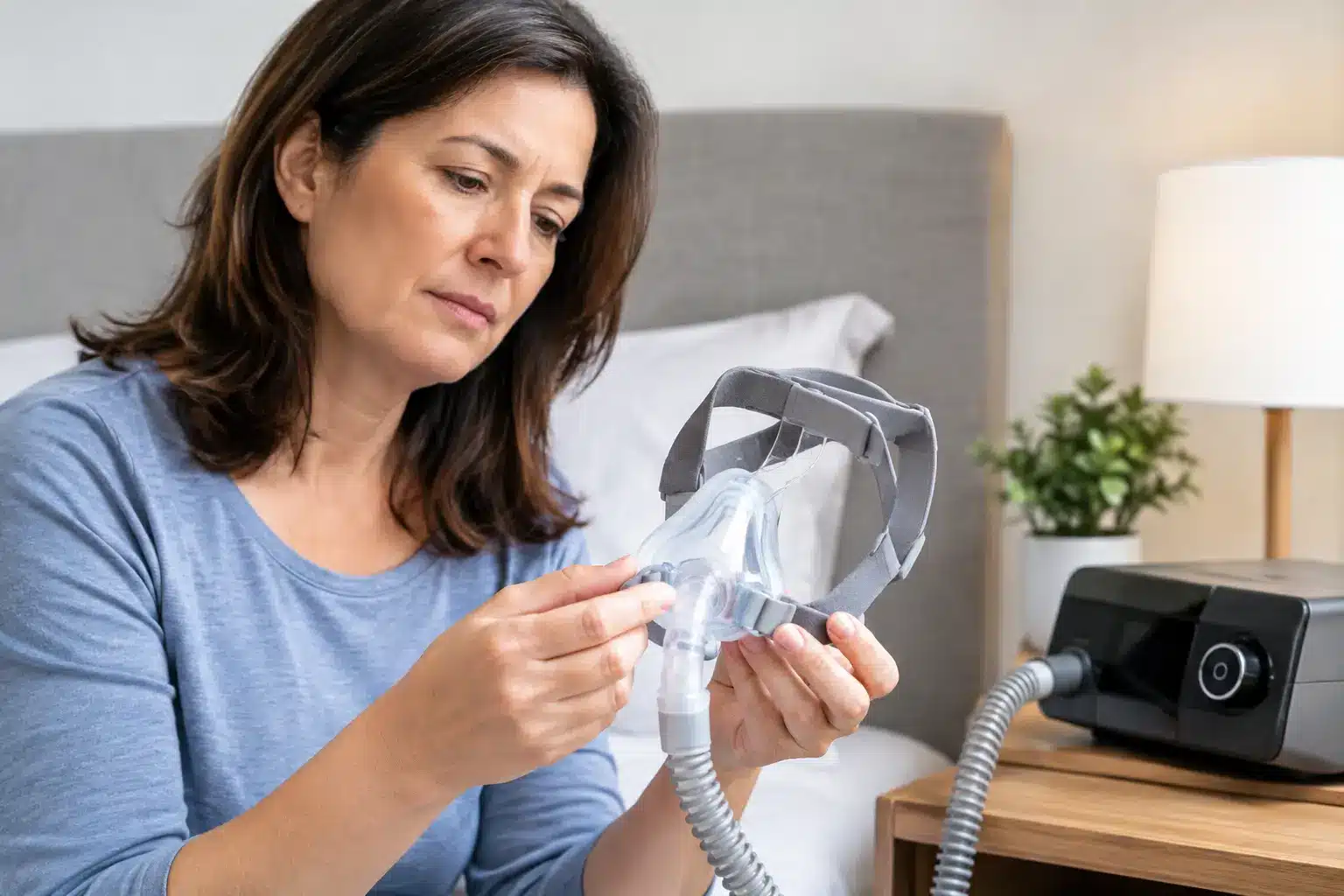
A cushion that has become cloudy, yellowed, stiff, sticky, cracked, or permanently misshapen has reached the end of its useful life. Silicone is designed to be soft enough to create a gentle seal against your skin. Over time, facial oils, cleaning residue, heat, and normal use change that surface. Tightening the straps may seem like the answer, but it often makes leaks and pressure marks worse.
Pay attention to your comfort as well. New red marks, soreness on the bridge of the nose, skin irritation, or an uncomfortable amount of strap pressure can mean your cushion or headgear is no longer performing as it should. It can also mean the mask style is not the right match for your sleeping position or facial shape. Do not simply put up with it.
You may also need a replacement if you notice a persistent smell after routine cleaning, discoloration you cannot remove, damaged clips, loose swivels, or a frame that no longer holds its shape. These are not cosmetic details. They affect how reliably the mask stays in place through the night.
Finally, look at your therapy results and how you feel during the day. If your machine is reporting high leak levels, your apnea events are increasing, or you are feeling less rested despite using CPAP regularly, a worn mask may be part of the issue. It is not always the mask, but it is one of the first things to check.
A Practical CPAP Mask Replacement Schedule
There is no single calendar date that fits every CPAP user. Your replacement timing depends on your mask type, how often you use it, your skin care routine, and how carefully you clean and dry the parts. Still, these general timelines give most users a useful starting point.
The mask cushion or nasal pillows usually need replacement every one to three months. They are the parts that touch your face directly and do the most work to maintain a seal. Full-face cushions may sometimes last longer than nasal pillows, but only if they remain soft, clean, and leak-free.
Headgear commonly lasts about six months. Elastic straps gradually stretch, even if the fabric still looks good. When you find yourself pulling straps tighter and tighter to stop leaks, the headgear has likely lost its support.
The mask frame often lasts three to six months, though some frames can hold up longer with careful use. Replace it sooner if it is cracked, warped, or if clips and connections are no longer secure. Tubing is generally replaced every three to six months, particularly if it becomes damaged, develops an odor, or is difficult to clean thoroughly.
Your insurance plan may follow its own resupply schedule. That schedule can be helpful, but it should not force you to use an uncomfortable, leaking mask until a certain date. On the other hand, you do not need to replace every component at once if only the cushion is worn. Transparent guidance matters here: replace the part that is failing, and make sure the replacement actually solves the issue.
Do Not Confuse a Dirty Mask With a Worn-Out Mask
Regular cleaning extends the life of CPAP equipment, but harsh cleaning can shorten it. Wash the cushion with mild soap and warm water, rinse it thoroughly, and allow it to air dry away from direct sunlight. Facial oils build up quickly, so a quick daily wash of the cushion is often the simplest way to protect the seal.
Avoid bleach, alcohol, scented soaps, strong disinfectants, and oily products on or near the silicone. These can degrade materials and leave residue behind. If you use moisturizer before bed, give it time to absorb before putting on your mask. A clean, dry face helps the cushion grip better without overtightening.
Cleaning will remove oil and surface buildup. It will not restore elasticity to old headgear, fix a cracked cushion, or make hardened silicone soft again. If the mask only works after repeated tightening, it is time to replace a part or reassess the fit.
A Leak Does Not Always Mean You Need a New Mask
Before replacing the entire mask, take a few minutes to rule out common fit issues. Check that the cushion is seated correctly in the frame and that the tubing is firmly attached. Wash the cushion, then fit the mask while lying down with your CPAP pressure running. Your face changes shape when you recline, so a mask that feels fine while sitting may leak once you are in bed.
Try loosening the straps slightly before tightening them. This surprises many people, but CPAP cushions are designed to inflate gently against the skin. Straps that are too tight can flatten the silicone and create more leaks. If you have recently lost or gained weight, changed dental appliances, grown facial hair, or switched sleep positions, your previous fit may need adjustment.
Mouth leaks can also be mistaken for a failing nasal mask. Dry mouth, air escaping from the lips, and therapy data showing leaks may point to this issue. Some people benefit from a chin strap, humidity adjustment, or a different mask style. A full-face mask can be a better option for people who breathe through their mouths at night, but it is not automatically the right choice for everyone.
The Right Mask Is the One You Will Actually Wear
A nasal mask, nasal pillow mask, and full-face mask each have advantages. Nasal pillows are minimal and work well for many active sleepers, but they may not suit someone who needs higher pressure or has sensitive nostrils. Full-face masks can help with mouth breathing, though they cover more of the face and require a careful fit. Traditional nasal masks offer a middle ground for many users.
If you are replacing masks frequently because you cannot get comfortable, the answer may not be another version of the same model. Ask for a proper mask fitting and explain exactly what happens at night: where it leaks, whether you sleep on your side, if you feel claustrophobic, and whether you wake with dry mouth or skin marks. Those details lead to better recommendations than guessing from a product photo.
At CPAP One-Stop, patients can get hands-on help with mask fitting, equipment checks, and therapy support without being pushed into unnecessary replacements. The goal is straightforward: effective treatment that feels manageable every night.
Replace Your Mask Before Therapy Becomes a Struggle
A worn CPAP mask can turn a treatment that once felt routine into a nightly battle. Do not wait until leaks, soreness, or poor sleep convince you to stop using your machine. Keep a spare cushion or backup mask when possible, especially if you travel or rely on CPAP every night.
If your mask is leaking, leaving marks, smelling unpleasant, or demanding tighter straps than it used to, trust those signals. A quick fit check and the right replacement part can make tonight’s therapy feel comfortable again – and give your next morning a much better start.