CPAP Mask Fitting Service That Gets It Right
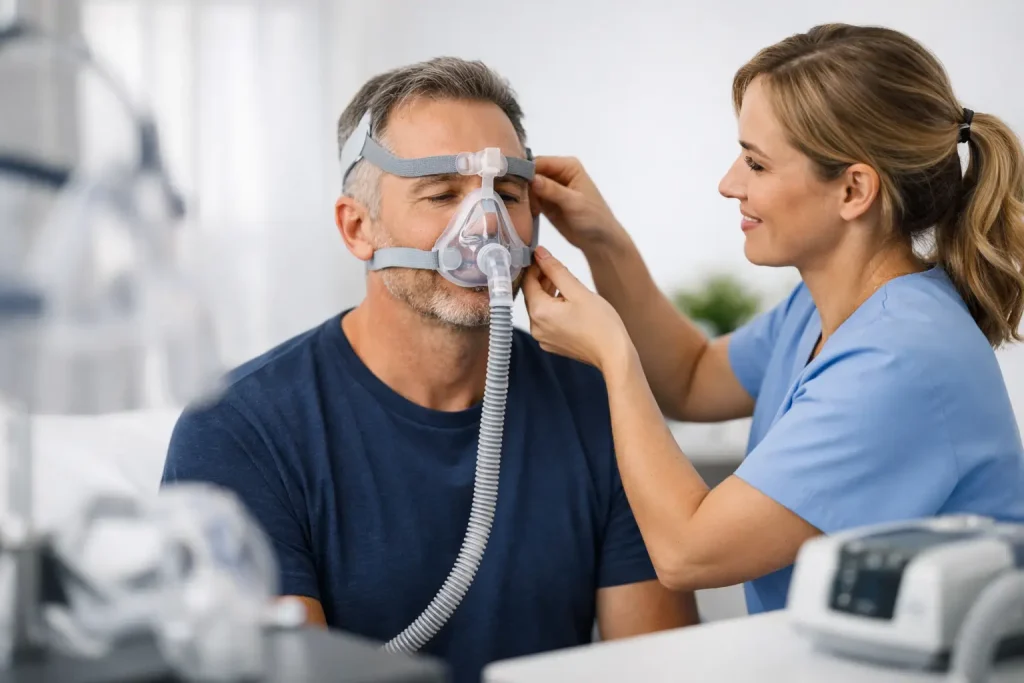
A mask can be brand-new, expensive, and highly rated, yet still leave you exhausted if it does not fit your face. A professional CPAP mask fitting service takes the guesswork out of one of the biggest reasons people struggle with sleep apnea therapy: leaks, pressure marks, dry mouth, and a mask that comes off before morning.
You should not have to accept discomfort as the price of better sleep. The right mask fit helps your machine deliver prescribed pressure more consistently, while helping you feel comfortable enough to wear it every night.
Why mask fit matters more than most people expect
Your CPAP machine may be doing exactly what it was designed to do, but the mask is where therapy meets real life. It has to sit securely against your skin while you breathe, move, change sleeping positions, and relax into sleep. Even a small leak can create noise, blow air toward your eyes, wake your partner, or cause your machine to increase pressure in response.
A poor fit can also make a new user believe CPAP therapy simply is not for them. That is often not true. The problem may be a cushion size, headgear adjustment, mask style, or pressure setting that needs attention. Fixing the fit early can make the difference between giving up and finally getting restorative sleep.
For experienced CPAP users, a fitting is just as valuable. Faces change with weight changes, dental work, facial hair, aging, or swelling. Mask cushions also wear down over time. If a mask that once worked well is suddenly leaking, the solution may be simpler than replacing your whole machine.
What happens during a CPAP mask fitting service
A good fitting is not a quick handoff at a counter. It should be a practical, face-to-face process focused on how you actually sleep and breathe.
First, a trained clinician should ask the questions that affect mask choice. Do you breathe through your mouth at night? Do you sleep on your side or stomach? Do you feel claustrophobic in enclosed spaces? Do you wear glasses, have sensitive skin, or wake with air leaking into your eyes? Are you new to therapy, or are you trying to solve a specific problem with your current setup?
Next comes trying the right type of mask. Nasal masks cover the nose and are a popular middle ground for many users. Nasal pillow masks rest at the nostrils and can feel less bulky, especially for people who sleep on their side or dislike a mask across the bridge of the nose. Full-face masks cover both the nose and mouth and are often helpful for people who regularly breathe through their mouth or deal with nasal congestion.
There is no single “best” mask. The best choice is the one that creates a reliable seal without making you dread bedtime.
A proper fitting also includes checking cushion size and positioning. Bigger is not automatically better. An oversized cushion can leak, shift, and put pressure in the wrong places. A mask that is too small may pinch the nose, leave deep marks, or feel like it is pressing into your face. The goal is a soft, stable seal – not a mask tightened as hard as possible.
Finally, the mask should be tested with air pressure running. A mask can feel fine while sitting up with the machine off, then leak when pressure starts or when you lie down. Testing it under real conditions gives you a much better chance of leaving with a setup that works at home.
The most common CPAP mask problems and what they may mean
Leaks are the complaint people mention most often, but not every leak has the same cause. Air escaping near the eyes may mean the cushion is sitting too high, the mask is the wrong size, or the headgear has been overtightened. Leaks around the mouth may point to mouth breathing, a full-face mask need, or a chin strap discussion.
Red marks and soreness do not always mean you need to “get used to it.” Some temporary lines can happen, especially at first, but persistent pain, skin breakdown, numbness, or deep marks are signs to get help. A different cushion material, size, or mask design may relieve pressure without sacrificing the seal.
Dry mouth is another issue that deserves more than a shrug. It can be related to mouth breathing, humidity settings, mask leaks, medications, or nasal congestion. A fitting appointment can help identify whether the mask is contributing before you spend money on accessories that may not solve the real issue.
If you remove your mask in your sleep, consider what happens in the minutes before that point. Some people feel too much pressure. Others are reacting to leaks, heat, moisture, or a mask that shifts when they roll over. The answer depends on the cause, which is why personal troubleshooting beats generic advice.
How to prepare for your fitting appointment
Bring your current mask, machine, tubing, and any parts you use at night if you already have them. This gives the clinician a chance to see the exact setup and inspect for worn cushions, stretched headgear, loose connections, or compatibility issues.
It also helps to bring your questions. Tell the clinician what wakes you up, where you feel leaks, and whether you tend to sleep on your back, side, or stomach. If you have machine data or have noticed changes in your sleep quality, share that too. Details that may seem small – such as waking with a dry mouth at 3 a.m. – can point to the right solution.
If possible, arrive with a clean face and avoid heavy moisturizer immediately before trying masks. Facial oils can affect a cushion seal during the fitting. If you have facial hair, do not assume you cannot use CPAP successfully. You can, but mask selection and cushion style may need more careful attention.
Do not tighten away a leak
One of the most common mistakes is pulling the headgear tighter each time a mask leaks. That can flatten the cushion, distort its shape, and actually make the leak worse. It can also create headaches, facial tenderness, and marks that make you less likely to use therapy consistently.
Most modern mask cushions are designed to inflate slightly against the face when air pressure begins. They usually need a gentle, balanced fit rather than maximum tension. A clinician can show you how to adjust each strap and how to check the seal in your normal sleeping position.
The same rule applies to replacing supplies. A new cushion may solve a leak caused by normal wear, but replacing parts without checking fit can become an expensive cycle. Transparent guidance matters. You deserve to know whether you need a new mask, a replacement cushion, a simple adjustment, or help with machine settings.
When a different mask style makes sense
Changing mask styles is not a failure. It is a practical decision when your needs change or your current design keeps creating the same problem.
A nasal pillow mask may be worth trying if you feel crowded by a larger mask and mostly breathe through your nose. A full-face mask can be a better option if mouth leaks continue despite efforts to manage them. A nasal mask may suit someone who wants more coverage than pillows but less bulk than a full-face design.
Sleeping position matters too. Side sleepers often want a lower-profile mask that does not push into the pillow. People who toss and turn may benefit from stable headgear and a hose connection that allows more movement. If you have frequent congestion, discuss it honestly. A mask that works perfectly on a clear-nose night may be frustrating during allergy season.
Get personal support before frustration takes over
CPAP therapy works best when it fits your life, not when you are told to tolerate a setup that clearly is not working. At CPAP One-Stop, mask fitting is part of hands-on support designed to help patients avoid unnecessary fees, confusing advice, and trial-and-error purchases.
Whether you are starting therapy after a new sleep apnea diagnosis or returning because your current mask is leaking, ask for a fitting that includes real pressure testing and clear answers. A few careful adjustments can protect your comfort, improve your confidence, and make it easier to keep your mask on through the night – because every breath matters.