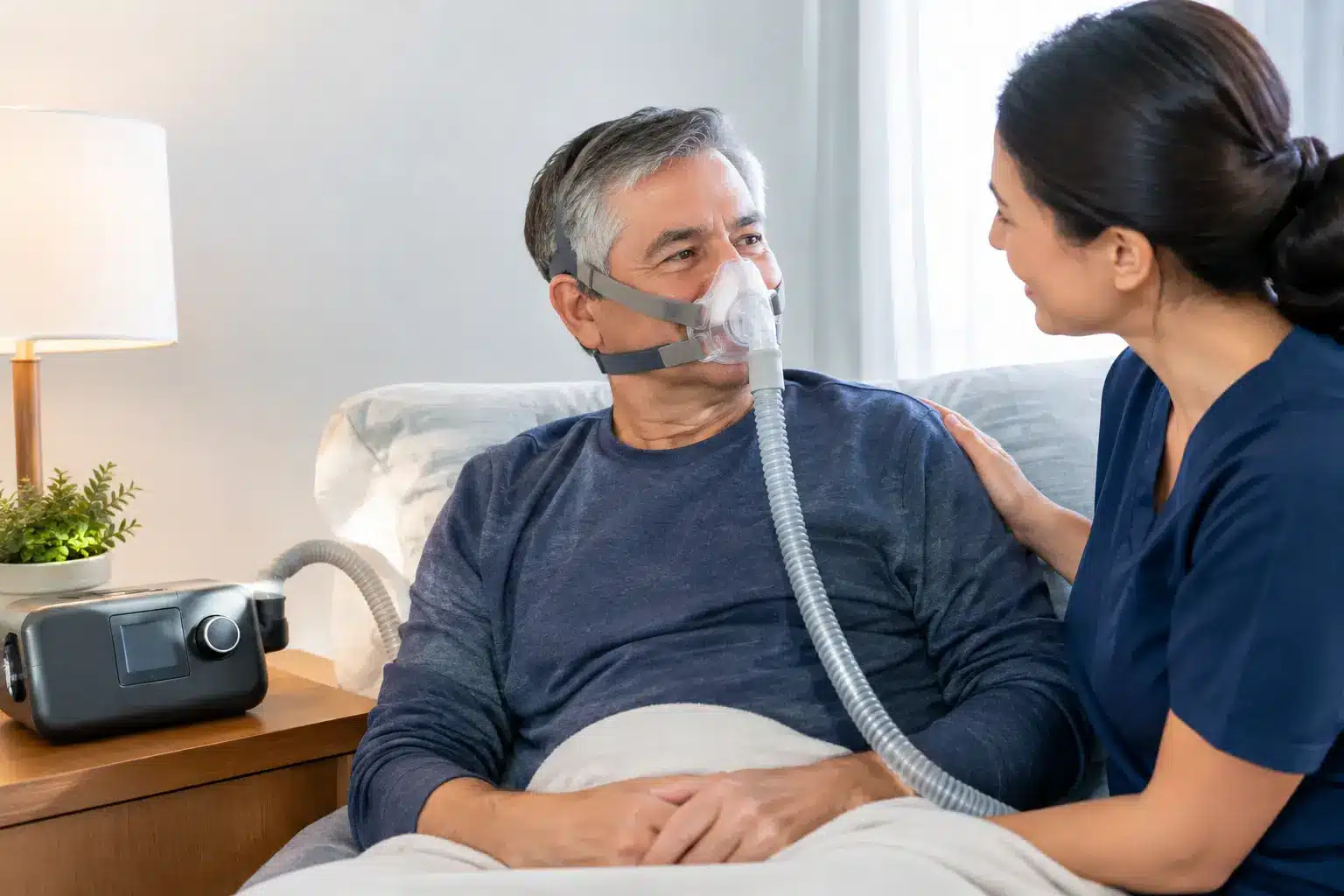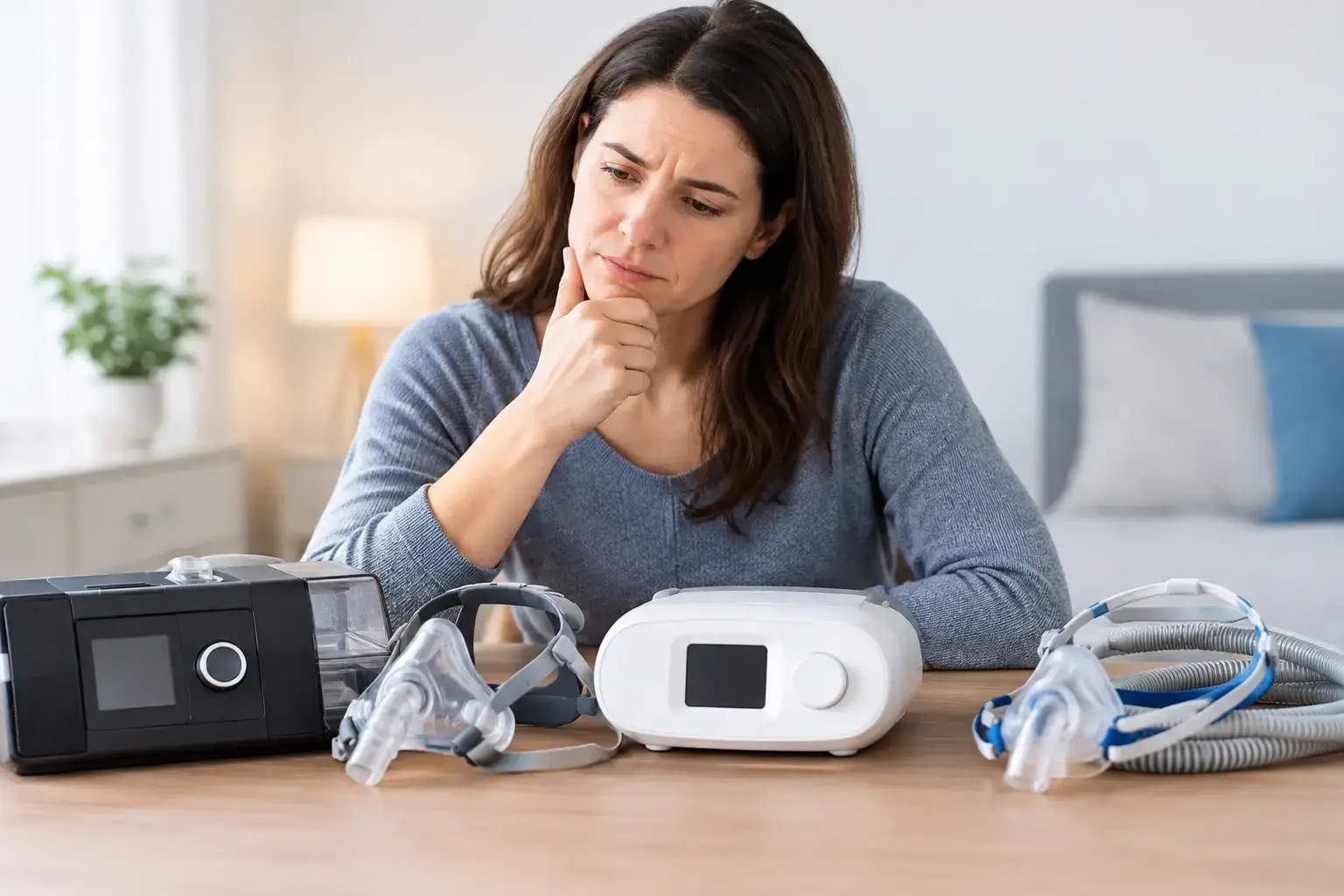
The morning after a sleep study, many people expect a simple yes-or-no answer. Instead, they may hear terms like AHI, oxygen desaturation, obstructive events, pressure settings, and CPAP. That can make sleep apnea diagnosis next steps feel more complicated than they need to be. The goal is straightforward: understand what your results mean, get the right equipment, and start treatment with support that does not disappear after the sale.
Sleep apnea is treatable, and effective therapy can protect more than your sleep. It may help improve daytime alertness, reduce loud snoring, support healthier blood pressure, and lower the strain that repeated breathing interruptions place on your body. The sooner you move from diagnosis to consistent treatment, the sooner you can start building better nights.
Start With Your Sleep Study Results
Your sleep physician or qualified provider should explain the findings from your home sleep test or in-lab study. Do not settle for a rushed explanation full of jargon. You deserve to know what was found and what treatment is being recommended.
One of the main numbers is the apnea-hypopnea index, often called AHI. It estimates how many breathing disruptions happen per hour of sleep. In general, an AHI of 5 to 14 is considered mild sleep apnea, 15 to 29 is moderate, and 30 or more is severe. That number matters, but it is not the entire story. Your oxygen levels, symptoms, heart health, medications, sleep position, and other conditions can all affect the treatment plan.
Ask whether your diagnosis is obstructive sleep apnea, central sleep apnea, or a combination of both. CPAP therapy is commonly used for obstructive sleep apnea, where the airway collapses or becomes blocked during sleep. Central sleep apnea involves a different breathing-control issue and may require a different approach. The right machine and pressure settings should follow the diagnosis, not guesswork.
Get the Prescription and Confirm What You Need
A CPAP machine is medical equipment, so you will generally need a prescription. Make sure you receive a copy for your records. It should identify the prescribed therapy, such as fixed-pressure CPAP or auto-adjusting PAP, often called APAP. It may also include a pressure range, humidifier recommendation, and mask type if your provider has one in mind.
This is also the time to ask practical questions. Is APAP appropriate for you? Do you need an in-lab titration study before starting? Has your clinician recommended bilevel therapy because you need higher pressures or have trouble exhaling against standard CPAP pressure? A machine should be selected around your clinical needs, not simply because it is the lowest-priced option or the first model available.
For many people with uncomplicated obstructive sleep apnea, an APAP machine can automatically adjust within the prescribed range as your needs change through the night. That can be useful if events are worse when you sleep on your back, during REM sleep, or after congestion. Still, auto-adjusting therapy is not automatically right for every patient. Follow the prescription and speak with a qualified clinician before changing settings yourself.
Choose a Provider That Offers More Than a Box
The equipment decision is not just about buying a machine. It is about whether someone will take the time to make therapy work in real life. A CPAP machine can be excellent, but a poorly fitted mask, confusing setup, or lack of follow-up can leave you frustrated before therapy has a fair chance.
Look for clear pricing and ask directly about setup fees, mask fitting charges, delivery costs, return policies, and ongoing support. Hidden fees have no place in sleep therapy. You should know what you are paying for before you commit, especially if you are using insurance, a health savings account, or paying out of pocket.
A good equipment provider should help with machine programming based on your prescription, initial education, humidifier setup, mask fitting, and therapy data review. If you are not comfortable with technology, ask whether they will show you how to fill the water chamber, install the filter, connect the tubing, and clean the equipment. These are small details, but they can determine whether the first week feels manageable or overwhelming.
Treat Mask Fitting as a Priority
The mask is the part of CPAP therapy you feel every night. It deserves more attention than most first-time users realize. A mask that leaks, presses painfully on the bridge of your nose, blows air into your eyes, or feels claustrophobic can make you want to quit. That does not mean CPAP has failed. It usually means the mask needs adjustment or replacement.
There are three common styles: nasal masks that cover the nose, nasal pillow masks that rest at the nostrils, and full-face masks that cover the nose and mouth. If you regularly breathe through your mouth while sleeping, a full-face mask may be a practical starting point. If you feel confined by larger masks, a nasal pillow option may feel lighter. Nasal masks can be a comfortable middle ground for many users.
Fit matters more than tightening the straps. In fact, over-tightening can worsen leaks by distorting the cushion and causing pressure marks. Try the mask while lying down with the machine running, because your face and sleeping position change how it seals. Let your provider know if you have facial hair, dentures, sensitive skin, chronic congestion, or a tendency to sleep on your side. Those details can guide a better recommendation.
Handle Insurance Before It Creates a Delay
Insurance coverage can be helpful, but the process is often confusing. Before accepting equipment, confirm whether your plan requires a specific supplier, prior authorization, a deductible, rental payments, or proof that you are using the machine consistently. Many plans use compliance requirements, meaning they may ask for evidence that you use therapy for a minimum number of hours on a set number of nights.
Do not wait until a billing surprise arrives. Ask for a clear estimate of what insurance is expected to pay and what you may owe. If direct billing is available, it can reduce paperwork and make the process easier. If you are paying yourself, ask for transparent pricing instead of assuming insurance is always the cheaper route. It depends on your plan, deductible, and equipment needs.
Keep copies of your sleep study, prescription, receipts, and insurance correspondence. They are useful if you change providers, need replacement supplies, or need to resolve a claim later.
Make the First Two Weeks Easier
The first nights with CPAP can feel unfamiliar. Air pressure, tubing, sound, and wearing a mask are all new sensations. Give yourself time to adjust, but do not ignore problems. The fastest path to success is addressing discomfort early instead of forcing yourself through it.
Use the machine every time you sleep, including naps. Start by wearing the mask for a few minutes while reading or watching television so your brain learns that it is not a threat. Then use it at bedtime, even if you do not manage a full night immediately. Consistency builds tolerance.
Dry mouth, a dry nose, congestion, rainout in the tubing, and mask leaks are common early issues. Humidity and heated-tube settings can often help, though the right level varies by person and season. If you wake with a dry mouth while using a nasal mask, mouth breathing may be part of the problem. If you feel bloated with air, pressure comfort settings or a clinician review may be needed. Do not simply stop therapy because one adjustment is necessary.
Review Your Data and Speak Up
Modern CPAP machines can track usage, mask leak, and residual breathing events. Those numbers can be useful, but they need context. A low AHI on the machine is encouraging, yet comfort and symptoms matter too. If you are still exhausted, waking frequently, removing the mask in your sleep, or struggling with major leaks, ask for a review.
Your provider may be able to download therapy data and identify whether the issue is mask fit, pressure response, poor sleep habits, or something that needs medical follow-up. Keep your sleep physician involved if symptoms continue despite regular use. CPAP treats airway obstruction, but fatigue can also have other causes.
Contact your clinician promptly if you develop chest pain, severe shortness of breath, new confusion, or other urgent symptoms. CPAP is valuable treatment, but it is not a substitute for urgent medical care.
Build a Routine You Can Keep
CPAP works when it becomes part of your normal sleep routine, not a device you use only on “bad” nights. Keep the machine on a stable bedside surface, clean the mask cushion regularly, and replace worn supplies when they stop sealing properly. A stretched headgear strap or aging cushion can quietly turn a comfortable setup into a leaky one.
Your diagnosis is not the end of the conversation. It is the moment you can stop guessing about why sleep has been so hard and start getting support that fits your life. Ask questions, expect transparent service, and keep adjusting until therapy feels like a solution you can truly live with.