What a CPAP Data Download Service Can Tell You
Your CPAP machine works while you sleep, but the numbers it records can explain why you still wake up tired, remove your mask overnight, or struggle to use therapy consistently. A CPAP data download service turns that information into practical answers. Instead of guessing whether your treatment is working, you can see what happened during the night and get clear guidance on what to address next.
For many people, a data download is most helpful when something feels off. Maybe your machine says you used it for seven hours, yet you feel no better. Maybe your insurer needs compliance documentation. Or perhaps you are a new user who wants reassurance that you are on the right track. The goal is not to bury you in medical jargon. It is to make your CPAP therapy easier to understand and easier to live with.
What Is a CPAP Data Download Service?
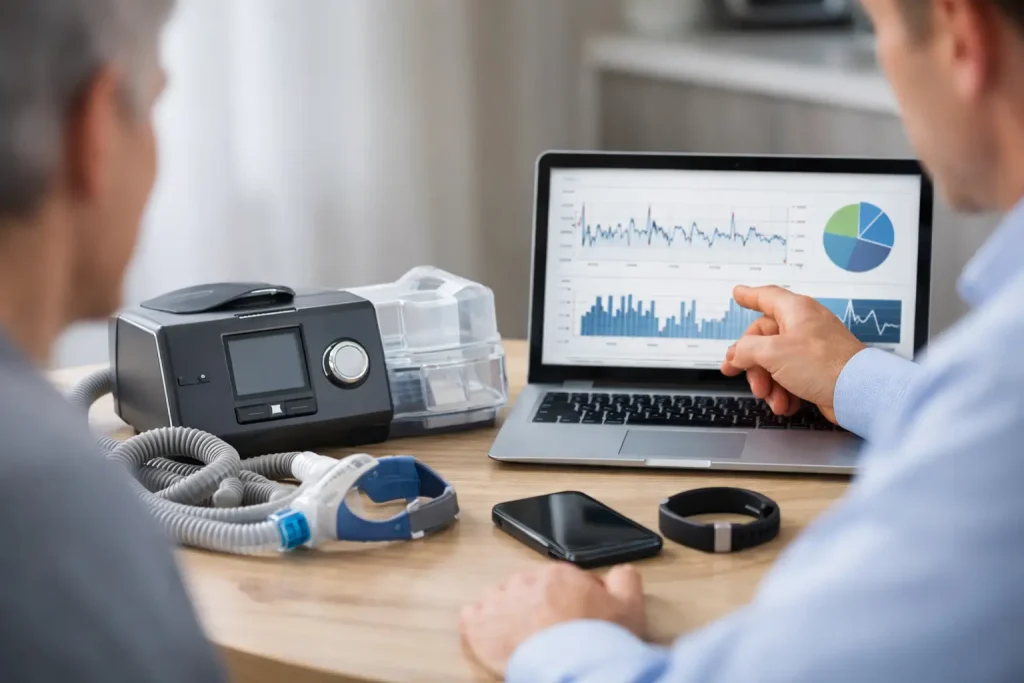
Modern CPAP, APAP, and bilevel machines record treatment information on an SD card, through wireless connectivity, or both. A CPAP data download service retrieves that information and produces a report showing how your therapy performed over a selected period, such as the last week, month, or 90 days.
The useful part is the interpretation. A report may contain dozens of charts and abbreviations, but the questions most patients want answered are straightforward: Am I using the machine enough? Is my mask leaking? Are breathing events being controlled? Am I taking the mask off in my sleep? Is there a comfort issue that needs attention?
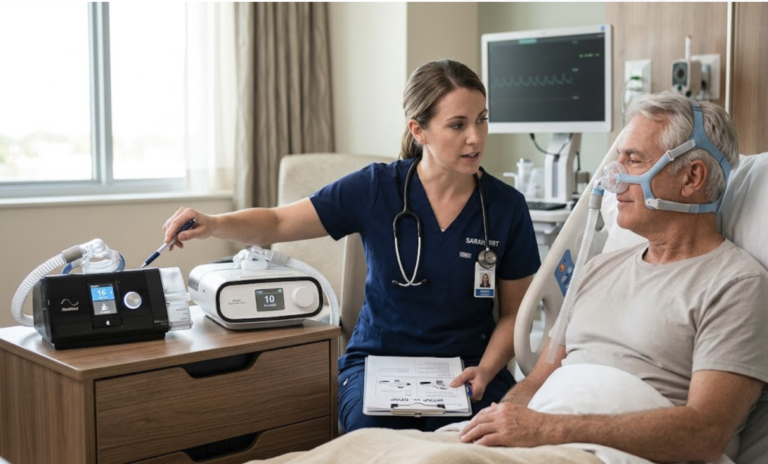
At CPAP One-Stop, data support is meant to be personal, not a handoff of paperwork. A clinician can review the report with you, explain the numbers in plain language, and help you decide whether the next step is a mask adjustment, comfort setting change, cleaning check, or a conversation with your prescribing provider.
The CPAP Data That Matters Most
Not every number carries the same weight. A good review focuses on the measures that can affect both your comfort and the effectiveness of treatment.
Usage and compliance
Usage tells you how long you wore the machine and how often you used it. Many insurance plans use a compliance standard of at least four hours per night on 70% of nights during a defined trial period. That requirement can feel frustrating when you are still getting used to therapy, but it also gives you an early warning sign. If you are repeatedly removing the mask after an hour or two, it is better to solve the problem now than wait until coverage is affected.
Compliance is not the same as successful therapy. Four hours may satisfy a coverage rule, but using CPAP for your full sleep period offers better protection against untreated apnea during the rest of the night. A download helps identify where usage drops off so the solution can be targeted.
AHI and breathing events
AHI stands for apnea-hypopnea index. It estimates the average number of breathing events per hour while you are using therapy. For many users, an AHI below five is a common treatment target, but your own goal should be discussed with your clinician or sleep physician.
One high-AHI night does not always mean your machine is failing. Congestion, alcohol, sleeping position, illness, and significant mask leaks can all affect results. What matters is the pattern over time. A clinician can help separate an occasional rough night from a recurring issue that deserves follow-up.
Mask leak
Leaks are one of the most common reasons people dislike CPAP. They can cause dry mouth, noisy air, eye irritation, and disrupted sleep. They may also interfere with the machine’s ability to respond accurately to your breathing.
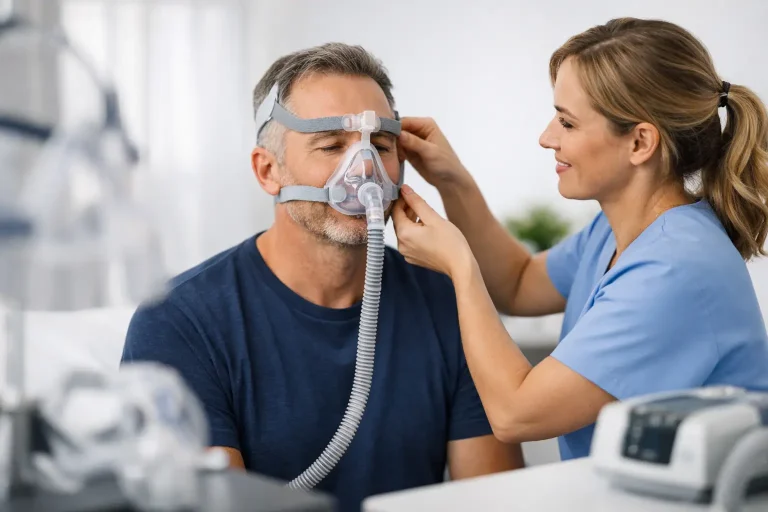
The answer is not always to tighten the straps. In fact, overtightening can flatten the mask cushion and make leaks worse. A data review can show when leaks occur, while an in-person mask check can reveal whether the problem is fit, cushion wear, mouth breathing, sleeping position, or the wrong mask style.
Pressure and comfort patterns
An auto-adjusting CPAP changes pressure within a prescribed range based on your breathing. Downloaded data can show whether the machine regularly reaches the top of that range, whether events cluster at certain times, or whether pressure changes appear to disturb sleep.
Do not change prescribed pressure settings on your own based on a single report. Pressure adjustments should be reviewed by the appropriate clinician or prescribing provider. Still, the data gives you something valuable: a clear record to bring into that conversation instead of relying on memory alone.
When You Should Request a Download
You do not need to wait for a problem to become unbearable. A download is worthwhile during the first few weeks of therapy, when habits and comfort issues are still taking shape. It is also useful after changing masks, replacing a machine, traveling, recovering from a respiratory illness, or returning to therapy after a long break.
Request one sooner if you notice persistent fatigue, morning headaches, dry mouth, loud leaks, frequent awakenings, or a sudden increase in snoring reported by a bed partner. These symptoms do not automatically mean your settings are wrong, but they are good reasons to look at the facts.
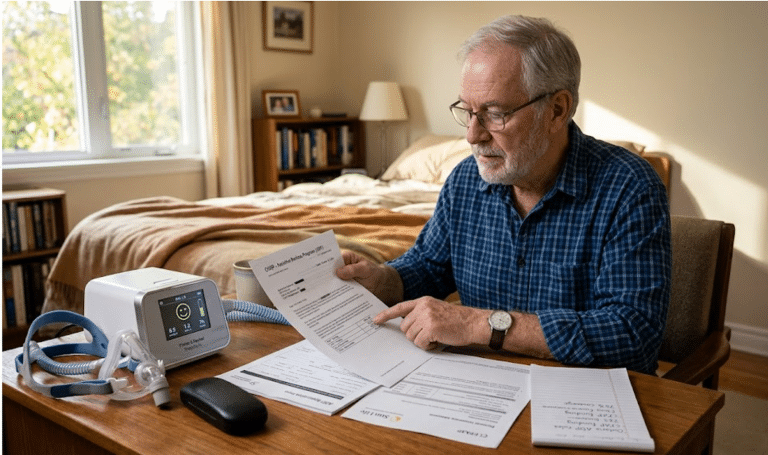
A compliance report can also be necessary for insurance documentation or for certain work-related medical requirements. Ask exactly what date range and format are needed before your appointment. That prevents a last-minute scramble and ensures the report matches the request.
What to Bring and What to Expect
If your machine uses an SD card, bring the card with you unless you have been told your device transmits data wirelessly. Bringing your machine, mask, tubing, and humidifier chamber can be even more helpful when you have comfort or leak concerns. The report tells part of the story; your equipment condition and fit tell the rest.
During a useful appointment, expect more than a printout. You should understand your usage trend, AHI, leak pattern, and any signs that deserve follow-up. You should also have time to describe what the numbers cannot show, such as anxiety with the mask, nasal congestion, skin irritation, or a noisy bedroom setup.
Wireless data is convenient, but convenience is not the same as personal support. An app can display a score, yet it may not explain why the score changed or what action makes sense. A clinician-guided review connects the data to your real experience at home.
Small Fixes Can Change Your Results
Many CPAP problems have practical solutions. A worn cushion may need replacement. Heated tubing or humidity adjustments may help with dryness. A chin strap or a different mask type may help if mouth leak is the issue. A ramp or exhalation comfort setting may make it easier to fall asleep with the machine.
The right fix depends on the cause. Buying random accessories or tightening every strap can waste money and make therapy more uncomfortable. That is why a data download paired with hands-on support is so valuable. It narrows the problem before you spend more on equipment you may not need.
Keep in mind that CPAP data has limits. It records what happens while the machine is being worn, not the quality of every minute of sleep or every health condition that can cause fatigue. If your report looks good but you still feel exhausted, do not dismiss that concern. Speak with your healthcare provider about other possible causes.
Your CPAP should not feel like a mystery box beside the bed. A timely data review gives you evidence, a clearer next step, and the confidence to keep moving toward better sleep – one comfortable, well-supported night at a time.