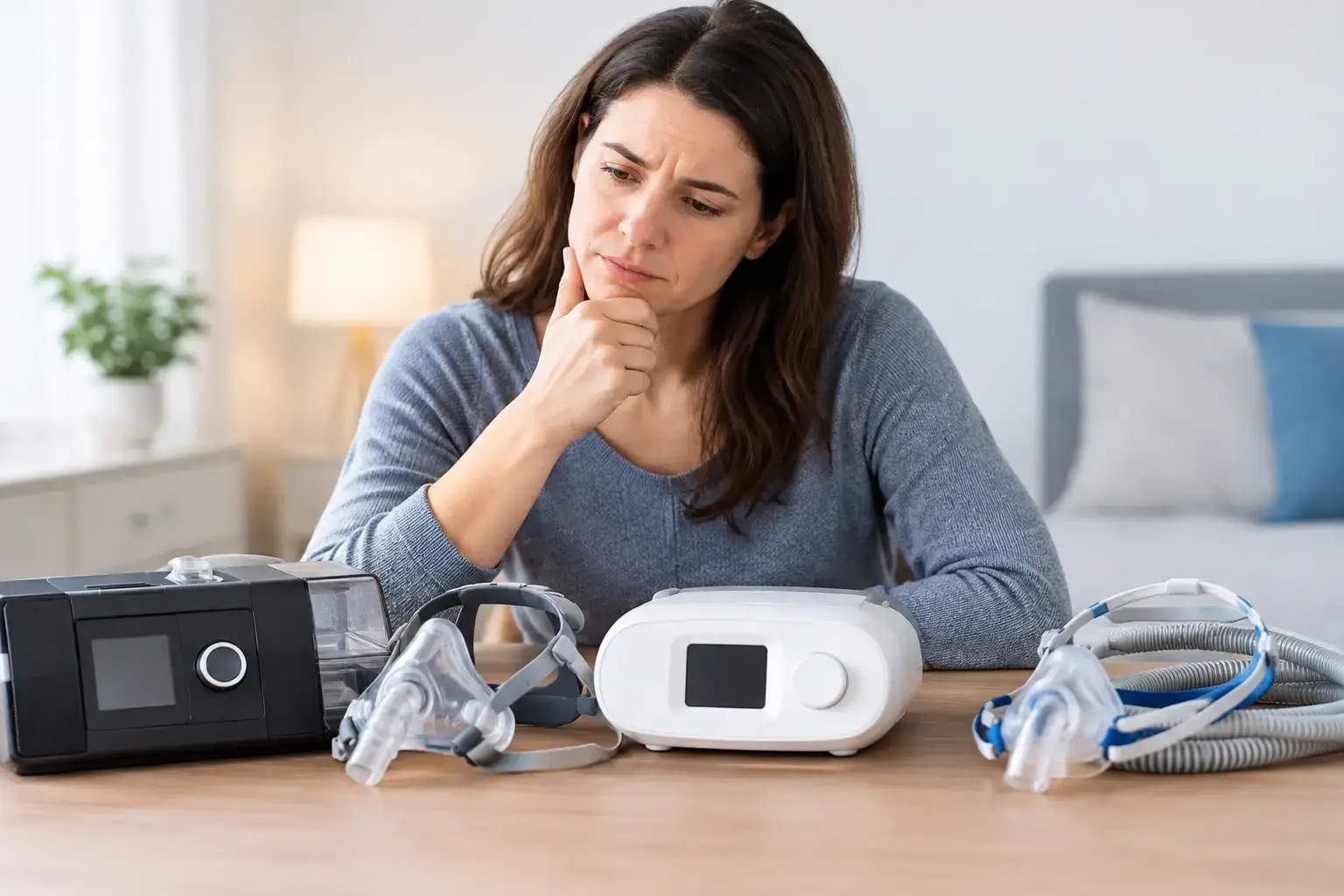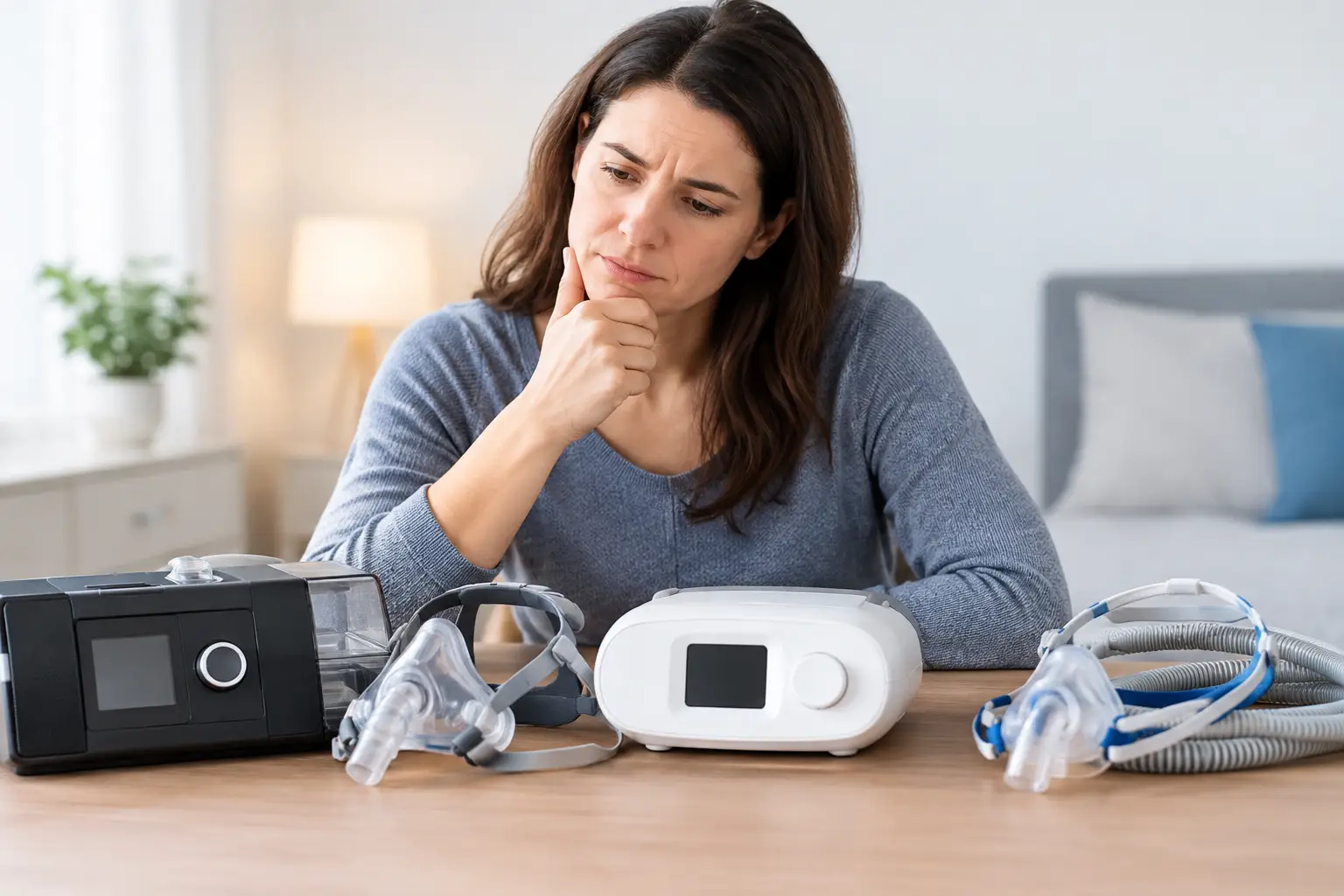
A CPAP machine can have every feature on the box and still fail if it is uncomfortable, confusing, or paired with the wrong mask. That is the real question behind a ResMed AirSense review: not simply whether the machine is good, but whether it will help you use therapy consistently enough to feel the difference.
The AirSense line has earned its strong reputation for a reason. ResMed machines are quiet, straightforward for most users, and built around comfort features that can make the adjustment to CPAP less intimidating. But the best machine is never just about the brand name. Your pressure needs, mask fit, humidity preferences, insurance coverage, and access to real support all matter.
What Is the ResMed AirSense?
ResMed AirSense is a family of CPAP and APAP machines used to treat obstructive sleep apnea. The models most people compare are the AirSense 10 AutoSet and AirSense 11 AutoSet. Both can automatically adjust pressure within a range prescribed by your sleep clinician, responding to breathing changes during the night.
That automatic adjustment is one of the biggest benefits for many patients. Instead of delivering one fixed pressure all night, an APAP machine can increase pressure when it detects signs of airway restriction and reduce it when less pressure is needed. For someone whose apnea changes with sleep position, congestion, weight changes, or REM sleep, that flexibility can be very helpful.
The AirSense 10 remains a trusted option and is familiar to long-time CPAP users. The AirSense 11 is newer, with a more modern touchscreen, built-in digital support features, and a smaller overall footprint. Neither is automatically the right choice for every person. A reliable older model may be a better fit for someone who values familiar controls and straightforward operation, while a first-time user may appreciate the guided setup experience of the newer model.
ResMed AirSense Review: Comfort Comes First
The AirSense line performs well where it counts most: making nightly therapy easier to tolerate. ResMed’s AutoRamp feature starts therapy at a gentler pressure and gradually raises it after you fall asleep. For people who feel like they are getting too much air the moment they turn the machine on, this can make bedtime less stressful.
Expiratory pressure relief, often called EPR, is another comfort feature worth discussing during setup. It slightly lowers pressure when you breathe out, so exhaling can feel more natural. Some people love it immediately. Others need their settings adjusted because comfort settings can affect how the prescribed therapy is delivered. This is why machine programming should not be treated as a quick retail handoff.
Heated humidification is also a major advantage. Dry mouth, nasal dryness, and congestion are common reasons people stop using CPAP early. With a compatible heated humidifier and, when appropriate, heated tubing, you can fine-tune moisture and temperature to reduce dryness and prevent rainout – the annoying water buildup in the tube or mask.
The machine itself is generally quiet. Still, a quiet CPAP does not guarantee a quiet night if the mask leaks. A leaking mask can create noise, dry eyes, pressure changes, and frustration for both you and your bed partner. The AirSense can support good therapy, but a proper mask fitting is just as important as the machine choice.
Features That Matter in Real Life
AirSense machines track useful treatment information such as usage time, mask seal, events per hour, and pressure patterns. That data can help identify why therapy is not feeling right. If you are still exhausted, waking with a dry mouth, or taking your mask off during the night, the answer may be in the data – or it may be a mask, humidity, or pressure-setting issue that needs attention.
The AirSense 11 offers a touchscreen interface that many users find easy to navigate. It also includes digital coaching features intended to help new users establish a routine. For someone comfortable with technology, this can be reassuring. For someone who prefers a simple bedside machine with physical controls, the AirSense 10 may feel more familiar.
Remote monitoring can be useful, especially early in treatment. It allows therapy information to be reviewed without guessing whether you are meeting your prescribed goals. However, data is only helpful when someone explains what it means. A single bad night does not mean CPAP is failing, and a good compliance score does not always mean you feel fully rested. Good support looks at the whole picture.
The Trade-Offs to Know Before You Buy
No honest ResMed AirSense review should pretend the machines are perfect. The AirSense 11’s touchscreen is convenient, but some people prefer buttons they can operate without looking. Wireless connectivity can make reporting easier, but it is not a replacement for personal clinical guidance. And while humidification can improve comfort, it also means regular cleaning and occasional troubleshooting.
Cost is another real consideration. CPAP pricing can be confusing when providers add setup charges, programming fees, delivery fees, or vague service packages. Ask for a clear, all-in explanation before agreeing to anything. You should know what machine you are receiving, whether the humidifier is included, what setup support is provided, and what your insurance plan will cover.
Also remember that an AirSense machine is not a travel CPAP. It is compact enough for a nightstand and travel bag, but frequent travelers may want a smaller dedicated travel device. If you use the AirSense away from home, plan for its power supply, water chamber, and tubing rather than assuming it packs like a small personal appliance.
Who Is a ResMed AirSense a Good Fit For?
The AirSense line is a strong choice for many newly diagnosed sleep apnea patients because it balances automatic pressure adjustment with simple daily use. It is also a practical option for experienced CPAP users who want dependable therapy data, humidification, and a familiar brand with widely available accessories.
It can be especially helpful if your pressure needs vary throughout the night or if you have struggled with fixed-pressure CPAP in the past. The AutoSet algorithm is designed to respond to changes in breathing, but it still needs a prescription range tailored to you.
It may not be the best answer if your clinician has prescribed bilevel therapy, advanced ventilation, or oxygen integration that requires a different device category. If you have complex medical needs, do not choose based on online reviews alone. Confirm that the machine matches your prescription and therapy plan.
Setup Is Where Many CPAP Experiences Go Wrong
A quality machine does not solve a poor setup. The first few nights are when small problems become big reasons to quit: a mask that pinches, pressure that feels uncomfortable, humidity that is too low, or a patient who was never shown how to clean the equipment.
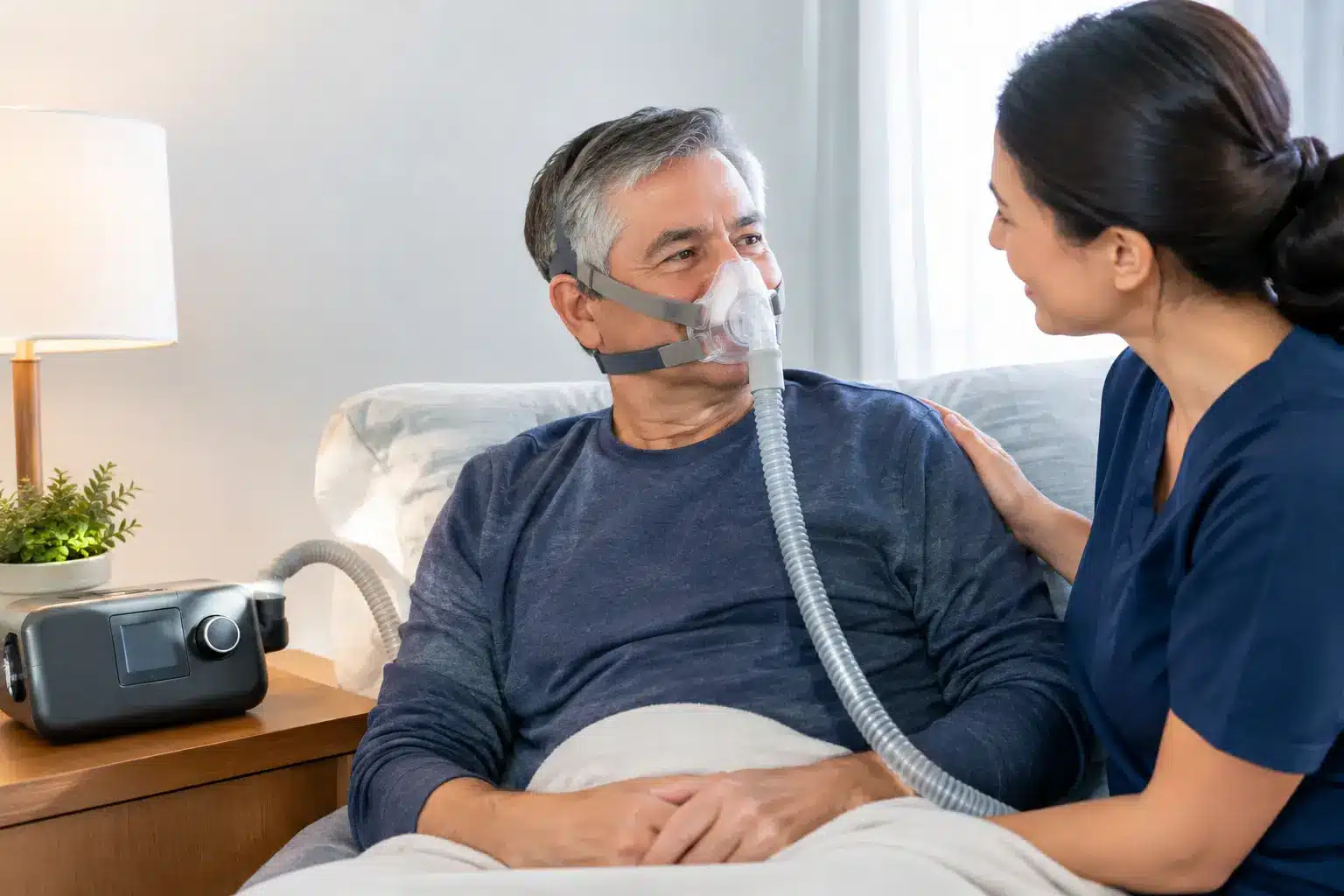
Before taking an AirSense home, make sure someone walks you through filling the water chamber, connecting the tubing, starting and stopping therapy, adjusting comfort settings that your clinician has approved, and checking for leaks. You should also understand what to clean daily and weekly, when to replace supplies, and who to call if therapy is not working.
At CPAP One-Stop, the goal is not to send you home with a box and a manual. Personalized setup, mask fitting, machine programming, data review, and insurance guidance can remove much of the stress that causes people to abandon treatment. Transparent pricing matters too. You should never be surprised by unnecessary setup fees after you have already committed to therapy.
A Better Question Than “Is It the Best CPAP?”
The ResMed AirSense is a capable, comfortable, and well-supported machine line. But the better question is whether you can sleep with it every night. That depends on the right prescription, a mask that seals without hurting, settings that feel manageable, and support that continues after the first appointment.
Give yourself time to adjust, speak up quickly when something feels wrong, and do not accept discomfort as the price of treatment. Better sleep often starts with the right machine, but it lasts because the therapy is made personal.