How Direct Billing for CPAP Reduces Upfront Costs

A sleep apnea diagnosis is enough to process without being handed a stack of insurance forms, unexpected equipment charges, and a deadline to submit a claim. Direct billing for CPAP takes much of that administrative burden off your shoulders by allowing your equipment provider to bill your insurance plan directly for eligible costs.
That can mean less money paid at the counter, fewer claim forms to track, and a clearer picture of what you actually owe. But direct billing is not a promise that every item is fully covered. Your plan rules, deductible, copay, annual maximum, and equipment eligibility still matter. The right provider explains those details before you commit – not after you have taken your machine home.
What Direct Billing for CPAP Actually Means
Direct billing means the CPAP provider submits an eligible claim to your insurer on your behalf. Rather than paying the full cost of a machine, mask, tubing, and accessories upfront and waiting for reimbursement, you generally pay the portion your policy does not cover.
For example, if your insurance plan covers a percentage of an approved CPAP purchase, the provider submits the covered amount directly to the insurer. You may only be responsible for the remaining balance. If your deductible has not been met, your out-of-pocket amount may be higher. If your plan has an annual maximum for medical equipment, that can also affect what is paid.
This is why a quick promise of “insurance accepted” is not enough. A patient-first CPAP provider should help verify the practical details: whether your plan covers CPAP equipment, what documents are required, how much coverage remains, and whether the machine and mask you need qualify.
Why It Makes Starting CPAP Therapy Easier
CPAP treatment works when people can start it promptly, wear it consistently, and get help when something feels wrong. Insurance paperwork should not be the reason therapy is delayed.
Direct billing reduces one major barrier: a large upfront payment. That matters for new patients who may be adjusting to a diagnosis, scheduling follow-up care, or helping a parent or spouse begin treatment. It also helps existing CPAP users replace aging equipment or get a new mask without tying up more money than necessary.
Just as importantly, it creates a chance to review costs before the purchase. You should know whether there is a balance to pay, whether accessories are covered differently than the machine, and whether your insurer requires a prescription or physician documentation. Clear answers protect you from surprises.
A provider that offers deferred billing when appropriate can provide another layer of flexibility. This can be helpful when an insurer needs time to process documentation or when you are waiting for a benefit period to reset. Deferred billing is not the same as full insurance coverage, so ask exactly what the arrangement involves and when payment is due.
What Insurance May Cover
Coverage varies widely, even between plans from the same insurer. Many plans include some level of coverage for medically necessary sleep apnea equipment, but the approved amount and replacement schedule can differ.
A plan may cover the CPAP machine, humidifier, mask, tubing, filters, and replacement supplies under different rules. Some insurers view these as separate categories. Others limit how often a mask, cushion, headgear, hose, or machine can be replaced. A plan may also require a valid prescription, proof of diagnosis, or a specific form from your sleep physician.
Before moving forward, ask your provider to help clarify these four points:
- Your remaining annual coverage for CPAP or durable medical equipment
- Your deductible, copay, or percentage of responsibility
- Which equipment and accessories are eligible under your specific plan
- What paperwork your insurer requires before it will pay
Do not assume the lowest-priced machine is automatically the best value if it does not fit your therapy needs. At the same time, do not let anyone push you into add-ons you do not need by claiming insurance will “take care of it.” Good care includes matching equipment to your prescription, sleep habits, comfort needs, and budget.
The Difference Between Direct Billing and Reimbursement
With reimbursement, you pay the provider in full, collect invoices and required paperwork, submit a claim yourself, and wait for your insurer to send payment. This can work, but it puts the cash-flow burden and paperwork on you.
With direct billing, the provider handles claim submission and bills you for the remaining patient portion once coverage is confirmed. It is usually the more convenient option, especially when you are new to CPAP and already have enough to learn.
There are situations where reimbursement may still be necessary. Some insurers do not allow direct billing from every provider, certain plans require the member to submit the claim personally, or a policy may only reimburse purchases from an in-network supplier. If that is your situation, ask for detailed invoices and all documentation you need. The process should still be organized and transparent.
Questions to Ask Before You Purchase
A CPAP machine is medical equipment you will use night after night. Price matters, but so do support, fit, and follow-through. Before choosing a provider, ask whether there are setup fees, whether mask fitting is included, and whether someone will program the machine according to your prescription.
Ask how they handle insurance verification. Will they explain the estimated patient balance before you agree to anything? Will they tell you if an item may not be covered? Can they help you understand your replacement eligibility later on?
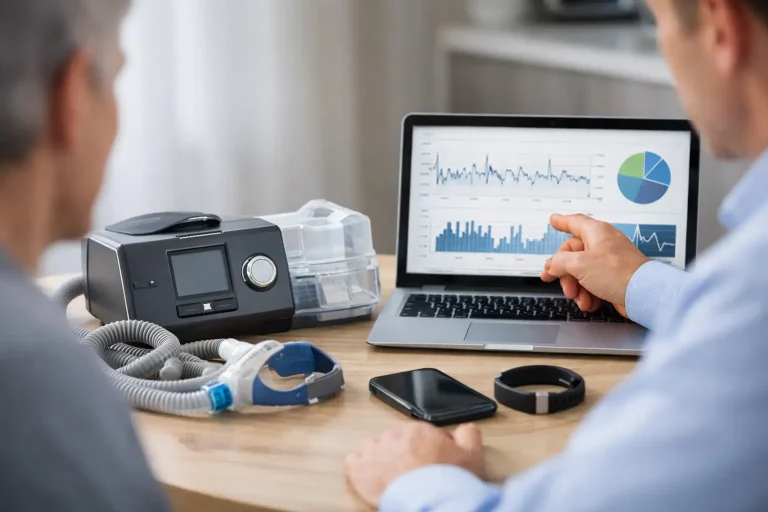
Also ask what happens after the sale. A machine that is technically covered is not much help if the mask leaks, the pressure feels uncomfortable, or you do not understand the data on your device. Hands-on setup, mask fitting, data downloads, clinician guidance, delivery, and flexible appointments can make the difference between owning a CPAP and actually using one successfully.
Be especially cautious about vague quotes. If a provider cannot tell you whether setup, programming, mask fitting, or delivery comes with a fee, ask for the full cost in writing. Hidden charges have no place in sleep therapy.
How to Prepare for Direct Billing
Bring your insurance card, prescription, and sleep study information if you have them. If your physician provided a specific CPAP recommendation, bring that as well. The more complete your documentation is, the easier it is to verify eligibility and avoid delays.
It also helps to call your insurer yourself if you have questions about your benefit. Ask whether CPAP equipment is covered, whether you need preauthorization, whether there is a preferred provider requirement, and how much remains under your annual maximum. Write down the representative’s name, the date, and any reference number from the call.
Then let your CPAP provider review the information with you in plain language. You should not need to become an insurance expert to get treatment. You do deserve to understand the numbers before you sign or pay.
Choose Support, Not Just a Transaction
The best direct billing experience is not simply a claim submitted correctly. It is a provider who treats your time, comfort, and budget with respect. That means honest pricing, no unnecessary setup charges, equipment selected for your needs, and real help when the first few nights are difficult.
CPAP therapy can protect your sleep, energy, concentration, and long-term health. Start with clear coverage information, ask direct questions, and choose a team that makes every step feel manageable. Because every breath matters, getting the right help should never feel harder than the therapy itself.