Deferred Billing CPAP Machine Options Explained
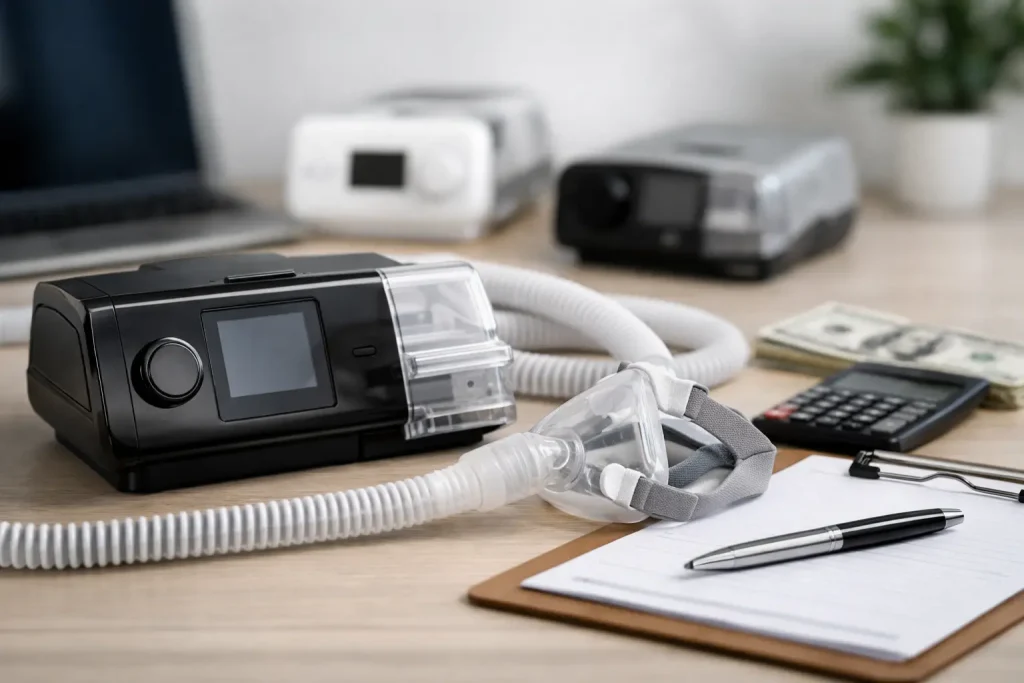
A sleep apnea diagnosis should lead to better rest, not a stressful scramble to pay for equipment before you can begin treatment. A deferred billing CPAP machine arrangement may help when insurance is expected to cover some or all of the cost, but payment timing is holding things up. The key is knowing exactly what is being deferred, what your insurer requires, and what you could still owe.
What Is a Deferred Billing CPAP Machine?
Deferred billing means the CPAP provider may supply your machine and submit the claim to your insurance company, rather than requiring you to pay the full amount upfront and wait for reimbursement yourself. In practical terms, the provider waits for the insurer to process the eligible portion of the claim.
That can make a major difference for someone starting therapy after a new diagnosis, leaving the hospital, or replacing a machine that is no longer working properly. CPAP treatment is not something most people want to postpone while paperwork moves through an insurance system.
But deferred billing is not the same as free equipment. Your insurance policy determines what it covers, whether a deductible applies, whether a prescription or authorization is needed, and whether there is a maximum benefit. Any amount not covered by insurance may still be your responsibility.
Why Deferred Billing Matters for CPAP Patients
CPAP therapy works best when you can start using the right equipment consistently. Delaying treatment because of an insurance reimbursement process can mean more nights of disrupted sleep, daytime fatigue, loud snoring, and frustration for both you and your family.
With a deferred billing option, you may avoid paying the entire equipment cost out of pocket at the start. Instead of becoming the middle person between a medical equipment provider and your insurer, you get help with claim submission and benefit coordination.
That convenience matters, but personal support matters just as much. A machine is only one part of treatment. You also need the right mask fit, proper pressure settings based on your prescription, clear instructions, and someone you can contact if the first few nights are difficult. Do not let an insurance conversation distract from the quality of care you receive.
What Insurance May Cover
Coverage varies widely, even among plans that appear similar. Some plans cover a CPAP machine as a purchase, while others treat it as a rental for a defined period. Some include masks, tubing, filters, and humidifier chambers under separate benefit rules. Others have limits on how often you can replace supplies.
Before accepting a deferred billing CPAP machine arrangement, ask what has been verified. You deserve clear answers about your estimated responsibility, not vague promises that insurance will “probably” cover it.
A reputable provider should help clarify whether your plan requires a prescription, a sleep study, prior authorization, physician documentation, or a specific type of machine. If your insurer has a deductible, coinsurance, or annual maximum, ask how that affects the final amount.
It is also smart to ask whether the quoted price includes setup, mask fitting, machine programming, education, and follow-up support. A low equipment price can become less attractive when unexpected service fees appear later. Transparent pricing is not a bonus. It is what patients should expect.
Questions to Ask Before You Agree
Deferred billing can reduce upfront pressure, but it should never leave you unsure about your financial responsibility. Get the details in plain language before taking your equipment home.
Ask whether the provider is billing insurance directly and whether your benefits have been checked. Find out what amount, if any, you need to pay at pickup or delivery. Confirm whether you will receive a bill if the insurer denies part of the claim, applies a deductible, or determines that a document is missing.
You should also ask how long claims typically take to process and whether the equipment is being billed as a purchase or rental. Rental arrangements can have their own requirements. For example, an insurer may require proof that you are using the device consistently before continuing coverage.
Finally, ask who will help if there is a claim issue. The answer should not be, “Call your insurance company and figure it out.” You may need to speak with your insurer, but a patient-focused CPAP provider should be prepared to explain the paperwork, provide supporting documentation, and help you understand the next step.
Do Not Choose a Machine Based on Coverage Alone
The machine your plan covers may be one factor in your decision, but it should not be the only one. Your prescription, breathing needs, comfort preferences, and treatment history all matter.
Most new patients use either a standard CPAP machine or an auto-adjusting CPAP, often called APAP. An APAP can adjust pressure within a prescribed range as your needs change through the night. For some people, that flexibility improves comfort. For others, a standard CPAP setting is appropriate and effective. Your prescribing clinician and equipment provider can help explain what is suitable for your therapy.
Mask selection is equally important. A machine can be fully covered and still fail to help if the mask leaks, feels uncomfortable, or causes you to remove it halfway through the night. Nasal masks, nasal pillow masks, and full-face masks each have advantages depending on how you breathe, sleep, and move at night.
A proper fitting is worth more than a rushed handoff. If you are new to CPAP, ask for hands-on instruction before your first night. You should know how to assemble the equipment, fill the humidifier if one is included, clean the parts, recognize a leak, and access help when questions come up.
Watch for Costs That Are Not Clearly Explained
CPAP patients are sometimes quoted one price, only to discover separate charges for setup, education, mask fitting, delivery, or follow-up support. That is exactly the kind of surprise that makes people distrust the process.
Ask for an itemized explanation of the equipment and services. If deferred billing is available, ask whether it applies only to the machine or also to eligible accessories. Supplies can be a recurring expense, so it helps to understand your replacement coverage from the beginning.
Be careful with anyone who pressures you to accept equipment before checking benefits or explaining your options. Fast service is valuable when you need treatment quickly. Pressure is not. You should be able to make an informed decision with a clear estimate of your responsibility.
When Deferred Billing May Not Be the Best Fit
Deferred billing is helpful for many patients, but it depends on the situation. If your insurance benefit is limited, your deductible is high, or the plan has strict network rules, paying directly may sometimes be simpler or more affordable. A transparent provider should be willing to compare the options honestly.
It may also make sense to pay out of pocket if you need a specific machine quickly and your insurer’s approval process will take too long. That does not mean you should skip the insurance conversation. It means you should understand the trade-off between speed, coverage, and your total cost.
Existing CPAP users should also check whether their machine is eligible for replacement before assuming a new device will be covered. Insurers often have replacement schedules, and coverage may depend on medical necessity, machine age, or documented malfunction.
Start Treatment With Clarity, Not Confusion
The right provider does more than hand you a box and submit a claim. They help you understand your insurance pathway, choose equipment that fits your prescription and lifestyle, and get comfortable using it at home.
When you ask about deferred billing, expect direct answers about coverage, remaining costs, setup, and support. Because every breath matters, you should be able to start CPAP therapy with confidence instead of wondering what surprise will arrive in the mail later.