How to Choose an ADP Approved CPAP Provider
Getting told you need CPAP is stressful enough. Finding an ADP approved CPAP provider should make the process easier, not more confusing. But many patients quickly run into rushed appointments, unclear pricing, surprise setup charges, and providers who act like handing over a machine is the same as supporting treatment.
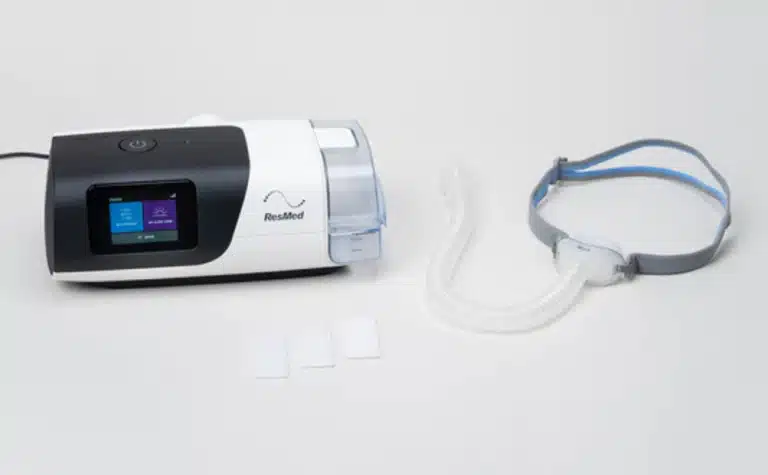
That is the problem to watch for. A CPAP machine is not just a box you take home. It has to be set correctly, paired with a mask that actually fits your face, and supported by someone who will help when leaks, dryness, pressure issues, or insurance paperwork start getting in the way.
What an ADP approved CPAP provider actually means
In Ontario, ADP refers to the Assistive Devices Program. If you qualify, the program helps cover part of the cost of a CPAP machine and related equipment for eligible patients with sleep apnea. An ADP approved CPAP provider is a business authorized to supply equipment through that program.
That approval matters, but it is only the starting point. ADP approval tells you the provider can participate in the program. It does not automatically tell you how they treat patients, whether they charge extra fees, how much time they spend on mask fitting, or whether they are available after the sale.
This is where many people get tripped up. They assume every approved provider offers roughly the same experience. They do not. One provider may walk you through the process, explain your options clearly, and help with direct billing. Another may rush you through a short appointment, steer you toward higher costs, and leave you to figure out the rest alone.
ADP approved CPAP provider vs. good CPAP provider
The best way to think about it is simple. ADP approval gets a provider in the game. Good service is what determines whether your therapy actually works.
For most patients, success with CPAP depends less on the logo on the machine and more on the support around it. If your mask hurts, if the pressure feels wrong, or if you stop using the machine after a week because no one explained what to expect, the machine itself is not the issue. The setup and follow-up are.
A provider should help you understand what is covered, what is not, and what your choices are if you want a different machine or mask style. They should also be upfront about costs. Hidden fees are one of the biggest complaints patients have in this industry, and for good reason. You should not need a second appointment just to find out what your first appointment really cost.
What to ask an ADP approved CPAP provider before you commit
Before you move forward, ask direct questions and expect direct answers. If a provider gets vague when you ask about pricing or service, take that seriously.
Start with the basics. Ask what ADP covers and what your out-of-pocket cost will be. Ask whether there are any setup fees, programming fees, fitting charges, follow-up fees, or delivery charges. Ask if they offer direct billing to private insurance and whether they help with the paperwork.
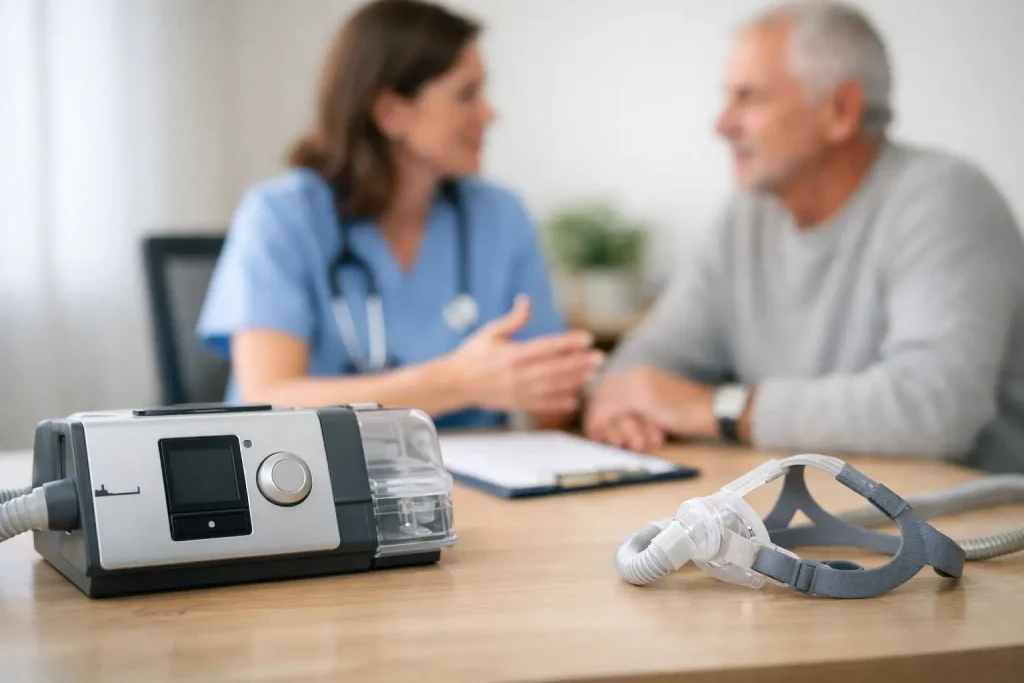
Then ask about support. Will someone fit your mask properly? Will they adjust your machine settings based on your prescription? Can they review your usage data if you are struggling? What happens if your mask leaks after a few nights? Is there a clinician you can actually reach?
These questions matter because CPAP treatment often needs small adjustments early on. A patient-first provider expects that. A sales-first provider may act like support is an extra.
Signs you are dealing with the right provider
A strong provider makes the process feel clear, not pressured. They explain your machine and mask options in plain language. They do not bury fees. They do not make you feel rushed for asking questions. They understand that many first-time CPAP users are anxious, tired, and not in the mood for a sales pitch.
Good providers also respect convenience. That can mean same-day appointments when possible, help with insurance billing, home visits in some cases, delivery options, and follow-up that does not disappear once the machine leaves the store.
This is especially important for older adults, patients coming home from the hospital, or family members trying to help a parent get started. In those situations, convenience is not a luxury. It is part of access to care.
Red flags patients should not ignore
If a provider will not clearly explain pricing, walk away. If they push one machine without discussing your needs, walk away. If they charge for every small step of the process but present those fees late, walk away.
Another red flag is poor mask support. Mask fit is one of the biggest reasons people quit CPAP early. A machine can be excellent and still fail you if the mask is wrong. If a provider treats mask fitting like a quick transaction instead of a core part of therapy, that is a problem.
Watch for pressure tactics too. Some providers lean on urgency in a way that benefits the sale, not the patient. Yes, untreated sleep apnea should be addressed promptly. But prompt treatment is not the same as being pressured into a decision without understanding your options.
Why support matters more than most people expect
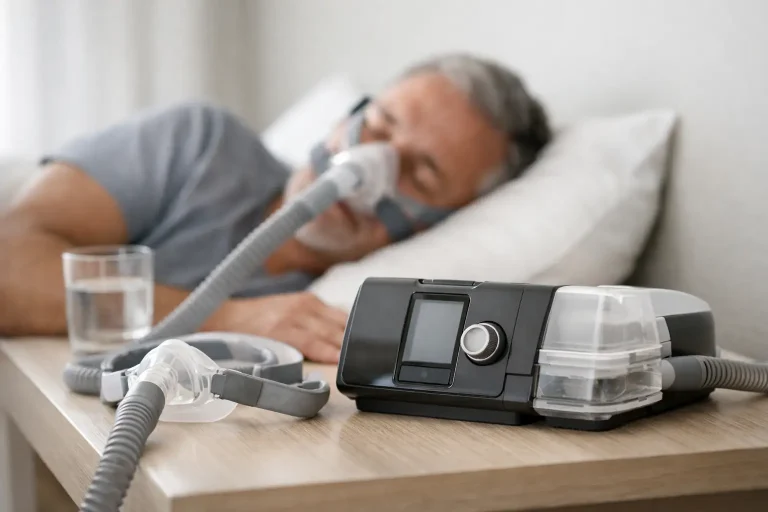
Many patients think the hard part is getting diagnosed. Often, the hard part is the first two weeks after starting therapy. That is when people notice dry mouth, air leaks, strap marks, pressure discomfort, rainout in the tubing, or the awkward feeling of trying to sleep with equipment on their face.
This is normal. It does not mean CPAP is failing. It usually means you need better guidance, a better fit, or a small adjustment.
A good provider prepares you for that learning curve. They explain what is normal, what can be fixed, and when to follow up. They look at therapy data if needed. They help you stick with treatment long enough to get the payoff – better sleep, lower daytime fatigue, less snoring, and more consistent breathing at night.
That is why personalized support matters so much. CPAP is not one-size-fits-all, even when the diagnosis is the same.
Cost, coverage, and the hidden fee problem
Patients deserve straight answers on money. ADP can reduce your cost, but it may not cover everything. Depending on your private insurance, you may have additional coverage for the remaining balance or for supplies. The details vary, which is why your provider should explain them clearly before anything is processed.
This is also where transparency separates trustworthy providers from the rest. Some businesses advertise around coverage but stay vague on the patient portion. Others pile on charges for setup, education, accessories, or follow-up. That is not good service. That is confusion dressed up as process.
A better approach is simple: clear pricing, no games, and help with direct billing wherever possible. If a provider can explain exactly what you are paying for and why, you are much more likely to feel confident moving forward.
The value of local, hands-on care
There is a reason many patients prefer a local provider over a distant call center model. Sleep therapy is personal. When your mask is leaking or your machine settings need attention, it helps to talk to someone who knows your case and can respond quickly.
That local, hands-on model is especially valuable for first-time users and for patients who have already had a bad experience elsewhere. Some people come in discouraged because they were sold equipment but never truly supported. Others have been overcharged, under-informed, or left chasing answers after the purchase.
This is where a provider like CPAP One-Stop stands out. The difference is not just equipment access. It is the combination of transparent pricing, zero setup fees, practical help, and real clinical support that makes treatment easier to start and easier to stay with.
Choosing with confidence
If you are comparing providers, do not stop at asking who is ADP approved. Ask who will actually help you succeed on CPAP. Ask who explains costs without dodging. Ask who takes the time to fit the mask, program the machine properly, and support you after day one.
The right provider does more than process funding. They protect you from unnecessary fees, reduce the friction around insurance and setup, and give you a better chance of sticking with therapy. When every breath matters, that kind of support is not extra. It is the whole point.