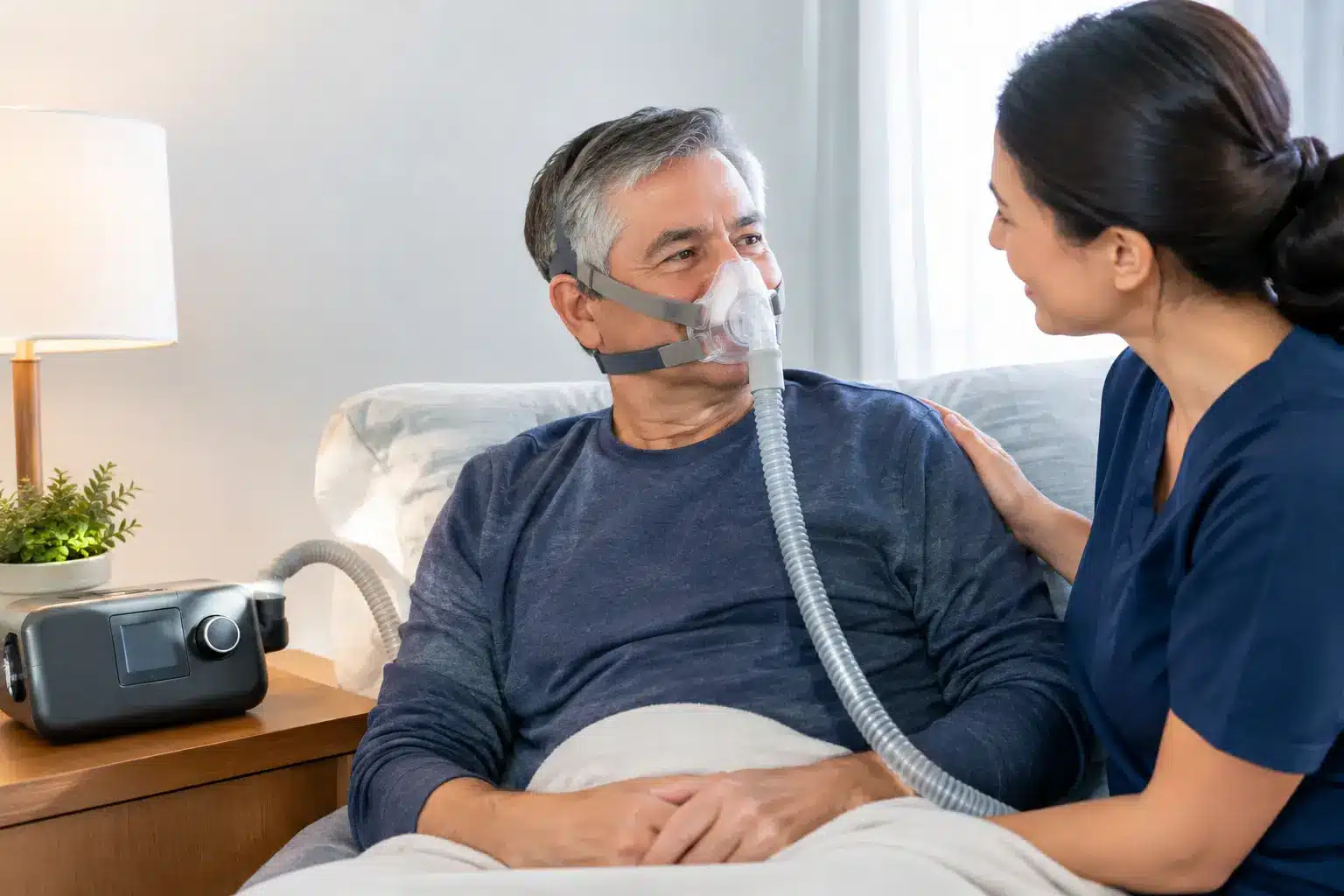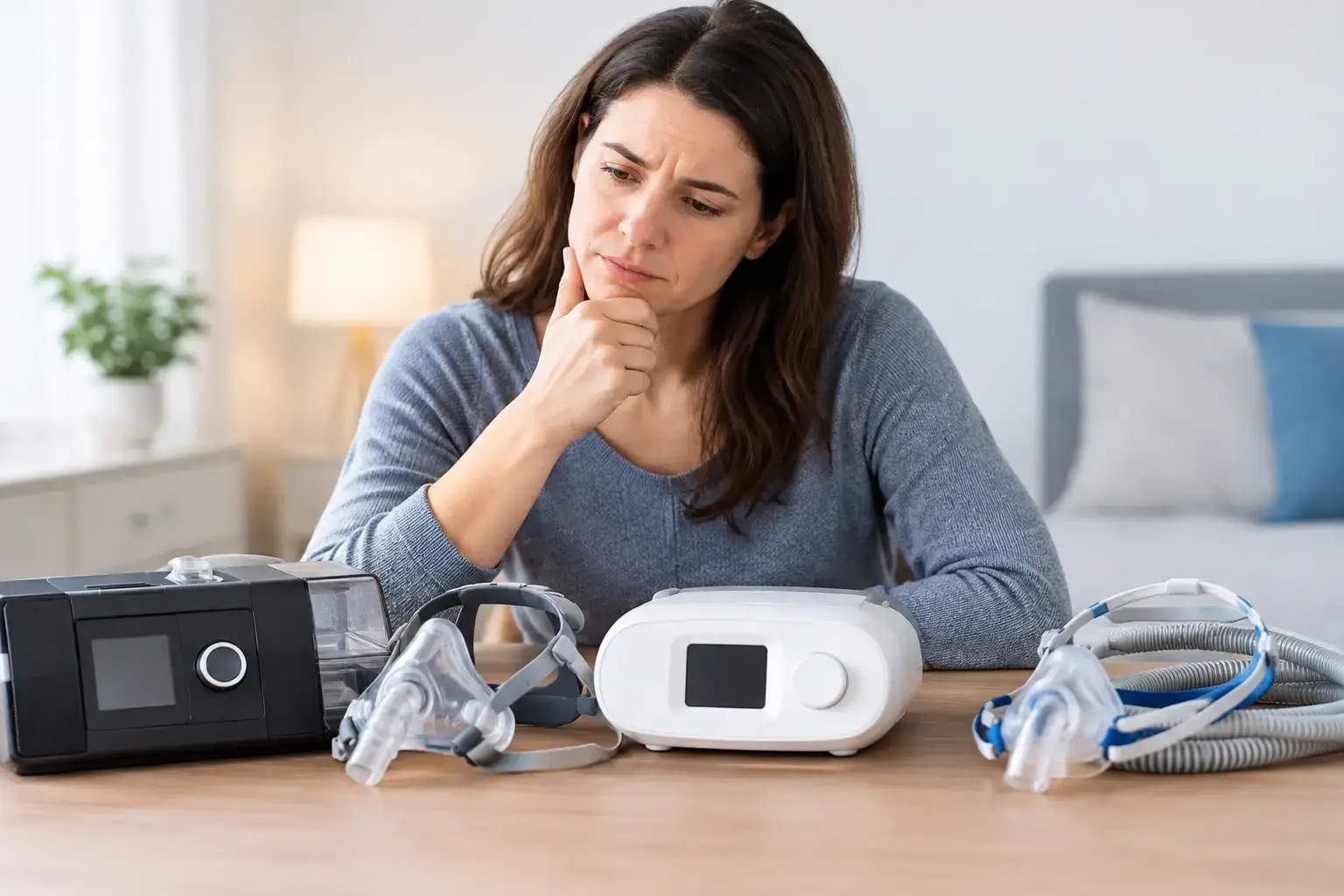
A dry mouth, noisy leaks, and a therapy report full of lost pressure can make CPAP feel harder than it should. The best CPAP chin straps can help some nasal-mask users keep their jaw from dropping open during sleep, but they are not a one-size-fits-all fix. Buy the wrong style or tighten it too much, and you may trade one problem for jaw pain, skin marks, or an even worse night of sleep.
A chin strap is a simple accessory, but choosing one deserves more than grabbing the cheapest option. Your mask type, sleeping position, facial shape, and the reason you are leaking all matter. Here is how to tell whether a chin strap is likely to help and what separates a useful one from an expensive drawer accessory.
When a CPAP Chin Strap Can Actually Help
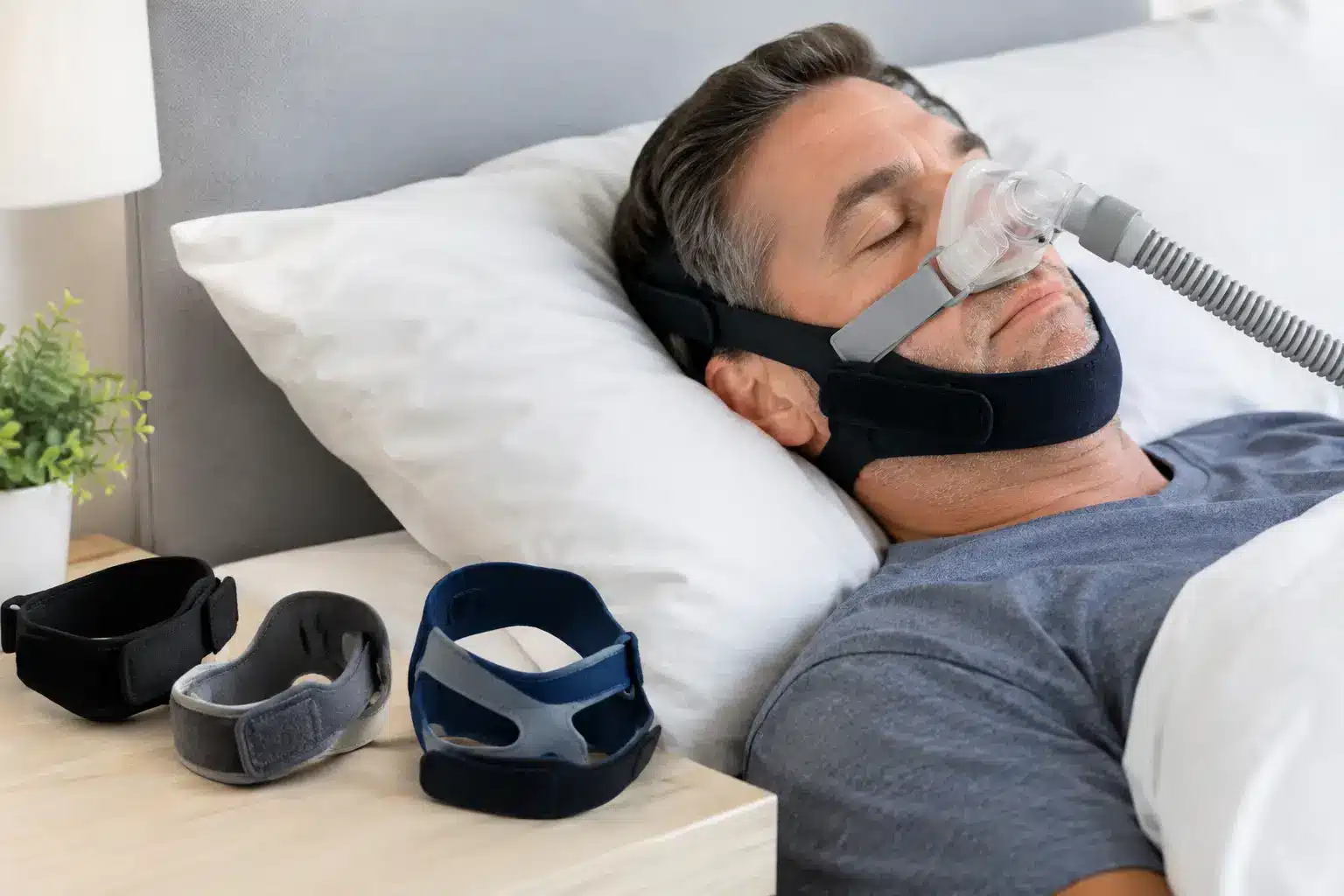
A chin strap is designed to provide gentle upward support under the chin. It can reduce the tendency for the jaw to fall open while you sleep. That makes it most useful for people who use a nasal mask or nasal pillow mask and breathe through their mouth after falling asleep.
Common signs include waking with a very dry mouth, hearing air rush out of your mouth, or seeing large leaks in your CPAP data despite a mask that seems to fit properly. A bed partner may also notice that you begin the night with your mouth closed but open it once you are deeply asleep.
There is one important distinction: a chin strap supports the jaw. It does not seal the lips shut, and it does not treat a blocked nose. If congestion, allergies, a deviated septum, or inadequate humidification is forcing you to breathe through your mouth, a strap may not solve the root issue. In that situation, adjusting humidity, treating nasal congestion with guidance from your clinician, or considering a full-face mask may be the better answer.
Do not let anyone sell you a chin strap as a cure for sleep apnea. Your CPAP machine and properly fitted mask deliver the treatment. The strap is only an accessory that may make that treatment more comfortable and effective for the right person.
Best CPAP Chin Straps: Features That Matter Most
The best CPAP chin straps do not need to be complicated. They need to be comfortable enough to wear consistently and supportive enough to keep your jaw in a natural closed position without pulling it backward.
A broad, stable chin cup
Look for a soft, shaped section that sits under the chin rather than a narrow band that cuts into it. A wider chin cup spreads pressure across more area and is less likely to slide forward or create a sore spot by morning. It should support your jaw upward, not push it back toward your throat.
Some straps use a thin single band. These can work for mild mouth opening, especially for someone who wants minimal material on their face. For frequent or more pronounced mouth leak, a broader chin cup or cradle design is usually more stable.
Adjustable support, not maximum tightness
A strap should have enough adjustment range to fit securely without being cranked down. If you have to pull it very tight to keep it in place, the style is probably not right for you.
Overtightening can cause jaw soreness, headaches, tooth discomfort, or pressure lines. It can also shift your nasal mask, creating the very leaks you are trying to prevent. The goal is gentle support. You should still be able to open your mouth if you need to cough, speak, or take a drink of water.
Materials that work with your skin and mask
Soft fabric, breathable mesh, and smooth seams matter more than flashy packaging. A chin strap sits against delicate facial skin for hours at a time, often in a warm environment. Rough stitching, stiff edges, or poorly placed Velcro can cause irritation quickly.
If you have sensitive skin, look for a washable strap with covered seams and avoid designs that place scratchy fasteners directly against your cheek or scalp. Regular washing is not optional. Facial oils, moisturizer, and sweat break down materials and can make the strap slip or irritate your skin.
A design that stays put in your sleep position
Side sleepers often need a strap with a more secure overhead design because the pillow can push a simple band out of place. Back sleepers may do well with a lighter, less structured strap. If you toss and turn, a multi-point design that distributes support across the crown of the head may be worth the extra material.
The trade-off is simple: more coverage often means better stability, but it can also mean more warmth and more straps to manage alongside your CPAP headgear. The right choice is the one you can comfortably wear all night.
Three Chin Strap Styles to Compare
A basic single-band strap is the lightest option. It runs beneath the chin and over the top or back of the head. It may be enough for mild jaw drop, but it can migrate during the night and may create pressure on a small area.
A chin-cup strap has a wider pouch or cradle beneath the chin. This is often a better choice when the jaw opens more noticeably or when a narrow band feels uncomfortable. It provides more even support, though some users find the extra fabric warm.
A multi-strap or cap-style design uses additional bands over the head to keep the chin cup from slipping. These are often the most secure choice for active sleepers, but fit is critical. If the cap-style strap interferes with your mask headgear, it may cause more frustration than it solves.
There is no universal winner. A person with a nasal pillow mask, short hair, and mild mouth leak may prefer a minimal strap. Someone with a traditional nasal mask, frequent leak alerts, and a side-sleeping habit may need a more stable chin-cup design.
Check Your Mask Before You Blame Your Mouth
Mouth leak is real, but not every large-leak reading comes from an open mouth. A mask cushion that is worn out, over-tightened, improperly sized, or shifted by your pillow can leak heavily. So can tubing tugging on the mask when you turn over.
Before adding a chin strap, inspect the cushion for stiffness, discoloration, tears, or loss of shape. Clean it according to its instructions, check the headgear tension, and put the mask on while lying in your normal sleeping position. A fit that feels fine while sitting up can fail the moment your face relaxes on a pillow.
If you wear a full-face mask, a chin strap is less commonly needed because the mask already covers both the nose and mouth. It may still help some people with jaw drop, but it should not be your first move. A full-face mask leak usually calls for a fit assessment first.
How to Fit a Chin Strap Without Making Therapy Worse
Put on your CPAP mask first, then position the chin strap so it does not lift the mask cushion or block the mask frame. Start with the strap looser than you think you need. Turn on your machine, lie down, and allow the pressure to build.
If your mouth stays comfortably closed and you can breathe easily through your nose, leave it there. If you still feel air escaping from your lips, make a small adjustment. One small change at a time is the safest way to find the right tension.
Give a new strap several nights before judging it. The first night may feel unfamiliar simply because you are aware of it. But do not push through significant pain, numbness, increased jaw clicking, skin breakdown, or a sense that you cannot breathe freely. Stop using it and ask a qualified CPAP clinician to review your setup.
Protect Yourself From the Wrong Purchase
A chin strap should be an affordable comfort accessory, not a mystery item with vague promises. Confirm that it is compatible with your mask setup, has clear care instructions, and can be adjusted to your head size. If you can, have a clinician check the fit with your actual mask in place.
Be cautious with products that promise to eliminate every leak, cure snoring, or replace proper CPAP therapy. Also avoid using tape or restrictive methods to force your mouth closed without medical guidance, especially if you have nasal obstruction, nausea risk, chronic lung disease, or concerns about vomiting during sleep.
The right chin strap feels almost uneventful: your mouth stays comfortably closed, your mask remains stable, and you wake up without a dry mouth or sore jaw. If your setup still feels like a nightly battle, ask for a hands-on mask and therapy review. Sometimes the most effective accessory is not another product – it is a better-fitting plan for the way you actually sleep.