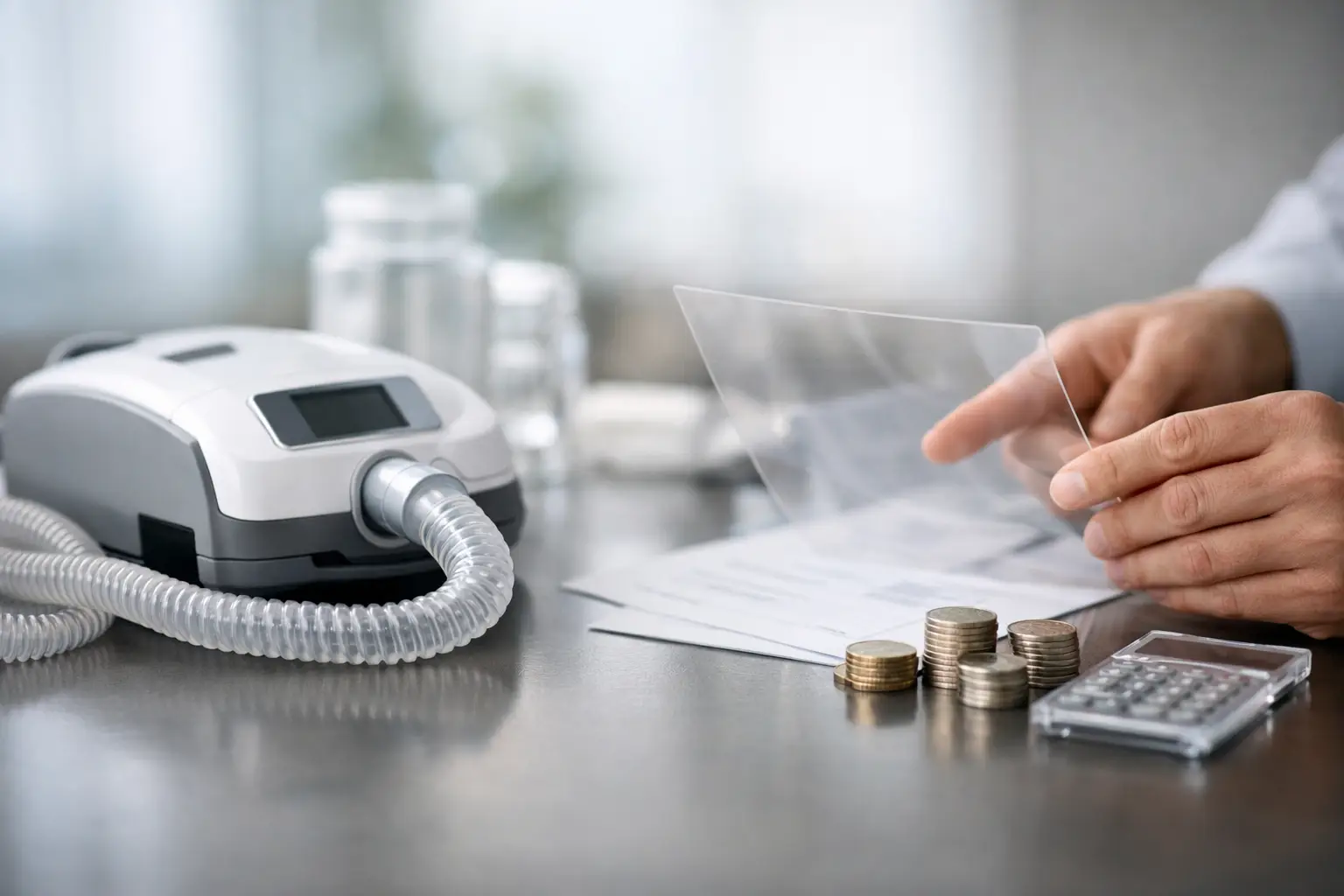
A CPAP prescription should lead to better sleep, not a confusing bill. Transparent CPAP pricing means you can see what your machine, mask, setup, and ongoing support cost before you commit – without discovering extra charges when it is time to pick up your equipment.
For many people newly diagnosed with sleep apnea, the pressure starts fast. You may be tired, worried about your health, and trying to understand insurance coverage at the same time. That is exactly when hidden setup fees, vague package prices, and rushed equipment decisions can cost you more than they should.
What Transparent CPAP Pricing Should Include
A low advertised price is not always a low final price. Some providers promote the cost of a CPAP machine, then add separate charges for programming, mask fitting, education, delivery, data downloads, or follow-up support. Those services matter, especially during your first weeks of therapy. They should not be a surprise.
A clear CPAP quote should identify the exact equipment being provided and the services included with it. That usually means the machine model, humidifier if applicable, mask type, tubing, filters, and any required power accessories. It should also show whether setup, pressure programming, fitting, education, delivery, and insurance billing are included or billed separately.
Ask for the total out-of-pocket amount, not just the price of one item. If insurance is involved, ask what is being billed, what your plan is expected to cover, and what you may owe after your claim is processed. Coverage varies by plan, deductible, and equipment allowance, so no provider can honestly promise the same final amount for every patient before reviewing the details.
The Fees Patients Often Miss
Not every extra charge is inappropriate. A specialized accessory, a replacement part, or a home visit outside a standard service area may carry an additional cost. The problem is not a legitimate charge. The problem is finding out about it after you have already made a decision.
Before choosing a supplier, make sure you understand whether these common costs are included:
- CPAP setup and pressure programming
- Mask fitting and hands-on instruction
- Delivery or home visit fees
- Insurance claim submission and follow-up
- Therapy data downloads and ongoing clinical guidance
If a provider cannot explain these costs plainly, pause before signing anything. You deserve a direct answer about what you are receiving and what you will pay.
Setup Fees Deserve a Straight Answer
Setup is not a minor detail. A CPAP machine needs to be configured according to your prescription, and you need to know how to use the humidifier, clean the equipment, place the mask, and respond to common comfort issues. A poor first setup can make treatment feel harder than it needs to be.
Some companies treat setup as an add-on. Others include it as part of patient care. When comparing prices, confirm this in writing or ask for it on your invoice. A slightly higher equipment quote that includes clinical setup and personal guidance may be a better value than a lower quote that leaves you to figure everything out alone.
Comparing CPAP Prices the Right Way
Comparing CPAP pricing is not just about choosing the cheapest machine. The right machine depends on your prescription, comfort needs, sleep habits, and clinician recommendations. Auto-adjusting machines, fixed-pressure machines, travel models, and bilevel devices do not serve the same purpose and should not be compared as though they do.
Start by comparing like for like. If one quote includes an auto-adjusting CPAP with a heated humidifier and another lists only a base unit, the difference may be reasonable. The same goes for masks. A full-face mask, nasal mask, and nasal pillow mask are different products with different fit considerations. The best mask is the one you can wear consistently, not simply the least expensive one on the shelf.
Then compare the care behind the equipment. Will someone help you select and fit a mask? Can you get support when you develop a leak, dry mouth, or pressure discomfort? Can the provider review therapy data if you are struggling? These services can make a real difference in whether you continue using CPAP every night.
At CPAP One-Stop, the approach is simple: patients should know the cost upfront and receive personal support without being pushed into unnecessary fees. Equipment matters, but so does having a real person available to help you make therapy work.
Insurance Billing Should Not Be a Mystery
Insurance can reduce your out-of-pocket cost, but it can also create confusion when patients are not told how a claim will be handled. Direct billing can save time and reduce the amount you need to pay upfront, provided your plan supports it and eligibility is confirmed.
Before equipment is dispensed, ask the provider to explain the billing process in plain language. Find out whether they will verify coverage, submit the claim directly, and tell you about any expected balance. If your plan has a deductible, annual maximum, or specific approved equipment list, that can affect your final cost.
Deferred billing can also be helpful when claim processing takes time. The key is clarity. You should understand whether you are responsible for a deposit, when any remaining balance is due, and what happens if an insurer pays less than expected. A trustworthy provider does not bury those answers in fine print.
Do Not Let Insurance Decide Your Mask Fit
Insurance coverage is part of the purchase, but it should not replace clinical judgment. If a mask is uncomfortable or leaks badly, it may lead to poor therapy use, even if it was the easiest option to bill. Ask about mask fitting, exchange policies, and the support available if your first choice is not working.
The same is true for machine selection. Your prescription and medical needs come first. A good provider helps you understand which equipment is appropriate, what is covered, and whether there are meaningful differences in your out-of-pocket cost. That is much better than being handed a box with little explanation.
The Ongoing Cost of CPAP Therapy
A CPAP machine is not a one-time consideration. Masks, cushions, filters, tubing, and water chambers wear out over time. Planning for replacement supplies helps protect both comfort and treatment quality.
You do not need to replace every component on the same schedule. It depends on the item, how often you use it, how you clean it, and when it begins to show wear. A mask cushion that no longer seals well can cause air leaks. A dirty filter can affect airflow. Old tubing may become difficult to keep clean or develop damage.
Ask for transparent pricing on supplies before you need them. It is also reasonable to ask whether your insurance plan covers replacement accessories and whether the provider can help keep you on track without sending unwanted products or surprise bills. Resupply should support your therapy, not create pressure to buy more than you need.
Questions to Ask Before You Buy
A few direct questions can protect you from an expensive and frustrating experience. Ask, “What is my total cost today?” Then ask, “What services are included in that price?” If insurance is being billed, ask, “What is my estimated responsibility after coverage, and how will you notify me if that changes?”
Also ask who will support you after pickup or delivery. A provider that offers a low price but no accessible help may not be the best choice for a first-time user. On the other hand, do not assume every service is needed forever. If you are an experienced CPAP user replacing a machine and already know your preferred mask, you may value speed and price most. The right balance depends on your situation.
Clear pricing is a sign of respect. When you can see the full cost, understand your insurance options, and get the support you need, you can focus on the reason you started CPAP therapy in the first place: sleeping better, breathing easier, and feeling more like yourself each morning.
Leave a Reply