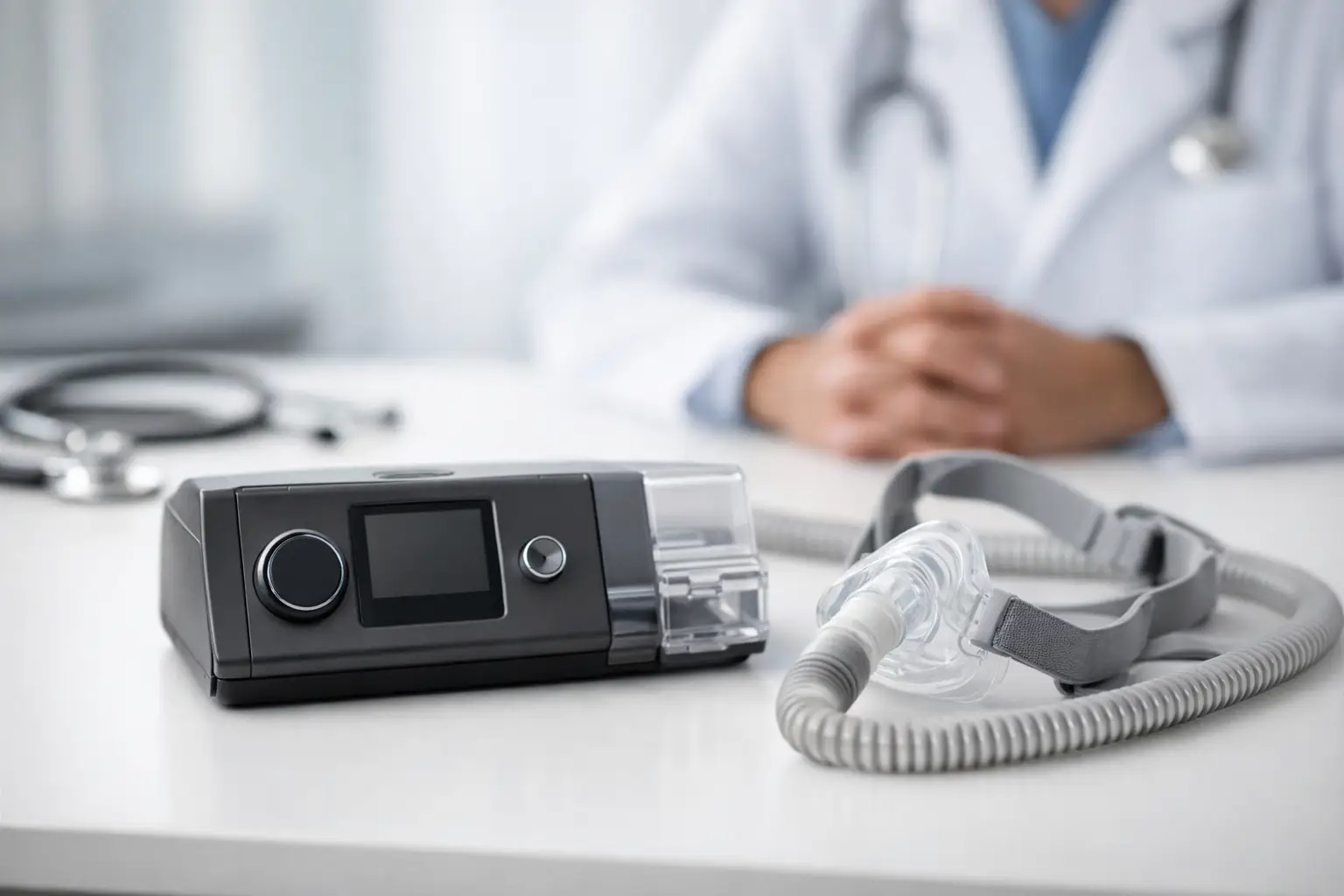
If you are asking, “are CPAP machines prescription required?” the short answer in the United States is yes. A CPAP machine is prescription medical equipment, not an over-the-counter sleep aid. That rule may feel like one more hurdle when you are exhausted, snoring loudly, or worried about your breathing at night. But the prescription is there for a reason: your therapy must match your diagnosis, pressure needs, and health situation.
The good news is that getting started does not have to mean weeks of confusion, surprise charges, or being handed a box with no real instruction. A proper CPAP provider should help you understand what your prescription says, choose equipment that fits your lifestyle, and make sure you know how to use it before your first night.
Are CPAP Machines Prescription Required in the U.S.?
Yes. The U.S. Food and Drug Administration classifies CPAP and Auto CPAP machines as prescription devices. Whether you buy from a local medical equipment provider or an online retailer, you should expect to provide a valid prescription before receiving a machine.
This includes standard CPAP machines, which deliver one fixed pressure, and Auto CPAP machines, often called APAP machines, which adjust pressure within a prescribed range as you sleep. Travel CPAP devices also require a prescription. A smaller machine is still medical equipment, so do not let a website or sales pitch suggest otherwise.
Be cautious with products marketed as “no prescription” solutions for snoring. Some may be legitimate comfort products, such as nasal strips or positional pillows. They are not CPAP therapy, and they do not treat obstructive sleep apnea the way a properly prescribed machine can.
Why a Prescription Matters
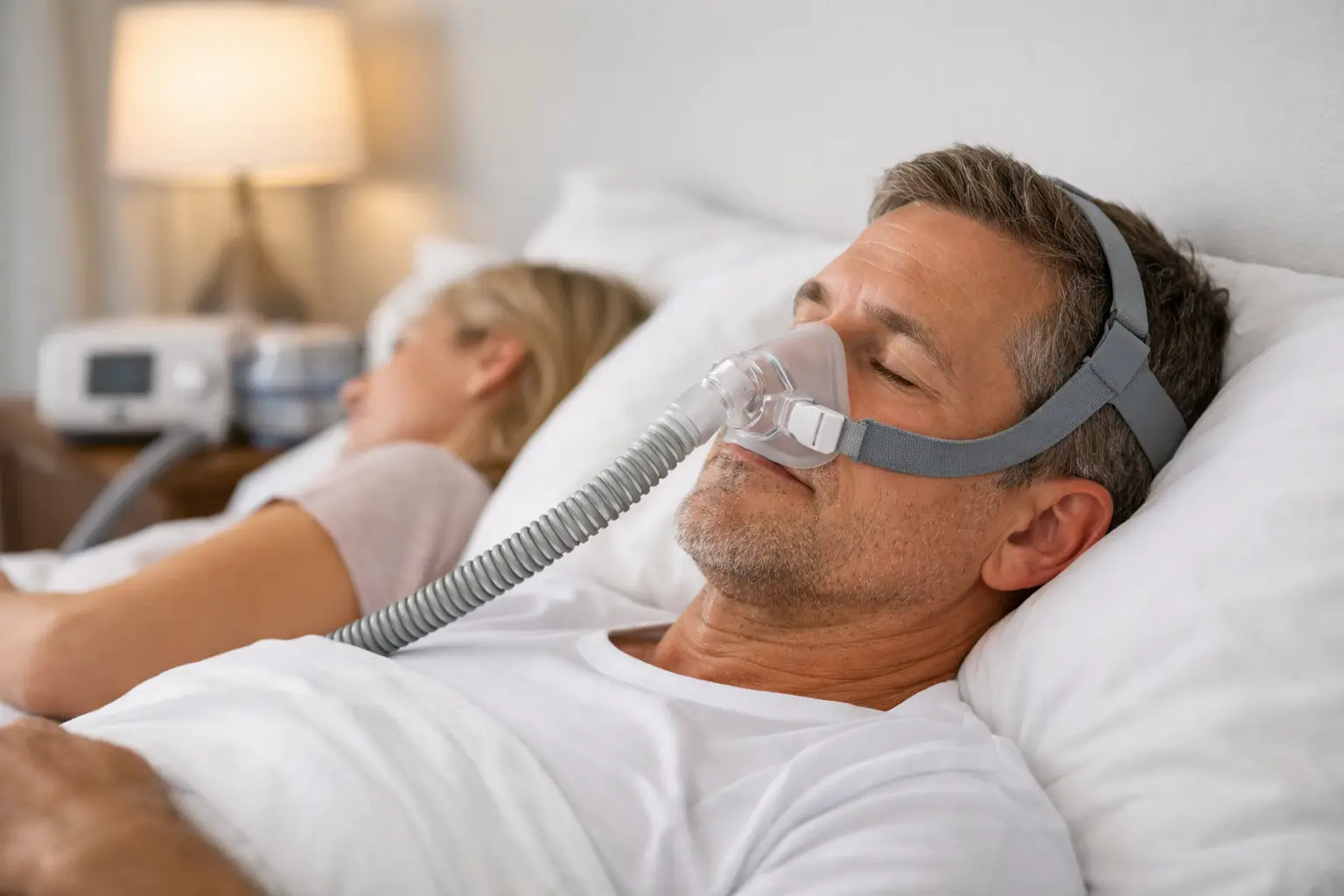
CPAP therapy works by keeping your airway open while you sleep. The amount of pressure needed can vary significantly from person to person. Too little pressure may leave apnea events untreated. Settings that are not appropriate for you can also make therapy uncomfortable, increase leaks, or cause you to give up before you have had a fair chance to adjust.
A prescription gives the equipment provider clear direction. It confirms that a licensed clinician has evaluated your sleep-related breathing condition and has ordered treatment. It also identifies the type of device and, in most cases, the pressure setting or pressure range to use.
For many people, the prescription is based on a sleep study. That study may happen in a sleep lab or through a qualified home sleep test, depending on your symptoms, medical history, and clinician’s recommendation. If your doctor believes CPAP is appropriate, they can write the order after reviewing the results.
A prescription does not mean every detail is locked in forever. Masks are personal. One person may sleep comfortably with nasal pillows, while another needs a full-face mask because of mouth breathing or nasal congestion. Your clinician’s order guides the therapy, while a knowledgeable provider helps you find the mask, humidification, and comfort features that make treatment realistic night after night.
What Your CPAP Prescription Should Include
Your provider may accept a prescription printed from a doctor’s office, delivered by secure electronic system, or sent by fax. The exact format can vary, but a complete prescription typically includes your name, the prescribing clinician’s information, the device ordered, and the prescribed pressure or Auto CPAP range. It should also include the clinician’s signature and date.
The order may list related supplies, such as a mask, heated tubing, humidifier chamber, filters, and replacement cushions. If something is missing, a responsible provider should contact the prescriber for clarification instead of guessing at your settings.
Do not feel pressured to accept vague answers about what you are purchasing. Ask whether the quoted price includes the machine, humidifier if applicable, tubing, setup, mask fitting, and education. Low advertised prices can become expensive when essential services and accessories appear later as separate fees. Clear pricing is not a bonus. It is what patients deserve.
Can You Use an Existing Prescription?
Often, yes. If you already use CPAP and your prescription is still valid, you may be able to use it when replacing an older machine or purchasing a travel device. Rules and retailer policies vary, especially if the prescription is several years old, does not list a pressure range, or no longer reflects your current treatment plan.
A new prescription may be needed if your medical condition has changed, your therapy data shows ongoing problems, or your clinician wants to adjust your pressure. This is especially common after significant weight changes, surgery, new heart or lung concerns, or persistent daytime sleepiness despite regular CPAP use.
If you have an older machine, do not assume you need to start from zero. A provider can often review your prescription and therapy information, then explain whether your current settings and equipment still make sense. That is far better than buying a machine based only on a flashy feature list.
Does Insurance Require More Than a Prescription?
Usually, yes. Your prescription is essential, but insurance companies often require additional documentation before they will cover a CPAP machine or supplies. That may include a qualifying sleep study, office notes confirming obstructive sleep apnea, and documentation showing that you are using the machine consistently.
Many plans have compliance requirements during the first months of treatment. A common standard is using the machine for at least four hours a night on a set percentage of nights, though your exact plan may differ. The machine records usage data, which can be reviewed when required.
This is where hands-on support matters. If your mask leaks, your mouth feels dry, or you keep removing the mask in your sleep, waiting until an insurance deadline is a costly mistake. Early fitting help and machine education can make the difference between successful treatment and a frustrating return to untreated sleep apnea.
Before agreeing to any purchase, ask your provider to explain your out-of-pocket cost, whether they can bill insurance directly, and what paperwork remains your responsibility. If insurance coverage is limited or delayed, ask about self-pay pricing and payment options. You should never be left guessing about a bill after the equipment is already in your home.
Do You Need a Prescription for CPAP Masks and Supplies?
It depends on the item and the seller’s policies. Many CPAP suppliers require a prescription on file for masks and other therapy components because they are used with prescription treatment equipment. Some basic replacement items, such as filters or certain comfort accessories, may be easier to purchase without submitting a new order.
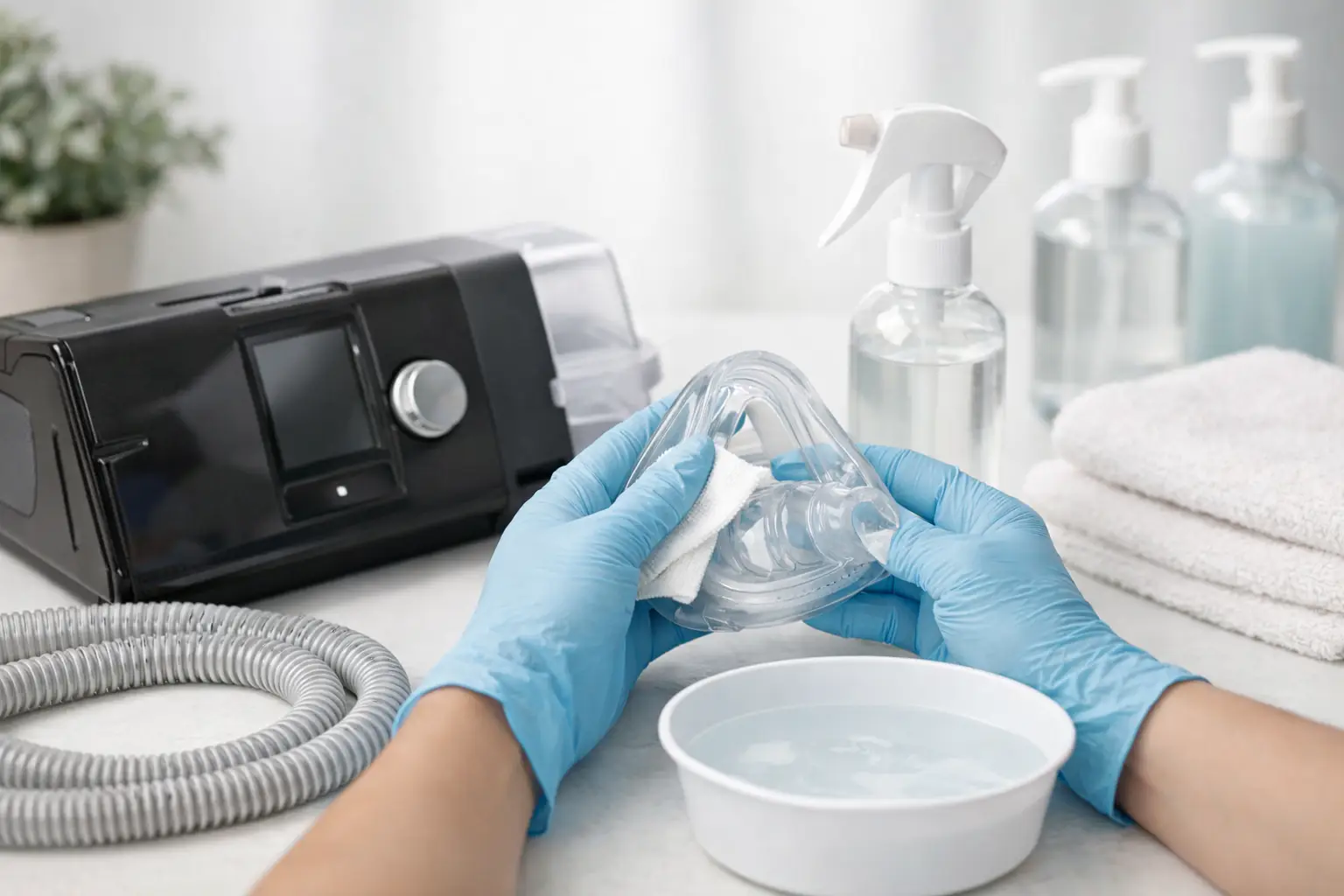
Even when a prescription is not requested for a small accessory, it is smart to use components compatible with your machine and mask. An ill-fitting cushion or incorrect tubing connection can create leaks, noise, and poor treatment results. Replacement schedules also vary based on your insurance plan and how quickly your equipment wears.
Do not replace supplies just because a generic schedule tells you to. Replace them when they no longer seal properly, are damaged, cannot be cleaned effectively, or are due under your coverage. A clinician-guided review can prevent waste while keeping your treatment comfortable.
How to Get a CPAP Prescription Without the Runaround
Start with your primary care clinician or a sleep medicine provider. Describe your symptoms clearly: loud snoring, pauses in breathing witnessed by a partner, gasping awake, morning headaches, daytime fatigue, or difficulty staying alert. Those details help determine whether a sleep evaluation is appropriate.
After testing and diagnosis, your clinician can write a prescription for CPAP or Auto CPAP therapy. Choose a provider that will review the order with you in plain language, program the prescribed settings, fit your mask, and remain available after you take the machine home. The machine matters, but the support behind it matters just as much.
You should not have to become a sleep therapy expert overnight. Bring your questions, ask for a clear price, and insist on help if the mask is uncomfortable. The right CPAP therapy can protect more than your sleep. It can help you wake up safer, sharper, and more like yourself again.
Leave a Reply