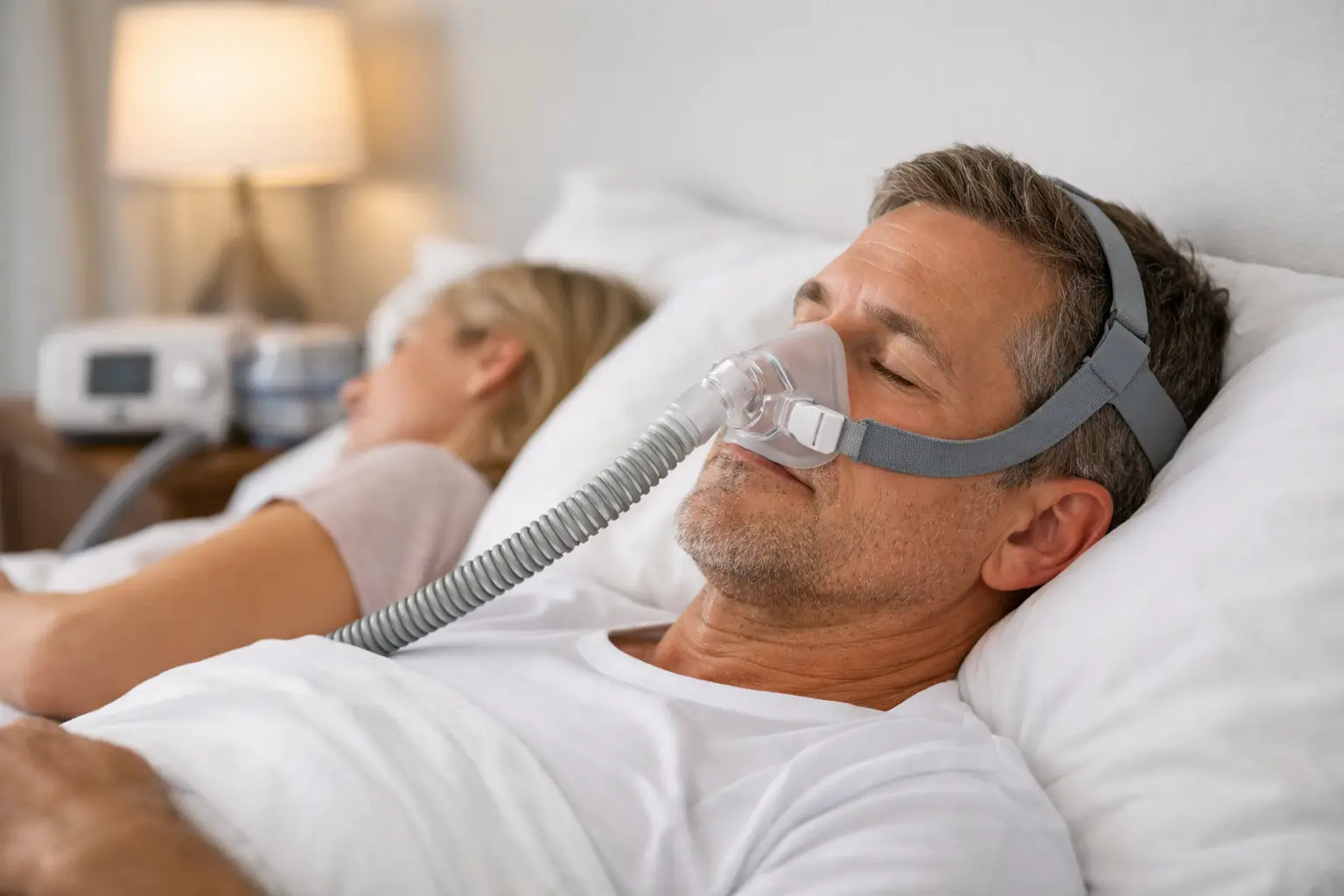
A partner may notice the snoring long before the person making it does. Then come the bigger clues: pauses in breathing, gasping, morning headaches, or falling asleep during a quiet afternoon. So, can CPAP treat snoring? Yes, often very effectively – but CPAP is not the right first answer for every person who snores.
CPAP therapy is designed to treat obstructive sleep apnea, a condition in which the airway repeatedly narrows or closes during sleep. Loud, disruptive snoring is one of its most common signs. When the real issue is apnea, properly adjusted CPAP can reduce or stop snoring from the first night while helping you breathe more consistently.
Can CPAP Treat Snoring Caused by Sleep Apnea?
It can. A CPAP machine delivers a gentle, steady stream of pressurized air through a mask. That airflow keeps the upper airway open while you sleep. Without those airway vibrations and partial blockages, the familiar rumbling snore often disappears.
This matters because sleep apnea is more than a noise problem. Repeated breathing interruptions can leave you exhausted even after a full night in bed. Untreated apnea is also associated with high blood pressure, heart strain, mood changes, concentration problems, and increased accident risk from daytime sleepiness.
For someone with diagnosed obstructive sleep apnea, CPAP is widely considered the most effective nonsurgical treatment. The goal is not simply a quieter bedroom. It is stable breathing, better-quality sleep, and a treatment plan you can actually use night after night.
CPAP is especially likely to help when snoring comes with witnessed pauses in breathing, choking or gasping during sleep, waking with a dry mouth, frequent nighttime bathroom trips, morning headaches, or persistent daytime fatigue. None of these signs proves you have sleep apnea, but they are good reasons to speak with a healthcare provider about a sleep assessment.
When CPAP May Not Be the Best Snoring Treatment
Not every snorer has sleep apnea. Some people snore only when sleeping on their back, after drinking alcohol, during allergy season, or when they have a cold. Others have nasal congestion, enlarged tonsils, jaw anatomy, or excess tissue in the throat that contributes to the sound without causing meaningful breathing disruptions.
In those cases, using CPAP without an evaluation may be unnecessary. You could be treating a sound while missing the actual cause, or paying for equipment you do not need. CPAP requires a prescription in the United States for a reason: pressure settings should be based on clinical information, not guesswork.
A clinician may recommend other approaches for primary snoring, depending on the cause. These can include changing sleep position, addressing nasal allergies, reducing alcohol close to bedtime, managing weight when appropriate, or considering a dental oral appliance. An oral appliance may also be an option for some people with mild to moderate obstructive sleep apnea, although it is not right for everyone.
The key distinction is simple: snoring can be harmless, but it can also be a warning sign. A sleep study helps tell the difference.
Why the Right CPAP Setup Makes a Difference
A CPAP machine can be highly effective on paper and still sit unused in a closet if the setup is uncomfortable. That is why a proper mask fitting and clear instruction matter from day one.
The mask is not one-size-fits-all. A nasal mask may work well for someone who naturally breathes through their nose. Nasal pillows can feel lighter and less confining for some users. A full-face mask can be a better choice for people who breathe through their mouth at night or deal with regular nasal blockage. The best option is the one that maintains a good seal without creating pressure marks, leaks, or a claustrophobic feeling.
Pressure comfort matters too. Many machines can gradually increase pressure as you fall asleep, and some adjust pressure automatically within a prescribed range. Heated humidification can reduce dryness in the nose, mouth, and throat. Small adjustments can make a major difference in whether treatment feels manageable.
Do not assume you need to tolerate constant leaks, a sore bridge of the nose, or air blowing into your eyes. Those are common setup problems, not signs that CPAP has failed. A mask may need a different cushion size, headgear adjustment, or a completely different style.
What to Expect After Starting CPAP
Some patients notice a quieter night immediately. Their partner may be the first to celebrate. Others need a few weeks to get comfortable sleeping with a mask and airflow.
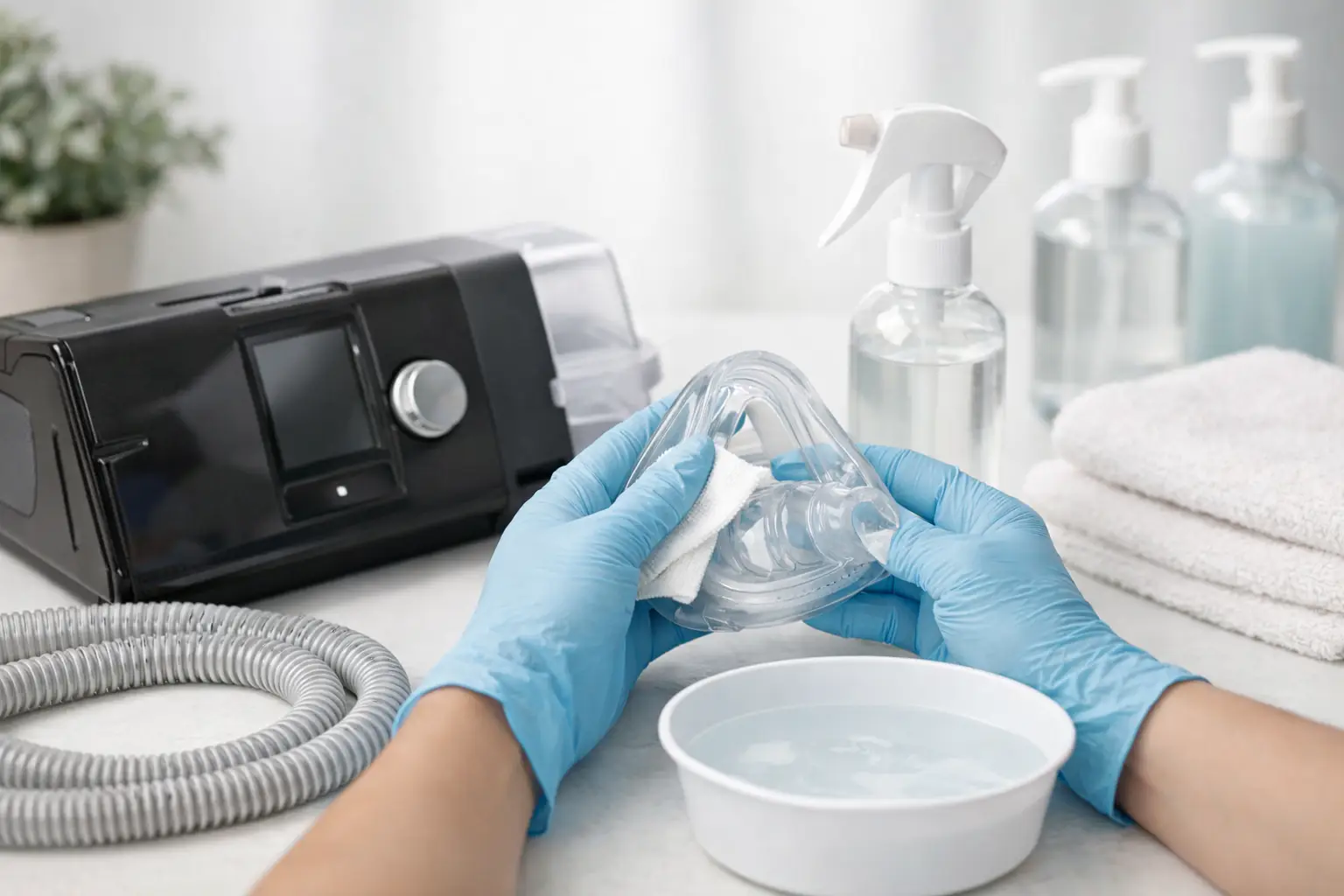
The first week is about building familiarity. Wear the mask while reading or watching television for a short period before bed. Use your machine every time you sleep, including naps, so your body does not have to relearn the routine. Clean the mask cushion regularly, since facial oils can cause leaks and irritation.
It is also worth setting realistic expectations. CPAP can stop snoring caused by airway collapse, but it will not automatically fix every cause of poor sleep. Leg movements, insomnia, pain, medication effects, and an irregular sleep schedule can still leave you tired. If you are using therapy consistently but do not feel better, your provider can review the data and help identify the next step.
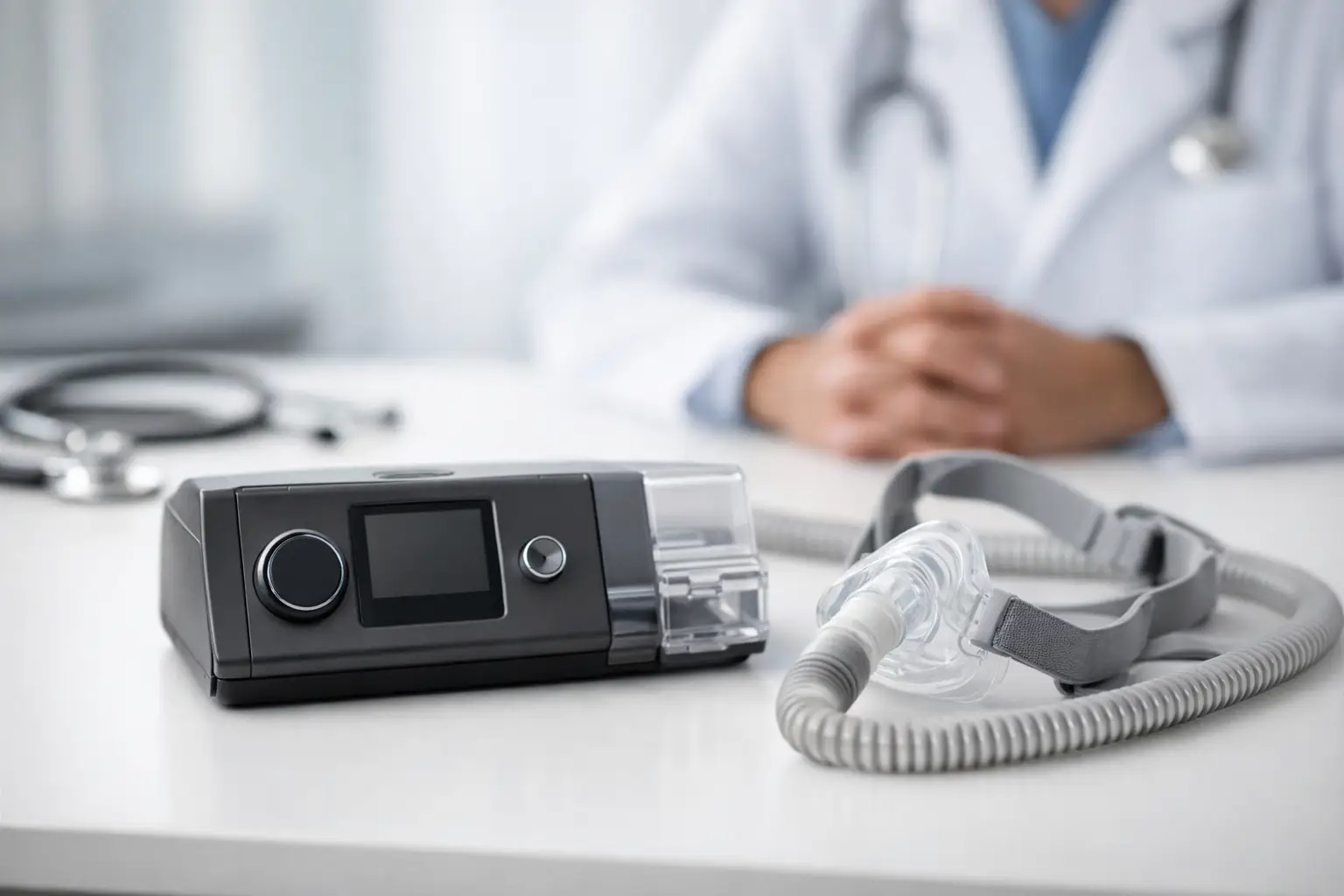
Modern CPAP machines record useful information, including usage time, mask leaks, and residual breathing events. A data download can show whether the pressure is working as intended or whether your equipment needs adjustment. That is far more useful than trying to judge success by snoring alone.
Common CPAP Concerns, Answered
“I only snore. Do I really need a sleep study?”
If the snoring is loud, persistent, or paired with fatigue, gasping, high blood pressure, or witnessed breathing pauses, a sleep study is a sensible next move. It provides answers before you commit to treatment. Even if apnea is not found, you can then focus on more appropriate snoring solutions.
“Will CPAP stop all snoring?”
When obstructive sleep apnea is the cause, CPAP often stops or greatly reduces snoring. But occasional noise can still happen if the mask leaks, the pressure is not optimized, you sleep without the machine, or nasal congestion affects airflow. Persistent snoring during regular CPAP use deserves follow-up.
“What if I cannot tolerate the mask?”
Do not give up after one bad night. Mask discomfort is one of the most fixable parts of therapy. A different mask type, humidifier setting, cushion size, or pressure feature can change the experience completely. Hands-on support is particularly valuable for first-time users who need more than a box and a quick instruction sheet.
“Can I buy a CPAP machine just for snoring?”
You should not self-prescribe CPAP for snoring. Start with a medical evaluation and a valid prescription if sleep apnea is diagnosed. That protects you from wasting money and helps ensure the machine, pressure, and mask are appropriate for your needs.
Get Answers Before You Spend Money on the Wrong Solution
Snoring products make big promises, from mouth tape to nasal devices to pillows that claim to reposition the airway. Some may help certain people, but none should replace an apnea evaluation when warning signs are present. The cheapest-looking solution can become expensive if it delays effective treatment.
If you have been diagnosed with sleep apnea, choose a provider that will explain your options, fit your mask properly, and stay available after setup. At CPAP One-Stop, that means practical, face-to-face help rather than unnecessary fees or confusion about what comes next.
A quiet room is nice. Waking up rested, breathing steadily, and knowing your treatment is working is better – and that starts with finding out why you snore in the first place.
Leave a Reply