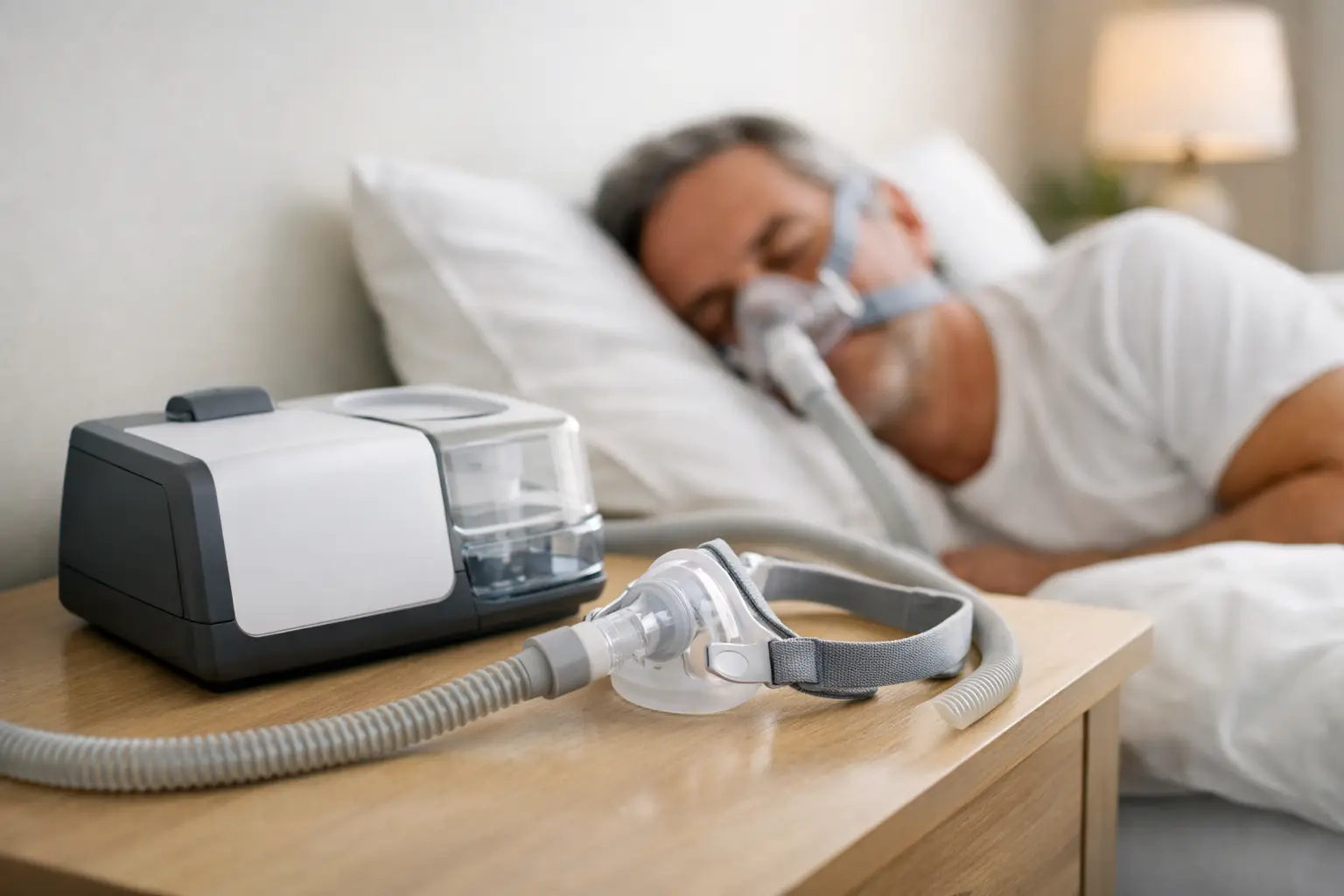
A sleep apnea machine for beginners should not feel like another problem to solve at the end of a long, exhausting day. It should feel like a practical tool that helps you breathe steadily, sleep more deeply, and wake up with more energy. The right machine matters, but so does the support behind it. A rushed setup or poorly fitted mask can make a good treatment feel impossible.
For most people with obstructive sleep apnea, the first machine is a CPAP, which uses gentle air pressure to keep the airway open while you sleep. It is not oxygen, and it does not breathe for you. It simply prevents the airway from collapsing when your throat muscles relax. That difference is reassuring for many first-time users.
What a Sleep Apnea Machine Actually Does
Sleep apnea causes repeated pauses or reductions in breathing during sleep. Those interruptions can lower oxygen levels, fragment sleep, and leave you tired even after spending enough hours in bed. Snoring, morning headaches, dry mouth, daytime sleepiness, and waking up gasping are common signs, although a sleep test is needed to diagnose the condition.
A CPAP machine sends pressurized room air through tubing and a mask. The pressure acts like a small air splint, holding the airway open so you can breathe normally through the night. When therapy is working well, many people notice fewer awakenings, less snoring, and better daytime alertness. Results can come quickly, but getting comfortable often takes a little patience.
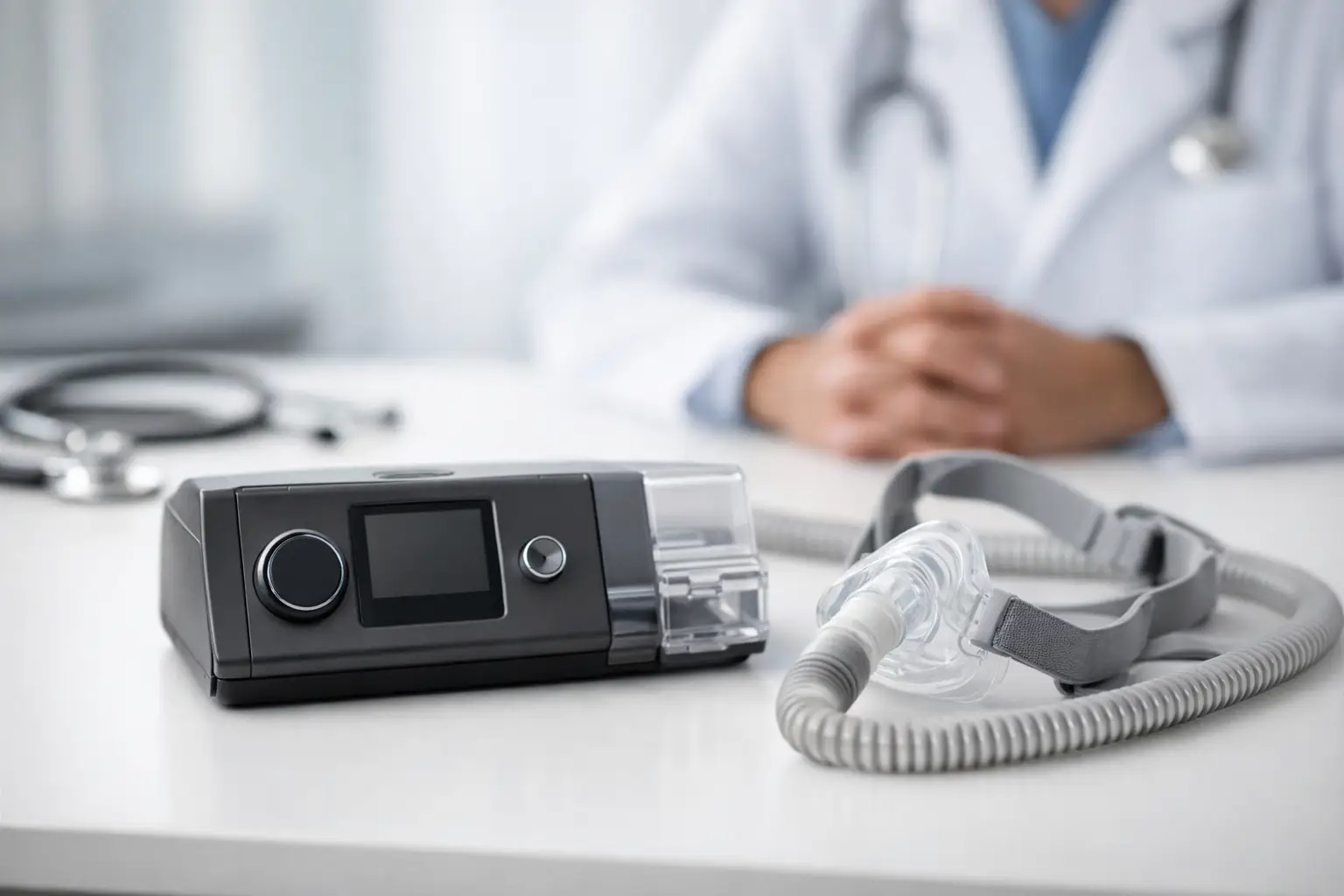
Your sleep physician or qualified clinician should determine the appropriate therapy and settings. Do not borrow a machine, use someone else’s settings, or buy a device based only on a friend’s recommendation. Sleep apnea treatment is personal, and the wrong pressure or machine type can leave symptoms untreated.
CPAP, APAP, and BiPAP: Know the Basic Differences
Beginners are often presented with several abbreviations at once. The names sound technical, but the practical differences are manageable.
A standard CPAP delivers one fixed pressure prescribed for the entire night. It is reliable, effective, and often a straightforward choice when testing has established the pressure you need.
An APAP, or automatic positive airway pressure machine, adjusts within a prescribed pressure range. It can increase pressure when your airway needs more support and lower it when less is needed. Many new users appreciate the flexibility, particularly if their pressure needs change with sleep position, nasal congestion, or different stages of sleep.
BiPAP delivers a higher pressure when you breathe in and a lower pressure when you breathe out. It is not automatically “better” than CPAP or APAP. It is commonly prescribed for specific clinical needs, such as difficulty tolerating higher CPAP pressures or certain respiratory conditions. It also tends to cost more, so it should be chosen because it is medically appropriate, not because it sounds more advanced.
The best sleep apnea machine for beginners is usually the one that matches the prescription, feels manageable at home, and comes with proper setup support. Features such as quiet operation, humidification, wireless therapy data, and an easy-to-read screen can make the adjustment period easier. They do not replace a correct diagnosis, pressure setting, or mask fit.
The Mask Is Often the Make-or-Break Decision
People commonly blame the machine when they are uncomfortable, but the mask is frequently the real issue. A mask that leaks, pinches, or makes you feel claustrophobic can interrupt sleep and make therapy harder to continue.
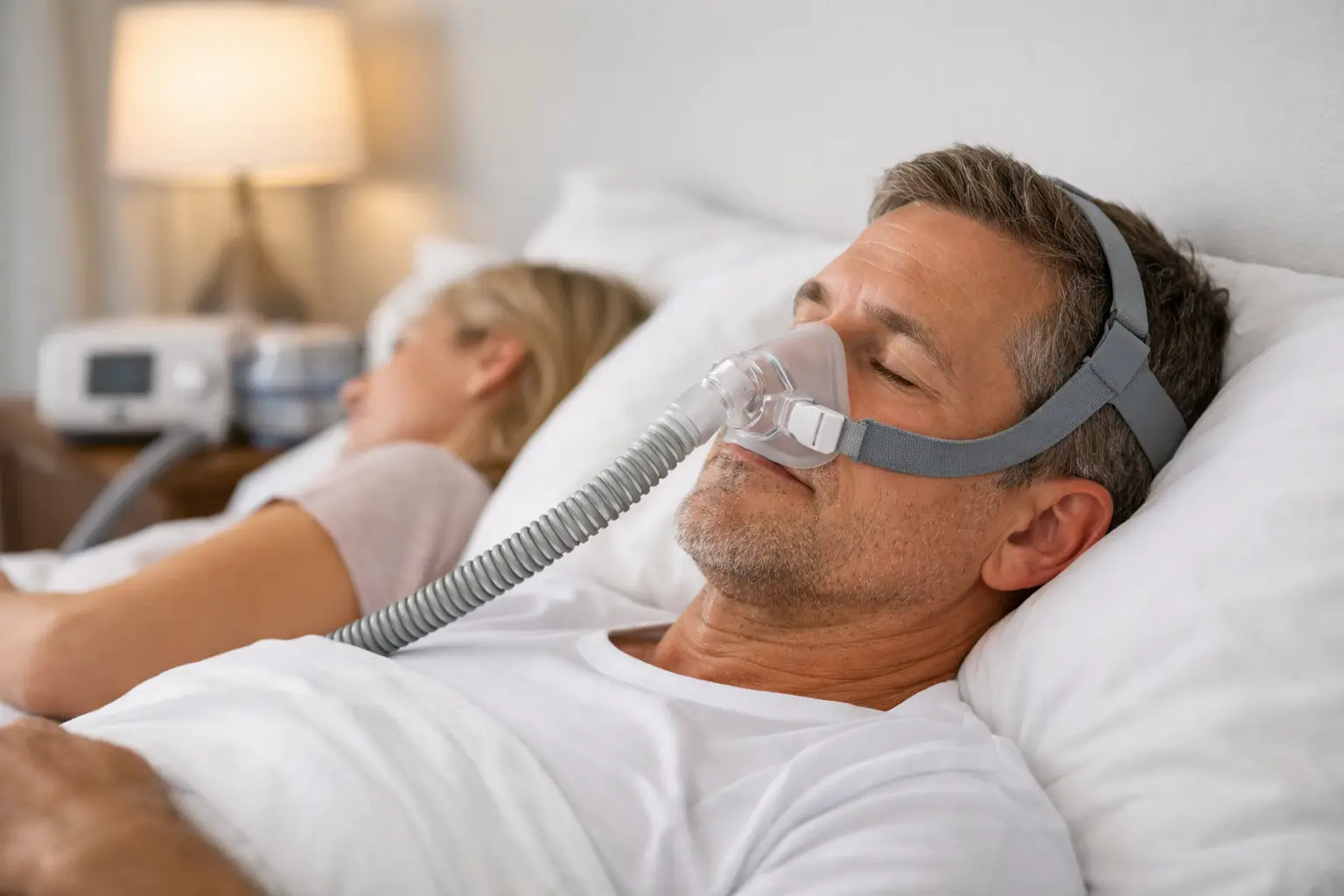
Nasal masks cover the nose and work well for many users who breathe primarily through their nose. Nasal pillow masks sit at the nostrils and are smaller and lighter, making them popular with people who read, wear glasses, or dislike a lot of facial coverage. Full-face masks cover the nose and mouth and can be a better choice for people who regularly breathe through their mouth, have significant nasal congestion, or cannot keep their mouth closed during sleep.
There is no universal best mask. A full-face mask may be the right answer for one person and completely wrong for another. Facial shape, beard or mustache, sleeping position, congestion, pressure level, and comfort preferences all matter. A proper fitting should include trying the mask while connected to airflow, not merely holding it against your face in a store.
Avoid tightening a mask until it hurts. Most modern masks are designed to create a seal with gentle contact and air pressure. Over-tightening can flatten the cushion, increase leaks, and leave red marks on your skin. If a leak wakes you up repeatedly, the answer may be a different cushion size, mask style, or adjustment rather than tighter straps.
Setup Features That Make the First Weeks Easier
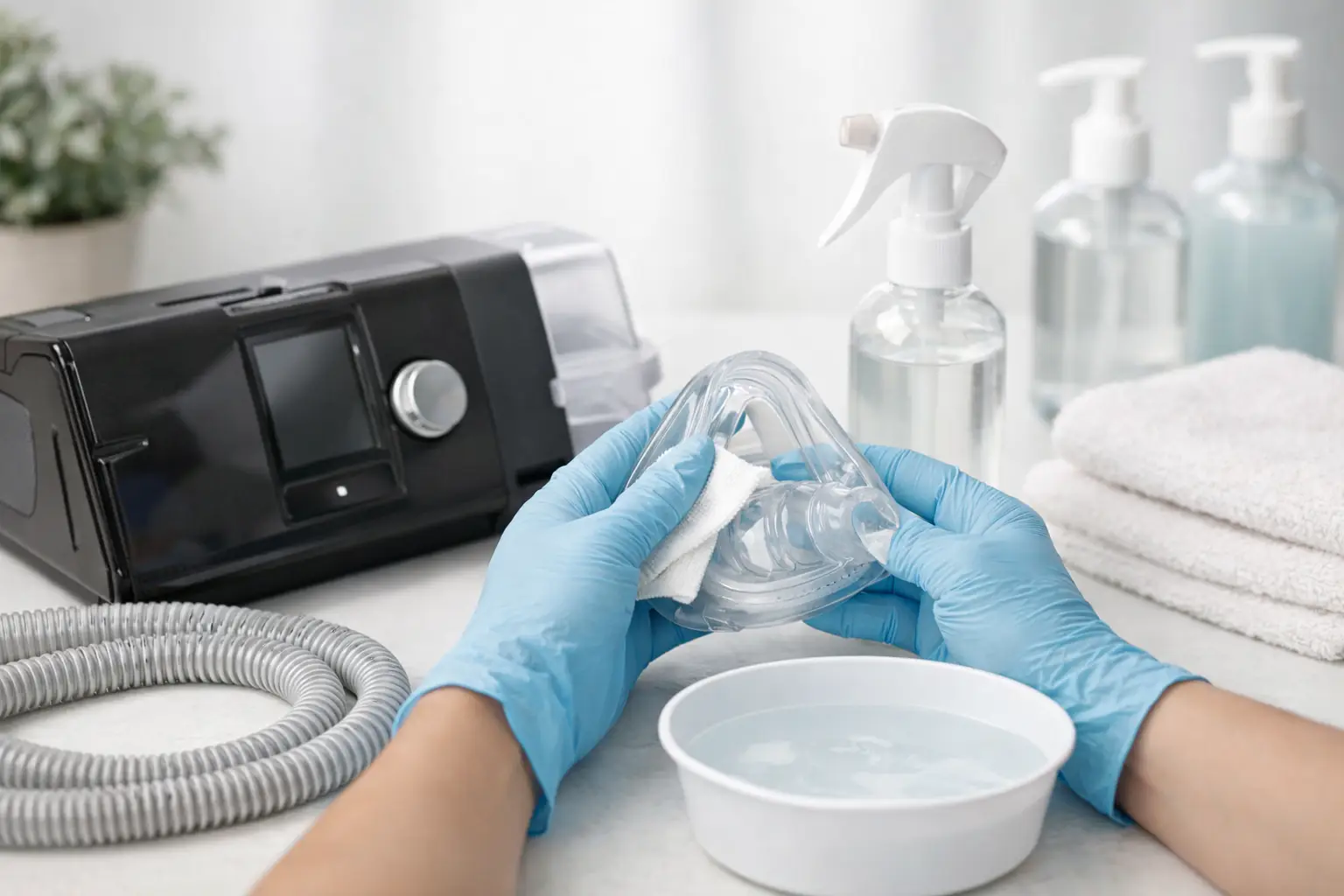
A machine can look intimidating on a bedside table, but the routine becomes simple once it is set up correctly. Place it on a stable surface slightly below mattress level, where the air filter stays clear of dust and the tubing can move freely. Keep water away from the electrical connection and follow the manufacturer’s instructions for cleaning and maintenance.
Heated humidification is one of the most useful comfort features for beginners. It adds moisture to the airflow and can reduce dry nose, dry throat, and nasal irritation. If you wake with water in the tube or mask, known as rainout, try lowering the humidifier setting, increasing the room temperature, or using heated tubing if it is appropriate for your machine.
A ramp feature starts at a lower pressure and gradually builds to your prescribed pressure after you fall asleep. Some people love it. Others feel they are not getting enough air at the beginning and prefer to turn it off or adjust it. Comfort settings are worth discussing with a clinician because a small change can make a meaningful difference.
Data tracking is also helpful, but do not become discouraged by one imperfect night. Most modern machines record usage, leak levels, and breathing events. A clinician can review the information to spot patterns and help solve problems. One night of mask leak does not mean treatment has failed. It means there is something specific to address.
What to Expect During Your First Month
The goal is not to use the machine perfectly on night one. The goal is to build a routine that becomes normal. Wear the mask for a few minutes while awake before bedtime. Sit in a comfortable chair, turn the machine on, and let yourself get used to breathing with the airflow. This can reduce anxiety when it is time to sleep.
Use therapy every time you sleep, including naps. Taking breaks can make it harder to establish the habit and can allow tiredness to return. If you remove the mask during the night, put it back on when you wake up. Even partial progress is better than abandoning therapy because the first few nights felt unfamiliar.
Common early problems have practical solutions. Dryness may improve with humidifier adjustments. A blocked nose may require speaking with your health care provider about safe options for congestion. Air leaks can often be fixed with a refit or different mask cushion. Feeling pressure when exhaling may improve with a comfort setting or a review of the prescribed therapy.
Call for help if you feel panicked with the mask, cannot tolerate the pressure, develop significant skin irritation, or continue to feel severely sleepy despite regular use. Do not quietly struggle for weeks. A provider that offers mask fitting, setup, data review, and clinician guidance can often correct a problem before it becomes a reason to quit.
Ask These Questions Before You Commit
Price matters, especially when you are buying equipment that requires ongoing supplies. But the lowest number on a machine is not always the lowest total cost. Ask whether setup, programming, mask fitting, delivery, follow-up support, and insurance paperwork are included. Unexpected setup fees and unclear billing are frustrating when you are already managing a new diagnosis.
Also ask how quickly you can get help if the mask is leaking, your settings need review, or you need replacement supplies. CPAP therapy is not a one-time purchase. Masks, cushions, filters, and tubing wear out over time, and responsive support can protect your comfort and your treatment results.
For patients who want hands-on care rather than a box shipped to the door, CPAP One-Stop focuses on personal setup, fitting support, insurance-friendly service, and clear pricing. That kind of help is especially valuable when you are learning what works for your sleep, your face, and your daily routine.
Your first machine does not have to be perfect on the first night. It needs to be properly prescribed, comfortably fitted, and backed by people who will help you make adjustments. Give yourself room to learn, speak up when something is not working, and keep moving toward the rested mornings you started treatment to achieve.
Leave a Reply