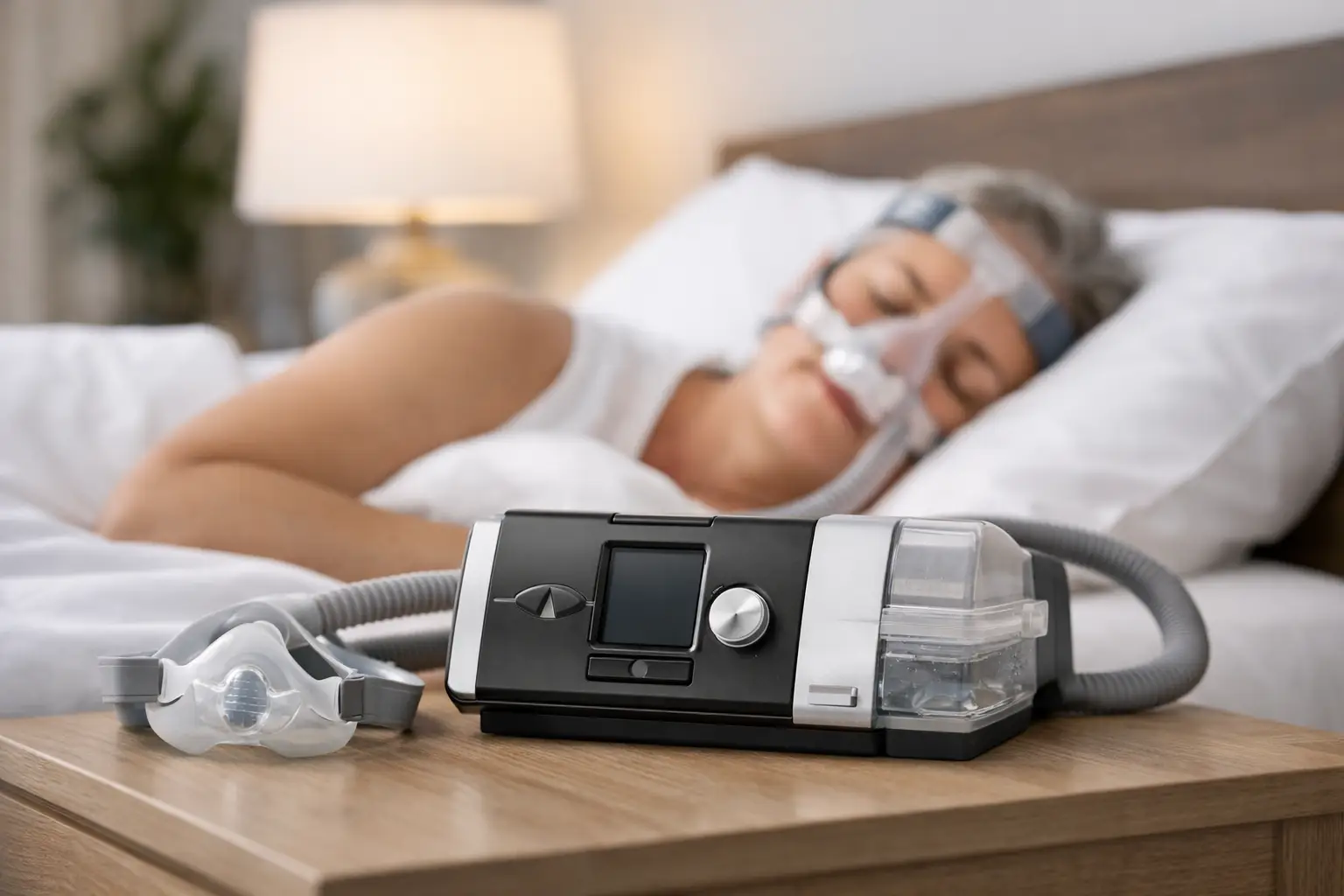
A CPAP machine is not just another appliance on the nightstand. It is the equipment that helps keep your airway open while you sleep, protects the quality of your rest, and can make a real difference in how you feel during the day. This CPAP machine buying guide cuts through the confusing features, pricing claims, and medical jargon so you can choose with confidence – without paying for services you should receive as part of proper care.
Start With Your Prescription, Not the Price Tag
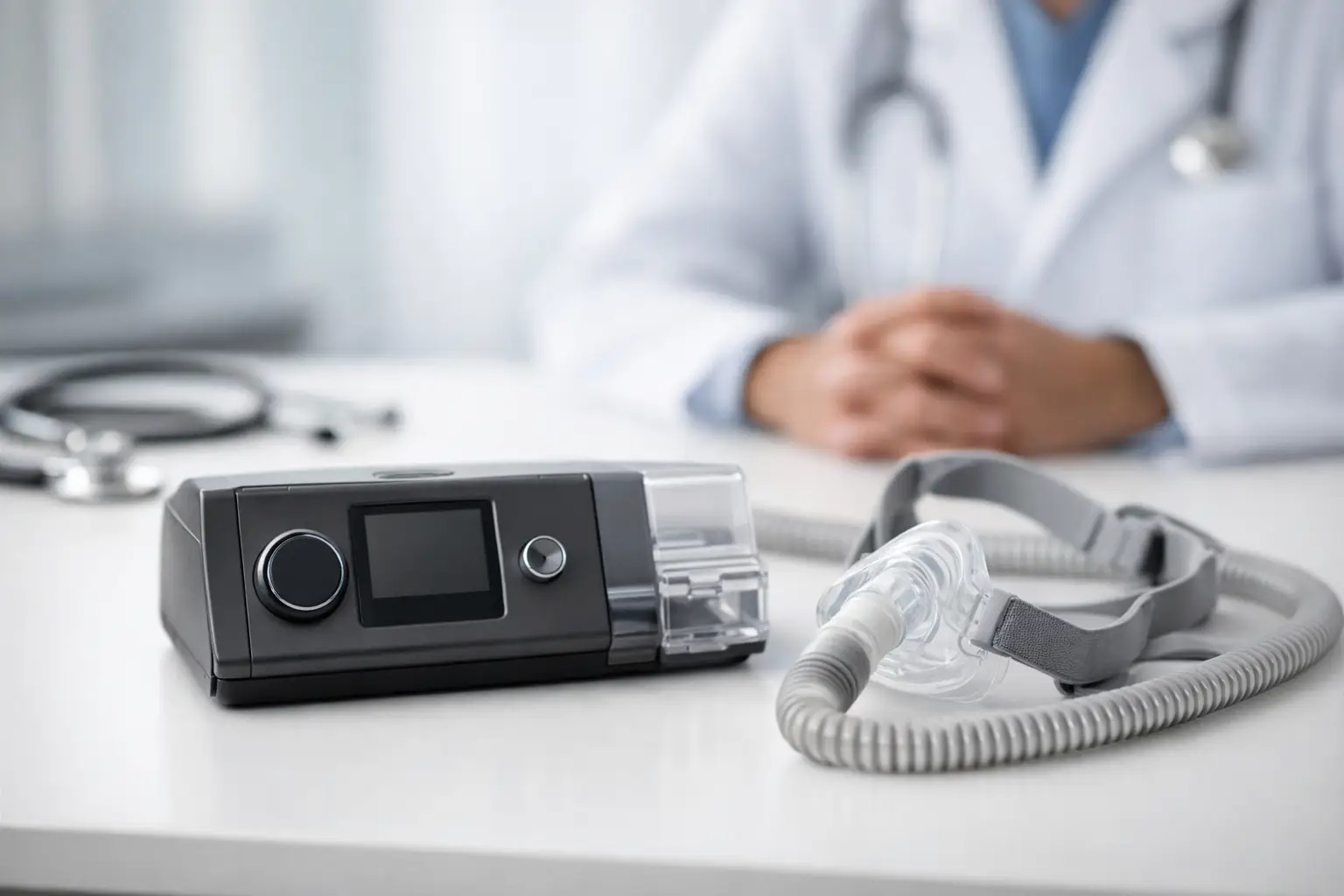
A sleep apnea prescription is the starting point for choosing a CPAP machine. It identifies the type of therapy you need and, in many cases, the pressure setting or pressure range prescribed by your sleep specialist. Do not buy a machine based solely on a friend’s recommendation or the lowest advertised number. The right device must match your diagnosis and prescribed treatment.
Most people will be prescribed one of three machine types. A standard CPAP delivers one fixed pressure all night. An APAP, also called an auto-adjusting CPAP, adjusts pressure within a prescribed range as your breathing needs change. A BiPAP provides separate pressure levels for inhaling and exhaling and is generally prescribed for more specific clinical needs.
An APAP is often a practical choice for many new users because it can respond to changes in sleeping position, nasal congestion, alcohol use, or weight changes. That does not automatically make it the best machine for everyone. If your prescription calls for fixed pressure or bilevel therapy, follow that clinical direction. A knowledgeable provider should review your prescription, program the machine correctly, and explain what those settings mean before you take it home.
What to Look for in a CPAP Machine
The best CPAP machine is not necessarily the one with the longest list of features. Look for features that make therapy more comfortable, easier to maintain, and easier for your care team to monitor when you need help.
Heated humidification matters for comfort
Dry mouth, a dry nose, and throat irritation are common reasons people stop using CPAP early. A heated humidifier adds moisture to the air and can make therapy far more comfortable, particularly in dry indoor air or during winter.
Many current machines offer heated tubing as well. This can help reduce condensation in the tube, sometimes called “rainout,” while maintaining consistent humidity. Heated tubing is helpful for many users, but it may not be essential for everyone. Your bedroom temperature, comfort preferences, and tendency toward nasal dryness all matter.
Quiet operation supports better sleep for two
Modern CPAP machines are generally quiet, but machine sound is only part of the picture. A poorly fitting mask can leak and create far more noise than the device itself. If you share a bed, ask about both machine noise and mask options during your fitting.
Data tracking is useful when it leads to support
Most current machines record information such as usage hours, mask leak, events per hour, and pressure trends. This data can help identify why therapy feels difficult. For example, persistent leaks may point to a mask issue, while low usage may indicate discomfort that needs attention.
Data is valuable, but it should not leave you alone with an app and a list of numbers. Ask whether someone can download and review your data, explain it clearly, and make clinically appropriate adjustments when authorized. Real support is more useful than a dashboard you do not understand.
Size and travel needs deserve consideration
A standard home machine is usually the best first purchase because it includes the comfort features most people rely on every night. Travel CPAP machines are compact and convenient, but they can be louder, offer less humidification, and may require separate accessories.
If you travel often, a portable model can be a worthwhile second machine. It is rarely the right reason to compromise on your primary therapy device. Choose the machine that supports consistent use at home first.
The Mask Is as Important as the Machine
A high-quality machine cannot overcome a mask that hurts, leaks, or makes you feel claustrophobic. Mask comfort is one of the biggest predictors of long-term CPAP success, which is why a proper fitting should never be treated as an optional add-on.
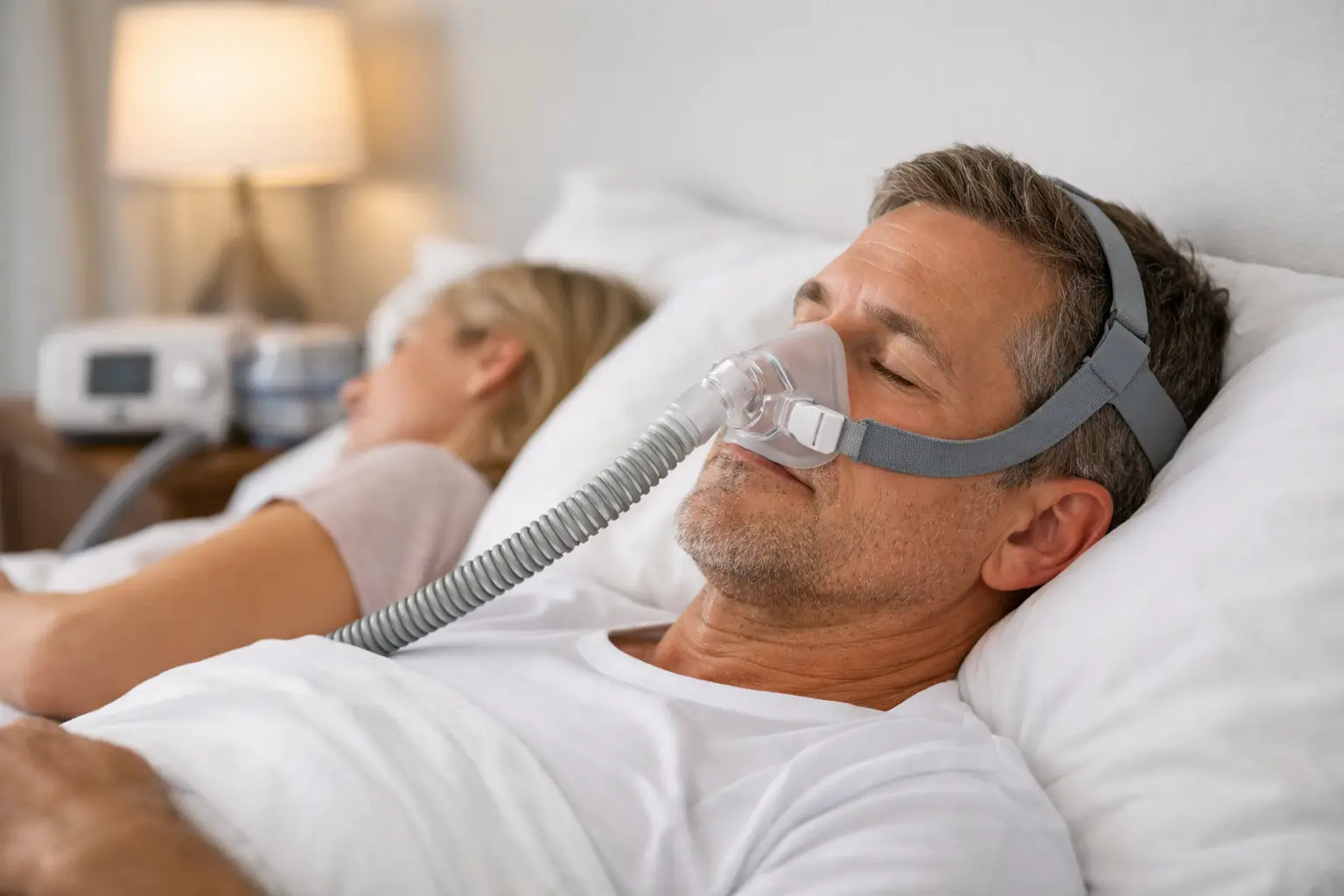
Nasal masks cover the nose and suit many people who breathe comfortably through their nose. Nasal pillow masks sit at the nostrils and feel less bulky, making them popular with people who wear glasses, read in bed, or prefer a lighter feel. Full-face masks cover both the nose and mouth and are often better for people who regularly breathe through their mouth or deal with nasal blockage.
There is no universally “best” mask. A side sleeper may need a low-profile design that stays stable against the pillow. Someone with facial hair may need a different cushion style than someone with a clean-shaven face. If you wake with air blowing into your eyes, red marks, or loud leaking, do not simply tighten the straps harder. A different size, cushion, or mask style may solve the problem faster.
Ask What Is Included Before You Commit
CPAP pricing can become confusing when advertised machine prices exclude setup, programming, mask fitting, delivery, or follow-up help. Those extras are not luxuries for a first-time CPAP user. They are part of getting treatment started correctly.
Before purchasing, ask for a clear, itemized explanation of what you receive. You should know whether the quoted price includes the machine, humidifier, water chamber, tubing, filter, power supply, mask, setup, and instructions. Ask directly whether there are setup fees, delivery fees, or charges for programming the device.
Also ask what happens after the sale. Will someone help if your mask leaks in the first week? Can you arrange a mask fitting? Is data review available if you are struggling? Can the provider help with warranty questions and replacement supplies? A low initial price is not a bargain if you are left to troubleshoot treatment on your own.
Understand Insurance Without Letting It Delay Care
Insurance coverage varies by plan, and the details can affect what you pay out of pocket. Some plans cover the machine and accessories at a set percentage, while others have annual limits, deductibles, or specific documentation requirements. A provider experienced with direct billing can verify benefits and explain your options before you make a decision.
Bring your prescription, insurance information, and any sleep study documents you have. If paperwork is missing, ask what is needed rather than assuming you cannot move forward. In some cases, deferred billing or payment arrangements may prevent a coverage delay from becoming a treatment delay.
Be careful with rental-versus-purchase terms as well. Rentals can make sense under certain insurance plans, but you should understand the total cost, the timeline for ownership, and what happens if your coverage changes. Clear answers are part of transparent service.
Make Setup Personal, Not Rushed
Your first CPAP appointment should give you more than a box and a quick demonstration. You should leave knowing how to assemble your equipment, fill and clean the humidifier chamber, position your mask, start therapy, and recognize common issues.
A clinician should also show you how to use comfort settings such as ramp time and humidity. Ramp starts the pressure lower and gradually increases it, which may help you fall asleep. Some people like it; others find it unnecessary once they become accustomed to therapy. Comfort settings should support treatment, not replace proper mask fitting or correct prescribed pressure.
Plan to use your machine every time you sleep, including naps. The first few nights can feel unfamiliar, and that is normal. However, ongoing discomfort is not something you should simply tolerate. Early support can prevent a small issue from becoming a reason to quit.
A Practical CPAP Machine Buying Checklist
Before you choose, make sure you can answer these questions clearly:
- Does this machine match my prescription and therapy needs?
- Is the quoted price complete, with no surprise setup or programming fees?
- Have I tried on the mask style and size that best suits my breathing and sleep position?
- Can I get help with insurance billing, setup, data review, and early troubleshooting?
- Do I understand warranty coverage and how to replace masks, cushions, filters, and tubing?
When to Replace Supplies
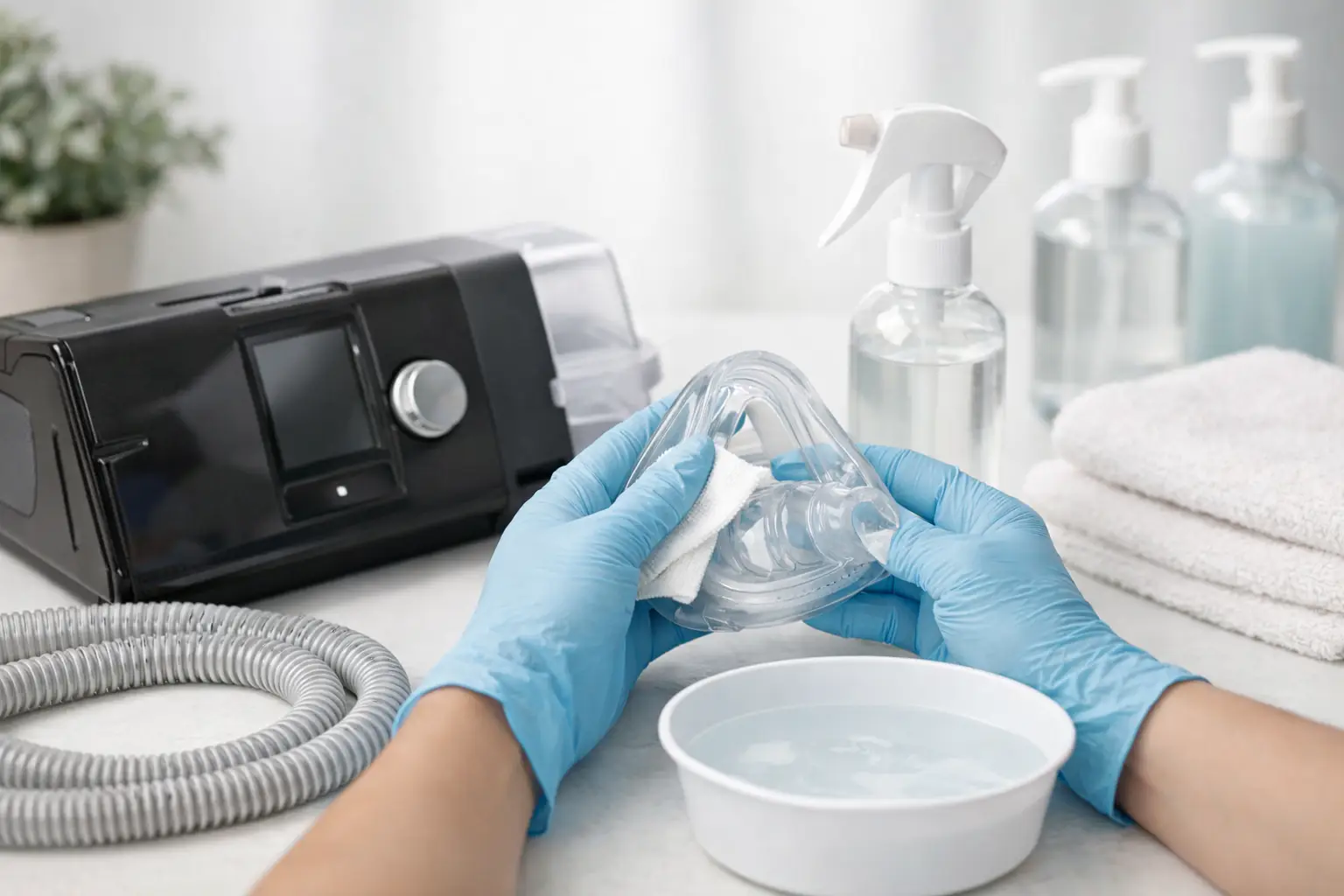
CPAP therapy works best when the system is clean and seals properly. Cushions gradually lose their shape, headgear stretches, filters collect dust, and tubing can wear over time. Replacement schedules depend on your equipment, insurance coverage, cleaning habits, and visible wear.
Pay attention to performance rather than waiting for a complete failure. A cushion that suddenly leaks, headgear that needs constant tightening, or a filter that looks discolored can affect your therapy. Regular resupply support makes it easier to replace what you need before comfort and results decline.
The right CPAP purchase should leave you feeling supported, not pressured. Choose equipment that fits your prescription, a mask that fits your face, and a provider who will still answer the phone after the machine leaves the office. Better sleep starts with the right device, but it becomes sustainable when you have personal help behind it.
Leave a Reply