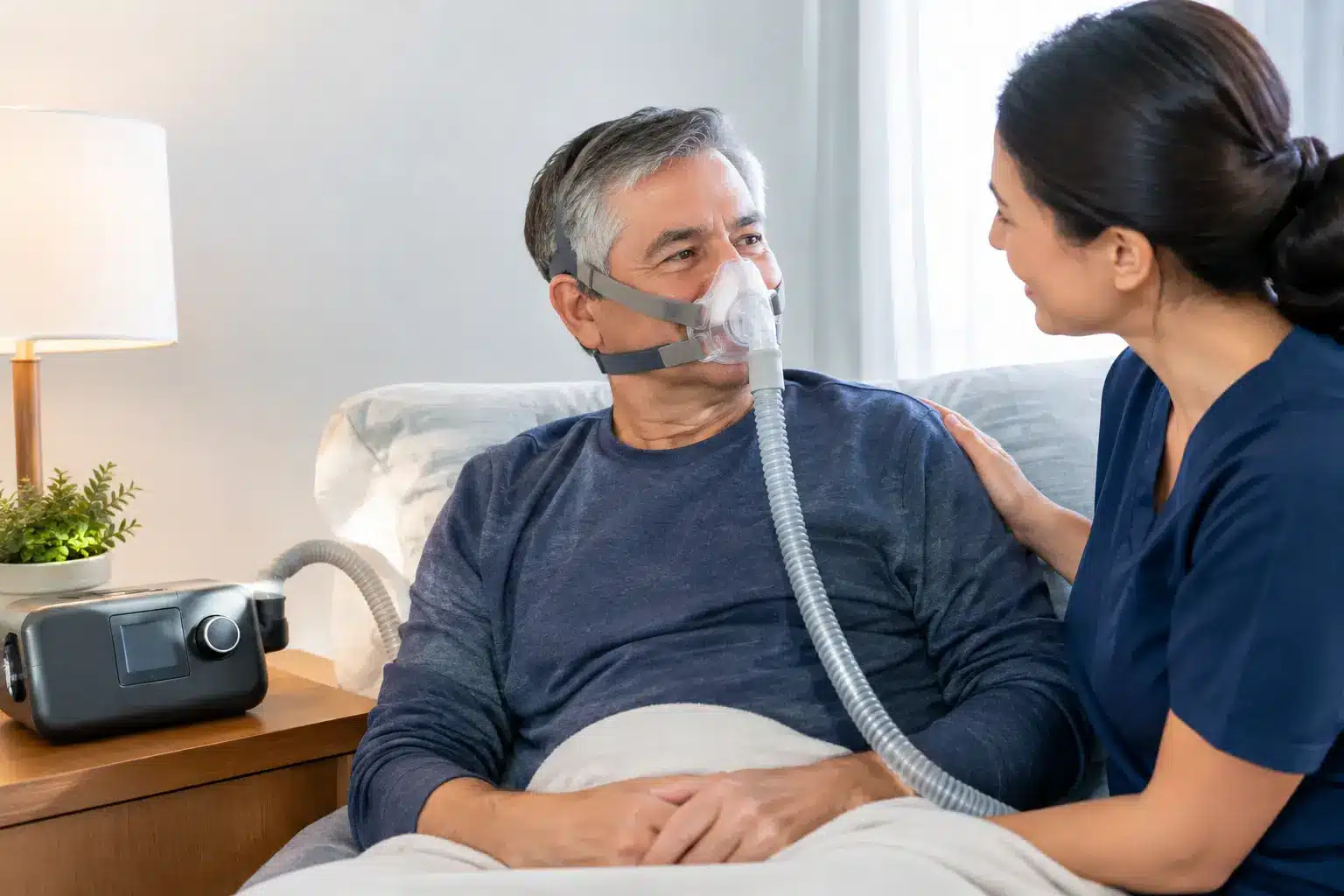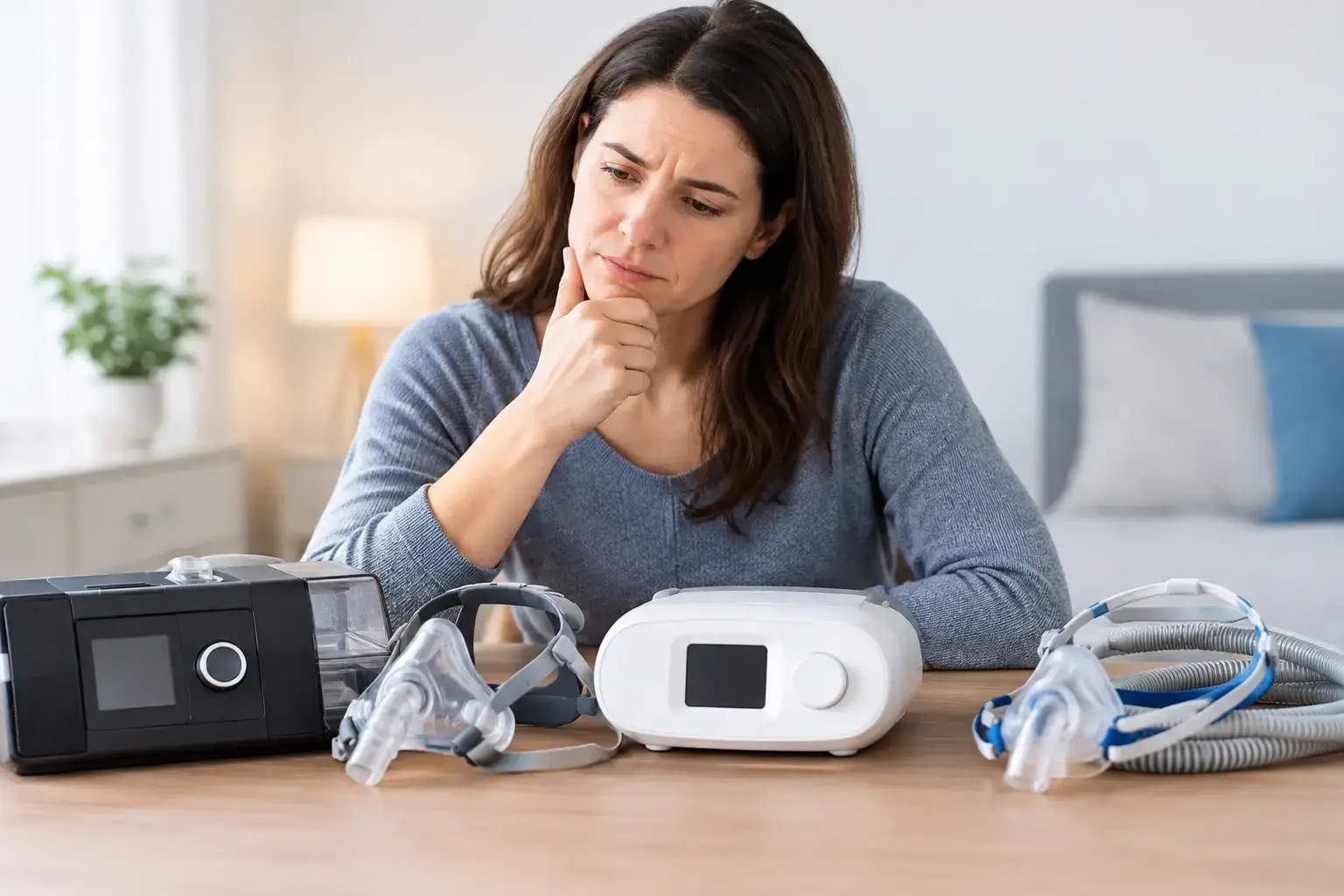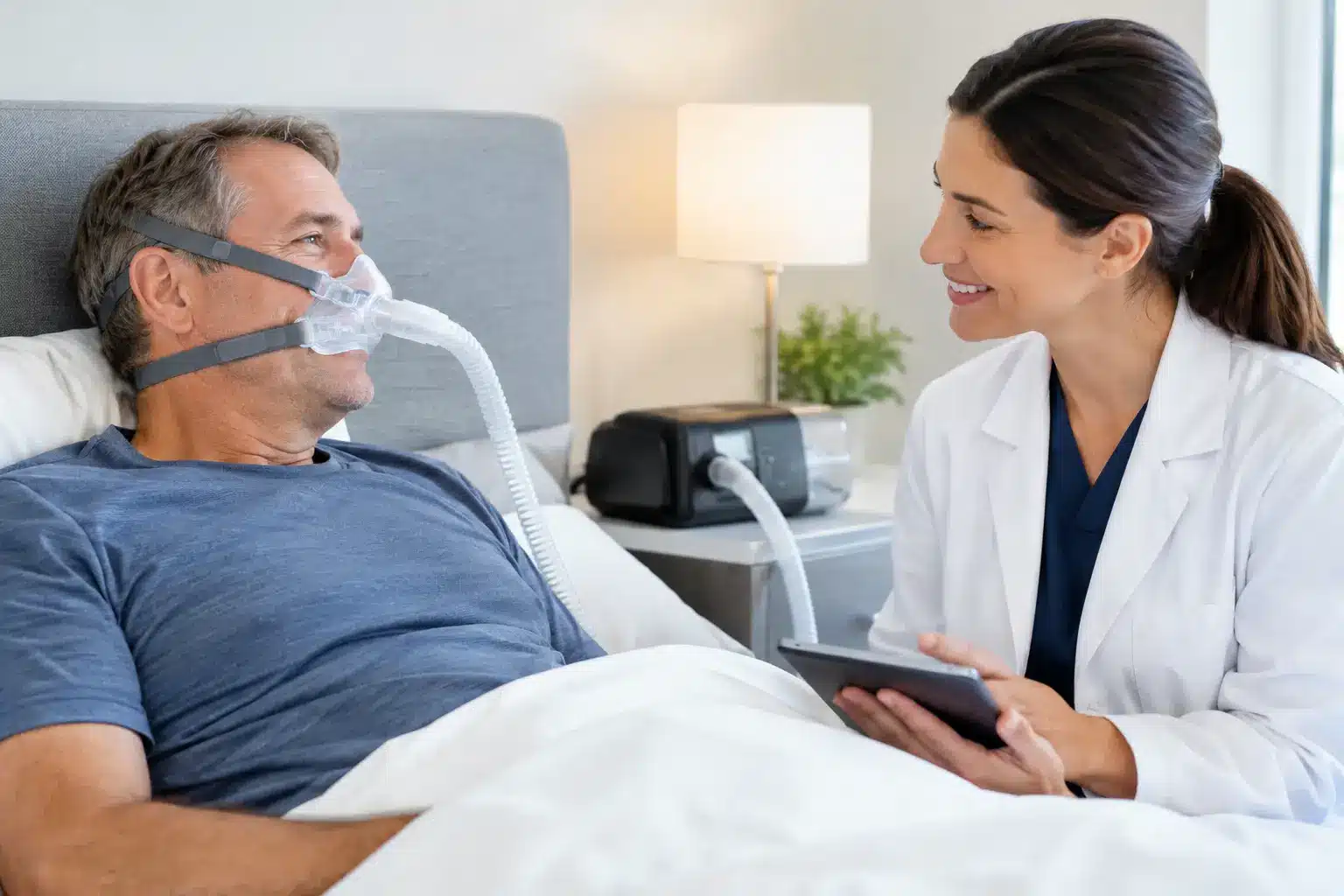
The first night with a CPAP machine can feel far more complicated than it should. You have a diagnosis, a prescription, a machine, a mask, and a lot of questions: Is this pressure right? Why is the mask leaking? What happens if I wake up feeling dry or claustrophobic? Clinician guided CPAP therapy turns that pile of equipment into a treatment plan you can actually live with.
CPAP is highly effective for many people with obstructive sleep apnea, but only when the equipment is set up correctly and used consistently. A box dropped at your door is not the same as personal support. The right clinician can help you understand your therapy, fit your mask properly, review your treatment data, and deal with problems before they convince you to stop using CPAP altogether.
What clinician guided CPAP therapy really means
Clinician guided CPAP therapy is hands-on support from a trained respiratory or sleep therapy professional before, during, and after you begin treatment. It goes beyond selling a machine. The clinician works from your prescription, helps program appropriate settings, explains how the equipment works, and makes sure the mask and comfort features suit your needs.
For a new CPAP user, that guidance often begins with a proper setup appointment. You should be shown how to assemble the machine, connect the tubing, install and clean the humidifier chamber, adjust the headgear, and start and stop therapy. You should also know what the numbers on the display mean and which changes you should never make on your own.
For an existing user, clinician support can be just as valuable. Maybe your sleep apnea treatment used to feel fine but now you are waking with dry mouth, your spouse hears air leaking, or your machine reports poor mask seal. Those are not reasons to give up. They are signs that something needs to be checked.
The mask fit is not a small detail
A CPAP mask is the part of therapy you feel every night. If it pinches the bridge of your nose, leaves deep marks, blows air into your eyes, or slips when you turn over, your treatment becomes a nightly battle. Too many people assume discomfort is simply part of CPAP. It is not.
A clinician-guided fitting considers more than mask size. Your sleeping position, facial shape, breathing habits, facial hair, nasal congestion, denture use, and pressure needs can all affect which style makes sense. Some people do well with a nasal mask. Others need nasal pillows for a lighter feel. People who breathe through their mouth may benefit from a full-face option, though dry mouth or leaks still need attention.
The goal is not to find the most expensive mask or the mask someone else likes best. It is to find a mask that seals comfortably at your prescribed pressure. A mask can feel perfectly fine while sitting up in a showroom, then leak when you lie down and relax your jaw. That is why a knowledgeable fitting and follow-up matter.
Proper setup protects your therapy from day one
Your prescribed pressure is not a guess. Whether you use fixed-pressure CPAP, auto-adjusting PAP, bilevel therapy, or another device, the settings should be programmed according to your prescription and reviewed when concerns arise. Do not let anyone convince you that setup is an optional extra that should come with a surprise fee.
A good setup also covers the practical details that affect comfort. Humidification may reduce dryness and nasal irritation, but too much humidity can create condensation in the tubing. Heated tubing can help in a cool bedroom, while a different humidity setting may be enough for another person. Ramp settings can make it easier to fall asleep by starting at a lower pressure and increasing gradually. These features are useful, but they are not one-size-fits-all.
Your clinician should explain what is normal during the adjustment period and what needs prompt attention. Mild awareness of airflow can improve as you get used to treatment. Severe discomfort, persistent chest pain, significant shortness of breath, skin breakdown, or worsening symptoms deserve medical attention rather than trial and error at home.
Data review answers the questions your machine cannot explain
Modern CPAP machines collect useful therapy information, including usage time, estimated mask leak, and events per hour. That data can help identify whether treatment is working as intended. But a number on a screen does not tell the whole story.
For example, a low event number may look reassuring, yet you might still feel exhausted because the mask wakes you repeatedly. A high leak reading may come from a loose seal, mouth leak, worn cushions, or incorrect mask size. A clinician can review the pattern alongside how you feel, your prescription, and your equipment.
This is where clinician guided CPAP therapy becomes especially practical. Instead of guessing which setting or accessory to change, you get a clear next step. It may be a mask adjustment, a humidity change, replacement supplies, a discussion with your prescribing provider, or a closer review of your sleep habits. The answer depends on the problem, not on a generic checklist.
Support makes it easier to stay consistent
Most CPAP challenges happen after the first appointment. You may catch a cold and wonder whether you can still use your machine. You may travel and need help packing your equipment. You may notice that a mask cushion no longer seals as well after months of use. Small issues become big ones when there is no one available to ask.
Consistent therapy matters because sleep apnea does not take nights off. Skipping treatment can bring back loud snoring, fragmented sleep, daytime fatigue, morning headaches, and other symptoms associated with untreated apnea. Still, consistency does not mean forcing yourself through a mask that clearly is not working. It means getting help quickly enough to solve the obstacle.
That support should be convenient, direct, and respectful. If you are managing a new diagnosis, recovering after a hospital stay, or helping a parent with their equipment, you should not have to chase answers through a call center. Local appointments, home visits when appropriate, delivery, and flexible follow-up can make treatment far less stressful.
What to expect from a patient-first CPAP provider
The provider you choose should make the process clear before you commit. Ask whether setup, programming, mask fitting, and data downloads are included. Ask how they handle insurance paperwork and whether they can bill your plan directly. Ask who you contact if the mask leaks on night three or if you need a replacement part months later.
Watch for vague pricing and unnecessary add-on charges. You deserve to know what your machine, mask, and service cost upfront. A lower machine price is not always the best value if it comes with no setup, no fitting, and no one to help when treatment gets difficult. On the other hand, paying a premium does not guarantee better care. Compare what is actually included.
At CPAP One-Stop, the focus is personal care without setup fees that should never have been a surprise in the first place. For patients across Southern Ontario, that can mean a free setup, clinician guidance, mask fitting, delivery, and help with direct insurance billing in one place.
When you should ask for a therapy review
Do not wait until you are ready to quit CPAP. A review is worthwhile if you are removing the mask during sleep, waking with a dry mouth, dealing with repeated leaks, feeling pressure discomfort, or still feeling unrefreshed despite regular use. It is also smart to check in after meaningful weight changes, new medications, nasal surgery, or any change in your prescribed therapy.
Bring the machine, mask, tubing, water chamber, and any accessories you use to the appointment when possible. A clinician can often spot a worn cushion, damaged tubing, dirty filter, or incorrect assembly quickly. Those simple fixes can make a noticeable difference that same night.
CPAP treatment should not feel like a product you were handed and left to figure out. With the right guidance, it becomes a manageable routine built around better sleep, clearer mornings, and equipment that works for your real life.