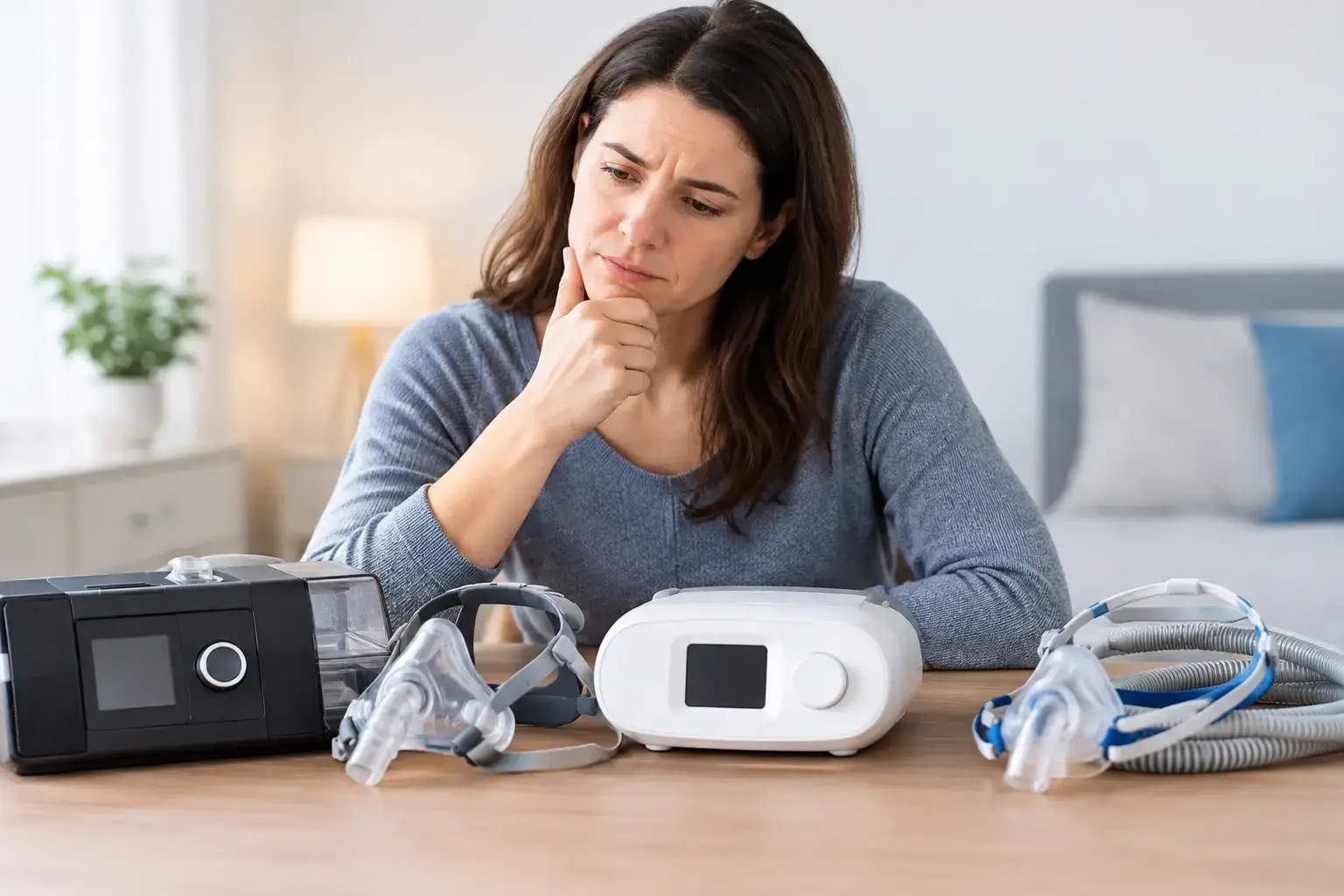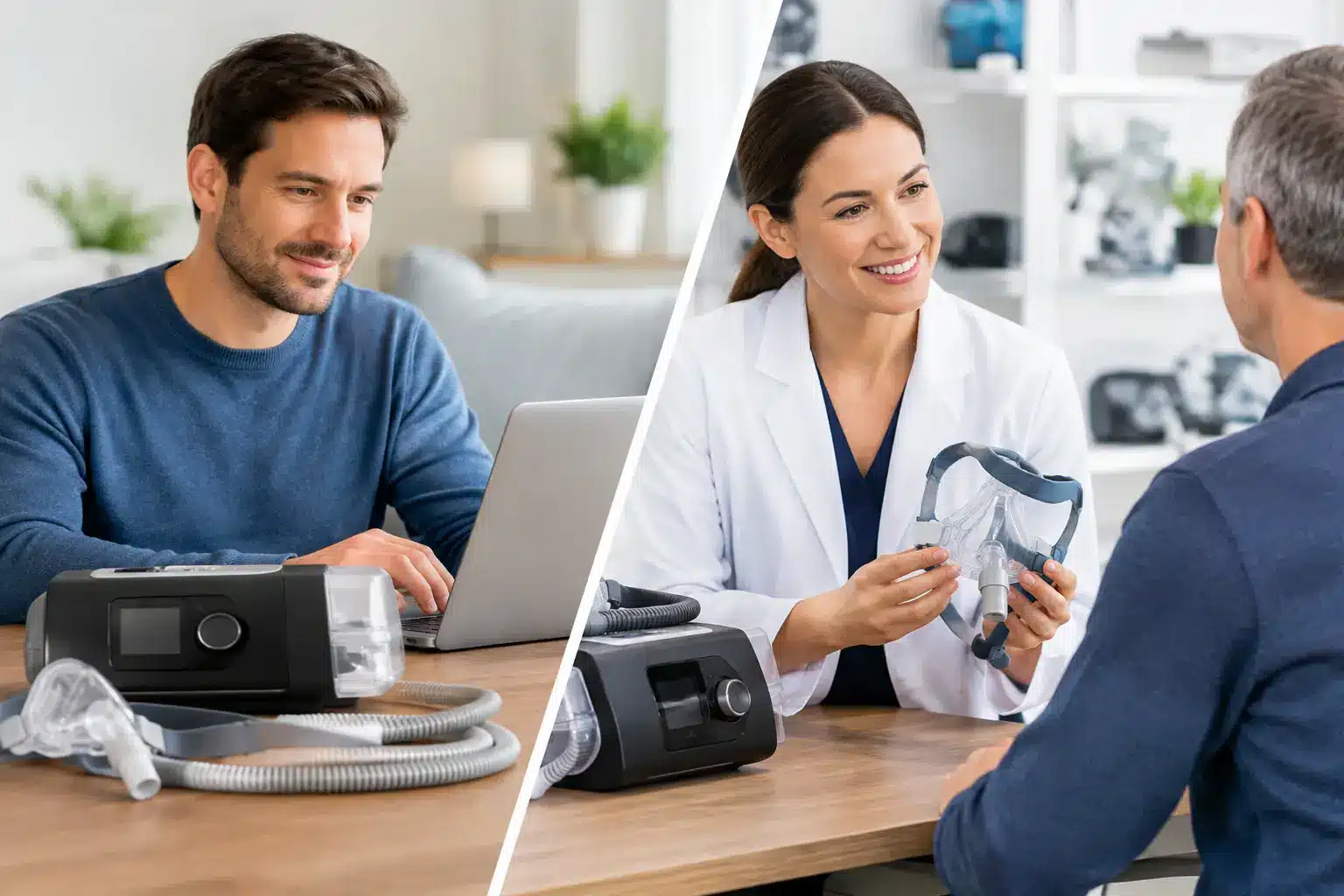
A CPAP machine can look like a simple purchase until you try to sleep with it. That is where buying CPAP online versus local becomes more than a question of price. You are choosing how much help you will have with your mask, settings, insurance paperwork, and the frustrating first few weeks of treatment.
For some experienced CPAP users, ordering online is practical. For many first-time users, a low price on a screen can become expensive if the mask leaks, the machine is not set up correctly, or no one is available when therapy feels uncomfortable. The right choice depends on what you need, not just what appears cheapest at checkout.
Buying CPAP Online Versus Local: Start With the Real Cost
Online CPAP stores can make comparison shopping easy. You can view machine models, read reviews, and sometimes find sale pricing from home. If you already know the exact equipment you need, have a current prescription, understand your therapy settings, and are comfortable handling insurance on your own, online ordering may be a reasonable option.
But the advertised price is not always the full price. Before placing an order, check whether setup, programming, shipping, mask exchanges, support calls, and insurance documentation are included. A machine that costs less upfront may not be the better value if you later pay extra for help or end up replacing an uncomfortable mask.
Local providers may also have competitive equipment pricing, especially when they are committed to transparent pricing rather than adding unnecessary service charges. The difference is that you can ask direct questions before you buy. You should never feel pressured to pay a setup fee without understanding exactly what you are receiving.
A good provider explains the machine price, the accessories you need, what insurance may cover, and which services are included. Clear pricing is not a bonus. It is what patients deserve when starting a treatment that affects every night of sleep.
The Mask Fit Question Is Bigger Than Most People Expect
A CPAP machine delivers prescribed air pressure, but the mask is the part you wear. If it feels too tight, leaks into your eyes, leaves painful marks, or makes you feel claustrophobic, you are far less likely to use it consistently.
Online shopping can be difficult here. Product photos and size charts are helpful, but they cannot show how a mask will sit on your unique facial shape once the pressure starts. A nasal mask may work beautifully for one person and fail for another who breathes through their mouth at night. A full-face mask may solve mouth leaks but feel too bulky for a side sleeper. There is no universal best mask.
A local fitting gives you the chance to try suitable styles, discuss how you sleep, and learn how tight the headgear should actually be. Many people overtighten a leaking mask, which often makes the leak worse and creates soreness. Small adjustments can make a major difference.
This is especially valuable for people who are newly diagnosed, have dentures, facial hair, sensitive skin, chronic congestion, or anxiety about wearing a mask. Those are not minor details. They shape whether CPAP therapy becomes a routine or ends up in a closet.
Setup and Programming Should Not Be an Afterthought
Modern CPAP devices are designed to be user-friendly, but starting therapy still involves more than pressing a power button. Your machine needs to match your prescription. You need to know how to fill and clean the humidifier, attach the tubing, use comfort settings, and recognize what the data on the screen means.
Some online retailers provide printed instructions or phone support. That can be enough for a confident, experienced user. However, written directions are not the same as sitting with a knowledgeable clinician who can demonstrate the equipment, answer questions in plain language, and make sure you leave knowing what to do that night.
A local provider can also help when your therapy is not going smoothly. Perhaps you wake with a dry mouth, feel too much air pressure when falling asleep, notice rainout in the tube, or remove your mask during the night without realizing it. These are common issues, and they often have practical solutions.
Do not accept the idea that discomfort is simply part of CPAP. Treatment may take adjustment, but you should have support while you adjust. Your prescribing clinician remains the right person for medical decisions, but hands-on equipment guidance can prevent many avoidable problems.
Insurance Billing Can Change the Convenience Equation
Insurance is one of the biggest reasons people feel overwhelmed before purchasing CPAP equipment. Coverage rules vary. A plan may require a prescription, set limits on approved equipment, reimburse only certain amounts, or ask for documents that are easy to overlook.
When you buy online, you may need to pay first, submit the claim yourself, and wait for reimbursement. That can work if you understand your plan and have the funds available. It can also create stress if paperwork is incomplete or a product does not meet your insurer’s requirements.
A local CPAP provider that offers direct billing can reduce that administrative burden. Instead of spending your evening calling an insurer, collecting receipts, and trying to decode benefit language, you can get clear guidance on the process before committing to a purchase. Deferred billing may also matter if coverage is expected but reimbursement timing is a concern.
Ask specific questions: What will I pay today? Is direct billing available? What paperwork is needed? Are accessories covered separately? A provider who answers clearly is protecting your time as well as your budget.
When Online Buying Makes Sense
Buying online is not automatically a bad decision. It can be a sensible choice when you are replacing familiar supplies, such as the same mask cushions, filters, tubing, or water chamber you have used successfully before. It may also suit an experienced CPAP user who knows their prescription, understands machine settings, and does not need insurance assistance.
It can be convenient if you live far from a provider or need a straightforward resupply order. Even then, confirm you are purchasing genuine, compatible equipment and that you know the return policy. Opened masks and medical equipment may have limited return options for hygiene reasons.
The key is knowing whether you are buying a product or buying a solution. A replacement filter is a product. Your first CPAP machine and mask are a solution that should include guidance.
When Local Support Is Worth More
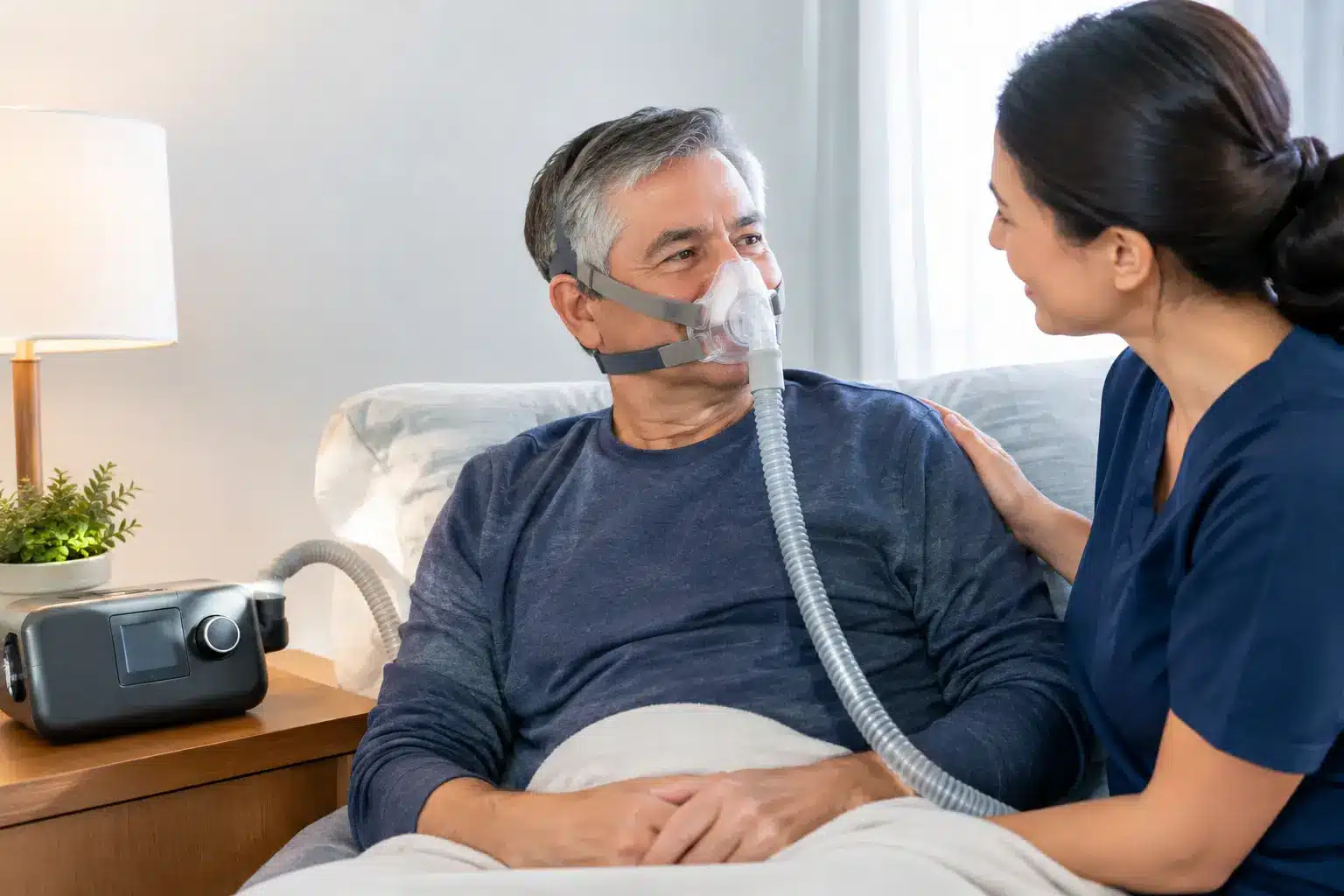
Local service is often the stronger choice for first-time patients, people changing machine types, anyone struggling with leaks or comfort, and family members helping a parent or spouse begin treatment. Face-to-face support gives you somewhere to turn when the first night does not go as planned.
CPAP One-Stop is built around that personal approach, with setup, mask fitting, delivery options, insurance-friendly support, and clinician guidance designed to make treatment less intimidating. The goal is not to sell a box and disappear. It is to help you use your therapy successfully.
Local does not have to mean inconvenient or overpriced. Flexible appointments, home visits, same-day service when available, and transparent pricing can give you both practical value and real reassurance. That combination matters when sleep apnea treatment is new, urgent, or already causing stress.
Choose Support That Helps You Keep Using CPAP
The best CPAP purchase is the one that helps you stay on therapy. Price matters, and patients should absolutely compare it. But mask comfort, proper setup, responsive service, and help with insurance often matter just as much over the months and years ahead.
Before you decide, think about the first difficult night, not just the checkout page. Choose the option that leaves you with clear answers, properly fitted equipment, and a person you can call when every breath matters.