When You Need a CPAP Machine Programming Service
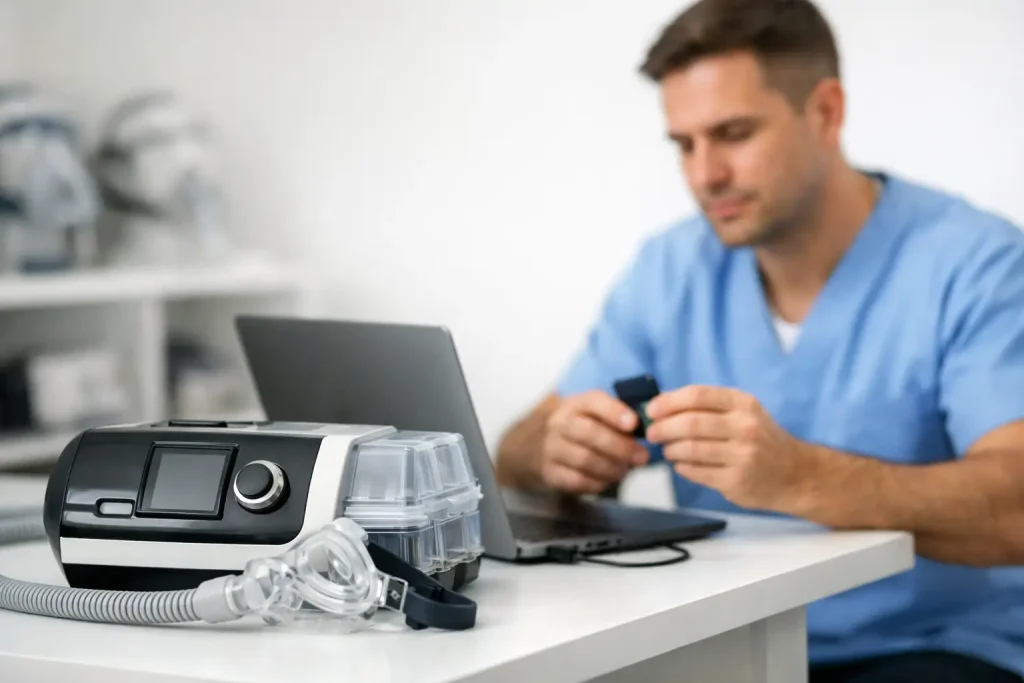
A CPAP machine is not a one-size-fits-all appliance. The pressure, comfort settings, humidity, ramp time, and data features all need to work with your prescription, sleep habits, and equipment. A professional CPAP machine programming service helps make sure your machine is set up correctly from the start, without confusing guesswork or unnecessary setup fees.
For someone newly diagnosed with sleep apnea, programming can be the difference between abandoning therapy after a few uncomfortable nights and finally getting the rest they have been missing. For an experienced user, it can help solve problems that have quietly made treatment less effective or harder to tolerate.
What Does a CPAP Machine Programming Service Include?
Machine programming means entering and confirming the settings prescribed by your sleep physician or authorized clinician. Depending on your therapy and machine type, that may include a fixed CPAP pressure, an auto-adjusting pressure range, or more specialized bilevel settings.
It also includes the settings that make treatment more comfortable. A clinician may adjust the ramp feature, which starts at a lower pressure and gradually increases while you fall asleep. They can confirm the correct mask type in the machine menu, set heated humidity, review heated tubing temperature, and make sure the device date, time, and wireless data functions are working properly.
A proper service is more than pressing a few buttons. The person setting up your equipment should explain what the settings do, show you how to start and stop therapy, review cleaning basics, and make sure you can put on your mask comfortably. If you leave with a machine you do not understand, you have not received the support you deserve.
Why Correct Programming Matters From Night One
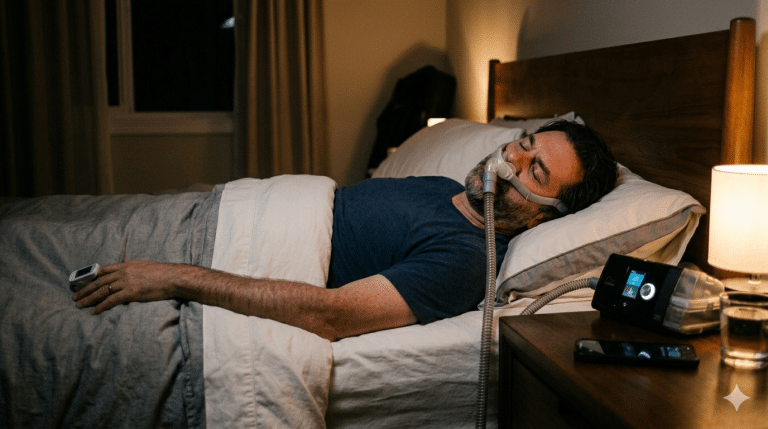
Your prescribed pressure is designed to keep your airway open while you sleep. If a machine is set too low, you may still have breathing interruptions, loud snoring, morning headaches, or ongoing daytime exhaustion. If the pressure feels too high, you may struggle with air leaks, dry mouth, swallowing air, or the urge to remove the mask during the night.
That does not mean you should change clinical pressure settings on your own. Pressure needs can vary with body position, alcohol use, nasal congestion, medication changes, weight changes, and the stage of sleep you are in. A machine setting that looks simple on a screen can affect the quality of your treatment.
Correct programming also prevents avoidable frustration. A mask setting entered incorrectly can affect how the machine reports leaks. Humidity that is too low can leave your nose and throat dry. Humidity that is too high can cause condensation in the tubing, often called rainout. These issues are usually manageable, but they are much easier to address when someone takes the time to review your setup in person.
When Should You Request CPAP Programming Help?
The first setup is the obvious time to have your machine programmed, especially if you are starting CPAP after a sleep study or hospital discharge. You should receive clear instruction before your first night, not a box of equipment and a vague manual.
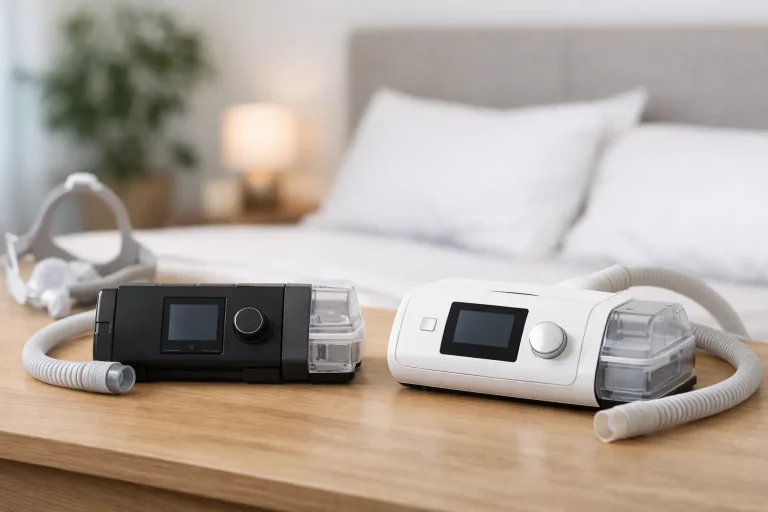
Existing users may also need a CPAP machine programming service when replacing an older device. Even if your previous machine worked well, newer machines may have different menus, humidifiers, tubing options, and data-reporting features. Moving your prescription to the new unit correctly is essential.
It is also wise to ask for a review if therapy has become uncomfortable or less effective. Common signs include waking up feeling unrefreshed, persistent snoring reported by a partner, frequent mask removal, excessive dryness, noisy leaks, pressure intolerance, or a sudden increase in sleepiness during the day.
A review does not always lead to a prescription change. Sometimes the problem is a worn-out cushion, a loose headgear strap, mouth leak, blocked filter, or humidity setting. The goal is to identify the real issue before you spend money replacing the wrong item or assume CPAP simply is not for you.
Programming Is Not the Same as Changing Your Prescription
This distinction matters. A provider can program a CPAP machine according to your current prescription and help you use comfort features appropriately. But changing prescribed therapeutic pressures should be based on clinical direction, therapy data, and your individual medical needs.
Auto-adjusting CPAP machines can respond within an approved pressure range, but that range still needs to be set intentionally. More pressure is not automatically better. A setting that is too broad may feel disruptive for some users, while a range that is too narrow may not respond adequately to changing needs during sleep.
If your data shows ongoing events, your clinician may recommend a pressure adjustment, a different mask, additional testing, or a conversation with your sleep physician. That is patient care, not a quick menu change. Be cautious of anyone who promises to “fix” your therapy without reviewing your prescription or understanding your symptoms.
What a Good Setup Appointment Should Feel Like
A good appointment should be straightforward, not rushed or intimidating. You should know what machine you are receiving, what pressure or range has been prescribed, and how to access the main settings you are allowed to use. You should also be able to practice taking the mask on and off before you go home.
Mask fitting deserves real attention. A mask that is too tight can create pressure marks and still leak. A mask that is too loose can shift when you move. The right fit depends on whether you breathe through your nose, tend to open your mouth at night, wear glasses, have facial hair, or sleep on your side.
Ask the clinician to explain what normal adjustment feels like. Many people need several nights to get used to sleeping with pressurized air. That is normal. Severe discomfort, panic, ongoing leak, or an inability to keep the mask on is not something you should simply tolerate in silence.
At CPAP One-Stop, programming and setup support are treated as part of getting started properly, not as a surprise extra charge. That patient-first approach matters when you are already managing a new diagnosis, insurance paperwork, and the practical challenge of sleeping with unfamiliar equipment.
Bring Questions, Not Guesswork
Before your programming appointment, have your prescription available and bring your mask if you already own one. If you have used CPAP before, share what has and has not worked. A few details can make the appointment far more useful: whether you wake with a dry mouth, whether you sleep on your back, whether your tubing collects water, and whether your partner notices leaks or snoring.
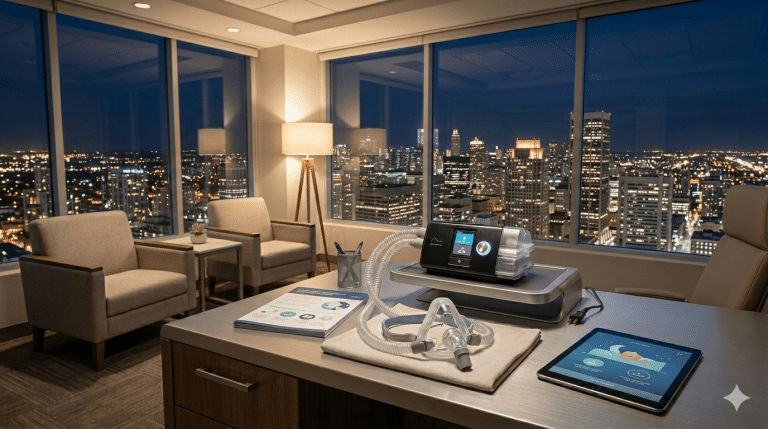
If your machine has recorded data, ask what it shows. Numbers such as usage hours, leak level, and residual breathing events can help guide the conversation. Data is useful, but it needs context. One rough night does not always indicate a major problem, while a repeated pattern deserves attention.
Insurance can add another layer of confusion. Ask what documentation is needed, whether direct billing is available, and what is included with your equipment. Transparent answers protect you from paying unexpected setup costs or leaving without the clinical support you expected.
The Right Support Helps You Stay With Therapy
CPAP treatment works when you can use it consistently. That sounds simple, but consistency depends on comfort, confidence, and knowing that help is available when something changes. Proper programming gives you a safe starting point. Follow-up support helps you stay on track when real life gets in the way.
If your machine is new, your symptoms have returned, or your current setup has become difficult to use, do not settle for trial and error. A careful review of your prescription, machine settings, mask fit, and therapy data can turn a frustrating night into a more manageable one. Because every breath matters, the goal is not just to own a CPAP machine. It is to use it comfortably enough to make a real difference.