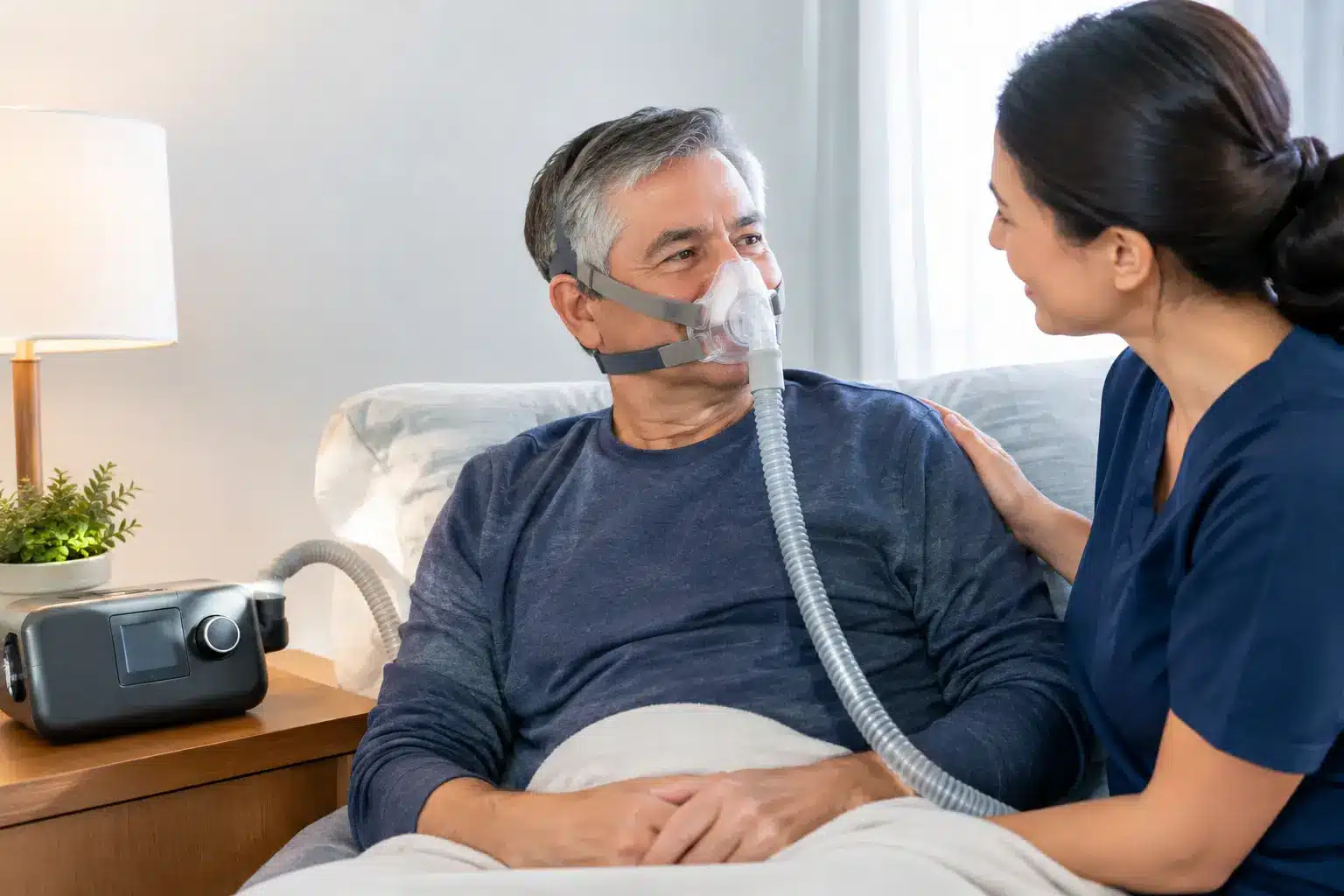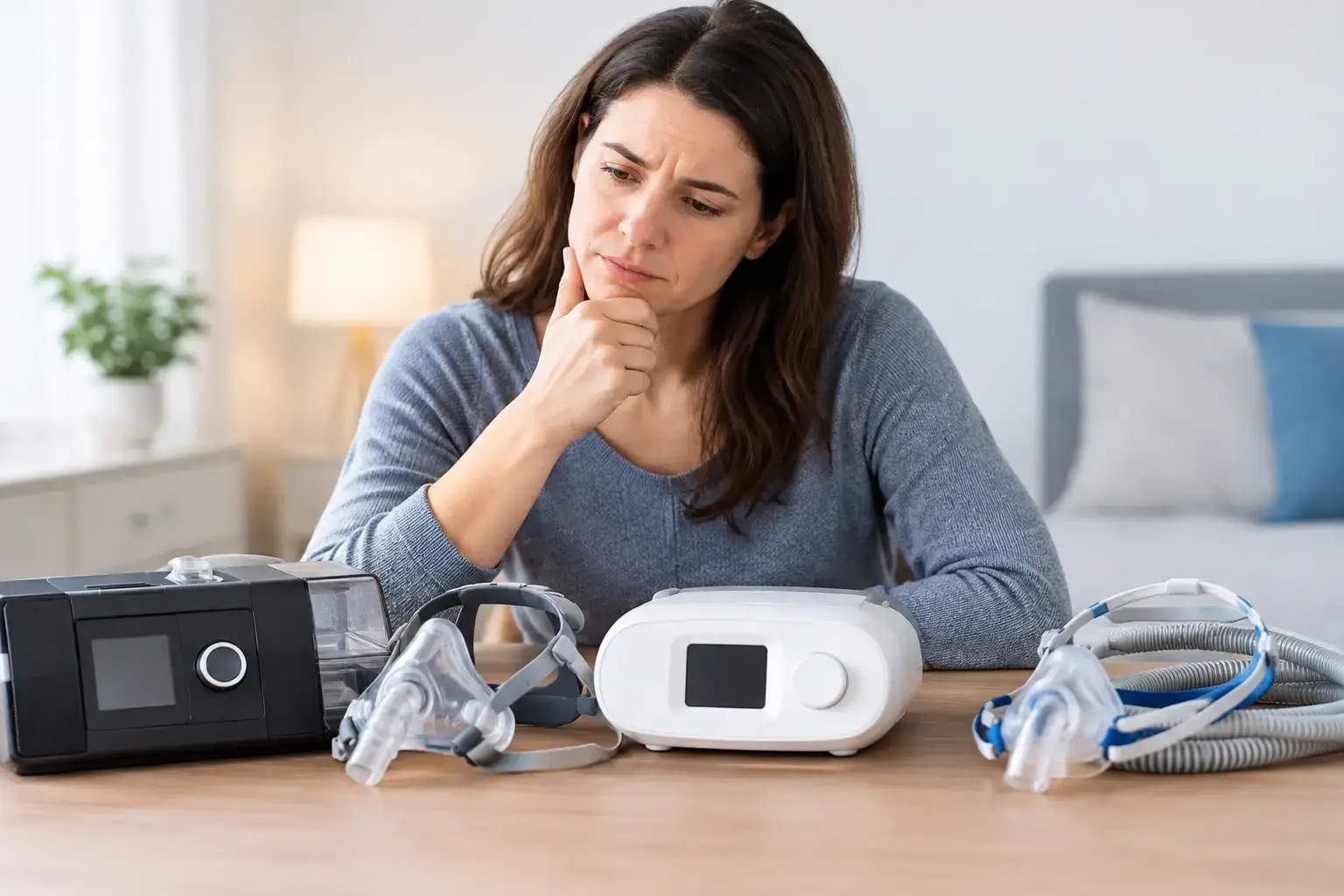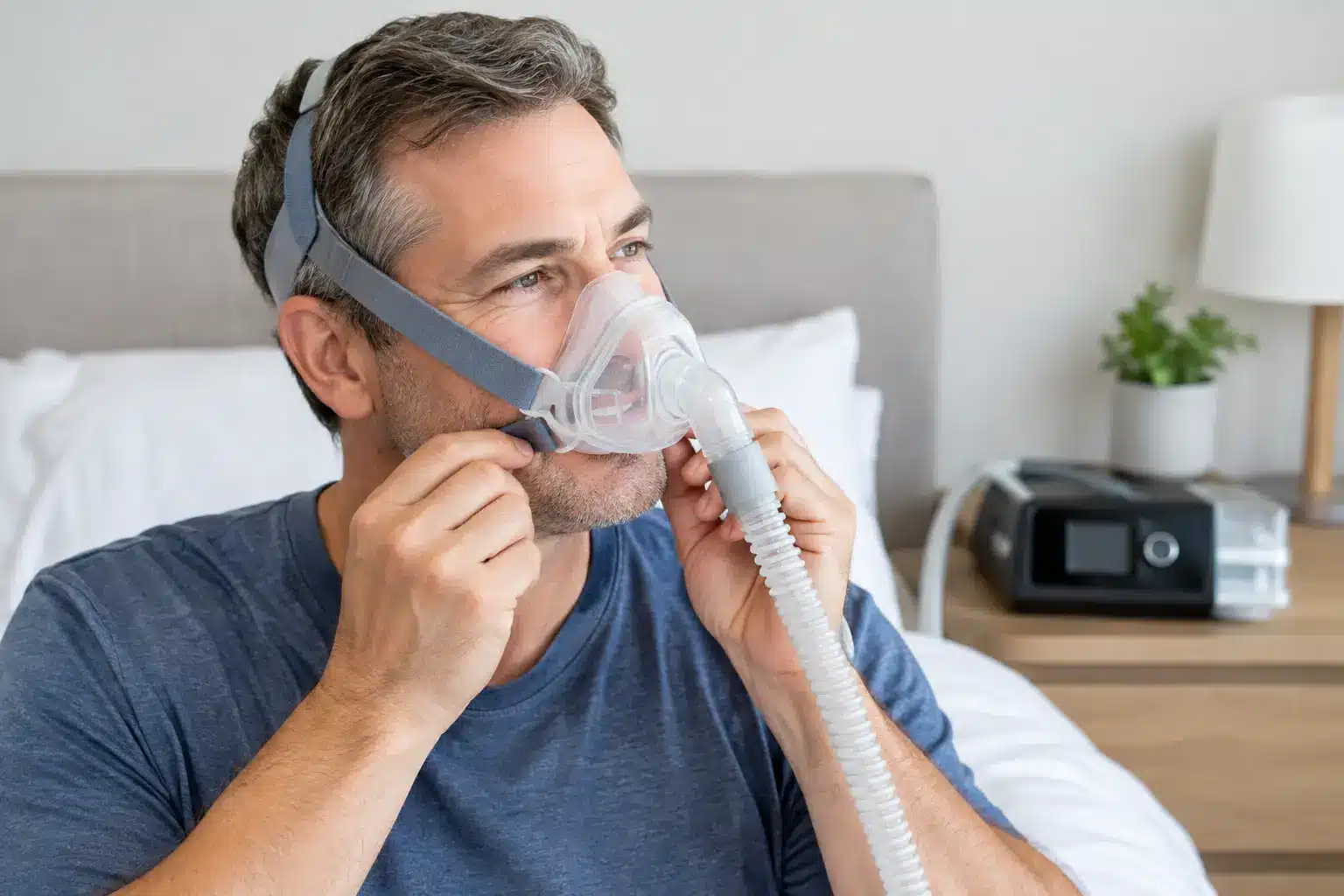
A mask that whistles at 2:00 a.m., leaves deep marks across your face, or makes you feel trapped is not something you should simply tolerate. CPAP mask comfort is not a luxury. It is one of the biggest factors in whether treatment works night after night. If your mask is uncomfortable, you are more likely to remove it, loosen it too much, or avoid using your therapy altogether.
The good news is that many comfort problems can be fixed. The answer is rarely to tighten every strap and hope for the best. More often, it comes down to choosing the right mask style, adjusting it in the right position, and getting help before a small irritation turns into a reason to stop treatment.
Why CPAP Mask Comfort Affects Your Treatment
CPAP therapy only helps when you can use it consistently. Your machine may be delivering the prescribed pressure, but a leaking or painful mask can interrupt sleep just as much as sleep apnea did. That can leave you frustrated, tired, and wondering whether CPAP is right for you.
For many people, the first few weeks involve an adjustment period. Sleeping with a mask feels unfamiliar, especially for new users. But discomfort that continues beyond those first nights deserves attention. A properly fitted mask should feel secure without being painfully tight. You should be able to move naturally in bed, breathe comfortably, and wake up with fewer interruptions.
There is no single “best” CPAP mask for everyone. Facial shape, breathing habits, pressure settings, facial hair, skin sensitivity, and preferred sleep position all matter. A mask your spouse loves may be completely wrong for you.
Start With the Mask Style That Matches How You Sleep
Most CPAP masks fall into three main categories: nasal pillows, nasal masks, and full-face masks. Each can be comfortable when it is correctly selected and fitted, but each has trade-offs.
Nasal pillow masks
Nasal pillow masks rest at the entrance of the nostrils. They are small, lightweight, and often a good option for people who feel claustrophobic or wear glasses before bed. Many active sleepers also like the minimal contact around the face.
The trade-off is that nasal pillows can cause tenderness or dryness if the pillow size is wrong, the pressure is high, or the headgear is overtightened. They may also be less suitable for someone who regularly breathes through their mouth while sleeping.
Nasal masks
A nasal mask covers the nose but not the mouth. It provides more surface contact than nasal pillows and can feel more stable for some users. This style often works well for people who primarily breathe through their nose and want a balance between a lightweight design and a secure seal.
If you sleep on your side, look for a nasal mask with a low-profile cushion and a flexible frame. A bulky frame can press into the pillow and create leaks when you turn over.
Full-face masks
A full-face mask covers both the nose and mouth. It is often the practical choice for mouth breathers, people with frequent nasal congestion, or those using higher CPAP pressures. It can prevent the dry mouth and air loss that happen when a nasal-mask user opens their mouth during sleep.
Because it covers more of the face, a full-face mask needs careful fitting. It can feel larger at first, but a modern low-profile design may be far more comfortable than an older, bulky style. Do not rule it out based on size alone.
A Tighter Mask Is Not Always a Better Mask
One of the most common CPAP mistakes is overtightening the headgear. When a mask leaks, it is natural to pull the straps tighter. Unfortunately, that can distort the cushion, create more leaks, and leave painful red marks by morning.
Most masks are designed to inflate slightly with air pressure. This creates the seal. Start with the straps comfortably snug, then turn on the machine and make small adjustments while lying in your normal sleep position. Your face changes shape when you lie down, so a mask adjusted while sitting upright may leak once you get into bed.
If you have to tighten the straps to the point of discomfort, the issue may be the cushion size, the mask model, worn-out parts, or an incorrect setup. Do not spend months fighting a mask that does not fit your face.
Fix the Comfort Problems That Keep You Awake
Mask discomfort is usually specific. Identifying the exact issue makes it much easier to solve.
Leaks near the eyes can cause dryness, irritation, and a draft that wakes you repeatedly. Before tightening the mask, wash the cushion with mild soap and water to remove facial oils. Check whether the cushion is cracked, stiff, or stretched. A worn cushion cannot seal properly, no matter how carefully you adjust it.
Sore spots on the bridge of the nose are common with some full-face and nasal masks. Try repositioning the mask slightly lower or higher, loosening the upper straps, or considering a different cushion design. A soft mask liner or nasal pad may help protect sensitive skin, but it should not be used to cover up a poor fit.
Dry nose, dry mouth, or congestion can also make a well-fitting mask feel miserable. Heated humidification can make a major difference, particularly during cold, dry months. If humidity causes water buildup in the tubing, adjusting the humidifier setting or using heated tubing may help. Persistent congestion should be discussed with your clinician, since nasal breathing is central to comfort with many mask styles.
If the mask feels claustrophobic, do not force yourself to wear it for a full night immediately. Practice while awake. Sit in a comfortable chair, wear the mask with the machine running, and watch television or read for 15 to 30 minutes. This helps your brain learn that the mask is safe and manageable before bedtime.
Your Pillow and Sleep Position Matter More Than You Think
A perfectly fitted mask can leak when it is pushed into a standard pillow. Side sleepers often do better with a CPAP-friendly pillow that leaves room for the mask, or by positioning the edge of the pillow under the cheek instead of directly against the mask frame.
Back sleeping can reduce mask pressure from the pillow, but it is not comfortable or realistic for everyone. The goal is not to force a new sleep position. The goal is to make your equipment work with the way you naturally sleep.
Keep tubing from pulling on the mask as you turn. Routing it above the headboard, using a tubing holder, or choosing a mask with a top-of-head hose connection can reduce tugging. Small changes like this can stop leaks that seem to happen for no obvious reason.
Know When It Is Time to Replace Mask Parts
CPAP masks are not meant to last forever. Cushions gradually absorb skin oils, lose flexibility, and become harder to seal. Headgear stretches. Frames can wear down. When components age, users often blame themselves for leaks and discomfort when the real issue is simple wear.
Replacement timing varies by mask type, insurance coverage, cleaning routine, and individual use. Still, if a mask that once worked well suddenly starts leaking or requires much tighter straps, inspect the cushion and headgear first. Regular replacement is not an unnecessary extra. It protects the fit you worked hard to achieve.
Clean the cushion regularly, but avoid harsh cleaners, alcohol, scented oils, or products not intended for CPAP equipment. These can damage silicone and shorten the life of your supplies. Gentle cleaning and a consistent replacement schedule are usually enough.
Get a Proper Fitting Instead of Guessing
Buying a mask based only on a photo or a recommendation can be expensive and discouraging. Comfort is personal, and the right fit is easier to find with hands-on guidance. A clinician can check where a mask contacts your face, watch for leaks at your prescribed pressure, and help you compare styles without the trial-and-error frustration.
At CPAP One-Stop, mask fitting and ongoing support are part of making treatment personal. If your current mask is leaving marks, leaking, causing dry mouth, or ending up on the nightstand halfway through the night, ask for help. You should not be charged unnecessary setup fees or left alone to figure out a medical device that you depend on every night.
A comfortable CPAP mask will not feel invisible on the first night, but it should become a manageable part of your routine. Give yourself permission to ask questions, try adjustments, and change masks when the fit is wrong. Better sleep is too valuable to settle for equipment that makes bedtime harder.