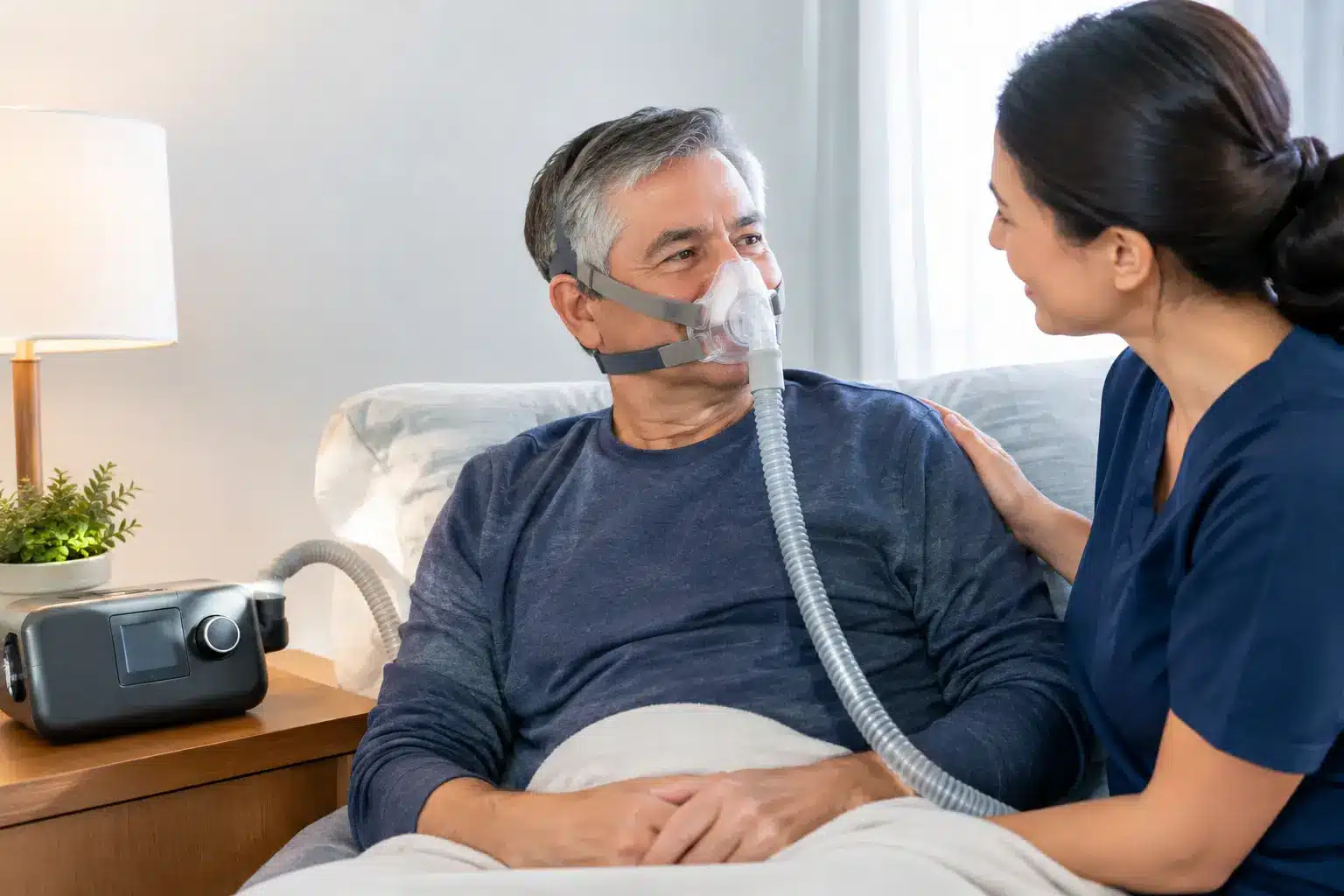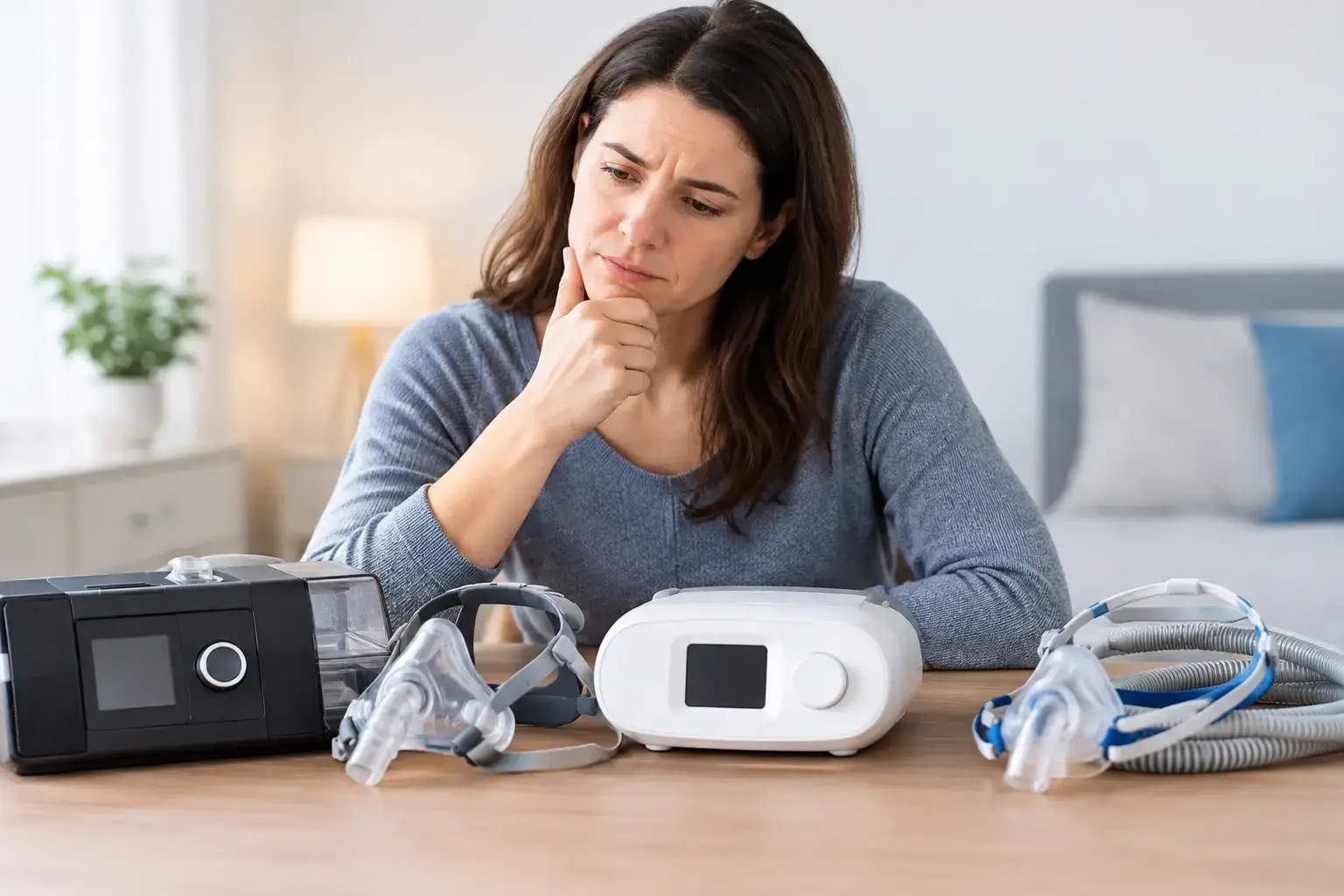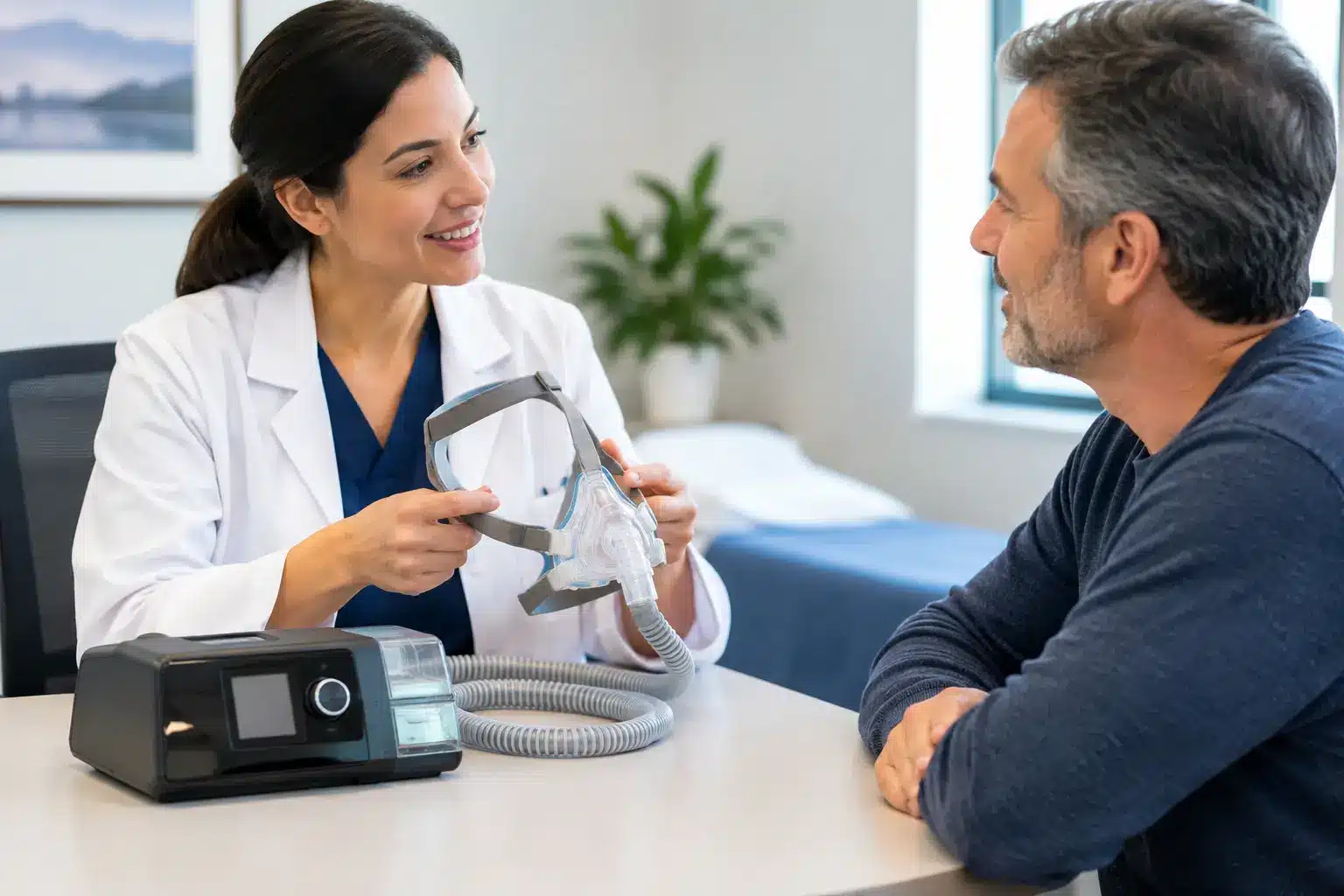
A CPAP prescription can feel like one more medical task on an already crowded list. You may be tired, worried about cost, or picturing a loud machine and an uncomfortable mask. A good first CPAP appointment guide should make the process feel far more manageable: you are there to get a treatment plan that works in real life, not to be rushed into equipment you do not understand.
Your first appointment is where the right provider earns your trust. You should leave knowing what your machine does, why your settings were chosen, how your mask should feel, what your insurance covers, and exactly who to call if something is not working.
Before Your First CPAP Appointment
Bring your sleep study, prescription, and insurance information if you have them. If your sleep physician or clinic sent paperwork directly to the equipment provider, confirm that it has been received before you arrive. Missing documents can delay your setup, and you should not have to make multiple trips because nobody checked.
It also helps to bring a list of medications, especially if you use sleep aids, pain medication, or medication that causes congestion or dry mouth. Your clinician does not need to manage your prescriptions, but these details can explain why you may need added humidity, a different mask style, or a closer follow-up plan.
Think about what happens during your usual night. Do you sleep on your side, stomach, or back? Do you wear glasses to read in bed? Does your partner mention mouth breathing? Do you have a beard, frequent nasal congestion, dentures, or sensitive skin? These are not small details. They directly affect which mask is likely to be comfortable and stable.
If a spouse, adult child, or caregiver helps you with appointments, bring them along if you want the support. CPAP is personal, but having another person hear the instructions can be useful during the first few nights at home.
What Happens at a First CPAP Appointment?
The appointment should begin with a plain-language conversation about your diagnosis and prescription. Sleep apnea treatment is not one-size-fits-all. Your provider should explain whether your prescription calls for standard CPAP, auto-adjusting CPAP, bilevel therapy, or another type of device. They should also explain the pressure range or settings in terms you can understand.
You do not need to become a sleep technician. But you do deserve to know what the equipment is intended to do and how it will be checked over time. Many modern machines record therapy data such as usage, leak levels, and treated breathing events. That data helps identify whether a problem is caused by mask leaks, low usage, congestion, or settings that need clinical review.
Your mask fitting matters more than the box
The mask is the part of CPAP therapy you feel every night. A machine can be excellent, but a poorly fitted mask can make treatment frustrating from the start. Your provider should let you try appropriate options while you are sitting up and while you are lying back, with air flowing through the mask.
Nasal masks cover the nose and are often a good option for people who breathe through their nose at night. Nasal pillow masks are smaller and less bulky, which some active sleepers prefer. Full-face masks cover the nose and mouth and can be helpful if you breathe through your mouth, have frequent congestion, or cannot keep your mouth closed comfortably during sleep.
There are trade-offs. A minimal mask may feel less restrictive but can shift more easily for some sleepers. A full-face mask may provide more coverage but can feel warmer or leave more contact marks. The best choice is not the mask someone else likes. It is the mask that seals comfortably on your face at your prescribed pressure.
Do not accept the idea that pain, deep strap marks, or loud leaking are simply part of CPAP. A mask should be snug enough to seal, not tightened until it hurts. In many cases, overtightening actually makes leaks worse by distorting the cushion.
Machine setup should be hands-on
Ask for a real demonstration, not a quick handoff. You should see how to connect the tubing, install and remove the water chamber if your machine uses one, start therapy, use the ramp feature, and adjust humidity within the recommended range. You should also know what each on-screen message means and how to pack the device for travel.
Humidification is often helpful for dry nose, dry throat, or congestion, but more humidity is not always better. Too much can create condensation in the tubing, sometimes called rainout. Too little may leave you dry and uncomfortable. Your starting settings may need adjustment after you have used the machine at home for several nights.
A provider should program the device according to your prescription before you leave. Be cautious with anyone who expects you to set clinical pressure values yourself without instruction or follow-up. Comfort settings may be adjustable, but prescription therapy settings should be handled with clinical guidance.
Questions to Ask at Your CPAP Setup
This first CPAP appointment guide is not about memorizing medical terms. It is about asking the questions that protect your comfort, time, and money. Ask what equipment is included in the quoted price, whether setup and mask fitting are extra, and whether there are charges for follow-up help, data downloads, or pressure programming.
You should also ask how direct insurance billing works. Confirm what documentation is required, what amount is covered, whether you will pay any balance, and what happens if your claim is delayed. Transparent answers matter. A CPAP provider should not surprise you with setup fees or vague add-ons after you have already committed.
Ask how to clean the mask, tubing, chamber, and filters, and how often each item typically needs replacement. Replacement schedules vary by insurance plan, equipment condition, and personal use. You do not need to replace a part simply because someone pressures you, but worn cushions, stretched headgear, and clogged filters can affect comfort and treatment.
Finally, ask who will help after the appointment. The first week is when questions come up: a small leak, dry mouth, a stuffy nose, a machine message, or a mask that felt fine in the office but slips at home. At CPAP One-Stop, hands-on setup, fitting, and ongoing clinician support are part of making treatment personal, not an afterthought.
Your First Week With CPAP at Home
Aim to use the machine every time you sleep, including naps. The first few nights may feel unfamiliar, and that is normal. Your goal is not to prove you can tolerate discomfort. Your goal is to help your body learn a new sleep routine while addressing problems early.
Put the mask on while you are awake for 10 to 20 minutes before bed. Sit somewhere comfortable, turn on the air, and practice breathing normally. This low-pressure practice can make bedtime feel less intimidating, especially if you are prone to anxiety or feel claustrophobic.
If you wake up with a leak, do not immediately tighten every strap. Turn off the machine, reseat the cushion on clean, dry skin, and restart the air. If you are waking with dry mouth, it may point to mouth breathing, humidity needs, or a mask issue. If you feel bloated, struggle against the air, or repeatedly remove the mask in your sleep, call your provider rather than trying to solve it alone.
When to Call for Help
Contact your CPAP provider promptly if you develop skin breakdown, severe nasal irritation, persistent headaches, chest discomfort, or a major change in how you feel. Contact your prescribing clinician or seek urgent medical care for serious symptoms such as chest pain or severe shortness of breath.
For everyday issues, early support can prevent a small nuisance from becoming a reason to quit. Leaks, condensation, dry throat, mask discomfort, and difficulty getting used to pressure are common troubleshooting concerns. They are also usually fixable when someone takes the time to listen and adjust the right part of the setup.
Your first CPAP appointment is not a test you have to pass. It is the beginning of treatment that should fit your sleep, your face, your budget, and your life. Ask direct questions, expect clear pricing, and give yourself permission to request help until the equipment feels right.