The first few nights with CPAP can feel like a lot: unfamiliar air pressure, a mask on your face, and the pressure of knowing you need this treatment to work. This CPAP therapy compliance guide is built for the real issues that cause people to quit too soon. Most problems are fixable, but they need the right adjustment instead of more frustration.
CPAP compliance does not mean forcing yourself through miserable nights. It means finding a setup that treats your sleep apnea comfortably enough to use whenever you sleep. That includes naps, weekends, and travel nights – not just the nights when everything goes perfectly.
What CPAP Compliance Really Means
Many insurance plans use a basic compliance benchmark of using CPAP for at least four hours a night on 70 percent of nights during an initial period. That may matter for coverage, but four hours is not the finish line for your health. Sleep apnea can return as soon as you remove the mask, so the practical goal is to wear your equipment for your full sleep period.
Your machine records useful information such as hours used, mask leak, and events per hour. Those numbers can help identify a problem, but they do not tell the whole story. If you are wearing the mask all night but still waking exhausted, struggling with dry mouth, or feeling bloated with air, your treatment may need attention.
The best approach is simple: build the habit early, then correct the obstacles as they show up. Do not wait weeks hoping discomfort will disappear on its own.
CPAP Therapy Compliance Guide: Solve the Common Barriers
Start with the mask, not your willpower
A poorly fitted mask is one of the biggest reasons people stop using CPAP. It can leak into your eyes, leave painful marks, make noise, or feel like it is pushing against your face all night. None of that is a normal price you should have to pay for treatment.
Mask style matters. A nasal mask covers the nose and works well for many people who breathe through their nose at night. Nasal pillows are smaller and less bulky, but some users find the direct airflow takes getting used to. A full-face mask may be the better choice if you regularly breathe through your mouth, have chronic nasal congestion, or wake with a very dry mouth.
Do not overtighten the straps to stop leaks. Many modern cushions are designed to inflate slightly against the skin. Straps that are too tight can distort the cushion, create more leaks, and cause pressure sores. Adjust the mask while lying down with the machine running, since your facial position changes once you are in bed.
If your mask has become stiff, oily, torn, or impossible to seal, it may simply be worn out. Replacing a tired cushion can make a bigger difference than endlessly readjusting it.
Make dryness and congestion manageable
Dry nose, dry mouth, and congestion can turn a manageable night into a miserable one. Start by checking whether your humidifier is active and filled with distilled water as recommended for your machine. Increase humidity gradually rather than turning it to the highest setting immediately. Too much moisture can create condensation in the tubing, sometimes called rainout.
If water is collecting in the tube, try lowering the humidity slightly, raising the tubing above the bed, or using heated tubing if your setup supports it. A cooler bedroom can make rainout more likely.
For nasal congestion, a saline rinse or spray before bed may help. If congestion is ongoing, talk with your clinician or prescribing provider. Do not assume you need to tolerate mouth breathing, severe dryness, or a blocked nose every night. Those symptoms often point to a mask, humidity, or pressure issue that can be addressed.
Give yourself an awake practice period
Putting on CPAP only when you are exhausted can make the equipment feel more overwhelming. Spend 15 to 30 minutes wearing the mask while awake, such as while watching television, reading, or sitting comfortably. Use the machine during that time so your body gets used to the sound and airflow.
This technique is especially helpful if you feel claustrophobic or immediately want to remove the mask. Start with short sessions, breathe normally, and build up. The goal is not to prove toughness. It is to teach your brain that the mask is safe and routine.
Use your machine’s ramp feature if it helps you fall asleep. Ramp begins at a lower pressure and gradually increases. Some people love it; others feel they are not getting enough air at the beginning. If you feel air-starved, ramp settings may need to be changed rather than abandoned.
Build a Routine That Survives Real Life
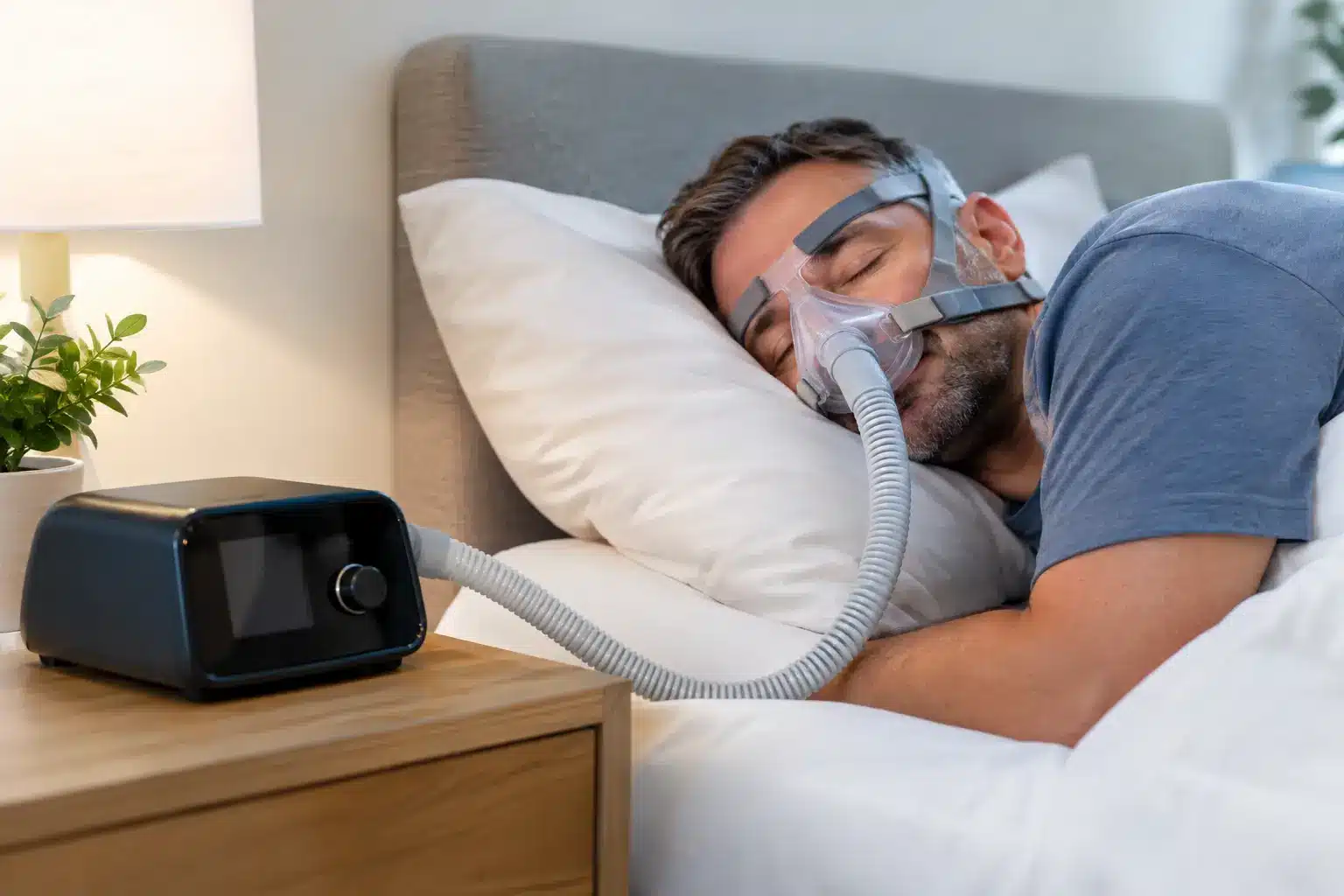
CPAP works best when it becomes as automatic as locking the front door before bed. Keep your machine where it is easy to use, with the tubing positioned so it will not pull when you turn. Fill the humidifier before bedtime, not after you are already half asleep.
A simple evening routine reduces skipped nights: clean the mask cushion as needed, check the water chamber, connect the tubing, and put the mask on before you feel drowsy. If you wake during the night and remove the mask, put it back on when you return to bed. Even partial-night use is better than deciding the entire night is lost.
Travel is another common break in the habit. Pack your CPAP with its power supply, mask, tubing, and any needed adapters. Keep it with you rather than checking it with luggage. If you will be away for several nights, plan for therapy the same way you would plan for medications. A single missed night may leave you sleepy, but repeated gaps can quickly undo the routine you worked to build.
Use Your Data to Ask Better Questions
Your CPAP data can turn vague frustration into a clear conversation. If your machine reports high leak, the mask fit or mask type may need attention. If your apnea events remain high despite regular use, pressure settings or another aspect of your treatment may need to be reviewed. If your numbers look acceptable but you still feel unwell, sleep duration, medications, other health conditions, and sleep quality also deserve consideration.
Do not change prescribed pressure settings on your own without guidance. A trained clinician can review your download, check the equipment, and help determine whether the issue is leakage, pressure intolerance, central events, or something unrelated to CPAP.
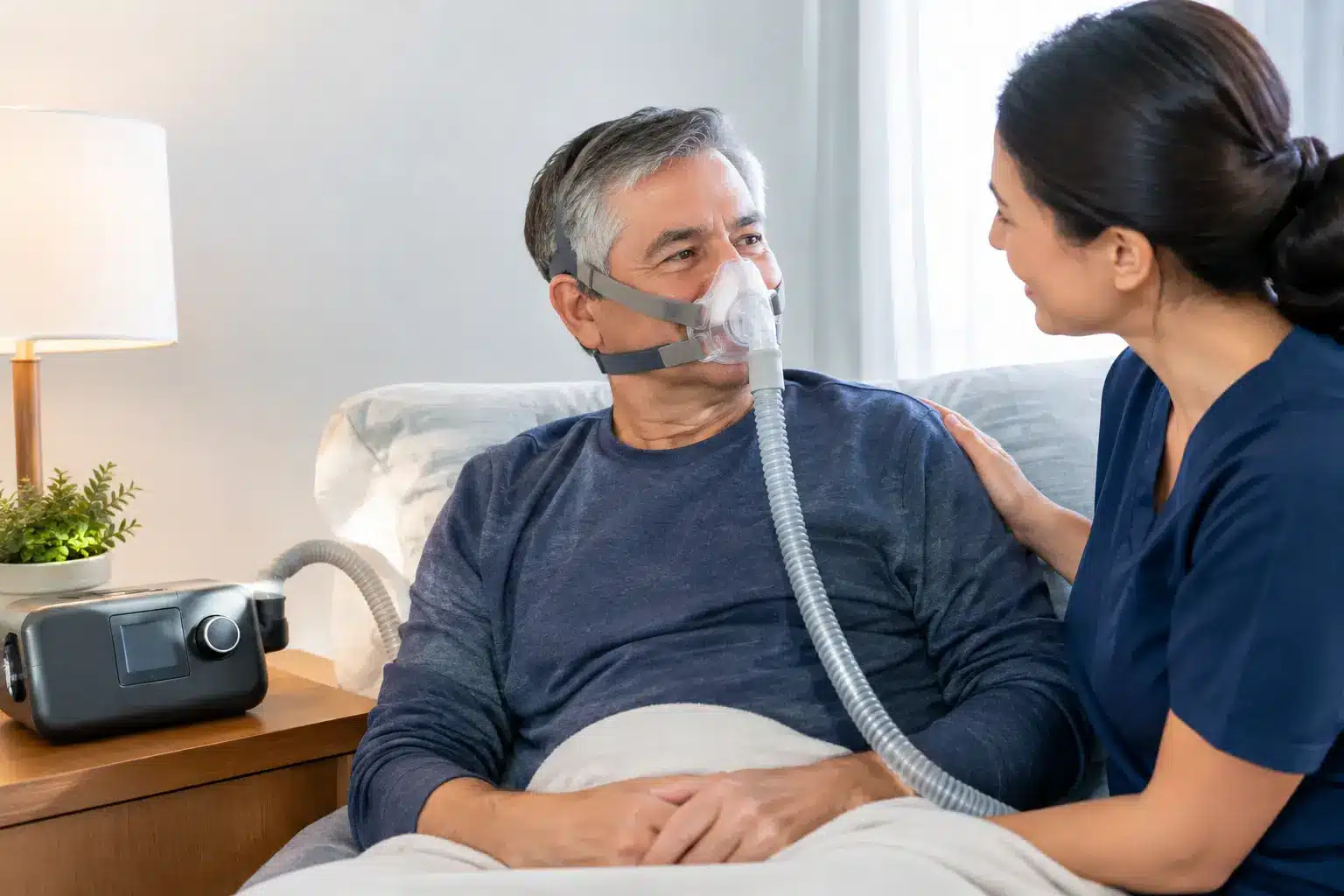
For patients who need hands-on help, CPAP One-Stop offers mask fitting, machine setup, data downloads, and clinician support so small problems do not become reasons to stop therapy. You should never have to guess whether your equipment is working as intended.
Know When a Problem Needs Prompt Attention
Some adjustment is expected at the start, but certain concerns should be addressed quickly. Contact your sleep provider or equipment clinician if you have persistent severe leaks, skin breakdown, worsening daytime sleepiness, chest discomfort, repeated panic with the mask, or a sensation that the pressure is consistently unbearable.
Aerophagia, or swallowing air, can cause burping, bloating, and abdominal discomfort. It can happen when pressures are not well tolerated, but it may also be affected by sleep position and other factors. Do not just stop treatment and accept the symptoms. A review of your therapy can often identify a better path.
If you are sick with a cold, you may need temporary comfort adjustments, extra humidity, or help managing congestion. Unless a healthcare professional tells you otherwise, try not to let a short illness become a permanent break from therapy.
Avoid the Costly Mistake of Delaying Support
Patients are sometimes told that leaks, discomfort, and confusing equipment are just part of CPAP. They are not. You deserve clear pricing, a proper setup, and someone who will explain what your machine data means without rushing you out the door.
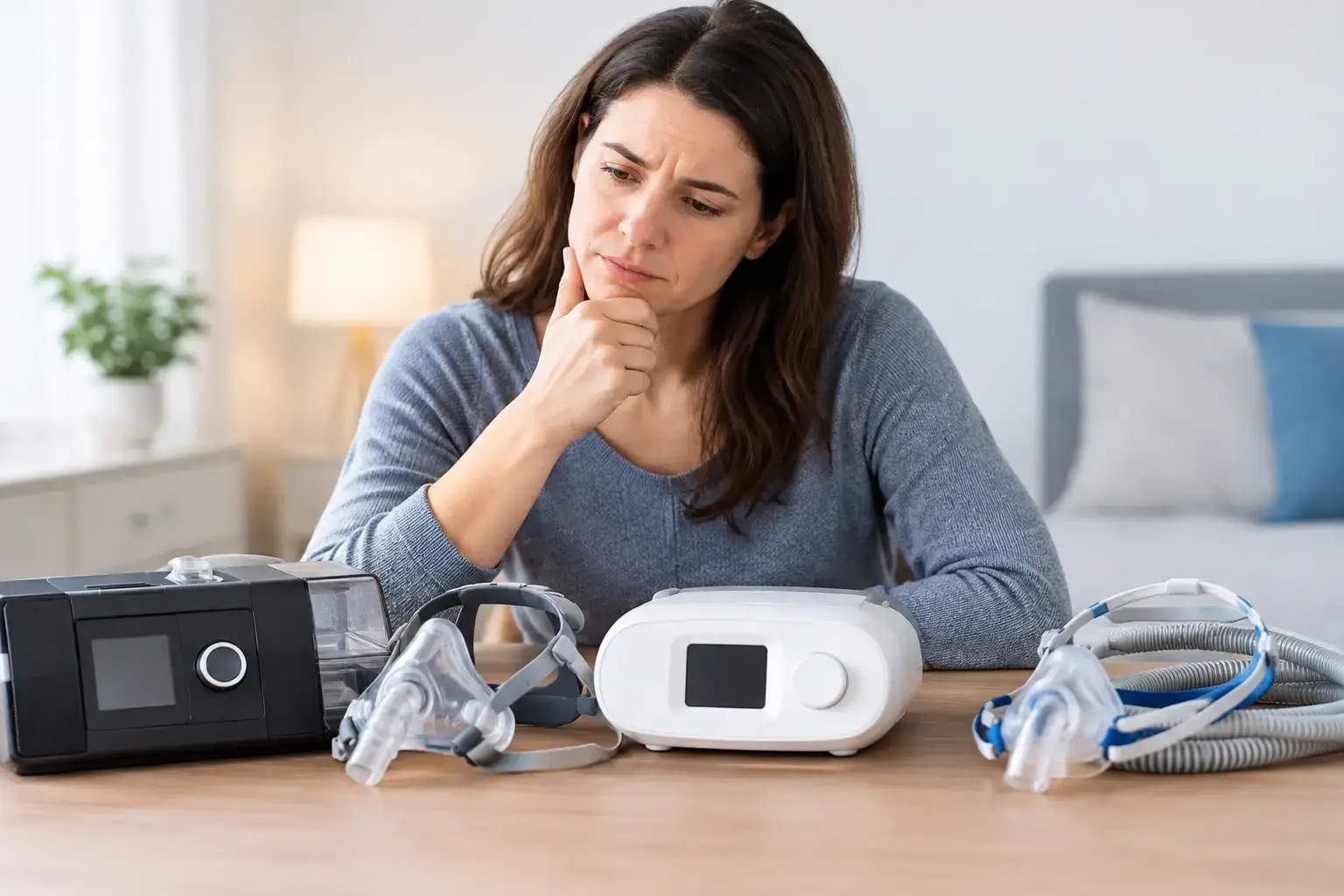
Before paying for a new mask or accessory, make sure you know what problem you are trying to solve. The most expensive option is not automatically the best fit, and unnecessary setup fees do not improve your treatment. A personalized fitting and an honest review of your current equipment can prevent wasted money and more sleepless nights.
Tonight, focus on one fix instead of trying to solve everything at once: adjust the mask, refill the humidifier, practice while awake, or call for help with your data. Small corrections made early can turn CPAP from a bedside struggle into the steady treatment that helps you wake up ready for the day.