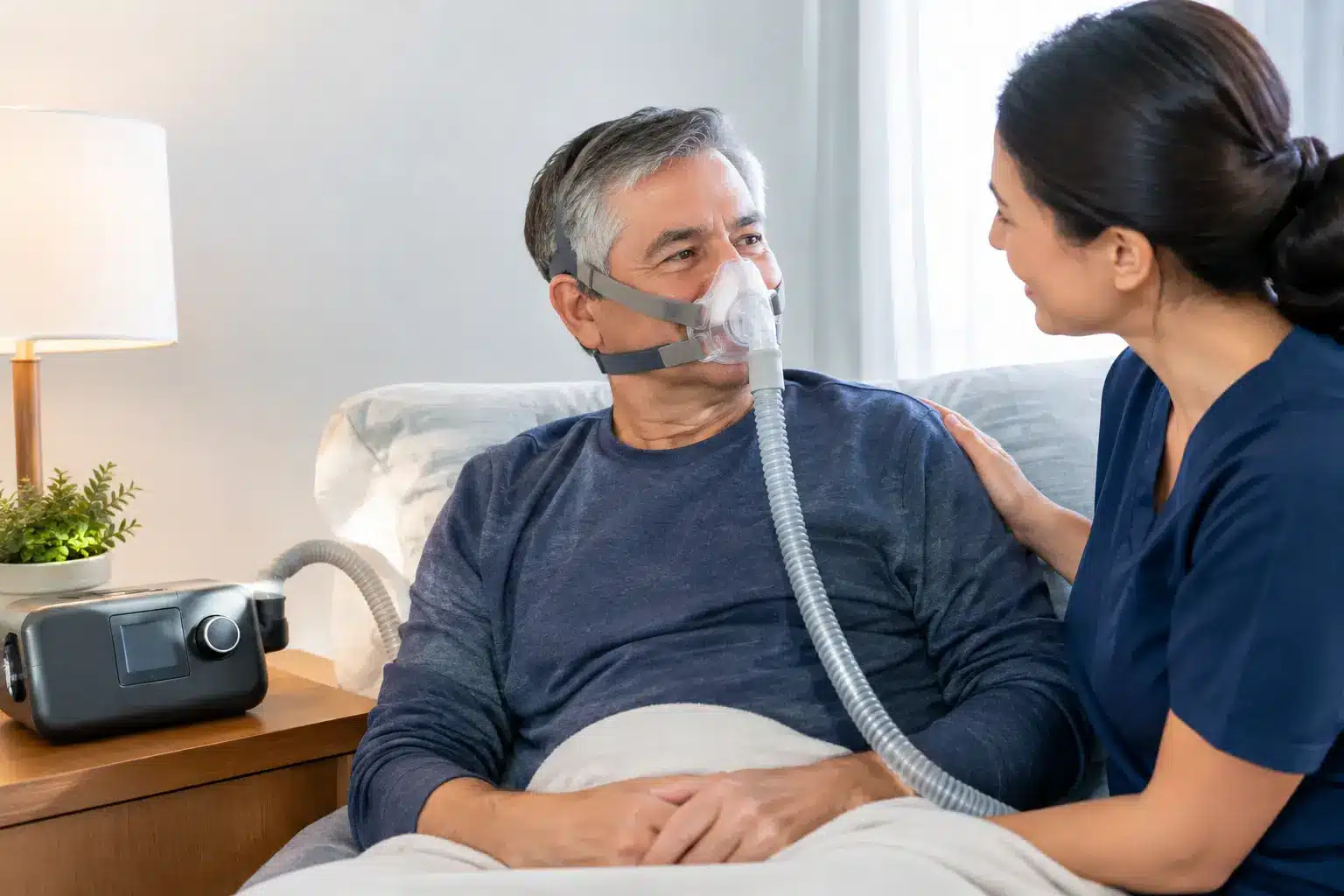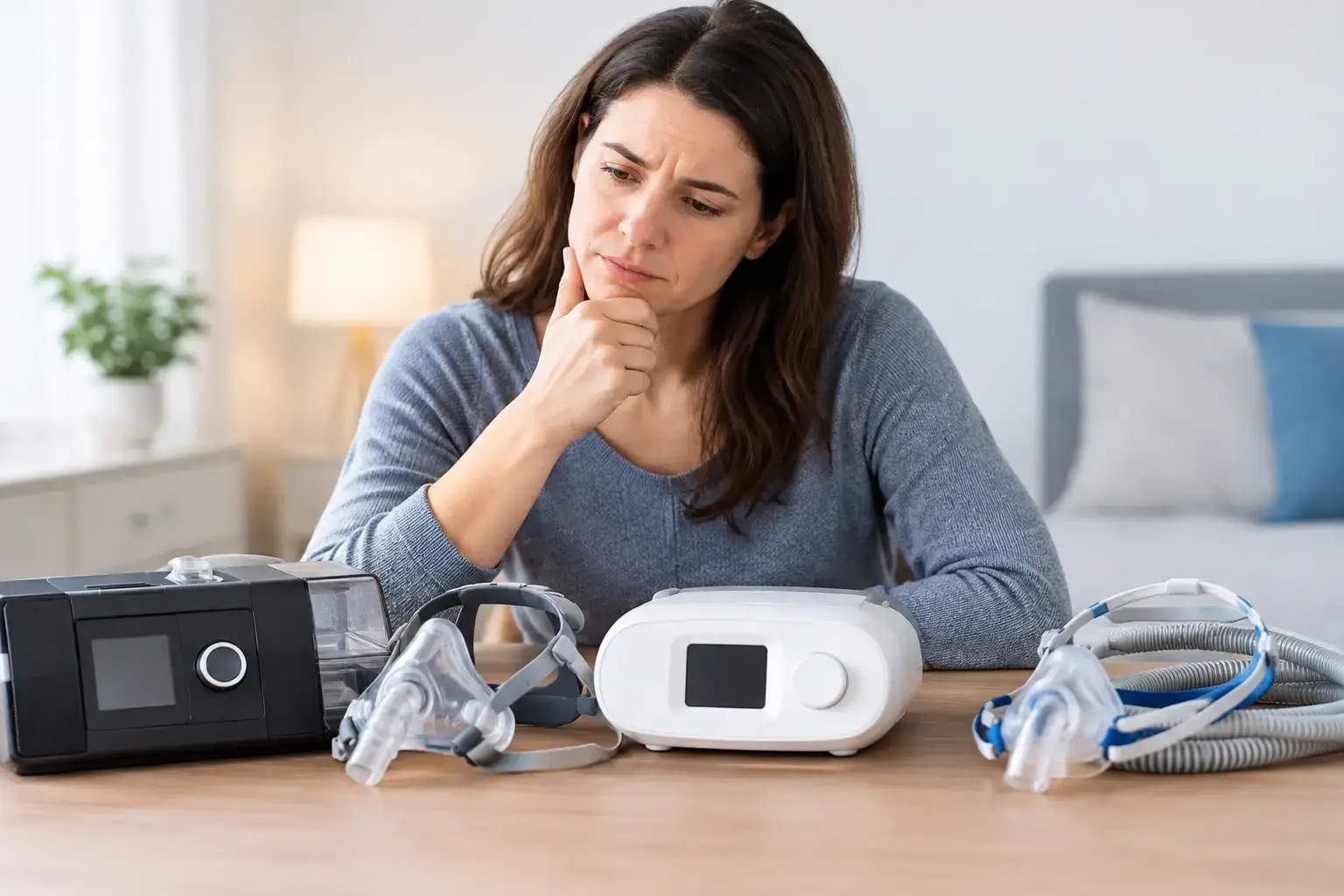
A CPAP machine can be set perfectly, but if the mask leaks, pinches, or makes you feel claustrophobic, treatment can quickly become frustrating. CPAP masks are the part of therapy you feel every night, so the right fit is not a small detail. It is the difference between taking the mask off at 2 a.m. and waking up knowing your therapy actually stayed on.
For new CPAP users, mask choice can feel unnecessarily confusing. There are several styles, several cushion sizes, and plenty of opinions from friends and online reviews. The right answer is more personal: it depends on how you breathe, how you sleep, the shape of your face, and what makes you comfortable enough to use CPAP consistently.
Why CPAP Mask Fit Matters So Much
A CPAP mask must create a stable seal while delivering pressurized air. If it is too loose, air escapes around the cushion and can blow into your eyes, make noise, or trigger dry mouth. If it is too tight, it can leave deep marks, cause soreness, and still leak because the cushion is being distorted.
A good mask fit should feel secure, not restrictive. You should be able to move naturally in bed without constantly adjusting the headgear. Some minor airflow sound is normal, especially from the intentional vent, but repeated hissing around the nose or cheeks usually signals a fit issue.
Mask comfort also affects how much therapy you receive. Using CPAP for only part of the night may leave you feeling tired and can limit the benefit of treatment. That is why a proper fitting is worth the time. You should not be expected to simply pick a box off a shelf, go home, and hope for the best.
The Main Types of CPAP Masks
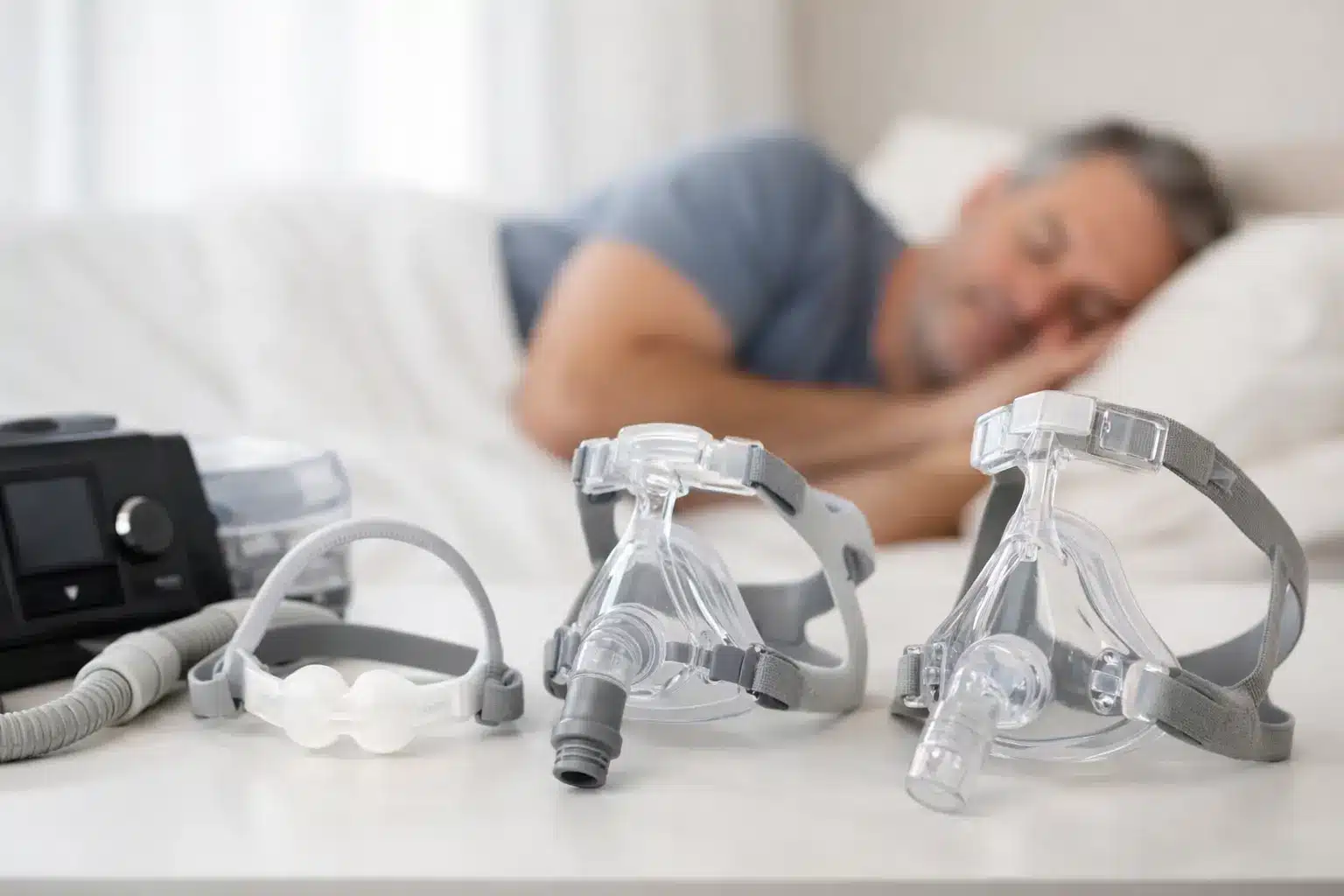
Most CPAP masks fall into three categories. Each can work well, but each has a different feel and set of trade-offs.
Nasal pillow masks
Nasal pillow masks sit at the nostrils with small soft cushions that seal at the entrance of the nose. They are usually the lightest option and have minimal facial coverage. Many people who feel confined by larger masks prefer this style, and they can be a practical choice for side sleepers because there is less mask against the pillow.
The trade-off is that nasal pillows may feel too direct for people who need higher pressure settings or have sensitive nostrils. They also work best when you generally breathe through your nose. If you regularly wake with your mouth open, air may escape and reduce the effectiveness of therapy.
Nasal masks
A nasal mask covers the nose from the bridge down to the upper lip. It offers a familiar middle ground: more coverage and stability than nasal pillows, without covering the mouth. For many first-time users, it is a comfortable starting point.
Nasal masks are often a strong option for people who move during sleep or use moderate to higher pressures. However, they can leak near the bridge of the nose if the size or cushion shape is wrong. A different cushion size, frame style, or adjustment to the upper straps can often solve the problem without overtightening the mask.
Full-face masks
A full-face mask covers both the nose and mouth. It is often recommended for mouth breathers, people with frequent congestion, or those who need higher pressure. When you are sick or dealing with seasonal allergies, the ability to breathe through your mouth can make therapy easier to continue.
Full-face masks have more surface area, so they can feel bulkier than other styles. They also require careful fitting because a small leak can become disruptive at higher pressures. That does not mean they are uncomfortable by default. Modern full-face designs are lighter and less intrusive than many people expect, especially when fitted correctly.
How to Choose the Right CPAP Mask for Your Sleep Habits
Start by being honest about your normal sleep, not the sleep you hope to have. If you sleep on your side, look for a mask with a low-profile frame and flexible tubing connection. If you toss and turn, a top-of-head hose connection may keep the tube from pulling on the mask. If you wear glasses before bed or like to read, an open-field design can be helpful.
Your breathing pattern matters just as much. A person who consistently breathes through the nose may do very well with nasal pillows or a nasal mask. A person who wakes with a dry mouth, has chronic nasal congestion, or knows they breathe through the mouth will often be better served by a full-face option.
Facial hair can also affect the seal, particularly with full-face masks. You do not necessarily need to shave, but a shorter, well-maintained beard may make it easier to get a reliable fit. The goal is not perfection. The goal is a seal that remains comfortable and effective through the night.
Do not choose based only on what another person uses. A mask that is excellent for a spouse, friend, or online reviewer may be completely wrong for your facial structure or pressure needs.
Getting a Better Fit at Home
The best time to adjust a mask is while your CPAP is running, not before you turn the machine on. Air pressure changes the way the cushion sits against your face. Lie down in your usual sleep position, start the machine, and make small adjustments one strap at a time.
Begin with the straps looser than you think they should be. Let the cushion inflate against your skin, then tighten only enough to stop active leaking. If a leak starts when you turn your head, reposition the cushion first. Pulling the straps tighter is often the instinctive fix, but it can make the leak worse.
Keep your face clean before putting on the mask. Facial oils, moisturizers, and makeup can reduce grip and shorten cushion life. If you use moisturizer at night, choose a product that absorbs fully before you put on the mask.
If you hear a leak near your eyes, gently lift the mask away from your face for a moment and let it reseal. For leaks around the mouth with a full-face mask, check whether the lower straps are balanced. One side tightened much more than the other can pull the cushion out of position.
Common CPAP Mask Problems and What They Usually Mean
A dry mouth often points to mouth breathing or a mouth leak. For some people, humidifier adjustments help. For others, changing from a nasal mask to a full-face mask is the more reliable answer.
Red marks or sore spots can mean the mask is too tight, the cushion is worn, or the mask shape is not right for your face. Marks that fade quickly in the morning can be normal. Pain, skin breakdown, or marks that last for hours deserve attention.
Frequent leaks are not always a sizing problem. They can happen when cushions become less flexible with age, when headgear loses elasticity, or when the tubing pulls against the mask as you change positions. A clinician can help identify whether you need a different adjustment, replacement parts, or a different mask style altogether.
Feeling anxious in a mask is also common, especially during the first few nights. Practice wearing it while awake for short periods with the machine running. Sit in a comfortable chair, watch television, or read while you get used to the airflow. This gradual approach can make bedtime feel far less intimidating.
Cleaning and Replacing CPAP Masks
A clean mask is more comfortable and more likely to seal well. Wash the cushion daily with warm water and mild soap, then rinse thoroughly and allow it to air dry away from direct sunlight. Avoid harsh cleaners, alcohol, bleach, and strongly scented products, which can damage materials and irritate the skin.
Wash the headgear and frame regularly according to the manufacturer instructions. If you have facial oils, use moisturizer, or have sensitive skin, you may need to clean the cushion more carefully to prevent buildup.
Replacement timing varies by manufacturer, insurance plan, and how quickly parts wear. Watch for a cushion that feels stiff, looks discolored, leaks despite proper adjustment, or requires tighter straps than before. Those are practical signs that replacement may be due. Waiting too long can turn a once-comfortable mask into a nightly struggle.
Do Not Settle for a Mask That Is Not Working
CPAP therapy is personal. You deserve clear answers about what you are paying for, how your equipment works, and what can be adjusted when something feels wrong. A mask fitting should include trying options, checking the seal under pressure, and explaining how to care for the equipment – not just handing you a box.
At CPAP One-Stop, the focus is on helping patients find a setup they can actually live with, without setup fees or confusing pressure to accept a poor fit. Whether you are starting therapy after a new diagnosis or replacing a mask that no longer works, ask for hands-on help. The right mask should make treatment feel more manageable, one comfortable night at a time.