Full Face Versus Nasal Mask: Which Fits You?
A mask can look perfectly fine while you are sitting upright, then start leaking the moment you roll onto your side. That is why the full face versus nasal mask decision is about more than appearance or price. The right choice is the one that lets you breathe naturally, keeps a dependable seal, and makes CPAP therapy comfortable enough to use every night.
For many people, a nasal mask feels smaller and less restrictive. For others, especially those who breathe through their mouth while asleep, a full face mask is the difference between effective therapy and waking up with a dry mouth, air leaks, and frustration. Neither style is automatically better. Your breathing habits, pressure settings, sleep position, congestion, and facial comfort all matter.
Full Face Versus Nasal Mask: The Main Difference
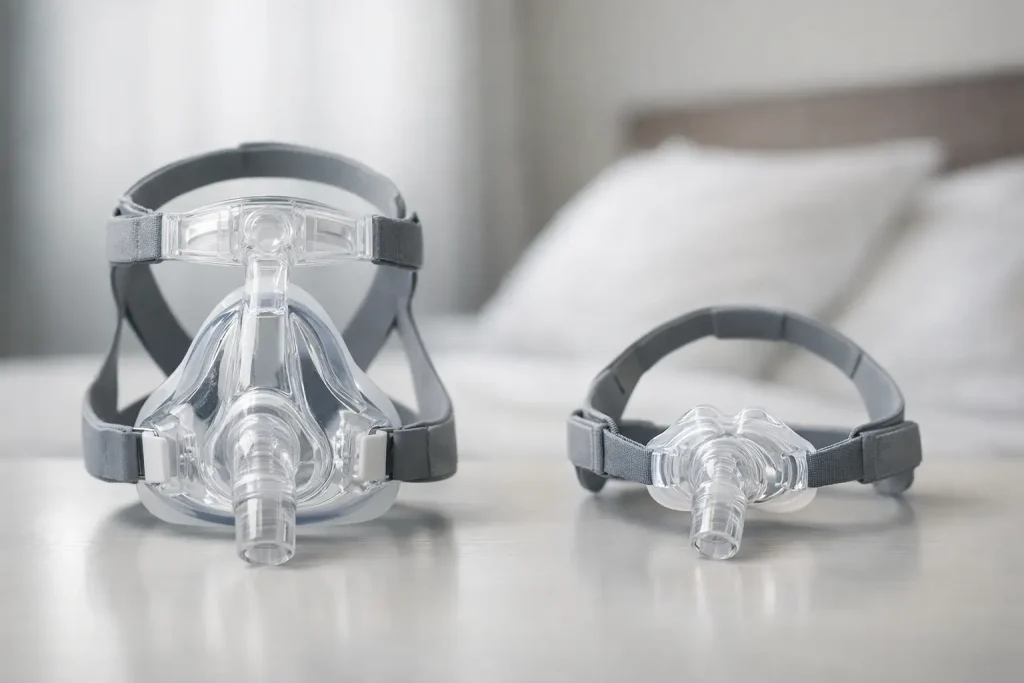
A nasal mask covers the nose only. It delivers pressurized air through your nostrils and is usually held in place with headgear around the cheeks and back of the head. It is a popular option for people who naturally keep their mouth closed during sleep and prefer a lighter feel around the face.
A full face mask covers both the nose and mouth. It allows you to receive therapy even if your mouth opens during the night. This added coverage can make the mask feel larger, but it can also prevent the loss of therapy air that happens when a mouth breather uses a nasal-only mask.
The basic question is simple: can you comfortably breathe through your nose all night? If the answer is usually yes, a nasal mask may be an excellent starting point. If you regularly wake with your mouth open, have chronic nasal blockage, or cannot reliably keep your mouth closed during sleep, a full face mask may be the more practical choice.
When a Nasal Mask Often Makes Sense
Nasal masks are a strong option for many CPAP users because they cover less of the face. Less mask surface can mean fewer places for leaks to develop, especially for side sleepers. They also leave the mouth uncovered, which some people find less claustrophobic.
A nasal mask may fit you well if you breathe mainly through your nose, have manageable allergies or congestion, and do not wake with a dry mouth. People who wear glasses, read in bed, or dislike a bulky mask often appreciate the open field of vision that many nasal designs provide.
There is one condition: nasal breathing needs to remain dependable after you fall asleep. Many people start the night breathing through their nose, then relax and open their mouth later. If that happens, pressurized air can escape through the mouth. Your CPAP machine may still run, but the therapy can become less effective and far less comfortable.
A chin strap can help some nasal-mask users keep their jaw from dropping open. It is not a guaranteed fix for every mouth leak, and it should not be used to force an uncomfortable setup. If you are constantly adjusting a chin strap or still waking with dry mouth, it is worth reconsidering the mask style rather than simply tightening everything.
When a Full Face Mask Is the Better Choice
A full face mask is often the sensible choice for regular mouth breathers. It gives therapy air a sealed path through both the nose and mouth, so you can continue receiving treatment even if your mouth opens while you sleep.
It can also be helpful when nasal congestion is frequent or unpredictable. Seasonal allergies, a cold, a deviated septum, or ongoing sinus issues can make nasal-only breathing difficult. A full face mask gives you more flexibility on those nights when your nose is not cooperating.
Higher CPAP pressures are another reason some people prefer a full face mask, although pressure alone does not decide the issue. At higher settings, air escaping through the mouth can be especially disruptive with a nasal mask. A properly fitted full face mask may control that problem more effectively.
The trade-off is that full face masks have a larger cushion and more surface area against the skin. That can create more opportunities for leaks around the bridge of the nose, cheeks, or chin. The answer is not to overtighten the headgear. A mask that is cranked down too hard can distort the cushion, create pressure marks, and leak even more.
Comfort Is About Fit, Not Just Mask Style
A common mistake is deciding that you “cannot wear” a full face or nasal mask after trying one poorly fitted model. Masks vary widely. Some full face masks sit below the bridge of the nose, while others use an under-the-nose cushion that may feel less confining. Some nasal masks have a traditional triangular cushion; others are smaller cradle-style designs.
Your facial shape, facial hair, dentures, skin sensitivity, and preferred sleep position can all affect which design seals best. A mask that works beautifully for a spouse, friend, or online reviewer may not be right for your face.
Facial hair deserves special attention. A beard or mustache can interrupt the seal of any mask, but the effect may be more noticeable with a larger full face cushion. You do not necessarily need to shave. You may simply need a different cushion shape, careful fitting, or a mask design that contacts a smaller area of the face.
If you have sensitive skin, look for a fit that feels secure without leaving deep marks, soreness, or skin breakdown. Mask liners and cushion pads may help, but they should support a good fit rather than compensate for the wrong mask size.
Leaks Tell You Something Useful
A little movement or brief leak during the night is not always a crisis. Constant hissing, air blowing toward your eyes, repeated awakenings, or a leak number that stays high in your machine data deserves attention.
With a nasal mask, dry mouth is one of the clearest clues that mouth leak may be occurring. You may also notice your partner hearing air escape after you fall asleep. With a full face mask, leaks often show up around the nose or lower edge of the cushion when you change positions.
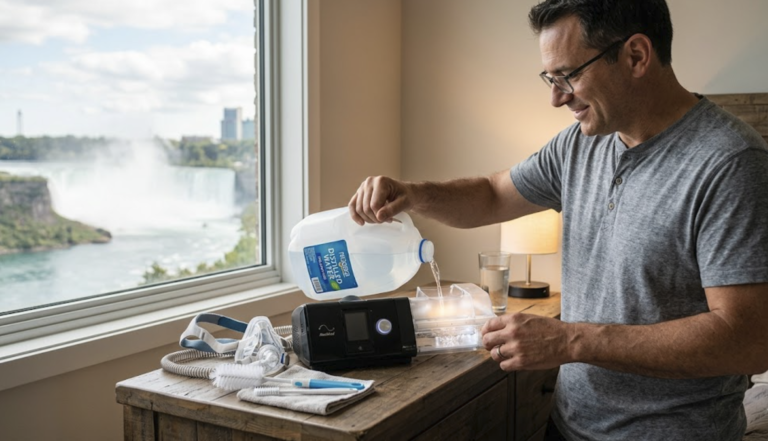
Before replacing a mask, check the basics. Clean the cushion according to its instructions, inspect it for wear, confirm the size, and put it on while lying in your normal sleep position. CPAP cushions are designed to inflate gently against the skin. Tightening the straps more and more is rarely the best first move.
If leaks continue, a professional mask fitting can save you from spending money on one wrong mask after another. A clinician can watch how the mask sits, check the seal at your prescribed pressure, and help identify whether the issue is sizing, mouth breathing, worn equipment, or a mask style mismatch.
Your Sleep Position Can Change the Answer
Side sleepers often want the least bulky setup possible because the pillow can push against the mask. A nasal mask may be easier to manage for some side sleepers, but a well-designed full face mask can also work very well when properly fitted. The key is whether the cushion stays stable when your face presses into the pillow.
Back sleepers may have fewer pillow-related leak issues, yet they can be more likely to relax into open-mouth breathing. If you sleep on your back and wake with a dry mouth, do not assume your nasal mask is failing. It may be showing you that your mouth is opening overnight.
Active sleepers should prioritize stability. Look for headgear that stays in position and a hose connection that allows movement without pulling the mask sideways. The best mask is not necessarily the smallest one. It is the one that remains sealed when you turn, stretch, and settle into your usual sleeping position.
How to Make a Smart Choice Without Guessing
Start with your real nighttime habits, not what you wish your habits were. Think about whether you wake with dry mouth, deal with congestion, sleep with your mouth open, or feel anxious with anything covering your mouth. These details are more useful than choosing based on a product photo.
Then consider your therapy data and daily experience together. If your CPAP report shows high leaks and you feel tired, the mask setup needs attention. If the leak reading is acceptable but you have painful pressure marks or avoid putting the mask on, comfort still needs attention. Effective therapy is therapy you can keep using.
For first-time users, it helps to try the mask while awake for short periods. Sit comfortably, turn on the machine, breathe normally, and practice relaxing your face. This does not replace sleeping with the mask, but it can make the first few nights feel far less unfamiliar.
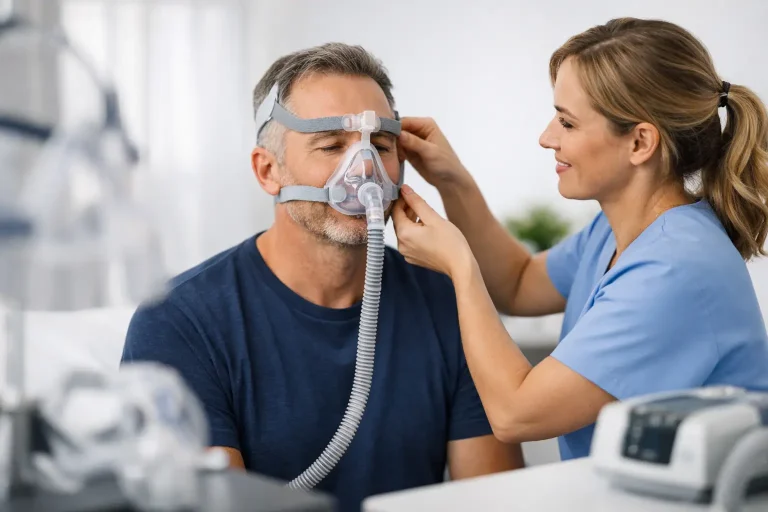
Do not let hidden setup fees or rushed fitting push you into a mask you are not confident about. A proper fitting should include clear instructions on cleaning, adjustment, replacing worn parts, and what to do if leaks or dry mouth appear. You deserve straight answers and equipment that supports your treatment, not a one-size-fits-all recommendation.
The Right Mask Supports Better Sleep
Choose a nasal mask when nasal breathing is reliable, your mouth stays closed overnight, and you prefer less facial coverage. Choose a full face mask when mouth breathing, regular congestion, or air escaping through the mouth is getting in the way of therapy. If you are between the two, your leak data and a hands-on fitting can make the decision much clearer.
Give yourself permission to change course if the first mask is not working. CPAP success is not about tolerating discomfort. It is about finding a fit that helps you put the mask on each night with confidence, breathe comfortably, and wake up ready for the day.