7 CPAP Therapy Benefits That Change Your Days
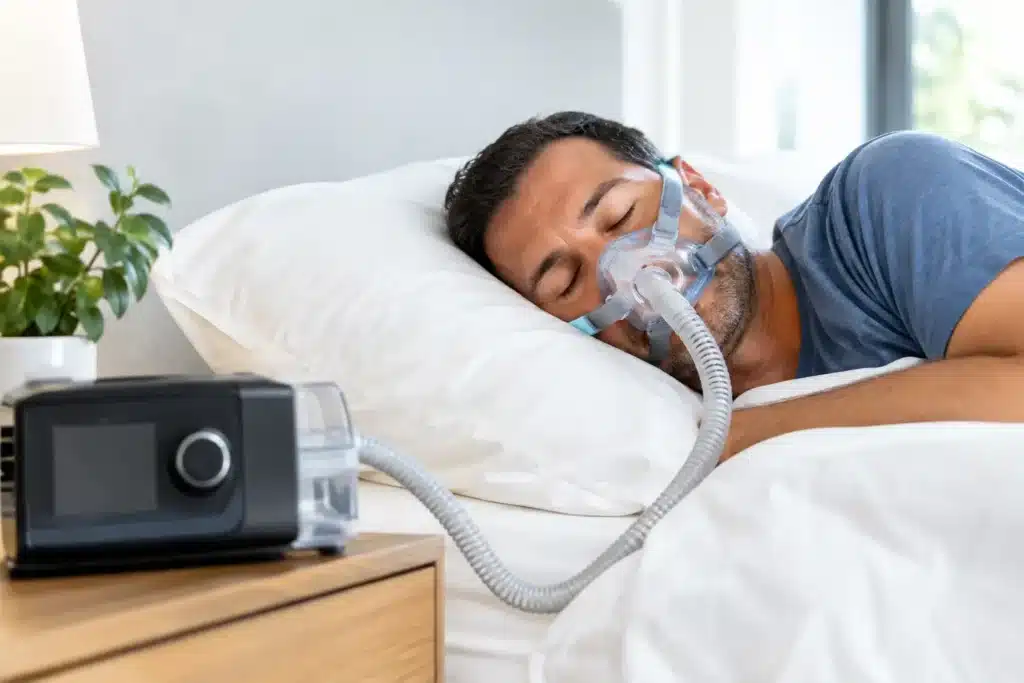
The most meaningful CPAP therapy benefits are often felt long after the machine is turned off. For many people with sleep apnea, the first signs are simple: waking up less often, feeling more alert at breakfast, or realizing they made it through a meeting without fighting to stay awake. CPAP treatment is not just about stopping snoring. It is about giving your body the consistent breathing it needs to recover overnight.
If you have recently been diagnosed, the equipment can feel like a lot at first. A machine, mask, tubing, settings, insurance paperwork – it is understandable to have questions. The good news is that with the right setup, a properly fitted mask, and support when you need it, CPAP can become a practical part of your routine rather than another source of stress.
1. More Restorative Sleep
Sleep apnea repeatedly narrows or blocks the airway during sleep. Each interruption can pull you out of deeper sleep, even if you do not remember waking up. That means a person can spend eight or nine hours in bed and still wake up exhausted.
A CPAP machine delivers a gentle, continuous stream of air that helps keep the airway open. When breathing disruptions are controlled, the body has a better chance to move through normal sleep stages without constant interruption. Many users report fewer sudden awakenings, less tossing and turning, and a more settled feeling in the morning.
Results vary. Some people notice a difference in the first few nights, while others need several weeks to adjust to the mask and pressure. Consistency matters more than chasing a perfect first night.
2. Better Daytime Energy and Focus
Persistent fatigue is one of the most frustrating effects of untreated sleep apnea. It can make routine tasks feel harder, from driving to work and running errands to concentrating on a conversation. Some people mistake this tiredness for normal aging, stress, or a busy schedule.
Effective CPAP therapy can reduce daytime sleepiness by helping you get the quality sleep that was missing. That may mean clearer thinking, better concentration, and less reliance on extra coffee to get through the afternoon. For people who drive for work or care for children or grandchildren, feeling more alert can make a real difference in daily safety and confidence.
CPAP is not a substitute for enough sleep. If you regularly sleep only five hours, treatment cannot create the benefits of a full night of rest. But it can help those hours become far more restorative.
3. Less Snoring and Fewer Disturbed Nights
Snoring is not always sleep apnea, but loud, frequent snoring can be a major warning sign. It can also disrupt a partner’s sleep night after night. When the airway stays open with CPAP treatment, snoring often becomes much quieter or stops altogether.
That benefit reaches beyond the person wearing the mask. Couples may be able to sleep in the same room again. Partners may worry less about long pauses in breathing. A household can become calmer when everyone is getting better rest.
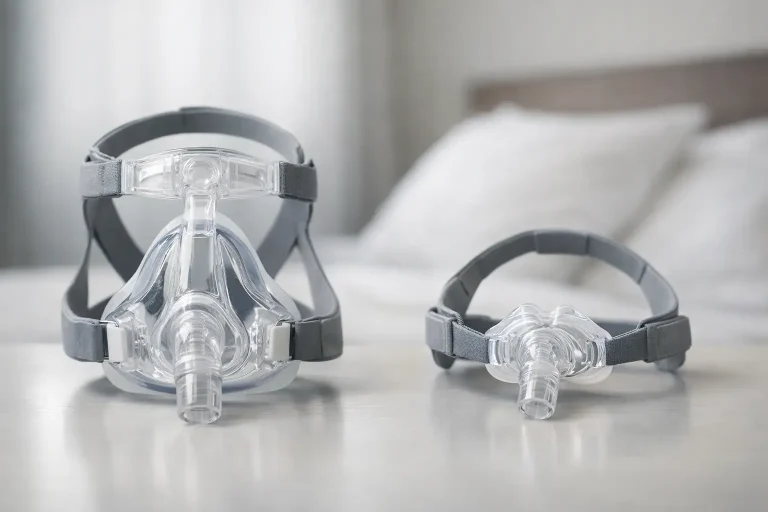
It is worth being realistic, though. A mask leak, mouth leak, or poor fit can bring noise back into the picture. This is why mask fitting is not a minor detail. The right style and size can improve comfort, reduce leaks, and make therapy easier to keep using.
4. Support for Heart and Overall Health
Untreated sleep apnea puts repeated stress on the body. Oxygen levels can drop during breathing events, while the heart and nervous system work harder to respond. Over time, sleep apnea is associated with high blood pressure, heart disease, stroke, type 2 diabetes, and other health concerns.
CPAP therapy helps by reducing obstructive breathing events and supporting steadier oxygen levels during sleep. For some people, especially those with high blood pressure, consistent treatment may be one useful part of a larger care plan that includes medication, movement, nutrition, and follow-up with a healthcare provider.
CPAP does not erase every health risk, and it does not replace medical care. But treating sleep apnea is a sensible, proactive step when your clinician has prescribed therapy. The goal is not only to feel less tired tomorrow. It is to stop leaving a serious sleep-related breathing problem untreated.
5. Improved Mood and Quality of Life
Poor sleep affects patience, motivation, and emotional resilience. When you wake up tired every day, small problems can feel bigger than they are. You may withdraw from social plans, struggle to enjoy hobbies, or feel irritable with the people closest to you.
As sleep becomes more stable, many CPAP users find they have more capacity for daily life. They may be more willing to exercise, more present with family, or simply more comfortable making plans without worrying about falling asleep on the couch. These changes can be gradual, but they count.
If low mood, anxiety, or severe fatigue continues even with regular CPAP use, speak with your doctor. Sleep apnea may be one part of the picture, but it is not always the only factor.
6. A Clearer Picture of Your Sleep Treatment
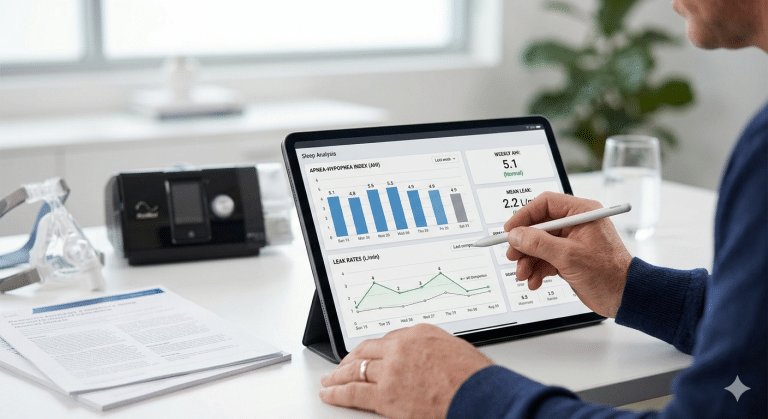
Modern CPAP machines can track useful therapy information, including usage time, mask leak, and how often breathing events occur. That data can help identify whether treatment is working well or whether something needs attention.
For example, a person may be wearing their CPAP every night but still waking up tired. A data review could reveal significant leaks, short usage periods, or pressure settings that need to be reviewed by a qualified clinician. Guessing is frustrating. Data provides a practical starting point for better decisions.
This is especially valuable for new users who are unsure whether they are doing everything correctly. CPAP therapy should not feel like you are left alone with a machine and a manual.
7. Benefits That Grow With Consistent Use
The biggest CPAP therapy benefits depend on regular use. Wearing the mask for an hour before taking it off is a start, but it does not protect your breathing for the rest of the night. Sleep apnea can return as soon as therapy stops.
The first few weeks are where good support matters most. Dry mouth, nasal congestion, pressure discomfort, marks on the face, and leaks are common issues, but they are often fixable. A humidifier adjustment, a different cushion size, a full-face mask, or a small change in routine may make all the difference.
Try to put your CPAP on whenever you are ready to sleep, including naps. Keep the machine clean according to the manufacturer’s instructions, replace worn supplies when needed, and avoid waiting months to mention a problem. Small frustrations can become reasons to quit when they are not addressed early.
Getting Started Without the Runaround
A CPAP prescription is only the first step. The machine and mask need to suit your needs, your sleep position, and your breathing habits. Price transparency matters too. You should understand what you are paying for and avoid surprise setup fees or confusing add-ons.
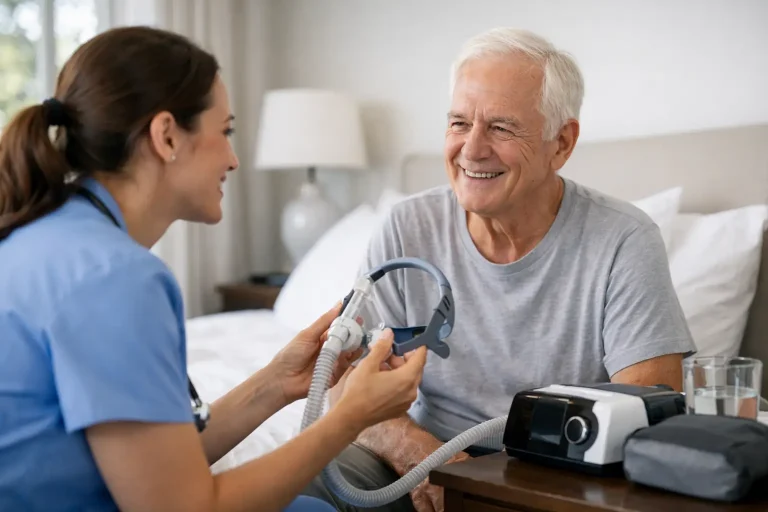
At CPAP One-Stop, the focus is on making treatment personal: helping patients with setup, mask fitting, machine programming, therapy data support, and insurance-friendly service. For patients across Southern Ontario, having someone explain the equipment face to face can take much of the pressure out of starting therapy.
A good CPAP experience is not about forcing yourself to tolerate discomfort. It is about finding a setup you can use night after night. When treatment fits your life, better sleep has a real chance to become your new normal.