Home Visit CPAP Service That Puts You First
A new CPAP machine can sit unopened on a kitchen table for days when nobody has shown you what the buttons mean, how tight the mask should be, or whether the pressure feels right. A home visit CPAP service removes that uncertainty by bringing practical, one-on-one support to the place where you will actually use your therapy: home.
For people starting treatment for sleep apnea, convenience matters. So does getting it right the first time. CPAP therapy works best when your machine is properly set up, your mask fits comfortably, and you understand what to do when something feels off. You should not have to pay surprise setup fees or struggle alone with equipment that is supposed to help you sleep and breathe better.
What a Home Visit CPAP Service Actually Does
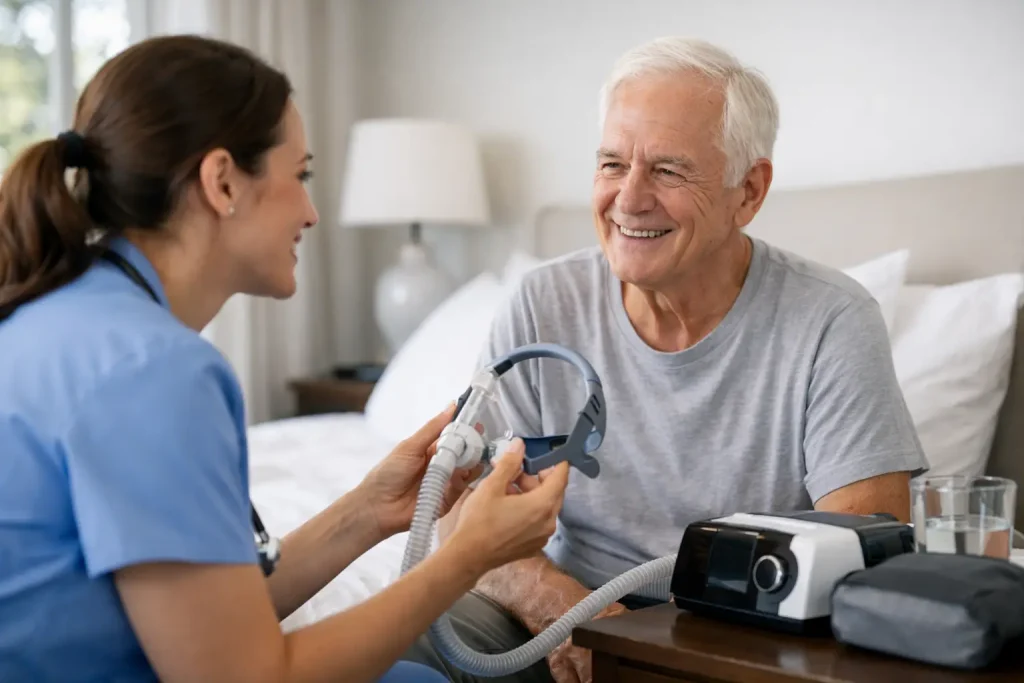
A home visit is more than a delivery drop-off. It is personal CPAP support designed around your needs, your schedule, and your sleep environment. Instead of trying to absorb a rushed explanation at a counter or decipher a manual on your own, you receive guidance face-to-face where the equipment will be used.
A clinician can set up your CPAP or APAP machine, explain the controls in plain language, and make sure you know how to install the filter, attach the tubing, fill the humidifier chamber, and clean the essential parts. You can ask the questions that do not always come to mind until the machine is in front of you: What if I wake up feeling too much air? Should I use humidity? How often should I replace this cushion?
That personal attention is especially valuable for first-time users, older adults, people recently discharged from hospital, and family members helping a loved one begin therapy. There is no prize for figuring it out alone. The goal is comfortable, consistent treatment.
Why Setup at Home Makes a Real Difference
CPAP is not one-size-fits-all. Your prescription determines important settings, but successful treatment also depends on the details of how you use the equipment. A mask that looks fine in a store can leak when you lie down. Humidity that feels comfortable in the afternoon may cause dry mouth or congestion overnight. A home visit gives you the chance to address those real-life factors early.
A better mask fit from day one
Mask comfort is one of the biggest reasons people either stay with therapy or give up too soon. Nasal masks, nasal pillow masks, and full-face masks all have a place, depending on whether you breathe through your mouth, feel claustrophobic, wear glasses, have facial hair, or sleep on your side.
During a proper fitting, the goal is not to crank the straps as tight as possible. Over-tightening can create pressure marks and may actually make leaks worse. The mask should seal gently at your prescribed pressure while allowing you to move naturally. If a style is not working, that should be addressed honestly, not brushed aside.
Clear instructions without medical jargon
A machine can have useful comfort features, but those features are only helpful when you know what they do. Ramp settings can make it easier to fall asleep by starting at a lower pressure. Heated humidity may reduce dryness. Heated tubing can help prevent moisture buildup in the hose. Your clinician should explain these options clearly and program the machine according to your prescription and comfort needs.
You also deserve to know what is normal in the first week. Some adjustment is common. A small amount of air noise, a new sensation of pressure, or awareness of the mask can take time to get used to. Severe discomfort, persistent leaks, skin irritation, or a feeling that you cannot tolerate the airflow should not be ignored.
Support for the room you sleep in
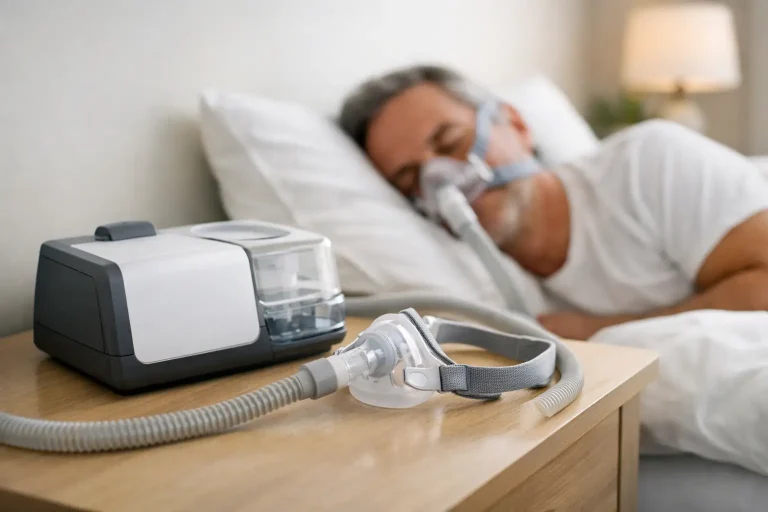
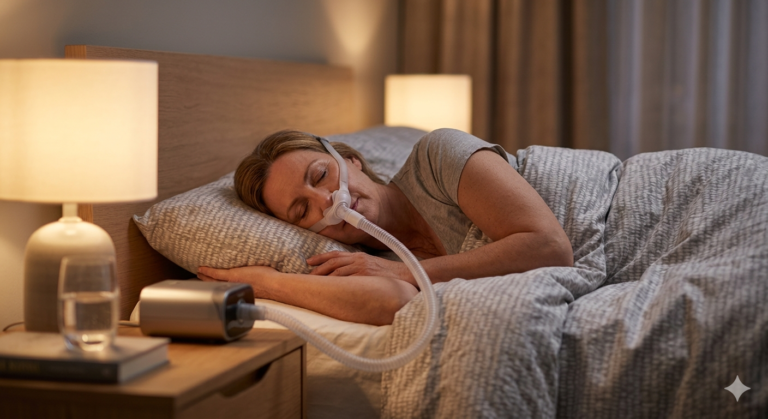
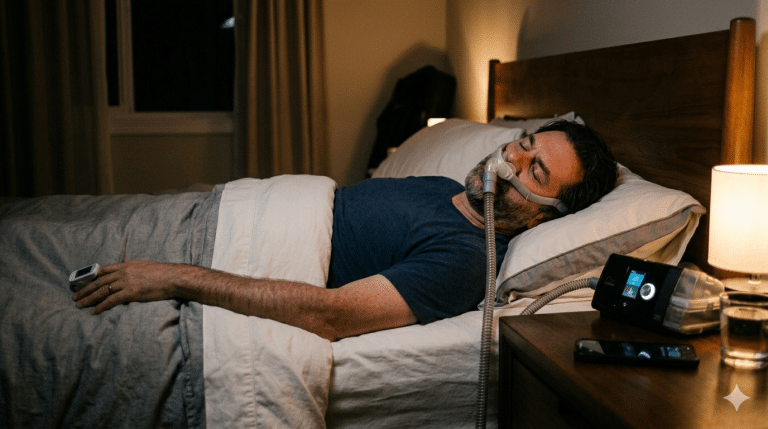
The best place for a CPAP machine is usually a stable surface near the bed, lower than the mattress if possible, with room for the hose to move freely. At-home setup helps avoid simple problems that can make therapy frustrating, such as placing the machine where it can pull on the hose, using an extension cord carelessly, or allowing the tubing to collect condensation.
This is also a chance to make a realistic plan. If you travel often, you may need help packing the machine. If you use oxygen or other respiratory equipment, coordination matters. If you share a room, questions about noise and comfort are completely reasonable.
Insurance, Pricing, and the Fees You Should Question
Starting CPAP therapy should not mean guessing what you will owe. Unfortunately, some providers add setup charges, administrative fees, or unclear service costs after a patient has already committed. Ask for transparent pricing before you move forward. You should understand what is included with the machine, mask, setup, delivery, and follow-up support.
For many patients, direct insurance billing can remove a major source of stress. It may also be possible to arrange deferred billing when coverage is pending or when paperwork needs time to be processed. Coverage varies by plan, so it is smart to confirm your benefits and any required documentation. A knowledgeable provider should help make sense of the process, not hand you a stack of forms and send you home.
Price matters, but the lowest sticker price is not always the lowest overall cost if it leaves you paying extra for setup, mask fitting, or help when problems arise. Compare what is included. A provider that offers competitive machine pricing with no setup fee and genuine clinical support may save you more than a bargain that comes with no service.
When a Home Visit Is the Right Choice
Not every CPAP user needs an in-home appointment. If you have used CPAP successfully for years and only need a replacement hose or filters, a home visit may not be necessary. But it can be the right choice when starting a new machine, changing mask styles, returning to therapy after a long break, or dealing with recurring leaks and discomfort.
It is also useful when getting to a store is difficult. Mobility limits, recent illness, caregiving responsibilities, and busy work schedules can turn a simple appointment into a burden. Flexible home service respects the fact that treatment needs to fit real life. Same-day support can be especially helpful when equipment is needed quickly after a diagnosis or hospital discharge.
For Southern Ontario patients, local service has another advantage: you are working with people who can provide ongoing help rather than a distant call center reading from a script. CPAP One-Stop makes CPAP personal by combining equipment, fitting, setup, delivery, and clinician guidance in one patient-focused service.
How to Prepare for Your CPAP Home Appointment
You do not need to study up before a home visit, but a little preparation helps you get more from the appointment. Have your CPAP prescription and insurance information available if applicable. Think about the problems you want to avoid, such as dry mouth, side-sleeping leaks, or anxiety about wearing a mask.
It also helps to show where you sleep and mention any other health or respiratory equipment you use. Be direct about your routine. If you usually fall asleep watching television, wake up several times at night, or tend to breathe through your mouth, say so. These details can influence mask recommendations and comfort settings.
Before the clinician leaves, make sure you can confidently put the mask on and take it off, add water to the humidifier, remove the chamber for cleaning, and identify who to call if you need help. You do not need to memorize every detail. You do need to feel supported enough to use the machine that night.
The First Week Is About Adjustment, Not Perfection
The first night with CPAP may feel unfamiliar, even when the equipment is fitted well. Give yourself room to adapt. Wear the mask for a few minutes while awake to get used to the sensation, then use it every time you sleep, including naps. Consistency gives your body the best chance to adjust and gives your provider useful therapy data if changes are needed.
Do not wait weeks if the mask leaks, the pressure feels uncomfortable, or you are waking with a dry mouth. Small fixes early on can prevent a temporary issue from becoming a reason to stop treatment. A different cushion size, humidity adjustment, chin strap, or mask style may make a meaningful difference.
Good CPAP care should feel clear, personal, and fair from the beginning. When help comes to your door, you can spend less energy worrying about the equipment and more energy getting the restful sleep your body has been missing.