A dry mouth, burning nose, or sore throat can make a new CPAP user want to give up before therapy has a fair chance. Learning how to use cpap humidifier settings properly can make treatment far more comfortable – but more humidity is not always better. The right setting depends on your room temperature, mask fit, tubing, and how your nose and throat feel in the morning.
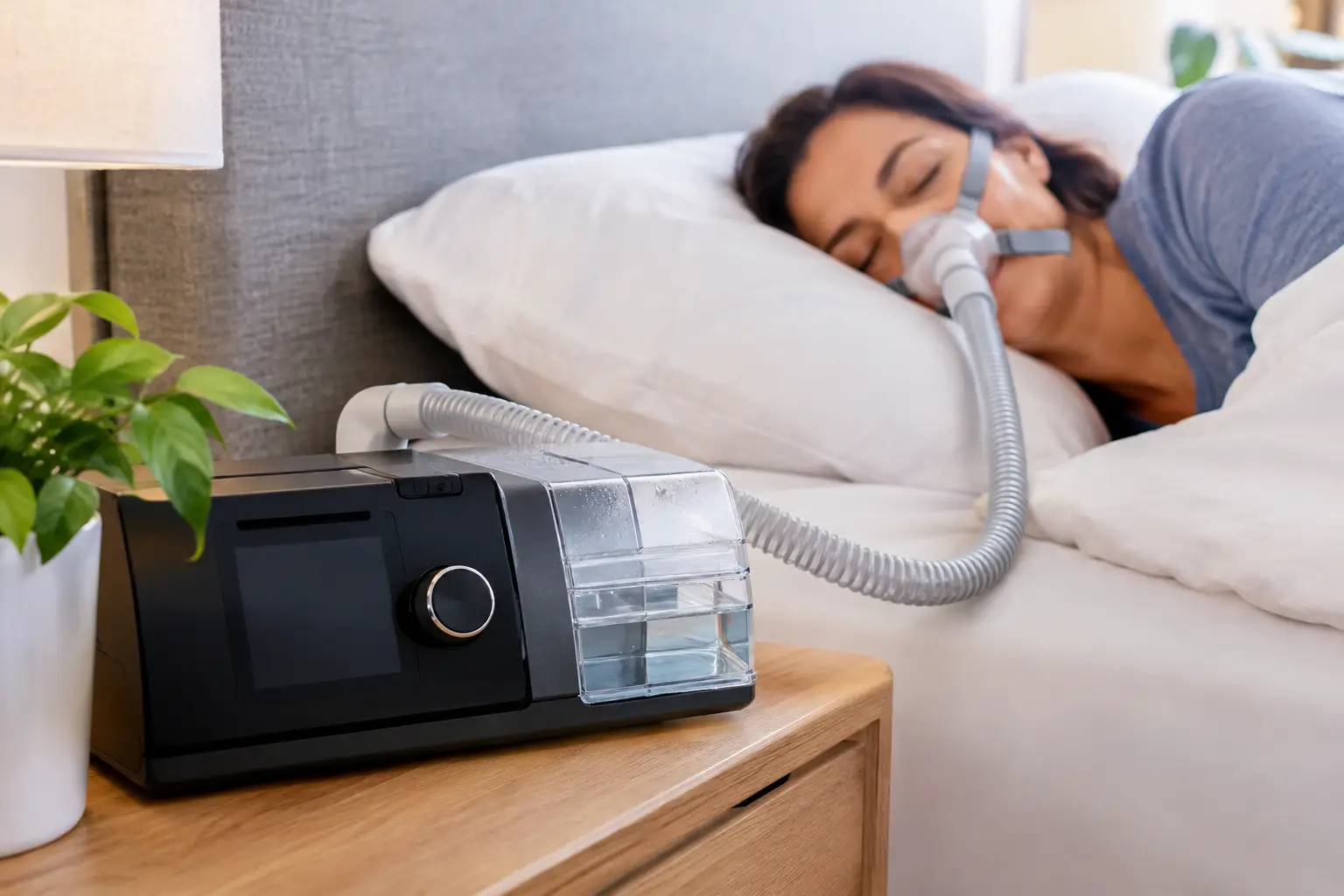
Your CPAP humidifier adds moisture to the pressurized air from your machine. It is designed to reduce dryness and irritation, not to turn your bedroom into a steam room. A few small adjustments can make a noticeable difference in how well you sleep and how willing you are to use your therapy every night.
Start With Clean, Distilled Water
Before bed, remove the water chamber from your CPAP machine and fill it with fresh distilled water up to the maximum fill line. Do not overfill it. Too much water can spill into the machine or tubing when you move it.
Distilled water is the best choice because it does not contain the minerals found in tap water. Those minerals can leave white buildup in the chamber, shorten its life, and make cleaning harder. If you are away from home and only have bottled or tap water for one night, that is generally better than running the chamber dry, but empty and rinse it as soon as you can. Return to distilled water for regular use.
Never put essential oils, fragrance drops, medications, or cleaning products into the water chamber. They can damage equipment, irritate your airways, and may void manufacturer coverage. Your humidifier only needs clean water.
How to Use a CPAP Humidifier at Bedtime
After filling the chamber, make sure it is seated fully in the machine and close the humidifier lid securely. Connect the tubing, put on your mask, and turn on the machine. Most current CPAP devices allow you to adjust humidity through the screen or settings menu.
A sensible starting point is a middle setting. Give it two or three nights before making a major change, unless you are clearly uncomfortable. Your symptoms are the best guide:
- If your nose, mouth, or throat feels dry in the morning, increase humidity one level.
- If you wake up with water droplets in the tubing or mask, lower humidity one level.
- If your nose feels stuffy or you feel overly warm under the mask, try reducing humidity slightly.
- If the chamber is empty well before morning, check for a leak before simply turning the humidity down.
A leaking mask can use more water because the machine is working harder to maintain prescribed pressure. It can also cause dry mouth, particularly if you breathe through your mouth. Do not let a moisture problem hide a mask-fit problem.
Match Humidity to Your Bedroom Conditions
Your ideal setting may change with the season. A bedroom that feels comfortable in July can be much drier in January, especially when indoor heat is running. Many people need more humidity in colder months and less during warm, humid weather.
Room temperature matters too. Warm humidified air traveling through a cool tube can turn into condensation. This is commonly called rainout. You may hear gurgling in the tubing or feel a cold splash of water against your face. It is annoying, but it does not mean your CPAP machine is broken.
If rainout happens, lower the humidity setting by one step first. If that does not solve it, increase the bedroom temperature slightly or keep the tubing under your blanket so it stays warmer. Positioning the CPAP machine lower than your mattress can also help any condensation flow back toward the water chamber instead of your mask.
Heated Tubing Can Help With Rainout
If you regularly deal with rainout, heated tubing may be worth considering. A heated tube keeps the air warmer as it travels from the machine to your mask, reducing the temperature change that creates condensation. It can be especially helpful during Ontario winters or for anyone who sleeps in a cool room.
Heated tubing is not mandatory for every CPAP user. Some people sleep comfortably with standard tubing and a moderate humidity setting. But if you have to choose between dry air and a wet mask, a heated tube gives you more control over both humidity and temperature.
If your machine has climate control or tube temperature settings, start with automatic mode if available. It is designed to balance moisture and warmth for typical conditions. Manual adjustments can help when your room runs unusually cold or warm, but changing one setting at a time makes it easier to tell what is actually improving your comfort.
Do Not Run the Chamber Dry on Purpose
You may see advice suggesting that you should stop using the humidifier to “get used to” CPAP. That is not a rule. Some people are comfortable without added humidity, but many are not. If dryness is causing you to remove your mask, moisture is part of making therapy workable.
Check the water level each morning. If there is water left, empty it rather than letting it sit until the next night. If the chamber runs dry occasionally, it is usually not an emergency, but repeated dry chambers deserve attention. You may need to reduce the setting, investigate leaks, or use a larger-capacity compatible chamber if your machine offers one.
A chamber that empties suddenly after weeks of normal use can be a clue that your mask cushion, tubing, or connections need to be checked. CPAP comfort is rarely about one part alone. The mask, pressure, humidity, sleeping position, and room environment all work together.
Clean the Humidifier Chamber Regularly
A clean chamber protects your equipment and keeps your air path fresh. Empty the remaining water each morning, rinse the chamber with warm water, and leave it open to air-dry away from direct sunlight. This simple daily habit prevents stagnant water from sitting inside.
Wash the chamber more thoroughly about once a week using warm water and mild soap. Rinse it very well so no soap residue remains, then allow it to dry completely. Follow the cleaning instructions for your specific machine, especially if the chamber is dishwasher-safe or has special handling requirements.
Replace the chamber when it becomes cracked, cloudy, difficult to clean, or starts leaking. Do not try to seal cracks with tape or glue. A damaged chamber can leak water into areas where it does not belong.
When Humidity Does Not Fix Dry Mouth
Dry mouth is common with CPAP, but it is not always a humidifier issue. If you use a nasal mask or nasal pillows and wake with a very dry mouth, you may be opening your mouth during sleep. Raising humidity may help a little, but it will not fully solve air escaping through your mouth.
A chin strap, better mask fit, or a full-face mask may be a better answer depending on your breathing pattern and comfort. Nasal congestion can also push you toward mouth breathing. If congestion is frequent, speak with your healthcare provider before adding any medication or changing your therapy approach.
This is where hands-on help matters. A machine can display settings, but it cannot watch how your mask fits your face or ask the right questions about what happens at 3 a.m. CPAP One-Stop helps patients work through these practical details so they are not left guessing whether they need a new setting, a different mask, or replacement supplies.
Give Yourself Permission to Adjust
Your humidifier settings are not a test you have to pass. They are comfort controls. Start in the middle, make small changes, and pay attention to dryness, congestion, water buildup, and mask leaks over several nights.
The goal is simple: air that feels comfortable enough that you keep your CPAP on through the night. When treatment feels easier, consistent use becomes much more realistic – and every full night with therapy is a step toward better rest.