Can CPAP Cause Dry Mouth? Causes and Fixes
Waking up with a tongue that feels like sandpaper can make a good night of CPAP therapy feel anything but successful. So, can CPAP cause dry mouth? Yes, but the machine is rarely the whole problem. Dry mouth usually points to mouth breathing, a mask leak, humidity settings, or another factor that can often be corrected without giving up on effective sleep apnea treatment.
CPAP is supposed to make sleep safer, quieter, and more restorative. You should not have to choose between breathing well at night and feeling miserable every morning. The right equipment settings and a properly fitted mask can make a major difference.
Why CPAP Can Cause Dry Mouth
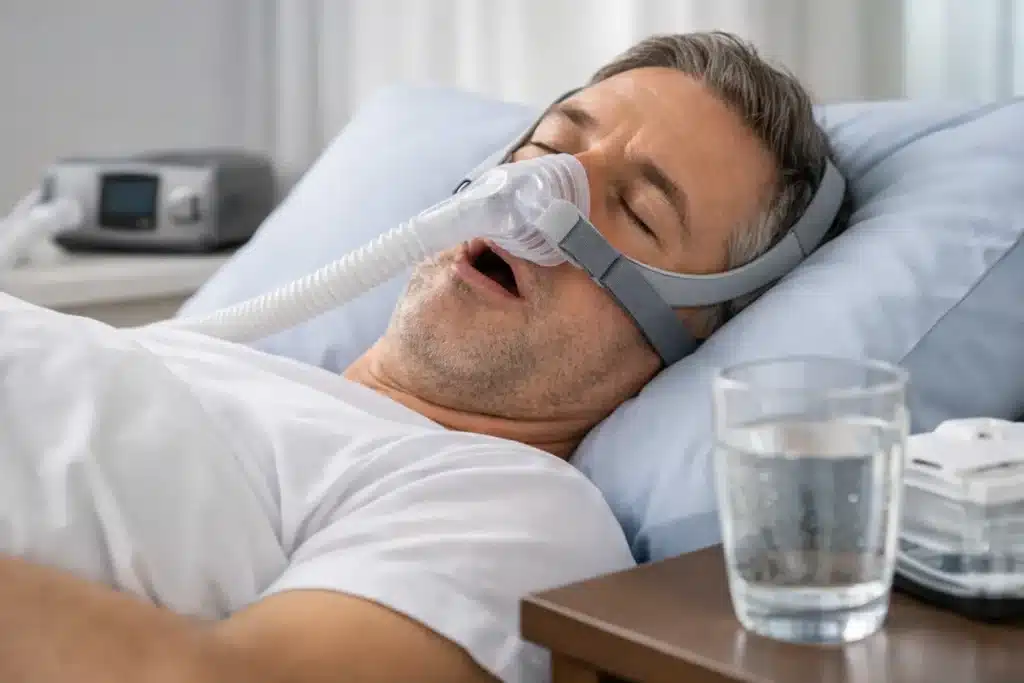
CPAP sends a steady stream of pressurized air to keep your airway open. When that air moves through an open mouth, it can quickly dry the tissues in your mouth and throat. This is especially common for people using a nasal mask or nasal pillows who naturally open their mouth while asleep.
A dry mouth can also occur when air leaks from the mask itself. Even a small, steady leak can blow air toward your eyes, cheeks, or mouth and leave you dehydrated by morning. Leaks are not always obvious. Some people sleep through them, then assume dry mouth is simply an unavoidable side effect of CPAP.
The good news is that it is usually a comfort issue with a practical solution, not a sign that CPAP is failing.
Mouth Breathing Is a Common Cause
If you use a nasal mask, your therapy is designed to enter through your nose. When your mouth opens during sleep, air can escape through it. This both dries your mouth and may reduce the pressure available to support your airway.
Nasal congestion makes this more likely. Allergies, a cold, a deviated septum, or dry indoor air can all make nasal breathing harder. Your body then does what feels natural: it opens your mouth to get more air.
Some people can comfortably keep their mouth closed with a nasal mask once congestion and fit issues are addressed. Others are simply habitual mouth breathers and may be more comfortable with a full-face mask that covers both the nose and mouth.
Mask Leaks Can Dry You Out
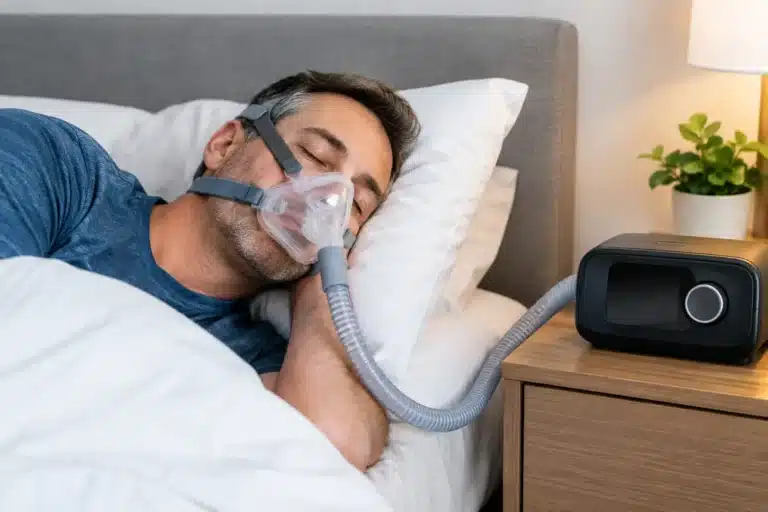
A mask should seal gently, not be tightened down as much as possible. Overtightening can actually create more leaks by distorting the cushion. Facial movement, side sleeping, changes in weight, worn-out cushions, and the wrong mask size can all affect the seal.
Look for clues such as air blowing into your eyes, a whistling sound, a mask that shifts overnight, or higher leak readings on your machine. A dry mouth with a full-face mask can be a strong hint that air is leaking from the lower part of the cushion or that your mouth is opening inside the mask.
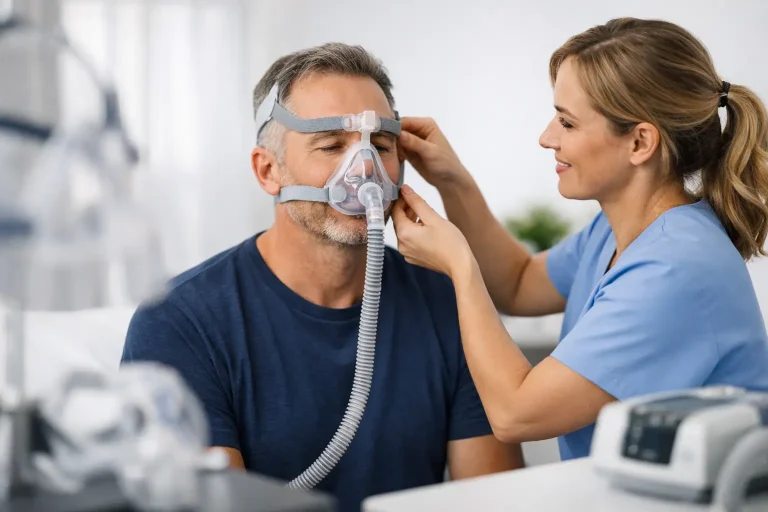
A quick refit while lying in your normal sleeping position can be more useful than adjusting the mask while sitting up. The shape of your face changes when you recline, and the mask needs to work where you actually sleep.
Low Humidity May Be Part of the Problem
Many modern CPAP machines include a heated humidifier for a reason. Pressurized air can feel dry, particularly during winter, in air-conditioned rooms, or when you live in a dry climate. Increasing humidity may reduce dryness in the nose, throat, and mouth.
There is a trade-off. Too much humidity can cause condensation in the tubing, sometimes called rainout. You may hear water bubbling in the hose or feel droplets on your face. If that happens, do not assume humidity is not for you. A heated tube, a tubing cover, or a small adjustment to your humidity level can help balance moisture and comfort.
Other Causes Can Add to the Problem
CPAP may be the trigger you notice, but it is not always the only cause. Certain medications, including some allergy medicines, antidepressants, blood pressure medications, and decongestants, can reduce saliva production. Alcohol before bed, caffeine late in the day, dehydration, smoking, and medical conditions such as diabetes can contribute as well.
If dry mouth is new, severe, or continues despite adjusting your CPAP setup, discuss it with your healthcare provider. Ongoing dryness can increase the risk of cavities, gum irritation, mouth sores, and oral infections.
How to Stop CPAP Dry Mouth
Start with the simplest fixes before buying new equipment. A few targeted changes often solve the issue.
Check Your Humidifier Setup
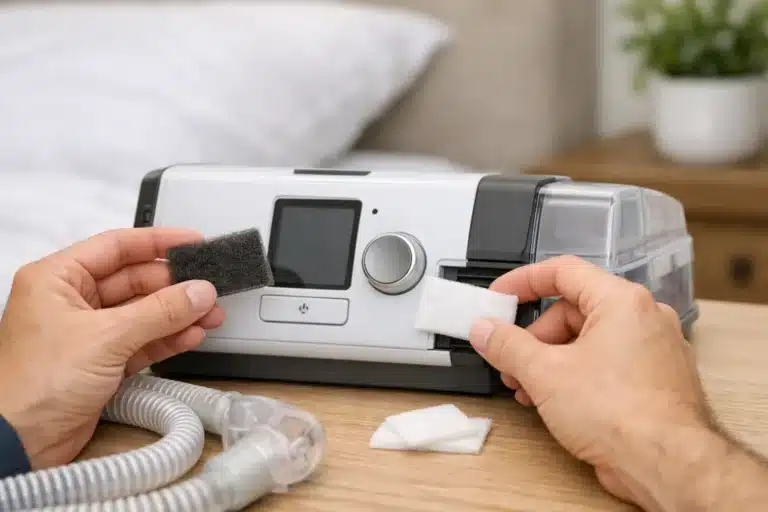
Make sure the humidifier chamber is filled with distilled water before bed and seated correctly in the machine. If you are waking dry, increase the humidity by one setting and give your body a few nights to adjust. Small changes are easier to evaluate than turning settings from low to maximum all at once.
If you use an auto-adjusting climate setting, verify that it is enabled and that the water chamber is not empty by morning. Running out of water can leave you with dry air for the second half of the night. If rainout develops, try a slightly lower humidity setting or ask about heated tubing.
Address Nasal Congestion Before Bed
Clear nasal passages make it easier to keep your mouth closed. A saline nasal rinse or saline spray before bed may help with dryness and mild congestion. Some people also benefit from managing allergy symptoms with guidance from their clinician or pharmacist.
Avoid using medicated decongestant sprays for long periods unless a healthcare professional tells you otherwise. They can lead to rebound congestion, which may make nasal breathing even harder over time.
Make Sure Your Mask Fits Correctly
A mask fitting is not a one-time event. Your needs can change with weight changes, dental work, facial hair, sleep position, or simply because a cushion has reached the end of its useful life. Most mask cushions need regular replacement because skin oils and normal wear gradually weaken the seal.
Wash the cushion according to its care instructions, then put the mask on with the machine running. Adjust the straps in small increments. If you have to crank down the headgear to stop leaks, the size, style, or cushion condition may be the real issue.
Consider the Right Mask for How You Breathe
For a person who can breathe through their nose consistently, nasal pillows or a nasal mask may be light and comfortable. For a consistent mouth breather, a full-face mask can be the more dependable choice because it delivers therapy through both the nose and mouth.
A chin strap may help some nasal-mask users keep their jaw from dropping open. It is not the best answer for everyone, especially if you have significant nasal blockage or feel uncomfortable with anything around your chin. Mouth tape is sometimes discussed online, but it should not be a casual first step. It can be unsafe for people with nasal obstruction, nausea risk, certain lung conditions, or other medical concerns. Ask a qualified sleep clinician before considering it.
When to Ask for CPAP Support
Do not stop using CPAP just because your mouth is dry. Untreated sleep apnea can affect energy, blood pressure, heart health, concentration, and driving safety. Instead, ask for help when dryness persists for more than a few nights, leaks keep waking you up, your machine reports high leak levels, or you are removing the mask in your sleep.
A clinician can review your therapy data, check whether pressure changes are contributing to leaks, inspect your equipment, and fit you in a different mask style. This is where personal support matters. CPAP One-Stop helps patients work through setup, mask fitting, machine settings, and comfort concerns so small problems do not become reasons to abandon therapy.
If you develop painful cracks at the corners of your mouth, white patches, bleeding gums, frequent cavities, trouble swallowing, or extreme thirst, contact your medical or dental provider. Those symptoms may need attention beyond a CPAP adjustment.
Tonight, fill your humidifier, inspect your mask cushion, and notice whether you wake with your mouth open or air escaping around the seal. That one observation can point you toward a much more comfortable night – because every breath matters, and so does waking up feeling like yourself.