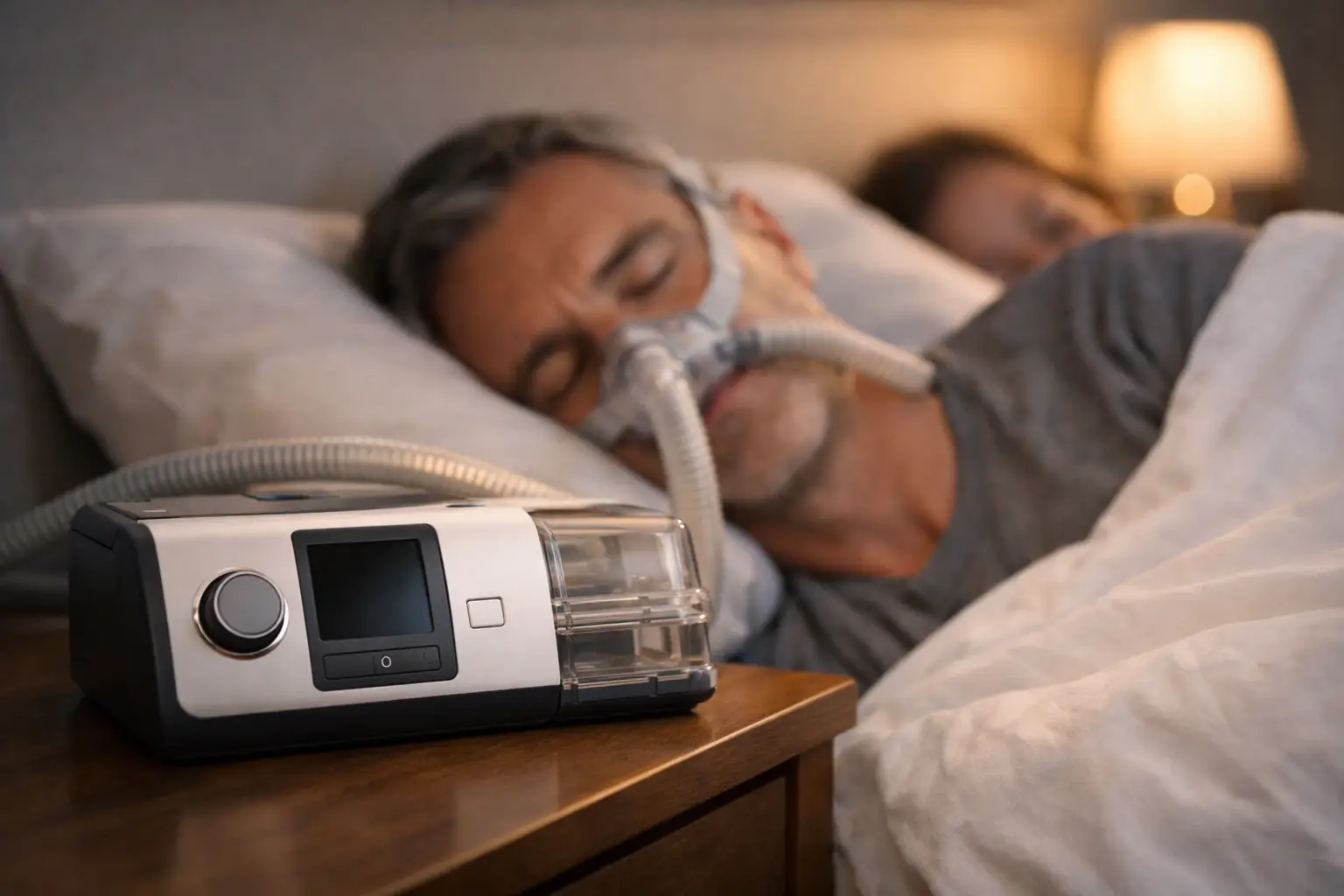
Waking up at 2 a.m. because your mask is leaking or the pressure feels wrong is not a small inconvenience. It can make a new sleep apnea diagnosis feel harder than it needs to be. This automatic CPAP machine review explains what an automatic machine actually does, where it helps, and what to check before you spend money on equipment that is supposed to help you sleep.
Automatic CPAP machines, often called APAP machines, are popular because they can adjust pressure within a range prescribed by your clinician. That flexibility can be useful when your pressure needs change through the night. But the machine itself is only part of the treatment. The right settings, a properly fitted mask, and real support after setup matter just as much.
What an Automatic CPAP Machine Does
A standard fixed-pressure CPAP delivers one prescribed pressure all night. An automatic CPAP monitors breathing and responds when it detects signs that your airway may be narrowing, such as flow limitation, snoring, or an apnea-related event. It increases pressure when needed and lowers it when breathing becomes stable, staying within the minimum and maximum pressures set by a qualified provider.
For many people, this means less time at a higher pressure than they need. If you require more pressure during REM sleep, when sleeping on your back, or after nasal congestion changes your breathing, an automatic machine can respond to those patterns. It may also provide useful therapy data that helps a clinician see whether treatment is working.
That does not mean automatic is always better for every patient. Some people sleep more comfortably on a stable fixed pressure. Others are sensitive to pressure changes or have medical conditions that call for a different type of therapy. Your prescription, sleep study, comfort needs, and clinical guidance should lead the decision – not a flashy feature list or a too-good-to-be-true online price.
Automatic CPAP Machine Review: Features That Matter
The best automatic CPAP machine is the one that delivers effective therapy consistently and fits into your actual routine. A machine can have a large color screen and smartphone connectivity, but those extras do not solve a mask leak or an uncomfortable pressure range.
Pressure response and comfort settings
Look for a machine that makes pressure changes smoothly and offers comfort features your clinician can adjust. A ramp setting starts therapy at a lower pressure and gradually builds to your prescribed range, which can make it easier to fall asleep. Exhalation relief can reduce pressure slightly as you breathe out, helping some users feel less like they are pushing against the airflow.
These features are helpful, but they need to be set correctly. A ramp that lasts too long or starts too low can leave some patients feeling short of breath. Exhalation relief may improve comfort for one person and reduce effective pressure for another. This is why free setup and follow-up support are worth far more than a box dropped at your door.
Humidification that fits your symptoms
Dry mouth, a sore throat, nasal dryness, and congestion are common reasons people stop using CPAP. A heated humidifier adds moisture to the airflow, while heated tubing can help prevent condensation in the hose. That condensation, often called rainout, can leave water in the mask or tubing and interrupt sleep.
Humidification is not one-size-fits-all. If you wake with a dry mouth, you may have a mouth leak, not simply a humidity problem. Turning humidity all the way up can make congestion worse for some users. A clinician can help you sort out whether the answer is humidity, heated tubing, mask adjustments, or a different mask style.
Data and reporting
Modern machines typically track usage hours, mask leak, apnea events, and pressure patterns. This information can be valuable during the first few weeks, when small issues can become big frustrations. If your therapy report shows persistent leaks or a high number of events, guessing is not a plan.
Ask whether your provider can download and explain the data in plain language. Numbers matter, but context matters more. A single difficult night does not necessarily mean your treatment has failed. A pattern across several nights may show that your mask fit, sleep position, or pressure range needs attention.
Noise, size, and daily practicality
Most current automatic machines are quiet enough that the mask or tubing is more likely to be the source of noticeable noise. Still, consider where the machine will sit, how easy the water chamber is to fill and clean, and whether the controls are manageable if you wake during the night.
If you travel often, ask about travel options separately. A compact travel machine can be convenient, but it may have fewer comfort features and may not replace your bedside device for every user. For most people, a full-featured home machine is the better starting point.
The Mask Can Make or Break the Review
A great automatic CPAP machine cannot overcome the wrong mask. In fact, mask discomfort and leaks are among the most common reasons people abandon therapy early.
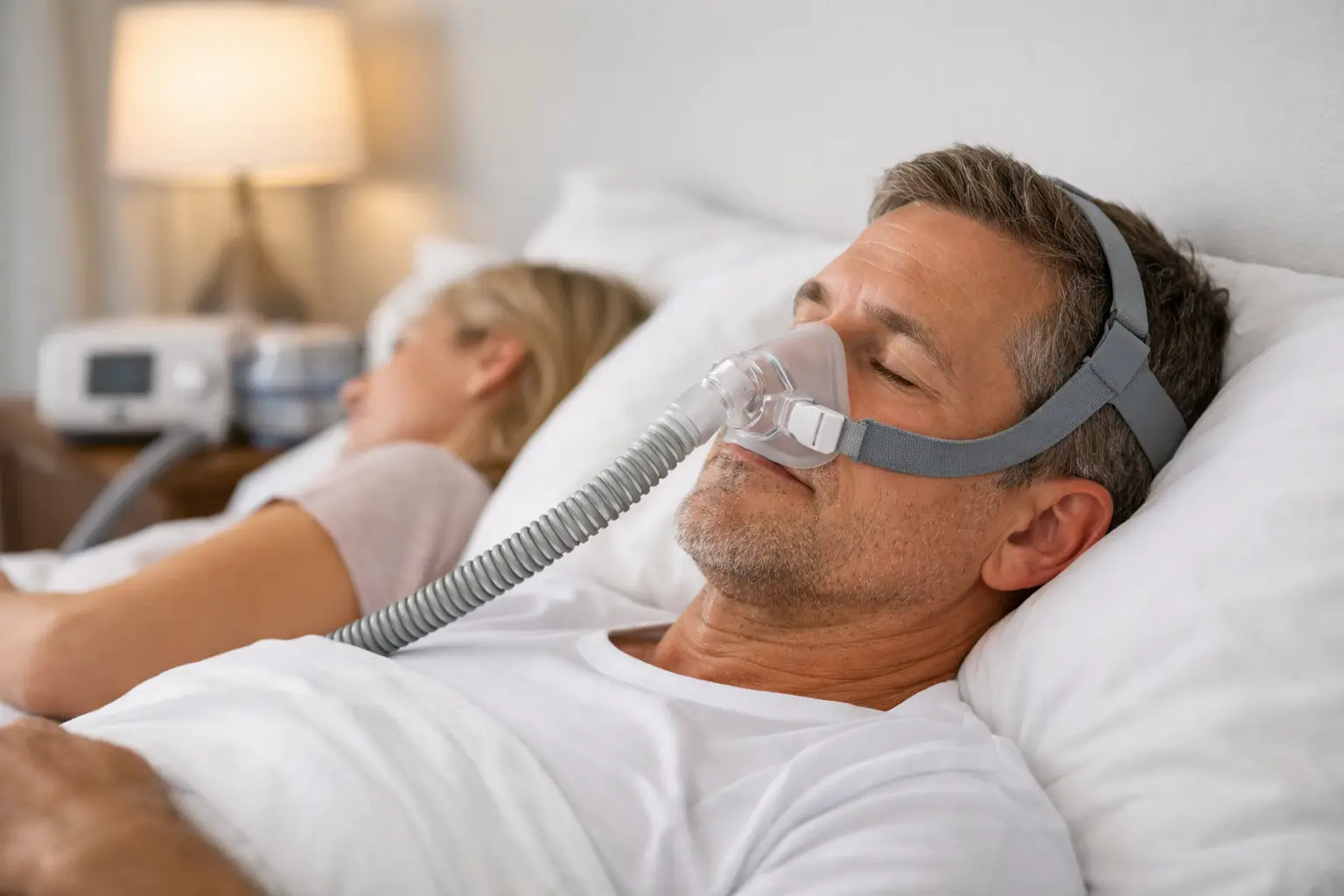
Nasal masks cover the nose and work well for many people who breathe through their nose at night. Nasal pillows are smaller and less bulky, which can be appealing for side sleepers or people who dislike a mask covering much of the face. Full-face masks cover the nose and mouth and can be a practical choice for people who breathe through their mouth, have frequent congestion, or cannot maintain a closed mouth while asleep.
There is no universal “best” mask. A full-face mask may control mouth breathing but feel larger. Nasal pillows can feel light but may irritate sensitive nostrils if sized incorrectly. A good fitting should include time to test the mask with air flowing, not just hold it against your face in a showroom. Straps should be secure enough to seal, not tightened so much that they cause pressure marks or make leaks worse.
What You Should Not Pay Extra For
Be cautious when a provider turns basic patient care into a surprise charge. Machine programming, initial setup, mask fitting, and help understanding your therapy are not luxuries. They are core parts of successful CPAP treatment.
Before agreeing to a purchase, get a clear explanation of what is included. Confirm the machine model, humidifier, tubing, mask, filters, warranty support, and any setup or service fees. If insurance is involved, ask what is billed directly, what paperwork is required, and what your out-of-pocket cost will be. Transparent pricing protects you from finding out later that an advertised machine price did not include the items you actually need to use it.
At CPAP One-Stop, the focus is simple: help patients get properly set up without unnecessary setup fees, then remain available when real-life CPAP questions come up. That local, hands-on approach is especially valuable for first-time users who do not want to troubleshoot treatment alone.
Who Benefits Most From Automatic Therapy?
An automatic machine can be a strong option for adults whose pressure needs vary over the night, people who are beginning treatment and need close monitoring, or established CPAP users replacing an older device. It can also help clinicians identify patterns that are not obvious from how rested you feel in the morning.
However, do not self-adjust prescription settings based on one uncomfortable night or an internet forum. Central sleep apnea, significant lung or heart conditions, persistent low oxygen readings, and ongoing symptoms despite treatment require professional review. If you are still waking gasping, experiencing severe daytime sleepiness, or unable to tolerate therapy, contact your sleep clinician or equipment provider promptly.
How to Make Your Purchase Decision
Start with the prescription and your clinical needs, then compare the practical details: comfort settings, humidification, data access, warranty service, mask choices, and the support you receive after purchase. A low machine price is only a good deal if it includes honest guidance and does not leave you paying extra to solve predictable setup problems.
For a new user, the best first step is an in-person setup where someone confirms the prescribed range, fits the mask with pressure on, reviews cleaning, and explains what to do if leaks or dryness start. Existing users should bring their current machine data and be honest about what is not working. Better therapy often comes from one targeted adjustment, not from buying more accessories.
Sleep apnea treatment should not feel like a gamble. Choose an automatic CPAP machine that matches your prescription, and choose support that stays personal after the sale. A comfortable, well-fitted setup gives you the best chance to use therapy every night – because every breath matters.
Leave a Reply