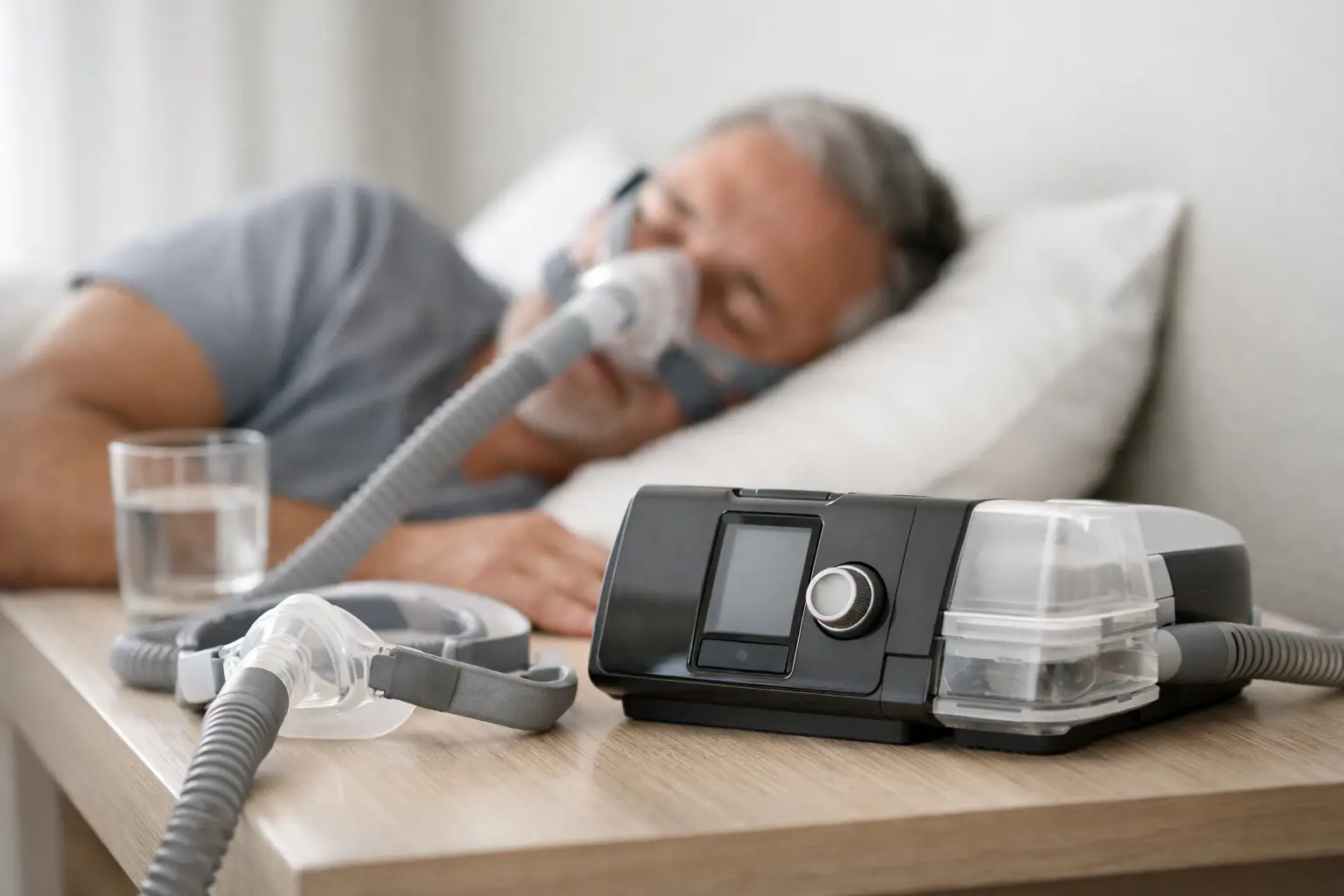
A sleep apnea diagnosis can feel like one more thing to manage: a prescription, unfamiliar equipment, insurance questions, and the worry that you will not be able to sleep with a mask on. So, what is CPAP therapy? It is a proven treatment that uses gentle, steady air pressure to keep your airway open while you sleep. For many people with obstructive sleep apnea, it is the difference between waking up drained and getting the restorative sleep their body has been missing.
CPAP is not meant to be complicated or uncomfortable. But the details matter. The right machine settings, mask fit, humidity level, and support can make the difference between leaving a device in the box and using it successfully night after night.
What Is CPAP Therapy and How Does It Work?
CPAP stands for continuous positive airway pressure. A CPAP machine pulls in room air, gently pressurizes it according to your prescribed setting, and sends it through tubing to a mask worn over your nose, or nose and mouth.
That steady airflow acts like an air splint. During obstructive sleep apnea, the muscles in the throat relax during sleep and the airway narrows or closes. Breathing may stop repeatedly, sometimes without the person realizing it. CPAP pressure helps prevent those collapses so air can continue moving into the lungs.
The machine does not breathe for you. You still breathe normally on your own. It simply provides enough pressure to keep your airway from shutting down when your body relaxes.
People often notice signs of untreated sleep apnea long before a sleep study confirms it. Loud snoring, gasping or choking during sleep, morning headaches, frequent nighttime bathroom trips, dry mouth, daytime sleepiness, and trouble concentrating can all be part of the picture. A bed partner may be the first person to notice the pauses in breathing.
When CPAP is used consistently and the treatment is properly adjusted, many patients experience quieter sleep, less daytime fatigue, improved alertness, and fewer interruptions through the night. Results vary, and it can take time to adjust, but effective therapy addresses the underlying airway obstruction rather than simply masking snoring.
The Equipment You Use With CPAP Therapy
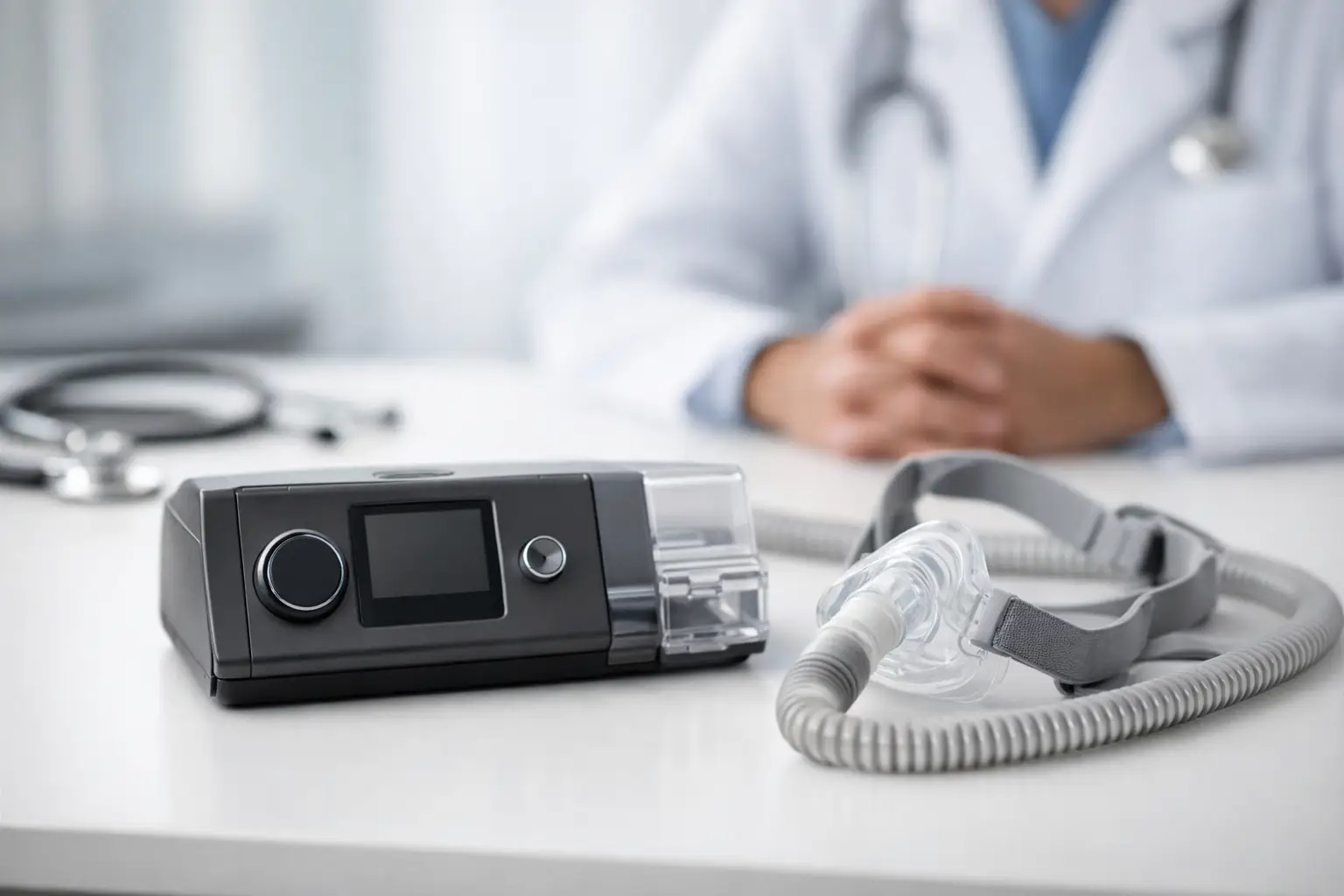
A basic CPAP setup has four main parts: the machine, a mask, tubing, and a power supply. Most current machines also include a heated humidifier, either built in or attached to the unit. The humidifier adds moisture to the airflow and can reduce dry nose, dry throat, and congestion.
The mask is usually the most personal part of the setup. It must create a reliable seal without feeling painfully tight. There are several common styles:
- Nasal pillows rest at the entrance of the nostrils and are often a good option for people who want a lighter, less bulky mask.
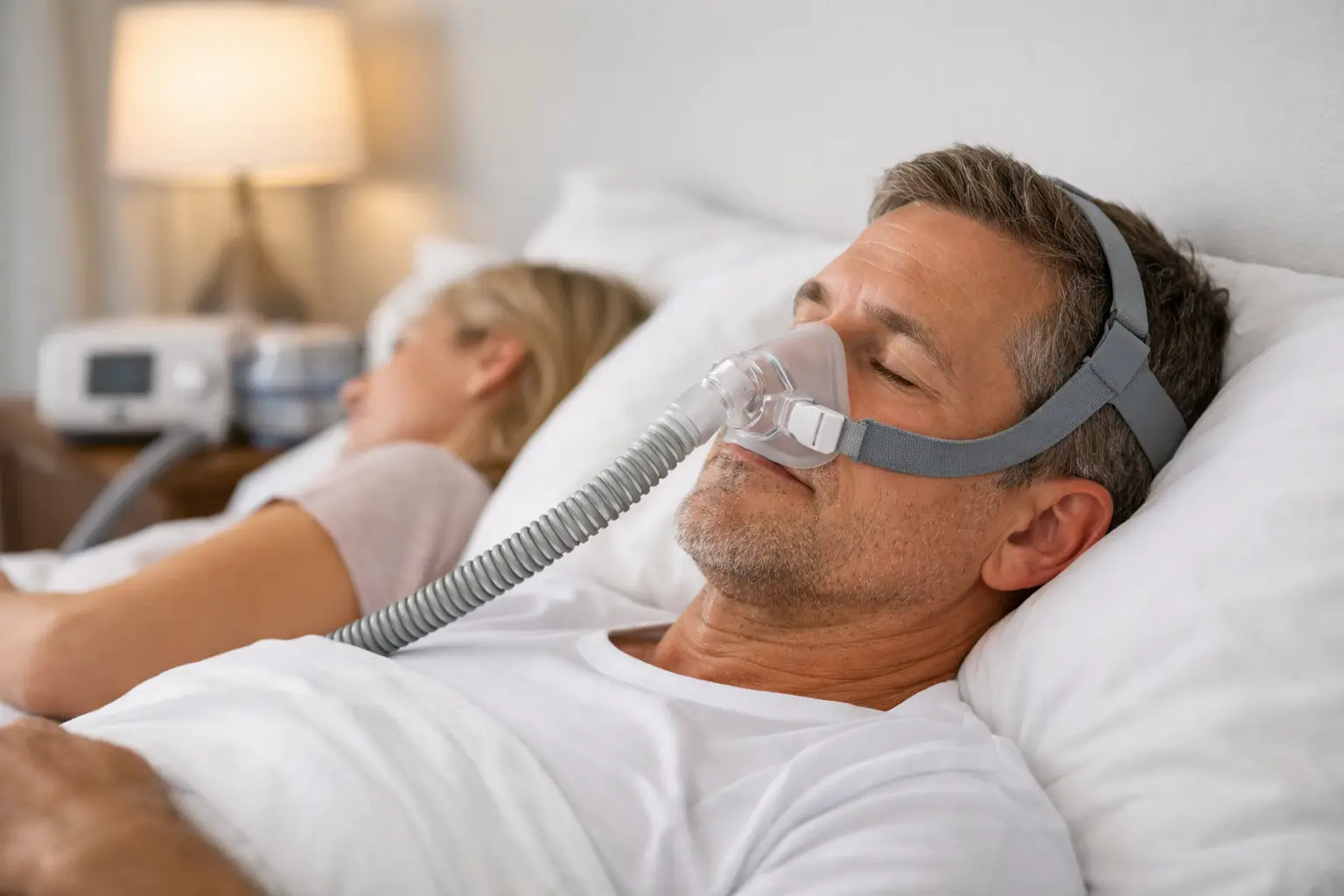
- Nasal masks cover the nose and work well for many regular CPAP users.
- Full-face masks cover both the nose and mouth and may be appropriate for people who breathe through their mouth at night or often have nasal congestion.
- Hybrid and under-the-nose designs can give people more freedom of movement or a clearer field of vision.
No single mask is best for everyone. Facial shape, sleep position, facial hair, pressure needs, mouth breathing, and comfort preferences all matter. This is why a real mask fitting is worth more than choosing a mask based on a picture or a low online price.
Some patients are prescribed an auto-adjusting CPAP, often called APAP. This type of machine adjusts pressure within a prescribed range as it detects changing needs during sleep. Others use fixed-pressure CPAP. BiPAP, which delivers different pressures for inhaling and exhaling, may be prescribed for certain respiratory conditions or when higher pressures are difficult to tolerate. Your sleep physician or qualified clinician should determine which therapy and settings are right for you.
What Your First Nights May Feel Like
The first few nights with CPAP can feel unfamiliar. You may be aware of the air pressure, notice the sound of the machine, or wonder if you are wearing the mask correctly. That adjustment period is normal. It does not mean CPAP will not work for you.
A good starting point is to wear the mask while awake for short periods. Read, watch television, or sit quietly with the machine running. This lets your brain and body get used to the sensation without the pressure of trying to fall asleep immediately. When you are ready for bed, use the therapy for the full night whenever possible.
Modern machines often have comfort features that help. A ramp setting starts at a lower pressure and gradually increases after you fall asleep. Heated tubing and adjustable humidity can improve comfort in dry homes or during colder weather. Exhalation relief may make it easier for some people to breathe out against the pressure.
Still, comfort features cannot fix a poor mask fit or incorrect settings. If air is blowing into your eyes, the mask is leaking loudly, you feel claustrophobic, or you keep removing it in your sleep, do not assume you need to just push through. Those are fixable problems, and early support matters.
Why Proper Setup Makes Such a Difference
CPAP therapy is highly effective when it is used, but it only works while you wear it. That is why setup should be treated as clinical care, not an afterthought.
A clinician should review your prescription, program the machine as prescribed, show you how to assemble and clean the equipment, and check that the mask seals when you lie down and move naturally. A fitting done while sitting upright can miss leaks that appear when your face relaxes on a pillow.
Machine data can also reveal what is happening after you go home. Many CPAP devices record use time, mask leak, pressure information, and residual breathing events. A data download can help identify whether discomfort is related to leaks, dryness, pressure changes, or inconsistent use. It is far more useful than guessing.
At CPAP One-Stop, the goal is to make this part personal. Hands-on setup, mask fitting, machine programming, and ongoing guidance help patients avoid paying extra fees for support they should have received from the start.
Common CPAP Problems Are Usually Solvable
Dry mouth often points to mouth breathing or low humidity. A full-face mask, a chin strap in appropriate cases, or humidity adjustments may help. Nasal dryness or congestion can sometimes improve with heated humidity, heated tubing, or advice from your healthcare provider about managing nasal symptoms.
Mask leaks are another common frustration. Tightening the straps harder is not always the answer. In fact, overtightening can distort the cushion and create more leaks. The correct mask size, cushion style, and strap adjustment usually matter more than force.
If you feel like the pressure is too strong, do not change prescribed settings on your own. Contact your equipment provider or sleep clinic. Depending on the situation, comfort settings, ramp timing, mask changes, or a clinician-reviewed pressure adjustment may be appropriate.
Cleaning is simple but should be consistent. Wash the mask cushion regularly with mild soap and water, empty and refill the humidifier chamber with fresh distilled water as recommended, and keep the equipment dry between uses. Replace cushions, filters, tubing, and masks on schedule because worn supplies can affect comfort, seal, and hygiene.
CPAP, Insurance, and the Cost Questions Patients Should Ask
Equipment pricing can be confusing, especially when setup charges, mask fitting fees, and supply costs appear after the initial quote. Before you agree to a provider, ask what is included in the price, whether they can bill your insurance directly, and what support is available after you take the machine home.
If you have insurance, coverage may depend on your plan, prescription, and proof of therapy use. Some plans require specific documentation or have limits on how often masks and accessories can be replaced. A provider that understands the paperwork can save you time and prevent avoidable delays.
Price matters, but so does value. A discounted machine is not necessarily a good deal if you are left without programming, fitting, troubleshooting, or help with a mask that does not work for you. Clear pricing and accessible local support are especially valuable when you are new to treatment.
Giving Yourself the Best Chance of Success
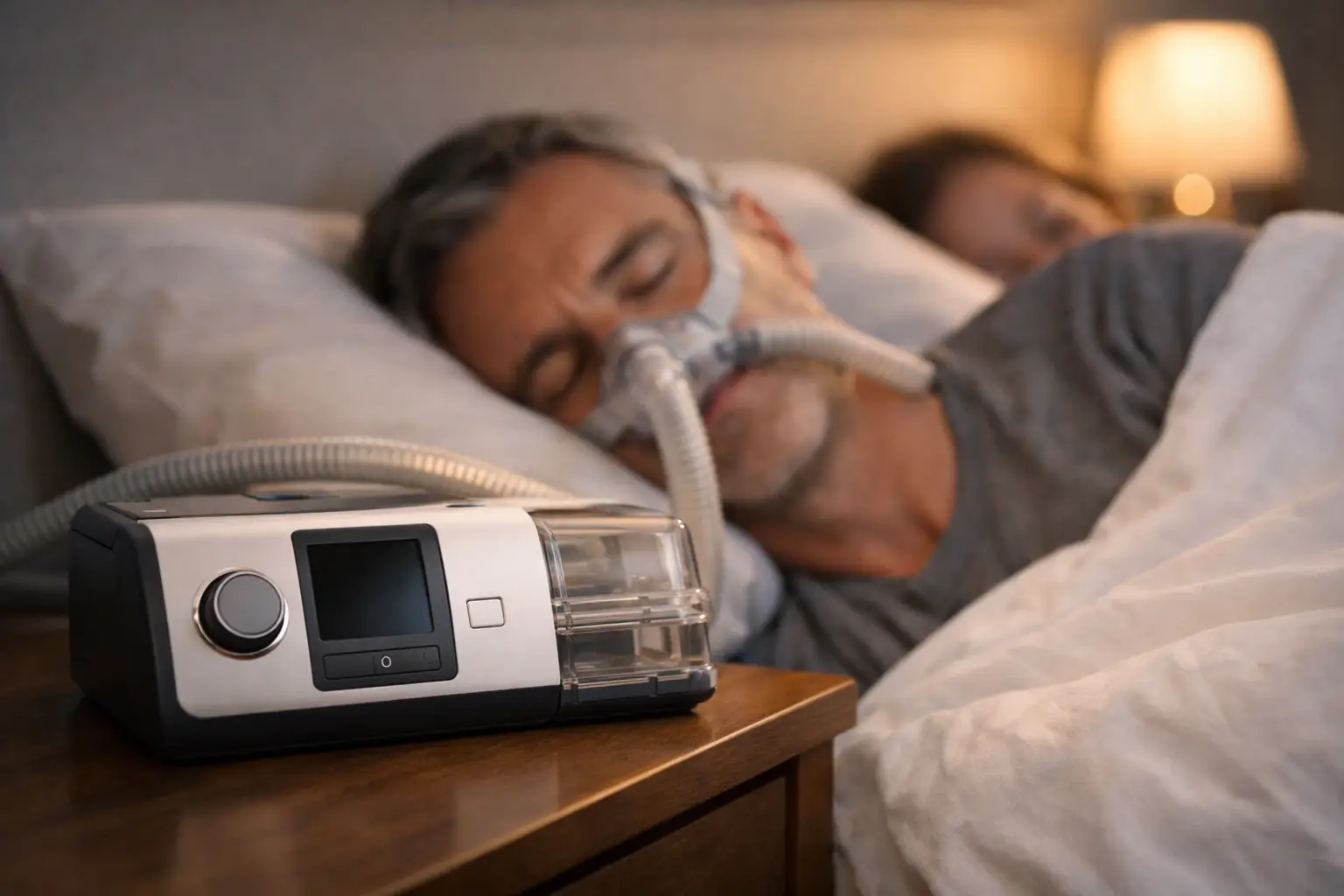
Consistency is the goal. Use your CPAP every time you sleep, including naps, because sleep apnea does not take a night off. Keep the machine close to the bed on a stable surface, make cleaning part of your routine, and contact your provider early if something feels wrong.
It also helps to involve the person you sleep beside. They may notice whether snoring, leaks, or breathing pauses have improved, and their encouragement can make the adjustment easier. If you are helping a parent, spouse, or family member start therapy, focus on small wins: one comfortable night, fewer leaks, and a routine that feels manageable.
CPAP therapy asks for a little patience at the beginning, but you should never feel left alone to figure it out. The right equipment is only the start. Clear guidance, a mask that actually fits, and someone who will answer your questions can turn a difficult first week into a treatment you can rely on for years.
Leave a Reply