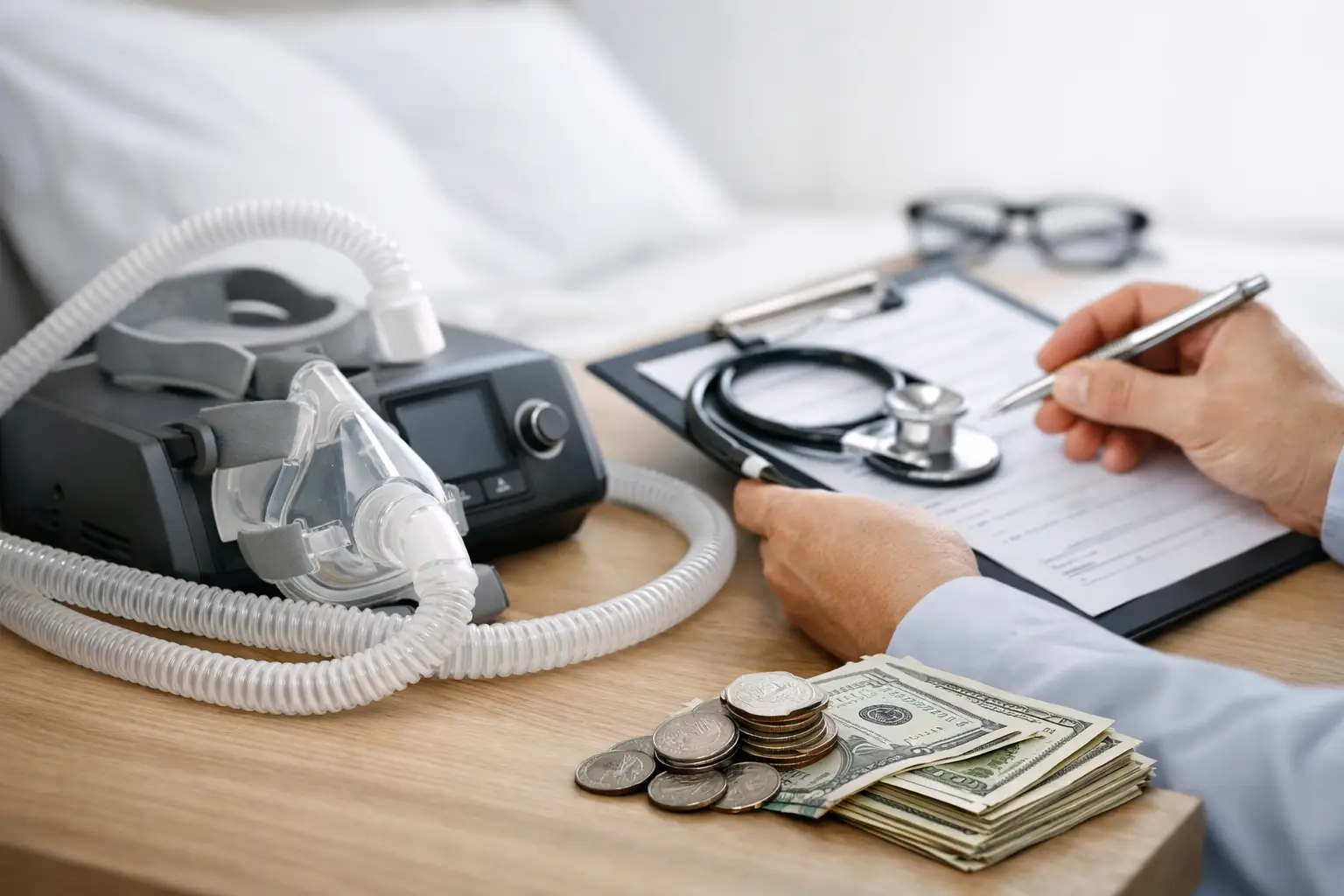
A sleep apnea diagnosis should lead to better rest, not a maze of surprise bills. So, does insurance cover CPAP? In many cases, yes. But coverage is rarely as simple as handing over a prescription and walking out with a machine at no cost.
Your plan may cover part or most of a CPAP machine, mask, tubing, humidifier chamber, and replacement supplies. What you actually pay depends on your deductible, coinsurance, provider network, rental rules, and whether the equipment is considered medically necessary. The details matter, and they can make a major difference in your out-of-pocket cost.
Does Insurance Cover CPAP Equipment?
Most private health insurance plans and Medicare plans treat CPAP equipment as durable medical equipment, often called DME. That means coverage is commonly available when a qualified provider has diagnosed obstructive sleep apnea and written a prescription for therapy.
“Commonly available” does not mean automatic. A plan may require that you use an in-network equipment provider, submit a sleep study, obtain prior authorization, or rent the machine before it will allow a purchase. Some plans cover a basic machine but apply different rules to advanced features, travel machines, or comfort-focused accessories.
The machine is only one part of treatment. A mask that leaks, hurts, or feels claustrophobic can make therapy difficult to use. Yet insurance coverage for masks and supplies often follows a replacement schedule, not your personal preference. That is why it pays to understand the rules before choosing equipment or agreeing to a supplier’s pricing.
What Determines Your CPAP Cost?
There is no single answer because every insurance policy is different. Still, the same cost factors come up again and again.
First is your deductible. If you have not met it, you may be responsible for a large share of the approved equipment cost. After the deductible is met, your plan may pay a percentage while you pay coinsurance. A plan with 20% coinsurance can still leave you with a meaningful bill if the supplier charges more than you expected.
Network status matters just as much. An out-of-network supplier can turn a covered CPAP purchase into a much more expensive one, or leave you to pay upfront and file a claim yourself. Ask whether the provider is in network for your specific plan, not merely whether they “take insurance.” Those are not always the same thing.
Then there is the plan’s allowed amount. Insurance companies do not necessarily pay the retail price shown on an invoice. They set an approved amount for covered equipment. If a supplier charges above that amount and is not bound by a network agreement, you may be billed for the difference.
Finally, many insurers use a rent-to-own model. Instead of paying for the machine all at once, the insurer may rent it monthly for a set period. If you meet the plan requirements, ownership may transfer at the end. This approach can spread costs out, but it can also create complications if you change insurers, move, or stop meeting compliance requirements during the rental period.
Why CPAP Compliance Can Affect Coverage
Insurance is paying for treatment because the machine is expected to treat a diagnosed medical condition. For that reason, many plans want evidence that you are actually using it.
CPAP machines can record usage data, including how often the device is used and for how long. Some insurers, especially Medicare-related plans, may review that data during an early trial period. If the data shows limited use, the plan may pause payment, deny future rental months, or require additional clinical documentation.
This is not meant to punish people who struggle with CPAP. It is a reality of insurance billing, and it is one reason proper setup and mask fitting matter from the first night. A patient who cannot tolerate the mask should not simply give up and accept poor sleep. Often, a different mask style, humidity adjustment, pressure setting review, or coaching can solve the problem.
Do not wait until an insurer flags noncompliance to ask for help. Address discomfort early, keep follow-up appointments, and make sure your provider can document the support you receive.
What Documents Will You Usually Need?
Before insurance pays, the equipment provider may need several pieces of documentation. Requirements vary by plan, but the usual paperwork includes:
- A sleep study or diagnostic test confirming sleep apnea
- A prescription or order for CPAP therapy from a qualified clinician
- Clinical notes supporting medical necessity
- Your insurance card, identification, and current coverage details
- Prior authorization, if your plan requires it
If your insurer uses a rental model or checks compliance, you may also need follow-up documentation showing that CPAP therapy is helping and that you are using the equipment as directed.
A trustworthy provider should explain what is needed before equipment is dispensed. You should not be left guessing why a claim was denied weeks later.
CPAP Machines, Masks, and Supplies Are Not Covered the Same Way
Patients are often surprised to learn that coverage for a CPAP machine does not automatically mean unlimited coverage for every accessory. Insurers typically set replacement schedules for masks, cushions, headgear, filters, tubing, water chambers, and other supplies.
For example, a plan may allow mask cushions more frequently than complete masks, while tubing and humidifier chambers may have longer replacement intervals. The schedule is designed around expected wear, but real life is not always that neat. Facial hair, skin sensitivity, active sleep, and changes in weight can all affect how quickly a mask stops sealing well.
Before ordering supplies, confirm whether you are eligible under your plan and whether the item is billed as a replacement part or a complete system. It is also smart to ask for the estimated patient responsibility before the order is processed. “Covered” can still mean you owe a deductible, copay, coinsurance, or upgrade charge.
How to Avoid CPAP Insurance Surprises
The fastest way to reduce surprises is to verify benefits before accepting equipment. Call the member services number on your insurance card and ask direct questions. Confirm that CPAP is covered under your DME benefit, whether prior authorization is required, and whether the supplier you plan to use is in network.
Ask whether the machine is a rental or purchase, how long the rental period lasts, and what happens if you change plans. Find out your remaining deductible, coinsurance percentage, and any annual maximum that applies. If supplies are included, ask for the replacement schedule in plain language.
Also ask the equipment provider for a written estimate. A clear estimate should distinguish between the machine, mask, accessories, setup, delivery, insurance billing, and any fees you may owe. Hidden setup charges and vague “administrative” fees have no place in sleep therapy. You deserve to know the price before you commit.
If you are paying cash because of a high deductible, compare the cash price with your estimated insurance responsibility. Sometimes insurance is the better route. Other times, a transparent cash price can be less expensive than months of rental payments and coinsurance. The right choice depends on your plan and your financial situation, not on a one-size-fits-all sales pitch.
If Your Insurance Denies CPAP Coverage
A denial is frustrating, but it is not always final. Start by reading the explanation of benefits or denial notice carefully. It should identify the reason, such as missing documentation, lack of prior authorization, an out-of-network claim, or a medical-necessity issue.
In some cases, the fix is straightforward: a missing prescription, a corrected billing code, or clinical notes from your sleep specialist. In others, you may need to appeal. Your prescribing clinician and equipment provider can often help supply the documentation needed for reconsideration.
If coverage remains unavailable, ask about transparent self-pay options, payment arrangements, and the cost of supplies over time. CPAP therapy is ongoing care, not a one-day purchase. A lower upfront price does not help if you cannot get mask support, replacements, or guidance when something stops working.
The best CPAP provider does more than hand you a box and submit a claim. They help you understand your options, fit your mask properly, explain the billing before it becomes a problem, and stay available when therapy needs adjusting. Because every breath matters, you should never have to choose between clear answers and the treatment you need.
Leave a Reply