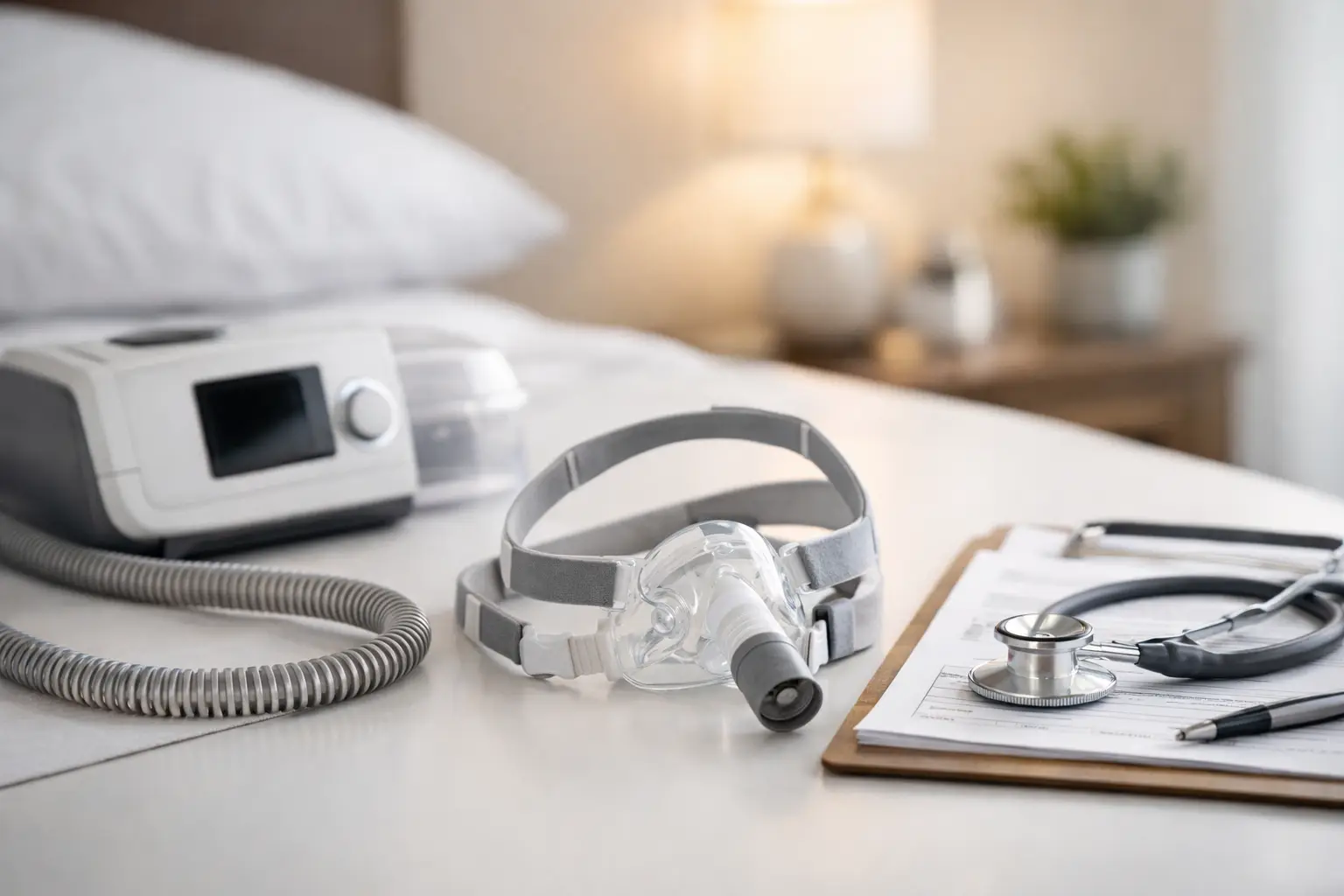
The first night with a CPAP machine can feel like a lot: a new device beside the bed, a mask on your face, and the pressure of hoping treatment works right away. Knowing how to start CPAP therapy properly makes that first week far less stressful. You do not need to figure it out alone, and you should never be charged surprise setup fees just to understand equipment that is essential to your health.
CPAP therapy treats obstructive sleep apnea by keeping your airway open while you sleep. When the setup is right, many people notice quieter nights, more energy, clearer mornings, and fewer frightening breathing interruptions. The key is not simply buying a machine. It is choosing the right equipment, getting a proper mask fit, and having real support when something feels uncomfortable.
Start With Your Sleep Study and Prescription
Your sleep study and prescription are the starting point for safe, effective therapy. The prescription tells your provider whether you need standard CPAP, Auto CPAP, BiPAP, or another form of treatment. It may also include a pressure setting or a pressure range based on your apnea severity and overnight results.
Do not assume every machine is interchangeable. A standard CPAP delivers one prescribed pressure all night. An Auto CPAP adjusts within a clinician-set range as your needs change, which can be helpful when your pressure varies by sleep position, alcohol use, congestion, or REM sleep. BiPAP provides different pressures for inhaling and exhaling and is typically used for people who need higher pressures or have specific respiratory needs.
A clinician should review your prescription, explain your options in plain language, and program your device correctly. This is not an area for guesswork. Starting with the wrong settings can leave you uncomfortable or under-treated.
Choose a Machine That Fits Your Life
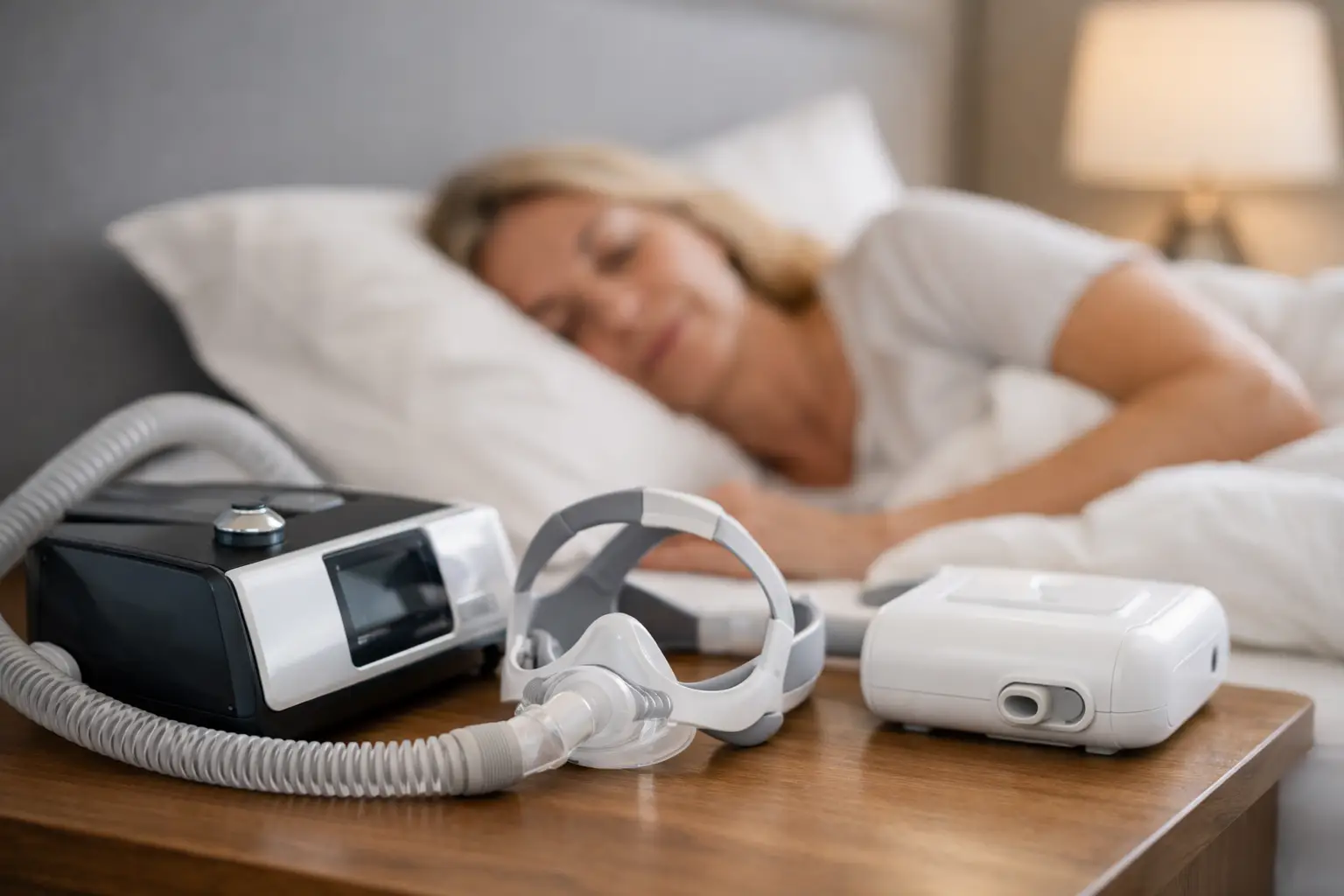
Most current CPAP machines are quiet, compact, and able to track therapy data. The best choice depends on your prescription, comfort needs, travel habits, and budget.
For most first-time users, an Auto CPAP with a heated humidifier is a practical option. Humidification adds moisture to the airflow, helping reduce dry mouth, dry nose, sore throat, and nasal irritation. If you regularly travel, a small travel CPAP can be useful, but it is not always the best primary machine. Travel devices may have fewer comfort features, smaller water chambers, and more noticeable sound.
Ask what is included in the quoted price. A clear quote should explain the machine, humidifier, heated tubing if needed, mask, filters, setup, programming, and follow-up support. Be cautious if a low machine price turns into added setup charges, mandatory service fees, or unclear accessory costs later. You deserve transparent pricing before you commit.
The Mask Fit Can Make or Break CPAP Therapy
Your machine delivers therapy, but your mask determines whether you can comfortably use it night after night. A poor fit is one of the biggest reasons people stop treatment early. The right mask should seal well without being painfully tight.
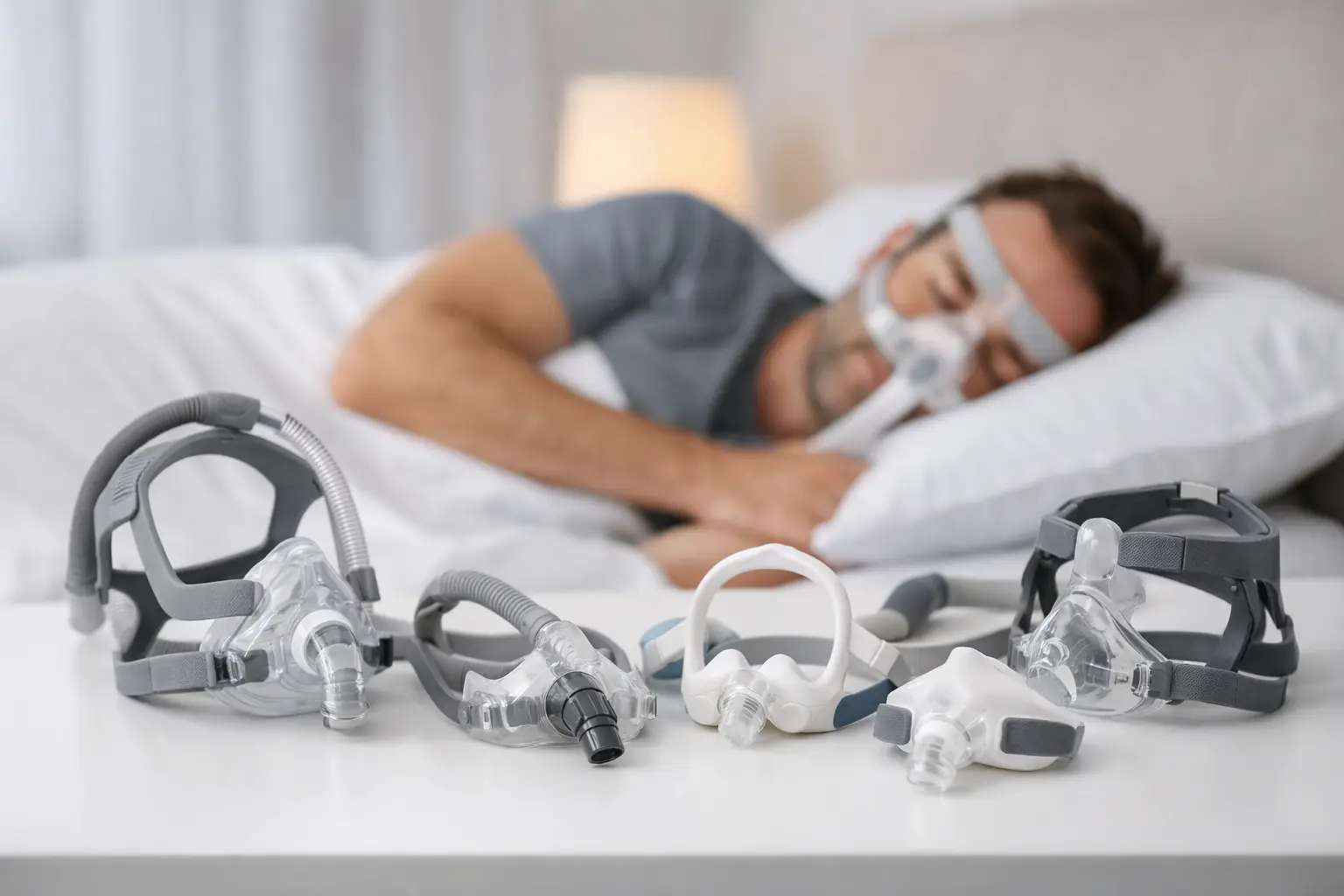
There are three main mask styles. Nasal masks cover the nose and work well for many people who breathe through their nose. Nasal pillow masks sit at the nostrils and are lighter and less bulky, making them popular with side sleepers and people who dislike a larger mask. Full-face masks cover the nose and mouth and are often a better choice if you breathe through your mouth, have frequent congestion, or wake with a very dry mouth.
Mask choice is personal. A full-face mask may offer a more reliable seal for a mouth breather, but it can feel larger. Nasal pillows feel minimal, but some people find direct airflow at the nostrils uncomfortable at first. Your sleeping position, facial shape, facial hair, dental appliances, and sensitivity to pressure all matter.
A hands-on mask fitting is worth the time. Try the mask while lying down, with the machine running at pressure if possible. Facial muscles shift when you recline, so a mask that seems fine while sitting can leak once you are in bed. Tightening the straps too much usually makes leaks worse by distorting the cushion. A fitted mask should feel secure, not clamped onto your face.
How to Start CPAP Therapy During the First Week
The goal of your first week is not perfection. It is building a routine and solving small comfort issues before they become reasons to quit. Use the machine every time you sleep, including naps, even if you only manage part of the night at first.
- Set up the machine on a stable bedside surface below the level of your mattress. This helps prevent condensation in the tubing from running toward your face. Fill the humidifier chamber with distilled water when recommended by the manufacturer.
- Wear the mask for 15 to 30 minutes while awake. Read, watch television, or sit quietly with the machine on. This gives your brain time to get used to the feeling without the pressure of falling asleep.
- Use the ramp feature if prescribed or enabled. Ramp starts at a lower pressure and gradually increases, which can make it easier to settle in. Some people prefer to turn ramp off once they are comfortable because they want full treatment pressure immediately.
- Pay attention to the type of discomfort you feel. A dry nose, air leaks, stomach bloating, claustrophobia, and pressure intolerance each have different solutions. Do not simply push through night after night without asking for help.
- Check your therapy data after the first few nights with a clinician. Usage hours, leak levels, apnea events, and pressure trends can show whether the equipment is working as intended.
If you remove the mask in your sleep, do not view it as failure. Put it back on when you wake up. Consistent practice matters more than having one flawless night.
Solve Common Comfort Problems Early
Dryness is often a humidity issue. Increase humidity gradually if your nose or throat feels dry, but reduce it if you wake with water droplets in the mask or tubing. Heated tubing can help prevent this “rainout” by keeping the air temperature more consistent.
Leaks can create noise, dry eyes, and a sensation that the machine is not working. First, clean the mask cushion, then reseat the mask and adjust it gently. If leaks continue, you may need a different cushion size or a different mask style. A mask is not supposed to whistle, blast air into your eyes, or leave deep painful marks every morning.
Feeling anxious or claustrophobic is common, especially at the beginning. Start with short awake sessions, use a lighter mask if appropriate, and speak with your provider before changing settings. Pressure that feels difficult to exhale against may be improved by a comfort setting or by reviewing whether your current therapy mode is right for you.
Nasal congestion can also interfere with treatment. A heated humidifier, saline rinse, or clinician-approved treatment for allergies may help. If you cannot breathe comfortably through your nose, forcing yourself into a nasal mask is rarely the answer. A full-face option may make therapy more usable while you address the congestion.
Use Insurance Without Letting It Slow You Down
Insurance coverage can be confusing, particularly when deductibles, co-pays, rental requirements, and replacement schedules are involved. Ask for a clear explanation of what your plan covers and what you may owe. Direct insurance billing can reduce paperwork, while deferred billing may help if coverage takes time to process.
Keep your prescription, sleep study, and insurance information ready before your appointment. Many insurance plans also require proof that you are using CPAP consistently. Regular data downloads can document your use and help support ongoing coverage.
Cost matters, but service matters too. The least expensive offer is not a real bargain if it leaves you alone with an unopened box, an uncomfortable mask, and no one to call when treatment is not working. Look for straightforward pricing, no setup fees, and access to a clinician who can adjust and review your therapy.
Build a Routine That Lasts
CPAP works when it becomes part of your regular bedtime routine, much like brushing your teeth. Keep the machine ready, clean the mask cushion regularly, empty and refill the humidifier as needed, and replace supplies when they are worn out. Stretched headgear, old cushions, blocked filters, and cracked tubing can all affect comfort and treatment quality.
If you are in Southern Ontario, CPAP One-Stop can help with personalized setup, mask fitting, machine programming, data reviews, delivery, and ongoing clinician support. The right support can save you weeks of trial and error.
Give yourself permission to ask questions early and often. CPAP therapy is not about tolerating a machine at all costs. It is about finding a setup that lets you breathe easier, sleep more deeply, and wake up ready to take back your day.
Leave a Reply