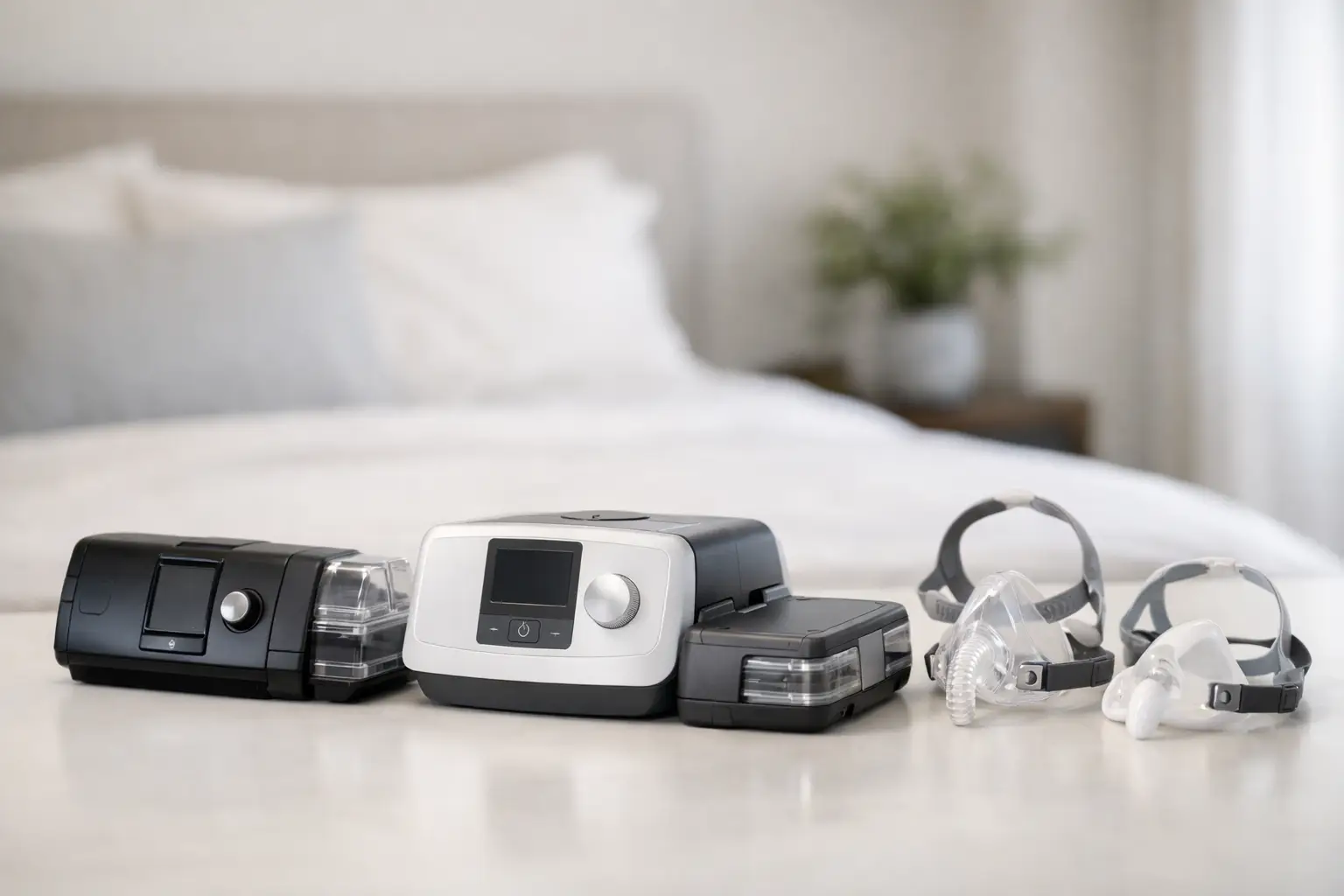
A sleep apnea diagnosis often comes with a prescription and a frustratingly broad question: what CPAP machine do I need? The answer is not simply “the newest one” or “the least expensive one.” The right machine is the one that matches your prescribed therapy, breathing pattern, comfort needs, lifestyle, and ability to use it consistently.
That last part matters. A machine can have every available feature, but if the mask leaks, the pressure feels uncomfortable, or nobody explains how to use it, it can end up collecting dust on a nightstand. You deserve clear answers, proper setup, and no surprise fees for the support that should come with your treatment.
Start With Your Prescription, Not the Box
CPAP equipment is prescribed medical equipment. Your sleep study and prescription provide the starting point for choosing the right type of machine and the correct pressure settings. Do not buy a machine based only on a friend’s recommendation, an online review, or a low advertised price.
Your prescription may call for a fixed pressure, a pressure range, bilevel therapy, or added oxygen compatibility. It may also identify whether you have obstructive sleep apnea, central sleep apnea, or another breathing condition that needs more specialized treatment. Those details determine what your machine needs to do while you sleep.
For most people with uncomplicated obstructive sleep apnea, the choice comes down to a standard CPAP machine or an auto-adjusting CPAP machine. For others, particularly those who struggle with high pressures or have more complex respiratory needs, a BiPAP or other advanced device may be appropriate. The goal is not to overbuy. It is to get the therapy your clinician has prescribed and make it comfortable enough to use every night.
What CPAP Machine Do I Need: CPAP, APAP, or BiPAP?
These names sound similar, but they deliver therapy differently. Knowing the distinction can make conversations with your provider much less confusing.
Fixed-pressure CPAP
A standard CPAP machine delivers one continuous pressure throughout the night. If your prescription says 10 cm H2O, for example, the machine provides that same pressure each time you breathe in and out.
Fixed-pressure CPAP is effective, straightforward, and often a good option when your prescribed pressure is well established. It can be especially suitable for people who have already completed a titration study and do well at one consistent setting. Many users appreciate the simplicity.
The trade-off is that your pressure needs can vary during the night. Sleeping on your back, entering REM sleep, nasal congestion, alcohol use, and weight changes can all affect airway obstruction. A fixed-pressure machine cannot adjust on its own when those needs shift.
Auto-adjusting CPAP, often called APAP
An APAP machine works within a prescribed pressure range. Rather than delivering one fixed pressure all night, it responds to signs of airway narrowing and adjusts pressure as needed. If your prescribed range is 6 to 14 cm H2O, the machine can increase or decrease pressure within those limits.
For many first-time users, APAP is a practical choice because it can provide lower pressure when less is needed and more support when obstruction increases. This may improve comfort, particularly for people whose apnea is worse in certain sleep positions or stages of sleep.
APAP is not automatically better for every patient. Some people sleep more comfortably with stable fixed pressure, and certain medical conditions require a specific machine type and closer clinical oversight. The machine must be programmed according to your prescription, not guessed at after you bring it home.
BiPAP or bilevel therapy
BiPAP machines use two pressures: a higher pressure when you breathe in and a lower pressure when you breathe out. The lower exhale pressure can make therapy more tolerable for people who need high pressure levels and feel as if they are pushing against the airflow.
Bilevel therapy may also be prescribed for certain respiratory conditions, hypoventilation, or complex sleep-disordered breathing. It is not simply a premium upgrade from CPAP. It is a different kind of therapy, usually selected for a clinical reason.
If you have been told that you need BiPAP, do not let anyone substitute a basic CPAP machine because it is cheaper or immediately available. The right equipment needs to match the prescription, period.
Features That Actually Make a Difference
Once you know the type of therapy you need, look at features that affect day-to-day use. The best features are the ones that help you keep using treatment, not the ones that create a longer spec sheet.
Heated humidification is one of the most valuable options for many CPAP users. It adds moisture to the airflow and can reduce dry mouth, dry nose, congestion, and throat irritation. If you wake up feeling parched or live in a dry environment, a heated humidifier is often worth having.
Heated tubing can be helpful too. It helps keep the air temperature more consistent and reduces “rainout,” which is when condensation forms in the tubing and drips or gurgles during the night. It is especially useful for people who keep their bedroom cool.
Exhalation relief is another comfort feature worth asking about. It slightly reduces pressure when you breathe out, making the machine feel less forceful without changing the prescribed treatment. Ramp settings can also start the pressure lower and gradually build to your therapy level as you fall asleep.
Modern machines can record treatment data, including usage hours, mask leaks, and apnea events. This is not about being monitored. It is about finding problems early. If you are tired despite using your machine, data can show whether leaks, inadequate pressure, or inconsistent use may be getting in the way.
Noise matters, but most current machines are quiet enough that mask leaks are more noticeable than the machine itself. If a partner complains about sound, check the mask seal and tubing connection before assuming you need a different device.
The Mask Can Matter More Than the Machine
A highly rated CPAP machine cannot compensate for a poorly fitted mask. Mask discomfort and leaks are among the most common reasons people stop therapy early, which is why mask fitting should never be rushed.
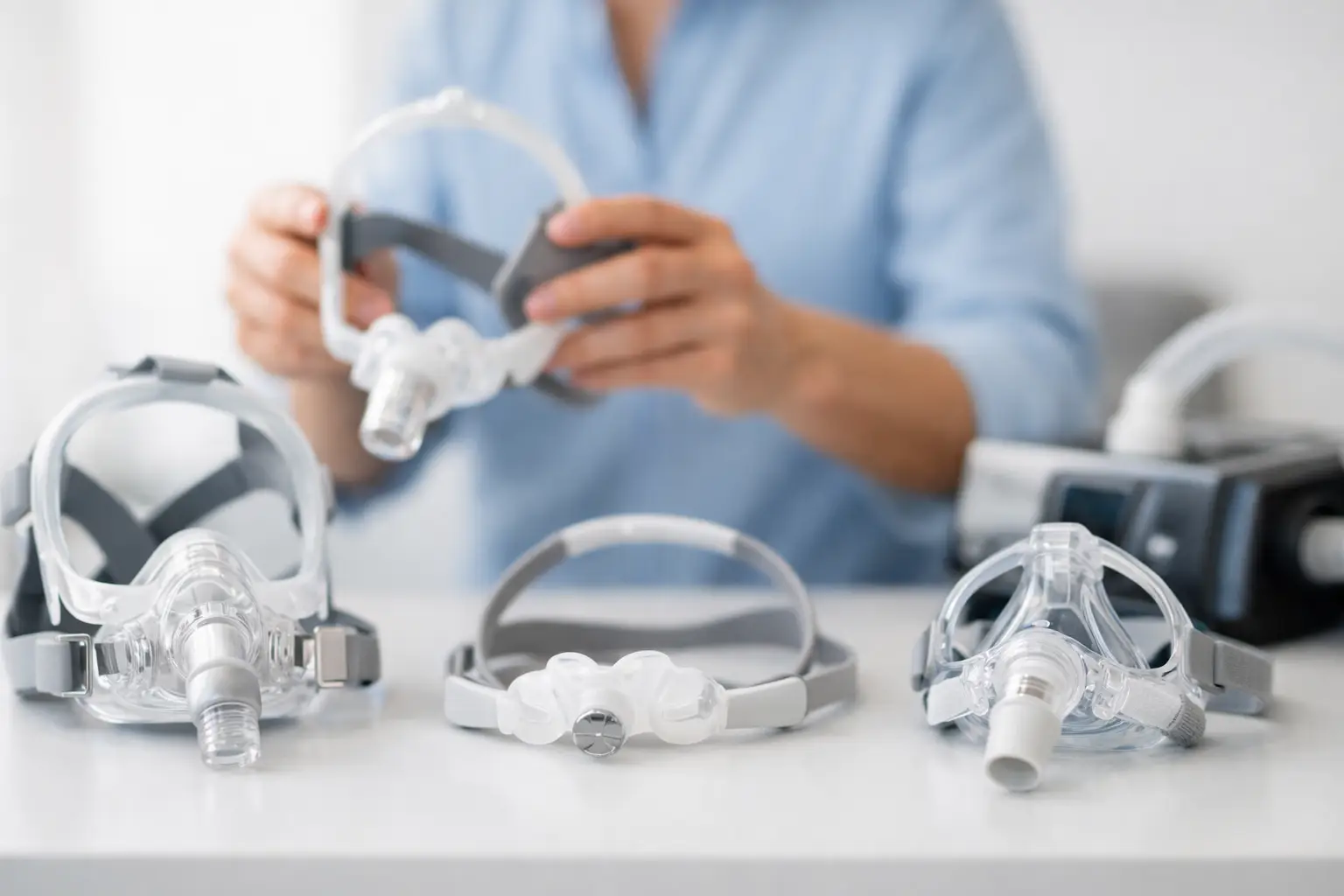
Nasal masks cover the nose and work well for many users. Nasal pillow masks rest at the nostrils and can feel less bulky, making them popular with people who wear glasses, read in bed, or dislike having their face covered. Full-face masks cover the nose and mouth and are often a better choice if you breathe through your mouth during sleep or deal with frequent nasal congestion.
There is no single “best” mask. Face shape, sleep position, facial hair, pressure needs, and personal comfort all matter. A side sleeper may need a different cushion style than someone who sleeps on their back. A person who opens their mouth at night may need a full-face mask or clinical guidance before trying to solve the issue with extra accessories.
A proper fitting should include time to try the mask with airflow running. You should be able to move your head, lie back, and breathe normally. Tightening straps until they hurt is not the answer to leaks. In fact, overtightening can distort the cushion and make leaks worse.
Think About Support Before You Buy
The lowest advertised machine price is not always the lowest real cost. Some suppliers charge separately for setup, programming, mask fitting, or follow-up help. Others may hand you a sealed box and leave you to figure out the settings, humidifier, cleaning routine, and insurance paperwork alone.
Ask directly what is included. You should know whether the provider will program the machine from your prescription, review your therapy data, help with mask issues, coordinate insurance billing, and provide support if you run into trouble during the first weeks of treatment.
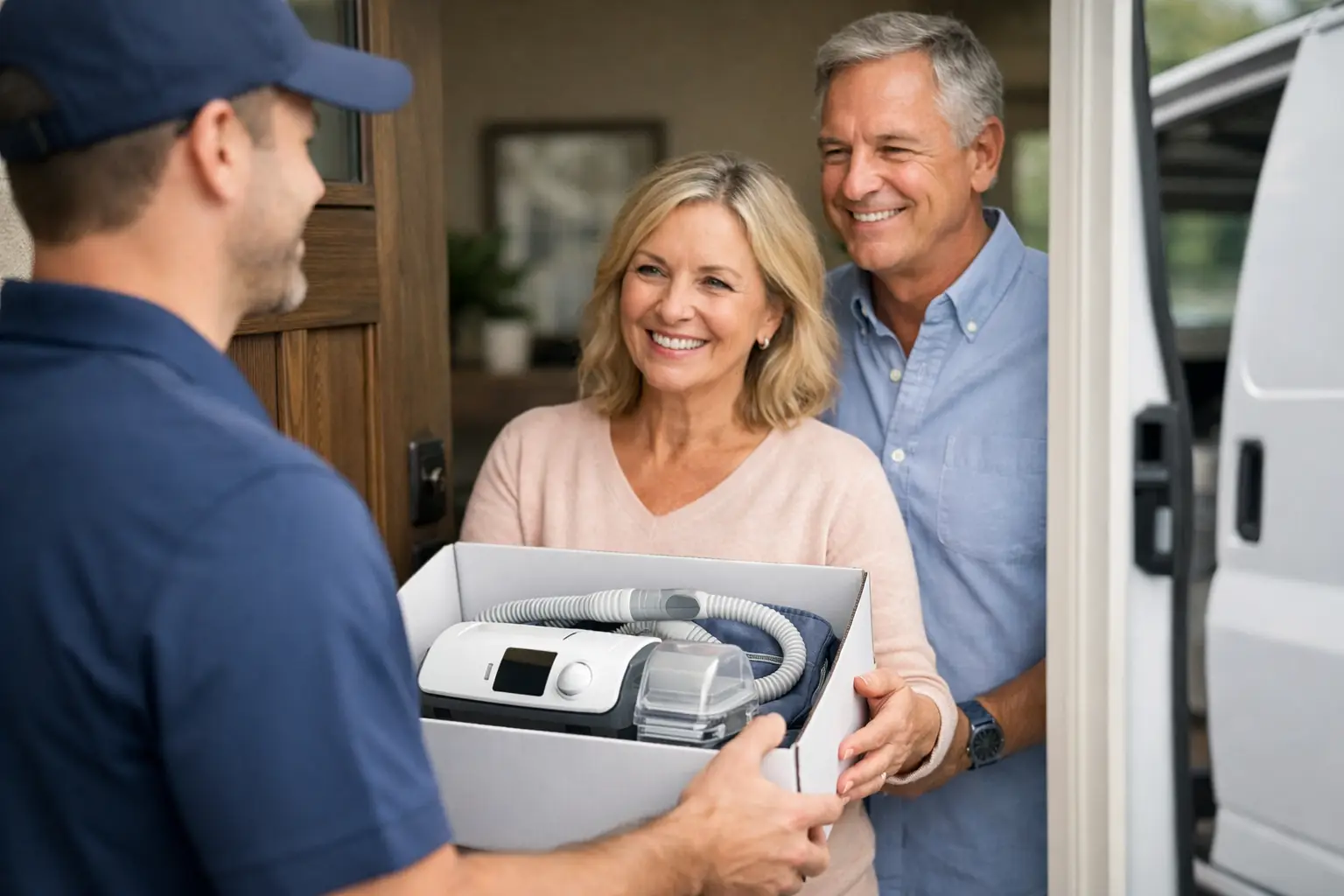
For patients who feel overwhelmed, in-person guidance can change the entire experience. CPAP One-Stop focuses on personal setup, mask fitting, direct insurance billing, and clinician support because successful therapy is more than a machine sale. It is about making sure the machine works for you at home.
If you travel often, ask about compact options, battery planning, and whether your machine can be used with appropriate power accessories. If you are replacing an older unit, bring your current machine or therapy information when possible. Your previous data and settings can help guide the next step.
Do Not Ignore These Signs You Need Follow-Up
New CPAP users need an adjustment period, but you should not simply push through every problem alone. Contact your provider or prescribing clinician if you have persistent air leaks, skin sores, severe dryness, pressure intolerance, ongoing daytime sleepiness, new shortness of breath, or difficulty keeping the mask on for more than a few hours.
Changes in weight, health status, medications, and sleep symptoms can also affect your therapy needs. Your machine’s data may point to a problem, but it does not replace clinical advice. Never change prescribed pressure settings on your own without guidance.
The right CPAP machine is the one that fits your prescription and your real life, backed by people who will help you use it well. Ask questions, insist on transparent pricing, and choose support that treats every night of better breathing as worth getting right.
Leave a Reply