CPAP Delivery Service That Puts Patients First
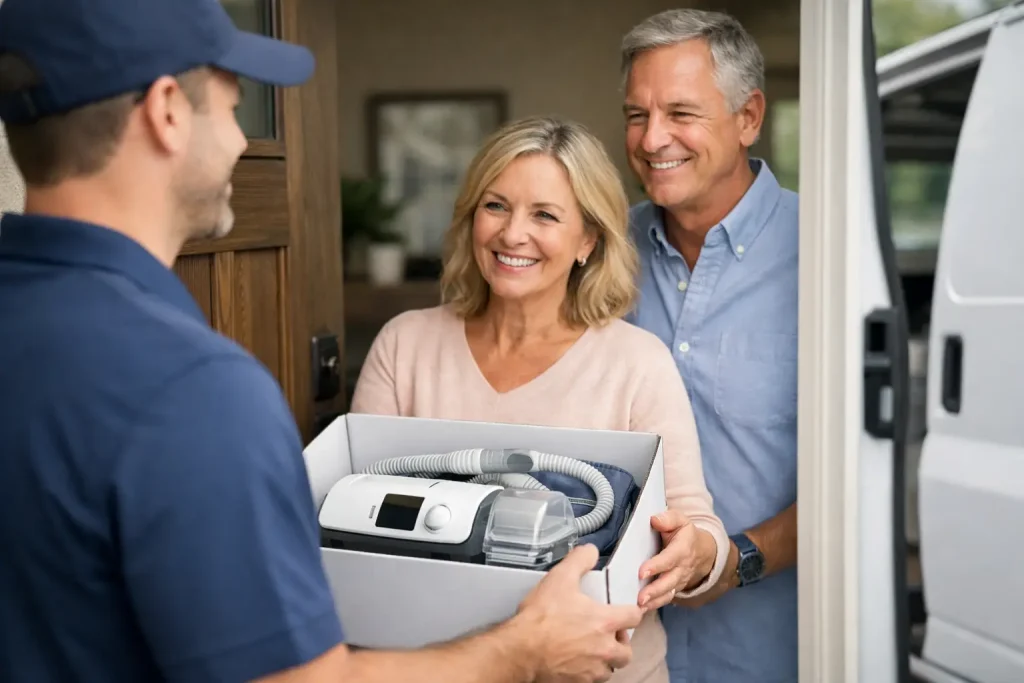
A CPAP machine sitting unopened in a box does not help anyone sleep better. The right CPAP delivery service does more than drop equipment at your door. It makes sure your machine is programmed correctly, your mask fits comfortably, your insurance paperwork is handled properly, and you know exactly what to do on your first night.
For people starting treatment for sleep apnea, convenience matters. But clinical support matters just as much. A low price is valuable, yet it can become expensive if you are left struggling with air leaks, dry mouth, or a machine you do not understand. You deserve delivery that comes with real guidance – not a box, a receipt, and a phone number that never gets answered.
What a CPAP Delivery Service Should Include
CPAP therapy is personal. Your pressure settings, sleep habits, facial shape, insurance plan, and comfort needs are not identical to anyone else’s. That is why delivery should be part of a complete care experience, especially for first-time users.
A patient-first provider begins by confirming that the prescribed machine and settings are appropriate. Your device should be programmed according to your prescription before you begin therapy. If you are using an auto-adjusting CPAP, you should understand the pressure range your clinician has prescribed and what the machine is designed to do while you sleep.
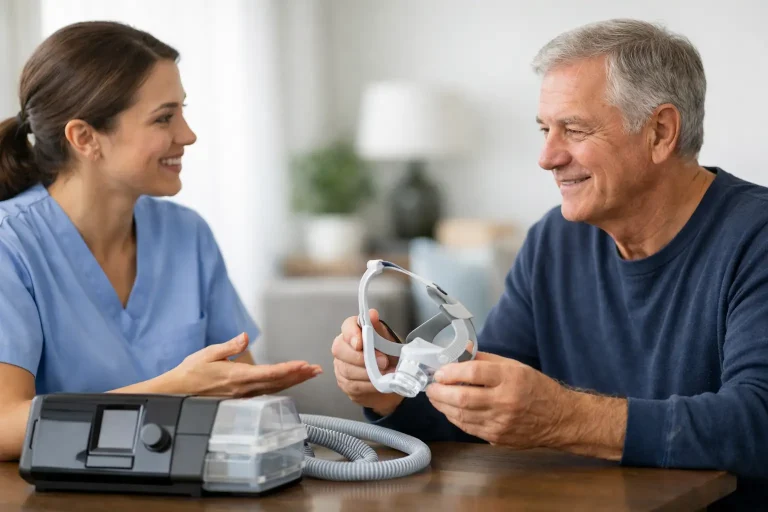
Mask fitting is equally important. A mask that is too loose can leak and make noise. One that is too tight can leave pressure marks, irritate your skin, and still leak. The best mask is not automatically the most expensive one or the one someone else recommends. It is the one that gives you a comfortable, reliable seal in the position you actually sleep in.
A quality delivery appointment should also cover the practical details: how to fill and clean the humidifier chamber, where the filter goes, how to connect tubing, how to put on the mask, and what your machine’s basic information means. You should leave the appointment knowing who to call if something feels wrong.
Delivery Is Not the Same as Drop-Off
Some suppliers treat delivery as a shipping transaction. The equipment arrives, and the patient is expected to figure out the rest from an instruction booklet or online video. That approach may work for an experienced CPAP user replacing a familiar machine. It is a poor fit for many newly diagnosed patients, hospital discharges, and anyone who has already had difficulty with therapy.
A better approach is delivery paired with setup and support. Depending on your needs, that may mean a home visit, an in-store appointment, or a flexible scheduled delivery where a knowledgeable clinician walks you through the equipment. The goal is not to overload you with medical jargon. The goal is to help you use your therapy with confidence that same night.
This is especially valuable when a patient is feeling anxious. Sleep apnea is already disruptive. Many people arrive at their first CPAP appointment tired, frustrated, and worried they will not tolerate the mask. Clear, face-to-face guidance can turn that fear into a manageable plan.
The first week matters most
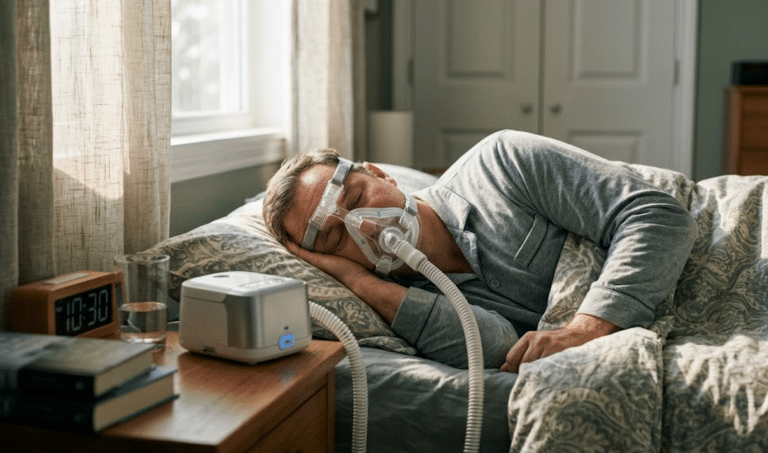
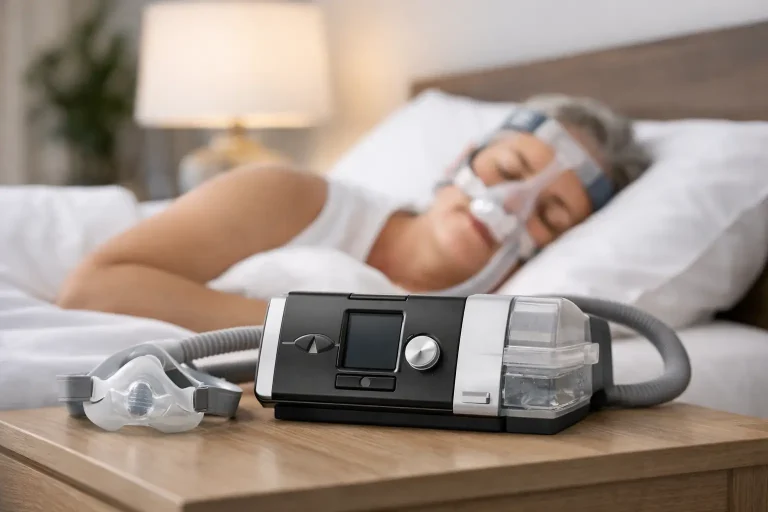
The first few nights of CPAP therapy are often an adjustment period. Your body is getting used to pressurized air, a mask on your face, and a new bedtime routine. Minor issues are common, but they should not be ignored until you give up.
A dry nose may mean the humidifier needs adjustment. Air escaping toward your eyes may mean the mask needs refitting, not tightening. Feeling like the pressure is too strong can sometimes be addressed through comfort settings, ramp features, or a clinical review of your prescribed settings. The answer depends on the problem, which is why accessible support matters.
Choose a provider that stays available after delivery. Data downloads and therapy reviews can reveal whether leaks, low usage, or residual events are affecting your treatment. You should never feel embarrassed to ask for help. Successful CPAP therapy is built through adjustments, not guesswork.
Questions to Ask Before Choosing CPAP Delivery
Before accepting delivery from any CPAP supplier, ask what is actually included. “Free delivery” can sound appealing, but it may only mean a courier shipment with no setup, fitting, or follow-up. Ask whether setup fees apply, whether machine programming is included, and whether there is a charge for clinician support after you receive your equipment.
You should also ask how insurance billing works. Sleep apnea treatment can involve a prescription, insurance authorization, receipts, and plan-specific coverage rules. A provider that offers direct insurance billing can remove a major source of stress. If your benefits are delayed or limited, ask whether deferred billing or payment options are available. Clear answers upfront are a sign that the provider respects your time and your budget.
Price transparency is another essential question. Be cautious when the machine price seems low but setup, mask fitting, delivery, or mandatory service charges appear later. You should know what you are paying for before you commit. There should be no pressure tactics and no surprise fees after your prescription is in hand.
Finally, ask about service coverage. Local delivery is valuable because it makes hands-on support possible when you need it. Patients in communities across Southern Ontario, including Hamilton, Stoney Creek, Burlington, and Niagara Falls, should not have to travel far or wait weeks for basic CPAP help.
When Home Delivery Makes the Most Sense
Home delivery is an excellent option when getting to a clinic is difficult. It can help patients with mobility concerns, busy work schedules, recent hospital stays, or family responsibilities. It can also be helpful for caregivers arranging therapy for a parent or spouse who needs extra reassurance.
Still, home delivery is not always the only or best choice. Some people prefer an in-person fitting at a clinic, where they can compare mask styles and spend more time testing the seal. Others may need an evening or weekend appointment because of work. The right provider offers flexibility rather than forcing every patient into the same process.
What matters is that the appointment fits your life without cutting corners on care. Whether the equipment is delivered to your home or prepared for pickup, you should receive the same careful setup, plain-language instruction, and opportunity to ask questions.
Protect Yourself From Common CPAP Costs
CPAP patients are often surprised by charges that were never clearly explained. Setup fees, delivery fees, inflated accessory prices, and confusing insurance claims can make treatment feel harder than it should be. Do not assume a provider’s advertised machine price reflects your final cost.
Ask for a clear breakdown that includes the machine, mask, tubing, humidifier chamber if applicable, filters, setup, delivery, and any follow-up services. If your insurance covers part of the purchase, ask what documentation will be submitted and what amount you may owe personally. Good service means giving you the facts before you make a decision.
At CPAP One-Stop, the focus is simple: personal support should not be treated as an add-on luxury. Patients deserve help with setup, fitting, delivery, and insurance coordination without being hit with unnecessary fees. Because every breath matters, the details matter too.
A Better Start to Sleep Apnea Treatment
The right CPAP delivery service gives you more than equipment. It gives you a supported start, a properly fitted mask, and a clear path forward when therapy needs fine-tuning. That can make the difference between a machine that stays in the closet and treatment that becomes part of a healthier nightly routine.
If you or someone you care for is preparing to start CPAP therapy, choose a provider that is ready to answer questions before, during, and after delivery. Your treatment should feel personal, practical, and worth sticking with – starting with the very first night.