CPAP Support After Hospital Discharge That Helps
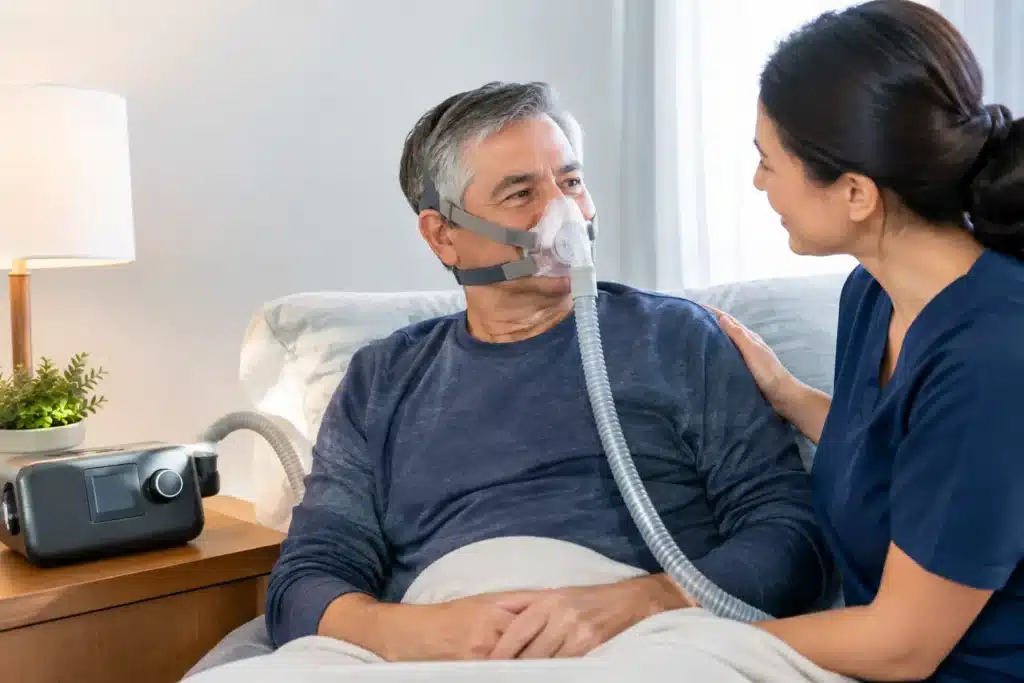
Leaving the hospital can feel like a relief until the first night back in your own bed. If you have sleep apnea, CPAP support after hospital discharge can make the difference between putting your equipment on with confidence and lying awake wondering whether everything is working properly. Your recovery deserves more than a box at the door and a generic instruction sheet.
A hospital stay can change your routine, your energy level, and sometimes your breathing needs. Whether you are returning home after surgery, a respiratory illness, or another medical concern, CPAP therapy should fit into your discharge plan clearly and safely. The right support helps you understand your prescribed equipment, use it comfortably, and know when to call your care team.
Why CPAP can feel different after a hospital stay
Even experienced CPAP users can struggle after being discharged. You may be more congested than usual, sleeping in a different position, taking new medications, or dealing with soreness that makes your usual mask uncomfortable. If you are new to treatment, you are also learning a machine, mask, tubing, humidity settings, and bedtime routine at the same time.
This is not a reason to give up on therapy. It is a reason to get practical help early. Sleep apnea does not pause while you recover, and consistent treatment may be especially valuable when quality rest matters most.
Your hospital team may have made recommendations about your breathing support, but a discharge conversation is often fast and packed with information. Before you leave, make sure you understand whether you should continue your usual CPAP settings, whether there are temporary changes to follow, and who to contact if you have questions about nighttime breathing.
CPAP support after hospital discharge starts with the right plan
A safe plan begins with your discharge instructions and your prescription. If you already use CPAP, keep your machine, mask, and settings information available before you head home. If a clinician has prescribed a new device, ask what type of machine you need and whether your therapy requires any special features, such as a heated humidifier or a particular pressure mode.
Do not change prescribed pressure settings on your own just because the therapy feels unfamiliar after hospitalization. Pressure adjustments should be based on your clinician’s direction and, when appropriate, a review of your machine data. A good CPAP provider can help program equipment to the prescription and explain what the settings mean without leaving you to figure it out alone.
It is also worth asking whether any new medication could affect your sleep or breathing. Pain medications, sedatives, and certain other prescriptions may change how alert you feel or how easily you breathe overnight. Your doctor or pharmacist is the right source for medication questions, especially if you feel unusually drowsy, confused, short of breath, or notice a major change in your symptoms.
If oxygen is part of your discharge plan
CPAP and oxygen are not interchangeable. Some patients are discharged with prescribed oxygen in addition to CPAP, while others are not. Never add oxygen to your CPAP setup, remove prescribed oxygen, or change the way equipment is connected without specific instruction from your medical team.
This is one area where guessing can create real risk. Make sure you know the prescribed flow, when to use oxygen, and whom to call if you are uncertain. If your instructions conflict or do not seem clear, contact the discharging unit or respiratory clinician before your first night home.
Make the first few nights easier
The goal is not perfection on night one. The goal is a setup that is comfortable enough to use consistently and a plan for resolving problems before they become a reason to stop treatment.
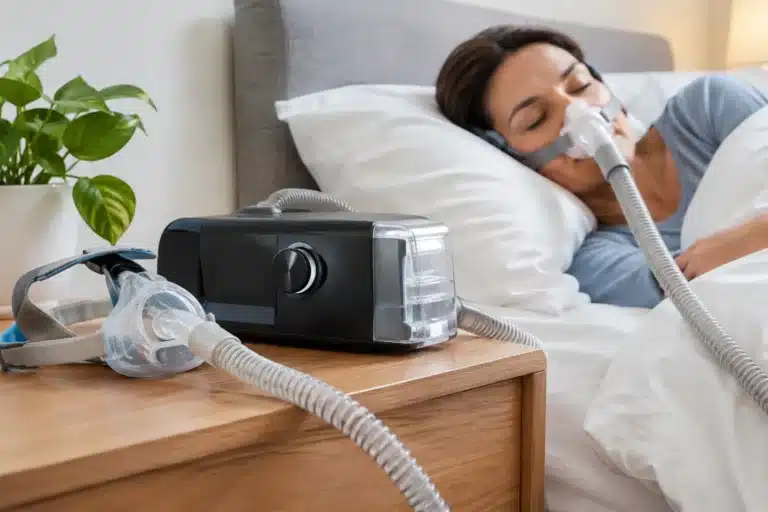
Start by placing the machine on a stable bedside surface, lower than your pillow if possible. Keep the filter area clear, check that the tubing is fully connected, and make sure the power cord is not creating a tripping hazard. Fill the humidifier chamber as directed, typically with distilled water if your machine instructions recommend it.
Mask fit matters more than most people realize. A mask that is too loose can leak and blow air into your eyes. A mask that is too tight can cause pressure marks, soreness, and more leaks as the cushion loses its ability to seal. Fit it while you are in your usual sleeping position with the machine running. Small adjustments are usually more effective than pulling every strap tighter.
If congestion is making CPAP difficult, humidity and heated tubing may help some people, but the best setting depends on the person and the environment. Too little humidity can leave your nose and throat dry. Too much may cause moisture buildup in the tubing. A clinician can help you make sensible adjustments rather than changing several settings at once and not knowing what solved the problem.
Problems that deserve a call, not guesswork
Some CPAP issues are common and manageable. Others need prompt clinical guidance. Call your health care team or equipment provider when a mask leak will not settle, you cannot tolerate the pressure, you wake with severe dryness, or your machine is showing an unfamiliar alert.
Seek urgent medical care or follow your discharge instructions immediately if you have chest pain, severe or worsening shortness of breath, bluish lips or face, confusion, fainting, or any symptom your hospital team told you to treat as urgent. CPAP equipment support is valuable, but it does not replace emergency care.
You should also contact your prescribing clinician if your sleep apnea symptoms return strongly despite using therapy. Loud snoring through the mask, repeated gasping, severe daytime sleepiness, or morning headaches can point to leaks, poor fit, incorrect therapy settings, or another issue worth investigating.
What hands-on support should include
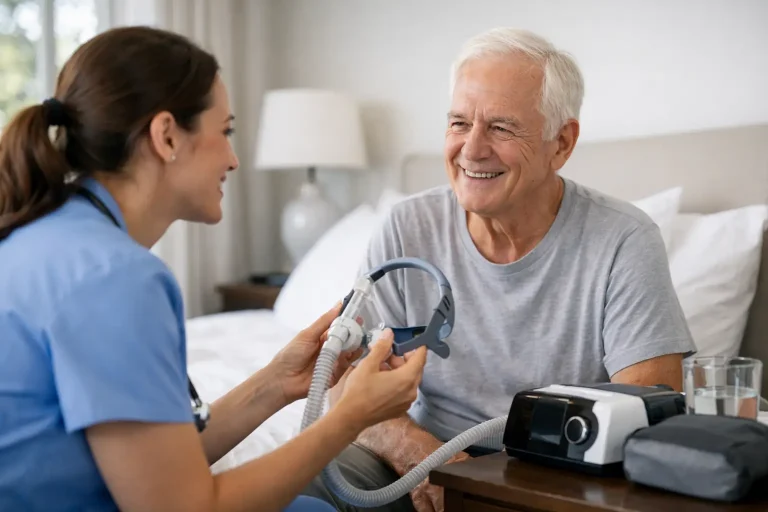
You should not have to pay hidden setup fees for basic help understanding prescribed CPAP equipment. A patient-first provider should explain the machine in plain language, help fit your mask, confirm the setup follows your prescription, and show you how to clean and maintain the equipment.
For many people, data support is equally useful. Modern CPAP machines can record information such as usage time, mask leak, and treatment events. A data download does not diagnose every problem, but it can help identify patterns that are hard to notice on your own. Perhaps the mask leaks after you roll onto your side, or usage drops because dryness wakes you after three hours. Specific information leads to more useful solutions.
At CPAP One-Stop, patients in Southern Ontario can receive practical support such as machine programming, mask fitting, data downloads, delivery, and flexible appointments. That kind of face-to-face guidance matters when you are recovering and do not want to spend hours on hold or wonder whether a problem is normal.
A simple discharge-to-home CPAP checklist
Before your first night home, confirm these essentials:
- You have your prescribed machine, mask, tubing, power supply, filters, and humidifier chamber if applicable.
- You know your prescribed settings and have not made unapproved changes.
- Your mask is comfortable, properly assembled, and tested with the machine running.
- You understand your oxygen instructions, if oxygen was prescribed.
- You know who to contact for equipment support and which symptoms require urgent medical attention.
Keep your machine with you if you are temporarily staying with family or moving between homes during recovery. Missing therapy for a night may happen, but making CPAP part of your discharge routine from the start gives you the best chance of returning to consistent use.
Give yourself room to adjust
Recovery is rarely linear. You may sleep well for two nights, then have a difficult night because of congestion, pain, anxiety, or a new sleeping position. Do not assume one rough night means CPAP is failing. Look at the practical cause first: mask fit, humidity, tubing position, medication changes, or discomfort that needs attention.
The best CPAP support after hospital discharge is personal, responsive, and grounded in your actual prescription and recovery needs. Ask questions early, protect your sleep routine, and get hands-on help when the equipment is not working the way it should. Because every breath matters, especially when you are healing at home.