Why Does CPAP Leak? Causes and Simple Fixes
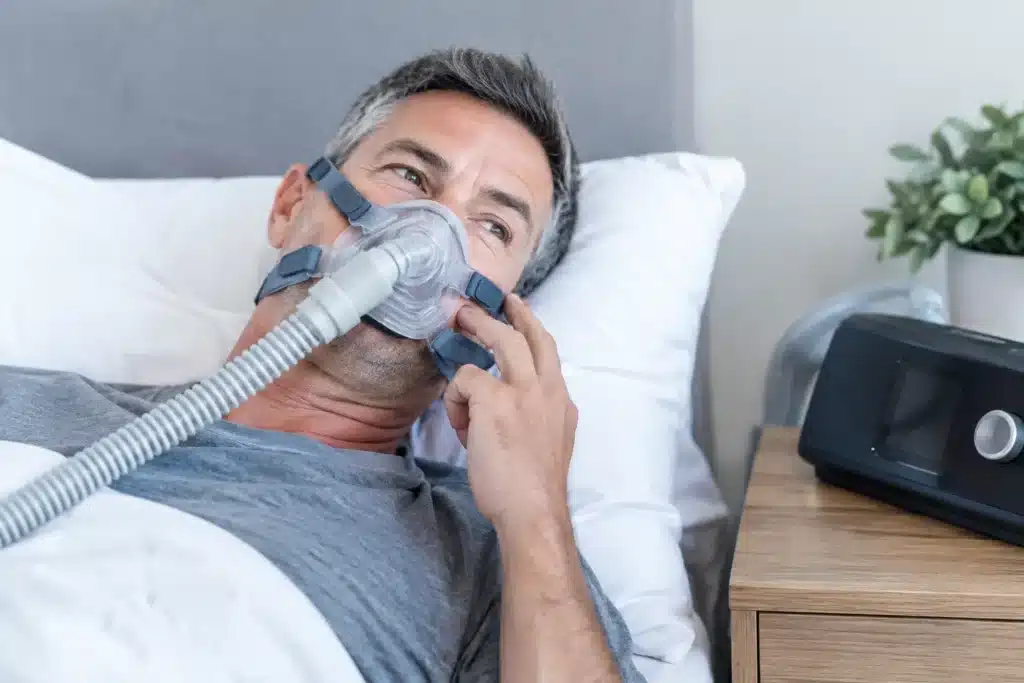
A CPAP leak is not just an annoying hiss that wakes you or your partner. It can leave your mouth dry, irritate your eyes, disrupt sleep, and make therapy feel harder than it should. If you are asking, “why does CPAP leak,” the answer is usually not that your machine is failing. More often, the mask fit, cushion condition, sleeping position, or your breathing pattern needs attention.
The good news is that most leaks are fixable without replacing your entire setup. The key is figuring out where the air is escaping before tightening every strap and hoping for the best.
Why Does CPAP Leak? Start by Finding the Source
Not all leaks are the same. A small amount of intentional airflow is normal. Every CPAP mask has tiny vent holes that release exhaled carbon dioxide. You may feel a gentle stream of air near the front of the mask, and that is by design. Do not cover those vents.
A problem leak happens when air escapes around the mask seal, out through your mouth, from a loose tubing connection, or from worn equipment. Your machine may report a leak number, but your own clues matter too: air blowing into your eyes, loud fluttering, repeated awakenings, dry mouth, or a mask that shifts whenever you turn over.
Before changing anything, run your machine while you are awake and lying in your usual sleep position. Feel around the edge of the mask, check the tubing connections, and notice whether the leak begins immediately or only after pressure rises. That simple test can save a lot of trial and error.
A Mask That Is Too Tight Can Leak More
It is natural to pull the straps tighter when air starts escaping. But many modern CPAP cushions are designed to inflate slightly and create a seal against the skin. Overtightening can flatten the cushion, create pressure points, and actually cause more leaks.
Start with the straps just snug enough to hold the mask in place. Turn on the airflow, lie down, and make small adjustments one side at a time. If the mask leaks near the bridge of your nose, lift it gently away from your face for a second and let the cushion reseal. If it leaks at the cheeks, check that the headgear is sitting evenly and has not twisted.
Mask size matters just as much. A full-face mask that is too large may ride up toward the eyes. One that is too small can pinch the nose or sit too low on the chin. Nasal masks and nasal pillows also need the right size. A mask can feel comfortable while sitting up and leak badly once you relax into your pillow.
Your Sleeping Position May Be Moving the Mask
Side sleeping is often comfortable for people with sleep apnea, but a standard pillow can push against the mask and break the seal. This is especially common with larger full-face masks. Try positioning the edge of the mask slightly over the edge of the pillow, or use a CPAP-friendly pillow with cutout areas.
If leaks happen mainly when you roll onto one side, the mask may be the wrong shape for your face or sleep style. A different cushion design, frame, or mask type can make a bigger difference than another round of strap adjustments.
Mouth Leaks Can Cause Dry Mouth and Lost Pressure
If you use a nasal mask or nasal pillows, air is intended to travel through your nose. When your mouth opens during sleep, air can escape through your mouth instead. You may wake with a very dry mouth, hear a puffing sound from your lips, or see higher leak readings even though the mask itself seems sealed.
Mouth leaks are more likely when you have nasal congestion, seasonal allergies, a deviated septum, or higher pressure settings. They can also happen if you simply relax your jaw during deeper sleep.
There are several ways to address this, and the right choice depends on why the leak is happening. Improving nasal comfort with appropriate humidification may help. Some people benefit from a soft chin strap that supports the jaw. Others need a full-face mask that covers both the nose and mouth.
Do not assume a full-face mask is automatically the best answer. It offers a reliable option for regular mouth breathing, but it has more surface area to seal and may require a careful fitting. If nasal congestion is temporary, solving the congestion and keeping your preferred nasal mask may be more comfortable.
Check the Cushion, Headgear, Tubing, and Connections
CPAP supplies do not last forever. Facial oils, skin-care products, repeated washing, and normal use gradually affect the cushion material. A cushion that once sealed well can become stiff, shiny, discolored, warped, or tacky. Headgear can stretch slowly enough that you do not notice until the mask starts sliding overnight.
Inspect your equipment under good light. Look for small tears in the cushion, loose elbow connections, cracks in the tubing, or a missing seal where the hose connects to the machine or humidifier. If your mask suddenly begins leaking after months of success, worn supplies are a likely reason.
A clean cushion also seals better. Wash it as directed with mild soap and water, then allow it to air dry completely. Avoid harsh cleaners, oils, or moisturizers on the part of your face where the cushion sits. Even a clean face at bedtime can noticeably improve the seal.
Pressure Changes Can Reveal a Fit Problem
Some people report that their mask is fine when therapy begins but starts leaking later in the night. This often happens with an auto-adjusting CPAP machine. As the machine increases pressure to treat airway events, a borderline mask seal can begin to lift.
That does not necessarily mean the prescribed pressure is wrong. It may mean the mask needs to be adjusted while the pressure is higher, not only at the beginning of the night. Many machines have a mask-fit feature, or a clinician can help assess the seal at your usual pressure range.
If you have recently gained or lost weight, grown facial hair, changed dentures, had dental work, or developed nasal congestion, your old fit may no longer be the right fit. These small changes can affect the shape of the face and how a cushion rests on the skin.
Avoid These Common Leak Fixes
A few quick fixes can create more problems than they solve. Do not block the mask’s exhalation ports, tape over damaged tubing, or crank down the straps until the mask leaves deep marks. Those approaches can reduce comfort, interfere with proper ventilation, or make the cushion leak worse.
Be cautious with mouth taping as well. It is not appropriate for everyone, especially people with nasal obstruction, nausea risk, lung conditions, or concerns about removing the tape quickly. Discuss it with a qualified sleep or respiratory professional before trying it.
Also, do not ignore a consistently high leak because you assume every mask leaks a little. Significant leaks can reduce comfort and may affect how effectively the machine maintains your prescribed pressure. Your therapy report can help show whether the issue is occasional or happening night after night.
When a Professional Mask Fitting Is Worth It
If you have adjusted, cleaned, and inspected your equipment but still wake up fighting the mask, get hands-on help. A proper fitting is not just about measuring your face. It includes trying the mask in a sleeping position, checking the cushion at pressure, looking at your therapy data, and discussing whether you breathe through your mouth or have congestion.
This matters most for new CPAP users, but experienced users can need a refit too. There is no prize for tolerating a mask that leaks, hurts, or interrupts your sleep. At CPAP One-Stop, individualized mask fitting and therapy support are designed to help patients make practical changes without unnecessary setup fees or guesswork.
A CPAP mask should support your sleep, not become the reason you avoid treatment. With the right fit, clean supplies, and a setup matched to how you actually sleep, a quiet and comfortable night is a realistic goal.