When to Replace CPAP Tubing for Better Sleep
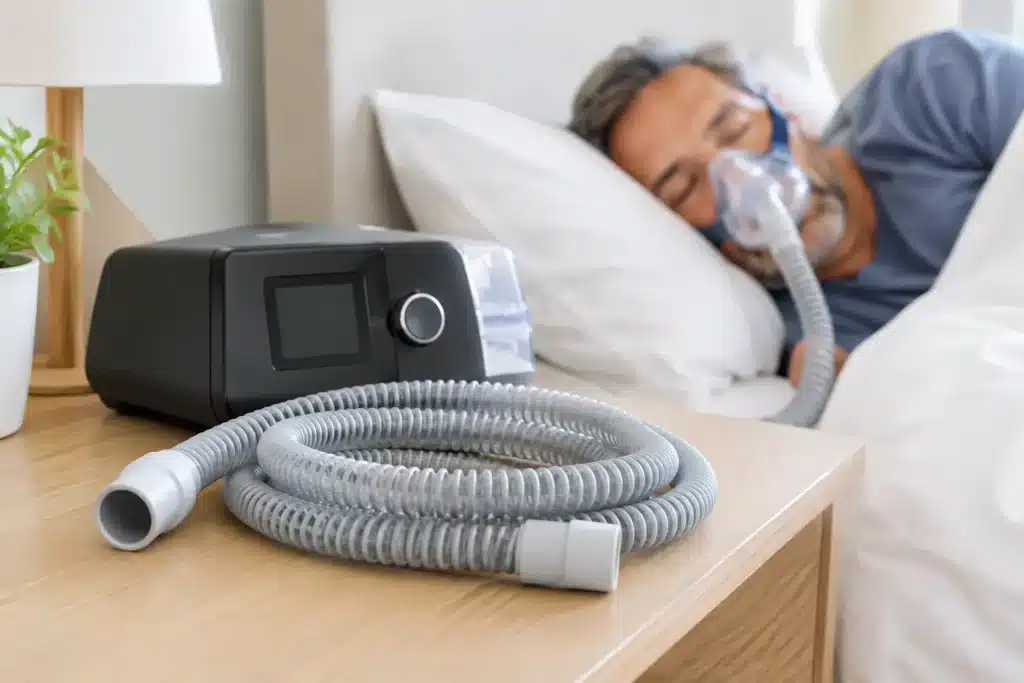
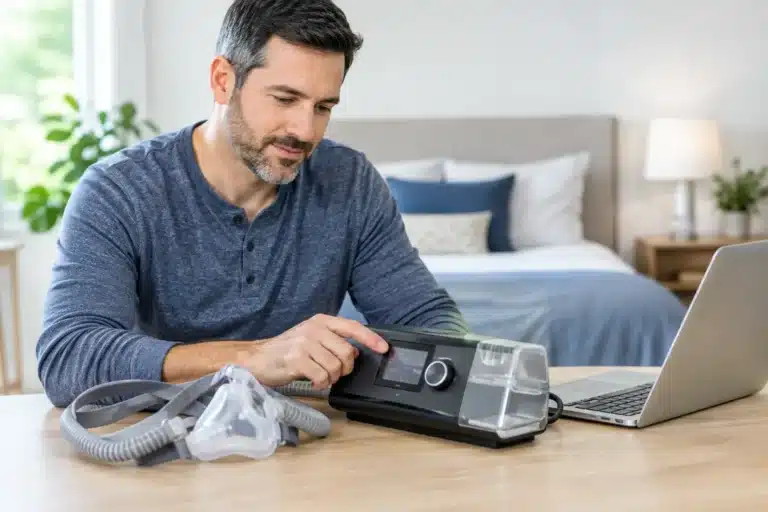
A CPAP tube may look like a simple piece of equipment, but it has a serious job: carrying your prescribed air pressure from the machine to your mask all night long. Knowing when to replace CPAP tubing can help prevent air leaks, unpleasant odors, disrupted sleep, and the frustrating feeling that your therapy is not working as well as it should.
The good news is that tubing is not something you need to replace every few weeks. The better news is that you should not keep using it simply because it still appears fine from across the room. A quick close inspection, consistent cleaning, and attention to changes in your therapy can tell you when it is time.
When to replace CPAP tubing: the general schedule
For most standard CPAP hoses, replacing the tubing about every three to six months is a practical guideline. Some insurance plans may allow replacement on a similar schedule, though coverage varies. If your tube is still clean, flexible, odor-free, and sealing properly at six months, it may have more life left. If it develops damage or persistent odor earlier, replace it sooner.
Heated tubing often deserves a little more attention. It contains electrical components that allow the machine to warm the air traveling to your mask. Heated hoses can last a long time when handled carefully, but they should be replaced right away if the connection is damaged, the tube stops heating properly, or the machine displays a tubing-related alert.
The calendar is useful, but it should not be your only rule. Your tubing’s condition matters more than an arbitrary date.
Signs your CPAP hose needs to be replaced
A small leak or crack can make a noticeable difference in comfort and treatment quality. You may hear a hissing sound, wake with a dry mouth, or see higher leak readings on your machine or therapy app. Before assuming your mask is the problem, check the tubing from end to end.
Replace your CPAP tubing if you notice any of these issues:
- Visible cracks, holes, splits, tears, or worn areas, especially near either connector
- A loose connection at the machine or mask that no longer stays secure
- Persistent odor, discoloration, residue, or cloudiness that does not improve after proper cleaning
- Stiff, brittle, sticky, flattened, or misshapen tubing
- Water collecting repeatedly inside the hose despite adjusting humidity or hose temperature
- A heated hose that is damaged, fails to warm, or triggers an error message
Do not try to patch CPAP tubing with tape. It may seem like a quick fix, but tape can fail overnight, leave adhesive behind, and create a rough spot that collects dirt. More importantly, an improvised repair can interfere with the pressure your machine is designed to deliver.
Why worn tubing can affect your therapy
CPAP therapy depends on a controlled flow of air. When the hose develops a leak, your machine may compensate by increasing airflow, but that does not always make the experience comfortable. Leaks can create noise, dry your nose or mouth, and make you feel as though the pressure is suddenly too strong or inconsistent.
A damaged tube can also make it harder to pinpoint the real cause of poor sleep. Many people immediately tighten their mask when they hear leaking air. That can lead to pressure marks, discomfort, and even more mask leaks. A quick tubing inspection may save you from weeks of unnecessary adjustment.
Odor is another reason not to ignore your hose. A mild plastic smell can occur when a new tube is first opened, but it should fade after it is aired out and cleaned according to the manufacturer’s instructions. A musty, sour, or lingering smell after cleaning may signal that the tubing needs replacement. You should not have to tolerate unpleasant air every night to stay on treatment.
How to inspect CPAP tubing at home
Once a week, disconnect the hose and look through it in bright light. Hold it up, gently bend it along its length, and inspect the areas near both ends. These connectors are common stress points because the hose is removed, reattached, and pulled during normal use.
Check for buildup inside the tube as well. If you see residue, rinse and clean it using the care instructions for your specific hose. Avoid harsh cleaners, bleach, scented soaps, or abrasive brushes. They can damage the material or leave odors behind. Mild soap and warm water are commonly recommended for standard tubing, followed by a thorough rinse and complete air-drying away from direct sunlight.
If you use a heated hose, follow the manufacturer’s directions closely. Heated tubing should not be treated exactly like standard tubing because of its electrical connection. Never submerge the electrical end unless the manufacturer specifically says it is safe.
A simple habit helps: inspect your hose on the same day you clean your mask cushion and empty your humidifier chamber. You are more likely to catch a small problem before it becomes a night of poor sleep.
What makes CPAP tubing wear out faster?
Tubing does not wear at the same rate for every user. How you sleep, where your machine sits, and how the hose is cleaned all make a difference.
If you move frequently in your sleep, sleep with pets, or have tubing that rubs against a bed frame or nightstand, the hose may wear faster. Pulling the tube from the machine by the hose instead of the connector can also weaken the ends over time. Keep the machine on a stable surface slightly lower than your mattress when possible, and give the hose enough room to move without getting pinched.
Humidity settings matter too. Higher humidity can be very helpful for dryness and congestion, but moisture left sitting in tubing can contribute to odor and residue. Empty the humidifier chamber each morning, allow the hose to dry fully after washing, and use heated tubing or a hose cover if condensation is a frequent problem. If water is splashing into your mask, that is usually rainout, not a sign that the hose itself is defective.
Do you need to replace tubing after being sick?
Not always. If you have had a cold, flu, or another short-term respiratory illness, clean the tubing, mask, humidifier chamber, and other reusable parts according to their instructions before using them again. Replacement may be sensible if the tube cannot be fully cleaned, has a persistent odor, or you have concerns about contamination.
For people with recurring infections, weakened immunity, or a clinician-directed cleaning plan, it is reasonable to be more cautious. Ask your sleep specialist, respiratory therapist, or equipment provider what schedule fits your health needs. There is no benefit to waiting until a hose is visibly failing if it no longer feels clean or reliable.
Do not let a small accessory become a big therapy problem
CPAP tubing is easy to overlook because it does not sit directly on your face like a mask. Yet it is part of the system that keeps your treatment comfortable, quiet, and effective. If you are waking up dry, hearing leaks, smelling something unpleasant, or seeing unexplained changes in your therapy data, inspect the hose before blaming yourself or changing your prescribed settings.
A properly fitted mask, clean humidifier chamber, and dependable tube work together. When something feels off, ask for help rather than spending money on accessories you may not need. The right support should make CPAP therapy clearer, not more complicated. A fresh tube at the right time can be one small change that makes it easier to put on your mask, settle in, and get the restful night your treatment is meant to provide.