CPAP Pressure Adjustment Safety Guide for Patients
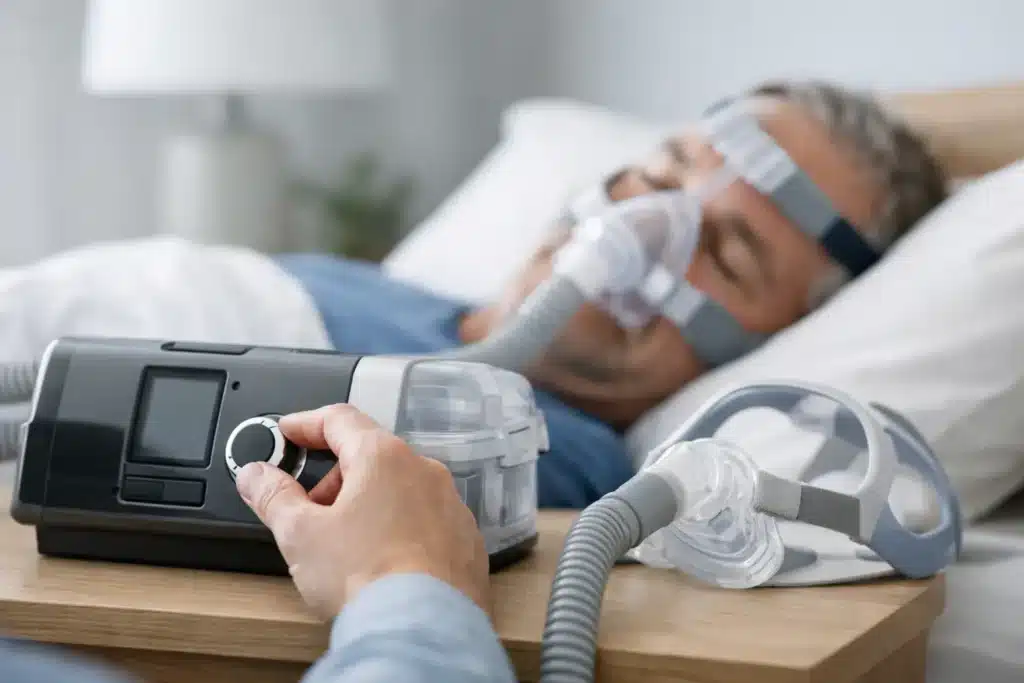
A CPAP pressure setting is not a comfort dial you should casually turn up or down after one difficult night. It is part of a prescribed treatment designed to keep your airway open while you sleep. This CPAP pressure adjustment safety guide explains what you can safely check at home, what needs clinical review, and why the right answer is often not simply “more pressure.”
Pressure problems can feel frustrating. You may wake with a dry mouth, hear air escaping from your mask, feel as though the machine is pushing too hard, or still feel tired in the morning. Those experiences deserve attention. But changing treatment pressure without understanding the cause can leave sleep apnea undertreated, create new side effects, and make therapy harder to use consistently.
Why CPAP pressure needs a careful approach
Your prescribed pressure is based on a sleep study, a home sleep test, clinical assessment, or therapy data. Its job is to prevent breathing events such as airway collapse, snoring, and oxygen drops. A setting that feels strong is not automatically too high, and a lower setting that feels easier may not be high enough to treat apnea.
There is also a difference between a fixed-pressure CPAP and an auto-adjusting PAP machine. A fixed CPAP delivers one prescribed pressure throughout the night. An APAP works within a clinician-set minimum and maximum range, responding to signs that your airway may be narrowing. Even with an auto machine, those limits matter. Setting the minimum too low may allow events to occur before the device responds, while an unnecessarily high maximum can worsen leaks or discomfort for some users.
Your therapy data provides context that one night of sleep cannot. It can show usage time, mask leak, residual apnea events, pressure patterns, and sometimes central apnea flags. That is why a data review is far safer than guessing.
First, identify what the problem actually is
Many people blame pressure when the real issue is mask fit, congestion, humidity, or a worn-out part. Correcting the actual problem can improve comfort without changing a medical setting.
A leaking mask is one of the most common examples. Leaks can blow air into your eyes, create noise, dry your mouth, and make pressure feel harsher than it is. Tightening the straps too much is rarely the best fix. A mask that is overtightened can distort the cushion and leak even more. Check that the cushion is clean, the mask is sitting evenly, and the headgear has not stretched out. If you have changed facial weight, started using dentures at night, grown facial hair, or sleep in a new position, a refit may be the answer.
Nasal congestion can also make CPAP feel overwhelming. If you are fighting to breathe through your nose, higher pressure will not solve blocked nasal passages. Heated humidity, a heated tube, saline rinses when appropriate, and a different mask style may help. People who breathe through their mouth may need a full-face mask or a clinician-guided solution for mouth leak rather than a pressure adjustment.
Dryness, rainout, and stuffiness can point to humidity settings instead. Rainout is water collecting in the tubing or mask, often caused by cool room air meeting warm humidified air. Adjusting humidity or tube temperature may improve this quickly. These comfort settings are different from therapeutic pressure, but ask your equipment provider if you are unsure which menu controls what.
What you can safely adjust yourself
Most patients can review basic comfort features that have already been made available on their machine. The safest approach is to change one comfort setting at a time, use it for several nights unless you are clearly unable to tolerate it, and pay attention to whether the change improves sleep.
Ramp settings
Ramp starts therapy at a lower pressure and gradually increases to the prescribed setting over a set period. It can be helpful if you feel uncomfortable when first putting on the mask. If you fall asleep quickly but wake up feeling short of breath, a ramp starting pressure that is too low may be the issue. If you spend a long time awake waiting for enough air, a shorter ramp or a clinician-reviewed starting pressure may be more suitable.
Ramp is a comfort feature, but it can still affect how easily you settle into therapy. Do not confuse it with a solution for ongoing nighttime symptoms.
Humidity and heated tubing
If your nose, throat, or mouth feels dry, modestly increasing humidity may help. If you get condensation in the tube or mask, lowering humidity slightly or raising tube temperature may reduce it. There is no single best setting. Room temperature, seasonal air dryness, and whether you use a nasal or full-face mask all make a difference.
Mask fit and replacement parts
You can and should address visible leaks, dirty cushions, loose headgear, cracked tubing, and clogged filters. A mask cushion that no longer seals well can make a successful pressure setting feel impossible. Regular replacement is not an upsell when the part has worn out – it is a practical part of keeping therapy effective.
When not to change CPAP pressure on your own
Do not independently alter the prescribed fixed pressure or the minimum and maximum limits on an auto-adjusting machine just because you had a few uncomfortable nights. This is especially important if you have heart failure, chronic lung disease, neuromuscular disease, use oxygen, take opioid medications, have had central sleep apnea, or are using bilevel therapy. These situations need individualized clinical oversight.
Pressure changes also deserve professional review when you have persistent symptoms. Call your clinician or qualified CPAP provider if you are still snoring loudly through therapy, waking gasping, experiencing frequent mask leaks, seeing a consistently high event number on your display, or remaining excessively sleepy despite regular use. A clinician can determine whether the issue is pressure, leak, sleep position, alcohol use near bedtime, nasal obstruction, insufficient sleep, medication effects, or another sleep disorder.
Do not use a friend’s settings, internet advice, or a generic online “recommended range” as your prescription. Two people can have the same diagnosis and need very different treatment settings.
Signs your therapy may need a data review
A machine data download is useful after a noticeable change in how you sleep or feel. Weight change, surgery, a new medication, pregnancy, worsening allergies, and a switch to a different mask can all affect therapy. A review may also be appropriate after a hospital stay or if you have started waking with headaches, dry mouth, bloating, or chest discomfort.
Aerophagia, which is swallowing air during PAP use, can cause burping, abdominal pressure, or painful bloating. Higher pressure can contribute, but a leak, sleep position, reflux, or an unsuitable mask can play a role as well. Lowering pressure on your own may reduce bloating while allowing apnea to return. A clinician can review the pattern and consider appropriate options, such as adjusting comfort features, addressing leaks, or reassessing the prescribed mode and settings.
If your machine reports central events, do not make pressure changes based only on the number you see. Devices can flag patterns, but interpretation matters. Your sleep clinician may need to assess whether the readings are meaningful and whether further evaluation is needed.
How a safe pressure adjustment should happen
A proper adjustment starts with a conversation about what you are experiencing: when it happens, how often, what mask you use, whether you have nasal symptoms, and whether you are using the machine for the full night. Then therapy data should be reviewed alongside your prescription and medical history.
If a change is appropriate, it should be specific and documented. You should know what was changed, why it was changed, and what to watch for afterward. Give the new setting enough time to reveal a pattern unless you develop significant discomfort. Keep using your machine as directed and report persistent problems promptly.
At CPAP One-Stop, patients can get hands-on help with mask fitting, machine programming, and data downloads so they are not left trying to interpret clinical settings alone. That kind of personal support matters when treatment feels complicated or your sleep has suddenly changed.
Get urgent help when symptoms are serious
CPAP discomfort is common, but certain symptoms should never be treated as a routine equipment issue. Seek urgent medical care for severe shortness of breath, chest pain, fainting, confusion, blue lips or face, or a severe allergic reaction. Contact your medical team promptly if you have a new significant breathing problem, severe ongoing headaches, or you feel unsafe driving because of sleepiness.
The goal is not to tolerate a bad night in silence or chase a number in the settings menu. The right CPAP pressure is the one that treats your airway effectively while your mask, humidity, and routine make it realistic to use every night. If something feels wrong, ask for a review before changing the treatment that protects your sleep.