CPAP Alternatives That May Work for Sleep Apnea
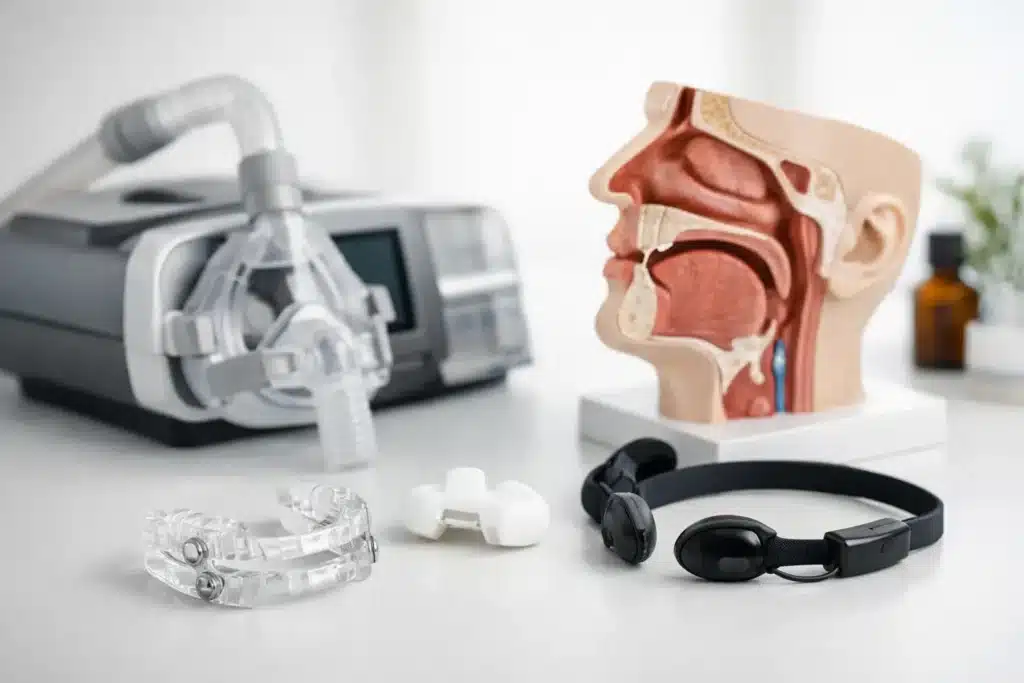
A CPAP machine is highly effective for many people with obstructive sleep apnea, but it is not the only conversation worth having. Some CPAP alternatives can help the right patient, particularly when CPAP is not tolerated despite a careful mask fitting, pressure adjustment, and clinical support. The key is choosing based on your sleep study, health history, and the actual cause of your airway obstruction – not on an ad promising an easy fix.
If you have been diagnosed with sleep apnea, untreated symptoms are not something to simply live with. Repeated breathing pauses can affect daytime alertness, blood pressure, heart health, mood, and safety behind the wheel. A treatment that you can use consistently matters, but it must also treat your apnea effectively.
Before Replacing CPAP, Check Whether the Problem Is the Setup
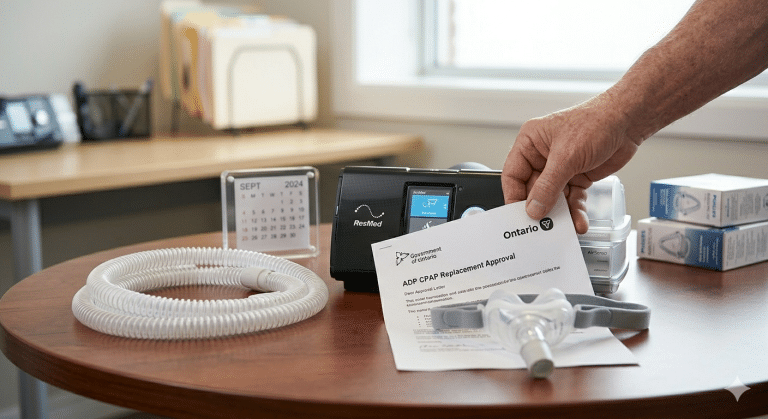
Many people say they cannot use CPAP when the real issue is a mask that leaks, pressure that feels uncomfortable, dry air, congestion, or equipment that was handed over with little instruction. Those are fixable problems for many patients.
A full-face mask may help someone who breathes through their mouth. A smaller nasal mask or nasal pillow mask can feel less confining for someone who dislikes bulk on their face. Heated humidity can ease dryness, while ramp settings and pressure adjustments may make it easier to fall asleep. If your therapy data shows persistent events or major leaks, the settings and fit should be reviewed rather than guessed at.
This is why a proper setup is not an unnecessary extra. Before spending money on an alternative treatment, ask whether your current therapy has been fitted, programmed, and followed up correctly. At CPAP One-Stop, that hands-on approach is central to helping patients get comfortable with treatment rather than giving up too soon.
CPAP Alternatives for Obstructive Sleep Apnea
Not every option below works for every degree of sleep apnea. Some are intended for mild to moderate obstructive sleep apnea, while others may be considered for selected people with severe apnea who cannot use CPAP. A sleep physician should help guide that decision.
Custom Oral Appliances
A custom oral appliance, also called a mandibular advancement device, is one of the most established CPAP alternatives. It is worn in the mouth while you sleep and gently moves the lower jaw forward. That forward position can help keep the airway from narrowing or collapsing.
Oral appliances are often considered for mild to moderate obstructive sleep apnea and for people with severe apnea who cannot tolerate CPAP. They can also be useful for frequent travelers because they are compact and do not require a machine, tubing, or power outlet.
The trade-off is that an oral appliance is not a one-size-fits-all mouthguard. Over-the-counter anti-snoring devices may be uncomfortable, may not fit safely, and do not confirm that apnea is controlled. A qualified dental sleep medicine provider should make and adjust a custom device. Jaw soreness, tooth movement, bite changes, and excess saliva can occur, so follow-up is part of the treatment.
Positional Therapy
For some people, sleep apnea is much worse when they sleep on their back. This is called positional obstructive sleep apnea. Side sleeping may reduce events because gravity is less likely to pull the tongue and soft tissues backward into the airway.
Positional therapy can be as simple as changing sleep habits, or it may involve a wearable device that vibrates when you roll onto your back. It is most useful when a sleep study clearly shows that apnea is concentrated in the supine, or back-sleeping, position.
This approach sounds simple, but comfort and consistency can be a challenge. People naturally move during sleep, and side sleeping alone may not adequately treat apnea that occurs in every position. A follow-up sleep test or home sleep apnea test may be needed to confirm it is working.
Weight Management and Lifestyle Changes
Excess weight can contribute to airway narrowing, and weight loss may reduce the severity of obstructive sleep apnea for some patients. Regular activity, nutrition changes, and medically supervised weight management can offer benefits that go far beyond sleep. Avoiding alcohol close to bedtime and reviewing sedating medications with a clinician may also reduce airway relaxation at night.
Still, weight loss is not a guaranteed cure, and it does not provide immediate protection from nighttime breathing pauses. People of every body type can have sleep apnea due to anatomy, age, nasal obstruction, or jaw structure. If you are using CPAP, do not stop therapy while working on weight goals unless your physician confirms that treatment is no longer needed.
Upper Airway Surgery
Surgery may be appropriate when there is a clear anatomical issue contributing to obstruction, such as enlarged tonsils, certain nasal problems, or jaw structure that significantly narrows the airway. Procedures vary widely, from tonsil removal and nasal surgery to more involved palate or jaw surgery.
Surgery is not a quick substitute for careful assessment. Results depend on where the airway collapses, the procedure performed, and the patient’s individual anatomy. Some procedures improve CPAP comfort by helping nasal breathing, even if they do not eliminate the need for CPAP. Ask the surgeon what outcome is realistic, how success will be measured, and whether another sleep study will be required afterward.
Hypoglossal Nerve Stimulation
Hypoglossal nerve stimulation is an implanted treatment sometimes known by a brand name. It uses a small device placed during surgery to stimulate a nerve that controls tongue movement while you sleep. The goal is to help prevent the tongue from blocking the airway.
This treatment is not for everyone. Eligibility generally depends on factors such as the type and severity of sleep apnea, body mass index, prior CPAP intolerance, and the pattern of airway collapse seen during a specialized evaluation. It also involves surgery, ongoing follow-up, and insurance approval requirements. For carefully selected patients, it can be life-changing. For others, it is simply not the right clinical match.
Treatments That Need Extra Caution
Nasal strips, throat sprays, chin straps, pillows marketed for snoring, and many online gadgets may make someone feel more comfortable or reduce simple snoring. They do not reliably treat obstructive sleep apnea. Snoring can be annoying, but apnea is a medical breathing disorder, and the two are not interchangeable.
Oxygen is another area where people can get misled. Supplemental oxygen may be prescribed for certain lung or heart conditions, but it does not hold an obstructed airway open. It should never be used as a do-it-yourself replacement for prescribed sleep apnea treatment.
Be skeptical of any seller that promises to cure sleep apnea without a sleep study, a medical evaluation, or follow-up testing. No one should pressure you into expensive equipment or add surprise setup charges when you are trying to make an informed decision.
Central Sleep Apnea Requires a Different Conversation
This article focuses mainly on obstructive sleep apnea, where the airway physically narrows or closes. Central sleep apnea is different: the brain does not consistently send the signal to breathe. Oral appliances, positional therapy, and surgery for airway obstruction may not address central events.
Central sleep apnea can require specialized PAP therapy, medication review, treatment of an underlying condition, or other physician-directed care. If your report mentions central apneas, complex sleep apnea, heart failure, opioid use, or neurologic disease, speak with your sleep specialist before changing treatment.
How to Choose the Right Path
The best choice is the one that controls your breathing events and that you can use night after night. Start with your diagnostic sleep study. It can show how severe your apnea is, whether it worsens on your back, how low oxygen levels fall, and whether central events are present.
Then consider the practical details: your comfort with a mask, dental health, nasal breathing, travel needs, medical conditions, insurance coverage, and willingness to attend follow-up appointments. A treatment that looks convenient at first can become frustrating if it causes jaw pain, requires surgery, or does not lower your apnea enough.
Do not accept poor CPAP support as proof that CPAP has failed. And do not accept a trendy alternative as proof that it will work for you. The next step toward better sleep is a clear review of your results, your equipment, and the treatment options that genuinely fit your needs – because every breath matters.