CPAP Prescription Requirements Guide for Patients
A CPAP machine can change how you sleep, feel, and function, but getting one should not feel like a maze of forms and surprise charges. This CPAP prescription requirements guide explains what you actually need to buy a machine, use insurance, and begin treatment with confidence.
Why CPAP Machines Require a Prescription
In the United States, CPAP and APAP machines are prescription medical devices. That rule exists because pressure therapy is not one-size-fits-all. The wrong pressure setting, the wrong device type, or treating the wrong condition can leave you tired, uncomfortable, and still struggling to breathe at night.
A prescription confirms that a qualified medical provider has evaluated your sleep apnea and selected appropriate therapy. It also gives the equipment provider clear instructions for programming the machine and supplying the right setup. You should never be pressured to buy a machine without understanding what is being prescribed or why.
Most replacement accessories, such as masks, cushions, tubing, filters, and headgear, can be purchased without a new prescription. Insurance coverage is different, though. Your insurer may still require an active prescription and documentation before it will pay for replacement supplies.
CPAP Prescription Requirements: What You Need
For most patients, the process begins with a sleep evaluation, not a trip to an equipment store. A physician, nurse practitioner, physician assistant, or sleep specialist reviews your symptoms and orders the appropriate test. Common warning signs include loud snoring, breathing pauses noticed by a partner, morning headaches, waking up gasping, and daytime exhaustion that coffee cannot fix.
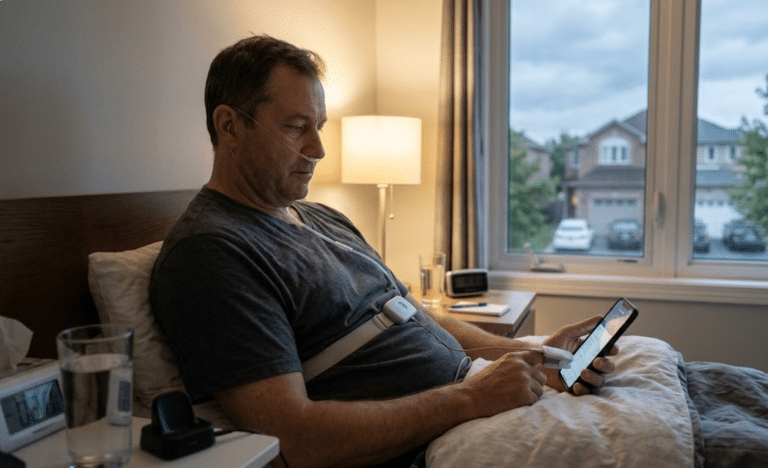
Many adults qualify for a home sleep apnea test. It is convenient and can identify obstructive sleep apnea for the right patient. However, home testing is not appropriate for everyone. If you have certain heart or lung conditions, suspected central sleep apnea, complex medical needs, or an unclear result, your provider may recommend an overnight sleep study in a lab.
Once the study is interpreted and sleep apnea is diagnosed, your provider writes the prescription. A complete CPAP prescription commonly includes:
- Your name and the date of the order
- The diagnosis, usually obstructive sleep apnea
- The prescribed device, such as CPAP, APAP, or bilevel PAP
- A fixed pressure or pressure range, when applicable
- Heated humidifier instructions if one is prescribed
- Mask, tubing, filters, and other supply instructions
- The prescriber’s signature and professional information
An APAP prescription may list a pressure range instead of one fixed number. APAP machines adjust pressure within that clinician-selected range based on your breathing patterns. That flexibility can be helpful for many people, but it is still not a reason to self-prescribe settings.
A Sleep Study Alone Is Usually Not Enough
Patients sometimes receive a copy of their sleep study and assume it is all they need. The report is essential, especially for insurance, but the equipment provider generally also needs a signed prescription or order. If the report recommends PAP therapy but no order was sent, contact the diagnosing provider’s office and ask for the prescription to be forwarded.
Do not let paperwork hold up treatment for weeks. Ask whether the order includes the device type, pressure settings, humidifier, and supplies. Getting those details right at the beginning prevents delays and unnecessary back-and-forth later.
What Insurance May Ask For
Having a valid prescription does not automatically mean insurance will cover every machine or mask. Each plan sets its own rules, network requirements, deductibles, copays, and replacement schedules. A trustworthy provider should explain those details before you commit, not after your equipment has been delivered.
Insurers commonly request the sleep study, clinical notes showing symptoms and diagnosis, the signed prescription, and your insurance information. Some plans rent the machine first rather than paying for it outright. Others require you to use a contracted equipment supplier. Medicare and many commercial plans also review whether therapy is being used consistently during the first few months.
A common adherence benchmark is using the device at least four hours per night on 70% of nights during a consecutive 30-day period within the initial coverage window. The exact timing and documentation requirements vary by plan. If insurance is paying, ask these questions before setup: Is the machine a rental or purchase? What is my estimated out-of-pocket cost? Which supplies are covered? What usage record will I need to keep coverage?
Direct insurance billing can reduce stress, but it should never come with vague pricing or unexplained setup fees. You deserve a clear estimate and a plain-language explanation of what insurance pays, what you pay, and what happens if a claim is delayed or denied.
Getting Your Prescription Through Telehealth
Telehealth can be a practical option when appointments are difficult to schedule or travel is a barrier. A licensed provider may evaluate your symptoms by video, order a home sleep test when appropriate, review the results, and issue a CPAP prescription. The provider must be licensed to treat patients in your state, and the prescription still needs to meet the equipment supplier’s requirements.
Be cautious with websites that promise a CPAP prescription instantly without a meaningful clinical assessment or a valid sleep test. Fast care is helpful. Skipping the medical evaluation is not. Proper diagnosis matters because snoring alone does not confirm sleep apnea, and different sleep-related breathing disorders may need different treatment.
What Happens After the Prescription Is Written
The prescription gets you to the starting line. Comfortable, effective therapy depends on how the equipment is set up and supported afterward.
Your machine should be programmed to the prescribed settings. You should also receive hands-on guidance for filling the humidifier, attaching the tubing, cleaning the equipment, using the ramp feature, and understanding basic alerts. If your machine records therapy data, that information can help identify leaks, low usage, or pressure concerns that need clinical attention.
Mask fitting deserves more attention than it usually gets. A mask that is too loose leaks. One that is too tight can cause soreness, marks, and frustration. Nasal masks, nasal pillow masks, and full-face masks each have advantages. People who breathe through their mouth may need a full-face option or another strategy, while people who feel claustrophobic may prefer a smaller nasal design. The best mask is the one that seals comfortably and makes it realistic to use therapy every night.
If the first mask does not work, do not assume CPAP is not for you. Leaks, dry mouth, congestion, and discomfort are common early obstacles, and they usually have practical solutions. Pressure adjustments, humidity changes, mask refitting, and clinician follow-up can make a major difference.
When You May Need an Updated Prescription
A prescription does not always need to be rewritten for every supply purchase, but there are times when an updated order is appropriate. You may need one when changing from CPAP to bilevel therapy, when your doctor changes pressure settings, when a new insurer requests current documentation, or when your existing prescription has expired under a supplier or plan policy.
A significant health change is also a reason to check in with your provider. Major weight changes, new heart or lung issues, persistent daytime sleepiness, or trouble tolerating therapy can all justify a review. Do not change prescribed pressure settings on your own just because you saw a number online. Your machine data and symptoms should guide that conversation with a clinician.
Bring This to Your CPAP Appointment
Arriving prepared makes setup faster and helps you avoid avoidable costs. Bring your prescription if you have it, a copy of your sleep study or diagnosis paperwork, photo identification, and your insurance card. If you already own a machine, bring it too. Its data can reveal whether your current treatment is working or whether a setting, mask, or replacement part needs attention.
Also bring your real-life concerns. Tell the clinician if you sleep on your side, wear dentures, have a beard, deal with nasal congestion, wake frequently, or feel anxious about wearing a mask. These details are not minor. They shape the equipment and coaching that will give you the best chance of success.
A prescription is a requirement, but it should not become a barrier between you and better sleep. Get the right diagnosis, insist on clear pricing and proper setup, and choose support that treats your comfort and long-term results as part of the care, not an extra.