Can CPAP Help Daytime Fatigue? What to Expect
Falling asleep in front of the TV is one thing. Fighting to stay awake at your desk, missing turns while driving, or needing a nap just to make it through the afternoon is another. Can CPAP help daytime fatigue? For many people with obstructive sleep apnea, yes. When CPAP therapy is working well and used consistently, it can reduce the repeated breathing interruptions that leave you exhausted even after a full night in bed.
The key phrase is working well. A CPAP machine is not an instant energy switch, and simply owning one is not the same as receiving effective treatment. The right pressure, a comfortable mask, regular use, and a little patience all matter. If fatigue has been part of your life for months or years, it may take time for your body to catch up on restorative sleep.
Why Sleep Apnea Causes Daytime Fatigue
Obstructive sleep apnea causes the airway to narrow or close repeatedly during sleep. Your brain responds by briefly waking you enough to reopen the airway. These arousals may be so short that you do not remember them in the morning, but they can happen dozens of times an hour.
That pattern disrupts the deeper stages of sleep that support physical recovery, concentration, memory, and mood. You may spend eight or nine hours in bed yet wake up feeling as if you barely slept. Many people blame age, stress, a busy schedule, or poor motivation before realizing that their sleep is being interrupted all night.
Low oxygen levels can also contribute to the problem. Snoring, gasping, morning headaches, dry mouth, irritability, and trouble concentrating often travel with daytime sleepiness. Not everyone has every symptom, but persistent fatigue deserves attention, especially if you have been diagnosed with sleep apnea or a partner has noticed pauses in your breathing.
Can CPAP Help Daytime Fatigue Quickly?
Some people notice a difference after the first few nights. They wake with less headache, feel more alert on the drive to work, or no longer need an afternoon nap. For others, improvement builds over several weeks. It depends on how severe the sleep apnea was, how much sleep debt has accumulated, and whether therapy is fully controlling breathing events.
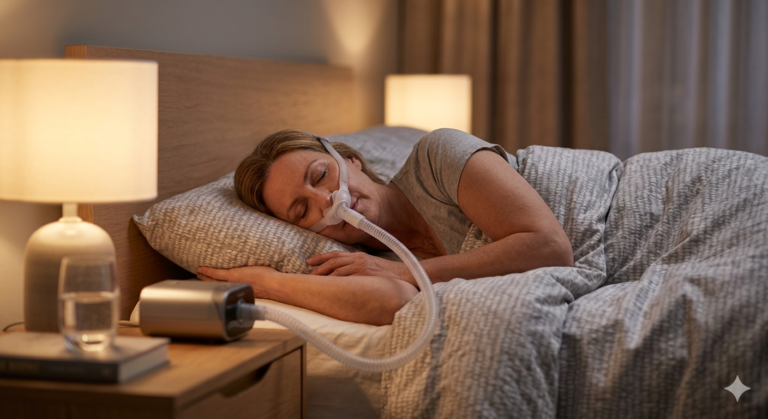
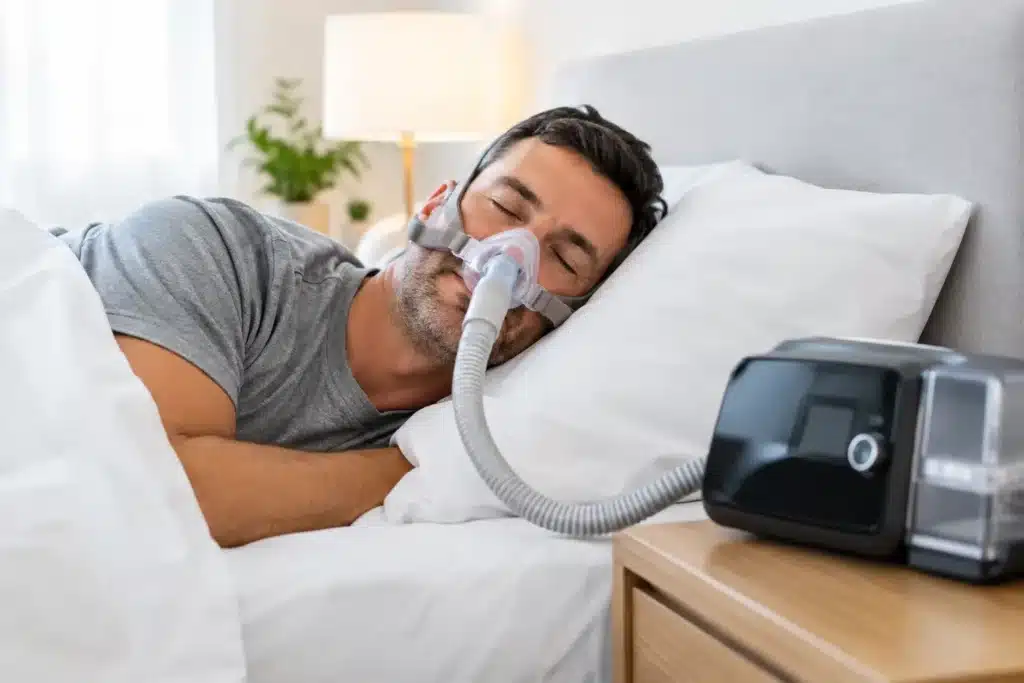
CPAP delivers a steady stream of pressurized air to keep the airway open while you sleep. When the airway stays open, the repeated drops in breathing and brief awakenings can decrease dramatically. That gives the brain and body a real opportunity to move through normal sleep cycles.
Still, it is realistic to expect an adjustment period. Wearing a mask can feel unfamiliar at first. You may need time to get used to the airflow, find a sleeping position that works, or fine-tune the humidifier. The goal is not to tough it out with an uncomfortable setup. The goal is treatment you can use comfortably every night.
What progress often looks like
The first changes are not always dramatic. You may first notice that you are less likely to doze off during quiet activities. Then your mornings may become easier, your thinking may feel clearer, and your mood may be more even. Bed partners often notice a reduction in loud snoring before the CPAP user notices changes in energy.
Track how you feel over a few weeks rather than judging therapy after one difficult night. Also pay attention to practical signs: Are you removing the mask during the night? Are you sleeping longer with it on? Is there air leaking into your eyes? These details can explain why you are still tired.
When CPAP Does Not Fix Fatigue Right Away
If you are using CPAP but still feel worn out, do not assume treatment has failed. There are several common reasons fatigue can continue.
First, the machine may not be used for the full night. Four hours of CPAP is better than none, but apnea can return once the mask comes off. For the strongest benefit, use your therapy every time you sleep, including naps, and keep it on until morning.
Second, mask leaks can reduce comfort and affect therapy. A mask that is too loose may whistle or blow air toward your eyes. One that is too tight can cause soreness and may still leak. Mask fit is not a minor detail. It is often the difference between abandoning therapy and finally sleeping through the night.
Third, your settings may need review. Modern machines record useful treatment information, including mask leak and residual breathing events. A clinician can review those data to see whether the pressure range and equipment are meeting your needs. Do not change prescribed settings on your own without clinical guidance.
Finally, fatigue does not always come from sleep apnea alone. Short sleep time, insomnia, medications, depression, chronic pain, thyroid concerns, anemia, restless legs, and other health conditions can all affect daytime energy. If your CPAP data look good but exhaustion continues, speak with your health care provider. Persistent sleepiness, especially while driving, should never be brushed off.
Getting More Energy From Your CPAP Therapy
Consistency matters more than perfection. Put the mask on at the start of the night, not after you are already half asleep. If the sensation feels uncomfortable, wear it for short periods while reading or watching television so your brain can get used to it without the pressure of trying to fall asleep.
Comfort also matters. A nasal mask can be a great option for some people, while others need a full-face mask because they breathe through their mouth. Heated humidity may ease dry nose or mouth. A different cushion size, headgear adjustment, or tubing arrangement can make a surprisingly large difference.
Good sleep habits support CPAP rather than replace it. Give yourself enough time in bed, keep a reasonably regular schedule, and limit alcohol close to bedtime because it can worsen airway collapse and fragment sleep. If nasal congestion is making CPAP difficult, ask a clinician about safe options for improving nasal comfort.
At CPAP One-Stop, hands-on setup, mask fitting, and therapy data support are designed for exactly this reason. A machine in a box cannot tell you why you are taking it off at 2 a.m. or why you still feel tired. Personalized support can.
Signs It Is Time to Ask for Help
Contact your sleep clinician or equipment provider if you regularly wake with the mask off, notice ongoing loud leaks, feel pressure discomfort, develop persistent skin irritation, or see no meaningful improvement after you have been using therapy consistently. These are fixable problems, not personal failures.
You should also seek prompt medical advice if you are struggling to stay awake behind the wheel, at work, or during conversations. Until the cause is addressed, avoid driving or operating equipment when you feel drowsy. Daytime sleepiness is a safety issue, not just an inconvenience.
CPAP can be life-changing for daytime fatigue, but the best results come from treatment that fits your life as well as your face. Give yourself time, use the equipment every night, and ask for adjustments early. Better sleep is not about proving you can tolerate a mask. It is about getting the restorative rest that helps you show up for your day.