Can CPAP Improve Blood Pressure? What to Know
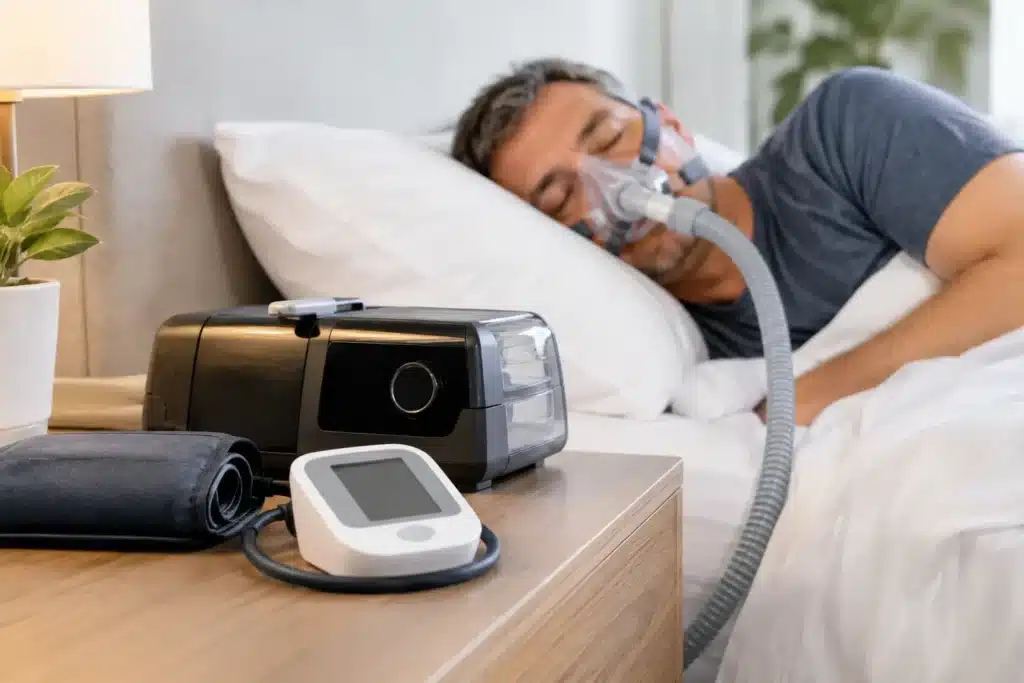
A blood pressure reading that stays high despite medication, healthier meals, or more activity can be frustrating. For many people, the missing piece is happening overnight. So, can CPAP improve blood pressure? For people with obstructive sleep apnea, consistent CPAP treatment can help lower blood pressure, especially when therapy is used properly and long enough each night.
CPAP is not a replacement for blood pressure medication, follow-up appointments, or other heart-healthy habits. But untreated sleep apnea can repeatedly strain the cardiovascular system while you sleep. Treating that strain matters.
Why Sleep Apnea Can Raise Blood Pressure
Obstructive sleep apnea occurs when the airway narrows or closes repeatedly during sleep. Each breathing pause can lower oxygen levels, interrupt deep sleep, and trigger a brief stress response in the body. You may not remember waking up, but your heart and blood vessels still feel the effects.
During these events, the body releases stress hormones and blood pressure can rise. When this happens dozens of times per hour, night after night, the nervous system may stay more activated than it should be. Over time, that can contribute to high blood pressure, particularly blood pressure that remains elevated overnight or is difficult to control during the day.
Many people with sleep apnea also have risk factors that overlap with high blood pressure, including excess weight, diabetes, aging, smoking, and limited physical activity. That does not mean sleep apnea is the only cause. It does mean treating it is a practical part of protecting your overall health.
Can CPAP Improve Blood Pressure for Everyone?
CPAP uses gentle, steady air pressure to keep the airway open while you sleep. When the airway stays open, breathing becomes more stable, oxygen levels are better protected, and the repeated stress response from apnea events is reduced.
Research generally shows that CPAP can produce a modest reduction in blood pressure on average. That may sound small, but even a small, sustained improvement can be meaningful for heart and stroke risk over time. For some patients, particularly those with severe sleep apnea, daytime sleepiness, resistant hypertension, or higher nighttime blood pressure, the improvement may be more noticeable.
The honest answer is that results vary. A person who uses CPAP every night for most of the night is more likely to see benefits than someone who wears it for only a few hours or removes it after waking repeatedly. CPAP also cannot overcome every contributor to hypertension. Medication, diet, alcohol intake, stress, kidney health, activity level, and family history still matter.
Think of CPAP as one important tool, not a magic switch. It addresses the breathing-related stress your body experiences during sleep.
The Biggest Factor: Consistent CPAP Use
A CPAP machine only helps while it is being worn. Falling asleep with the mask on but taking it off at 2 a.m. leaves several hours when apnea may return. For blood pressure support, the second half of the night matters because some people experience more apnea during REM sleep, which often occurs later in the sleep cycle.
Aim to use your CPAP every time you sleep, including naps. The goal is not simply meeting a minimum insurance compliance number. The goal is receiving effective treatment for the full time you are asleep.
Common barriers are usually fixable. A dry mouth may point to mouth leaks or humidifier settings. A mask that pinches, shifts, or leaves deep marks may be the wrong style or size. Feeling like you cannot exhale comfortably can sometimes be addressed with pressure comfort settings or a review of machine data.
Do not accept poor sleep as the price of treatment. Proper setup, mask fitting, and follow-up support can make the difference between a machine that sits on the nightstand and therapy you can actually use.
Your Machine Data Can Tell a Useful Story
Most modern CPAP machines record information such as usage time, mask leak, and residual apnea events. Reviewing that data can show whether therapy is effectively controlling breathing interruptions and whether leaks are undermining treatment.
If you are using CPAP regularly but still wake tired, snore through the mask, or see high readings on your blood pressure monitor, it is worth asking for a therapy review. Pressure needs can change, and a comfortable mask fit can change with weight fluctuations, dental work, nasal congestion, or simple wear and tear.
When You Might Notice a Difference
Some people notice early changes in sleep quality: less snoring, fewer morning headaches, less nighttime bathroom use, and more energy during the day. Blood pressure may take longer to assess because readings naturally vary from day to day.
If you monitor blood pressure at home, take readings as directed by your health care provider and keep a record. Try to measure under similar conditions, such as at the same time of day after sitting quietly. Do not stop or adjust prescribed blood pressure medication because you started CPAP unless the clinician managing your blood pressure tells you to do so.
Over several weeks or months of consistent use, your provider can look for trends. They may also consider whether your blood pressure is dropping adequately at night. Some people have a pattern called nondipping, where blood pressure does not decrease overnight as expected. Sleep apnea can contribute to that pattern, and effective CPAP may help restore healthier nighttime regulation.
CPAP Works Best Alongside Other Blood Pressure Care
If your blood pressure remains high, that does not mean CPAP has failed. It may mean there are several factors to address. The best plan is usually coordinated: use CPAP consistently, take medication as prescribed, attend follow-up visits, and work on realistic lifestyle changes your care team recommends.
A few practical steps can support both sleep apnea therapy and blood pressure management. Limit alcohol close to bedtime, since it can relax airway muscles and worsen apnea. Address nasal congestion so you can breathe comfortably through your mask. Keep replacement cushions, filters, and tubing in good condition, because worn supplies can lead to leaks and interrupted sleep.
If you have been told you have resistant hypertension, loud snoring, witnessed pauses in breathing, or excessive daytime sleepiness, raise sleep apnea with your doctor. A sleep study can provide the answers that a blood pressure cuff cannot.
Questions Patients Often Ask
Will CPAP replace my blood pressure medication?
Usually, no. Some people may eventually need medication adjustments if blood pressure improves, but that decision belongs with the clinician prescribing it. Never make changes based on a few better readings alone.
How many hours a night should I use CPAP?
Use it for your entire sleep period whenever possible. More complete nightly use gives you more complete protection from apnea events, particularly those that occur late in the night.
What if I cannot tolerate my mask?
Do not give up after a difficult first week. Mask discomfort is one of the most common reasons people stop treatment, and it is often solvable with a different mask style, sizing adjustment, humidity change, or hands-on coaching. A full-face mask is not automatically best for every mouth breather, and nasal masks are not automatically best for every person either. The right choice is the one that seals comfortably and supports regular use.
Can I have sleep apnea even if I am not sleepy?
Yes. Some people do not feel dramatically tired, yet still have significant apnea and elevated cardiovascular risk. Snoring, morning headaches, nighttime gasping, high blood pressure, and a partner noticing breathing pauses are all reasons to ask about testing.
A CPAP machine should feel like a practical part of your health routine, not another burden you have to fight. If sleep apnea is contributing to your high blood pressure, comfortable and consistent therapy gives your body a quieter, steadier night – and gives you and your health care team one more meaningful way to protect your heart.