CPAP Therapy Success Story Examples That Feel Real
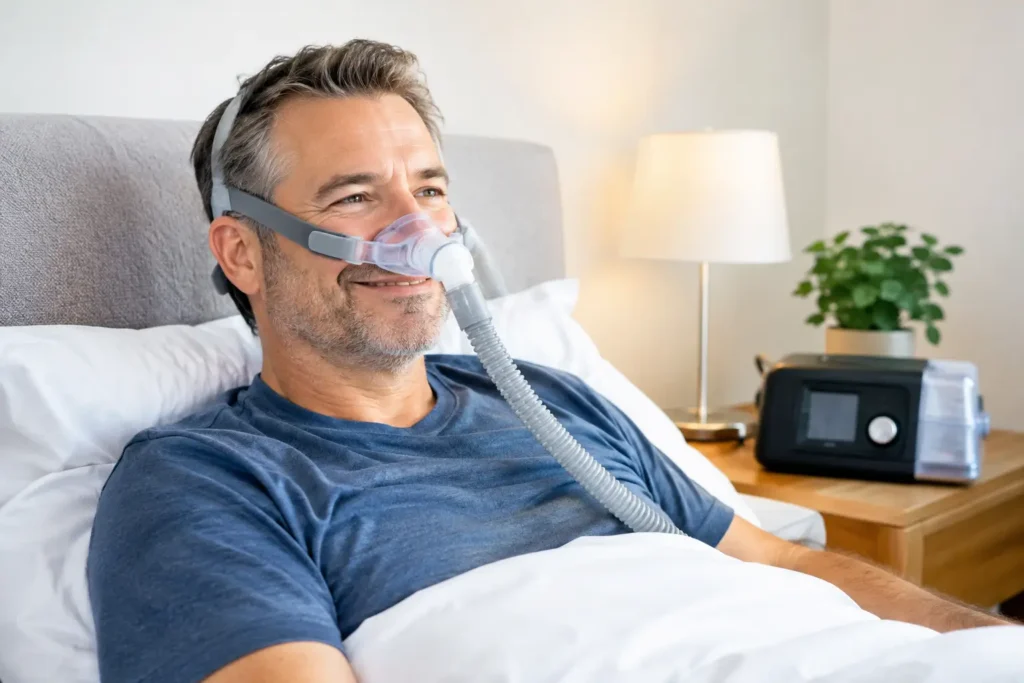
The best CPAP therapy success story examples rarely begin with someone loving their machine on night one. They usually begin with a frustrated person who is tired of being tired: falling asleep in front of the TV, waking up with headaches, hearing from a partner that the snoring has become unbearable, or worrying after a sleep apnea diagnosis.
Success is not about forcing yourself to tolerate CPAP. It is about getting the right equipment, the right fit, and real support when something feels wrong. The stories below are representative examples, not promises or patient testimonials. Every person’s apnea severity, health history, comfort needs, and insurance coverage are different. But the patterns are familiar, and they show why small adjustments can create major change.
CPAP Therapy Success Story Examples: What Changed?
The first-time user who thought the mask was the problem
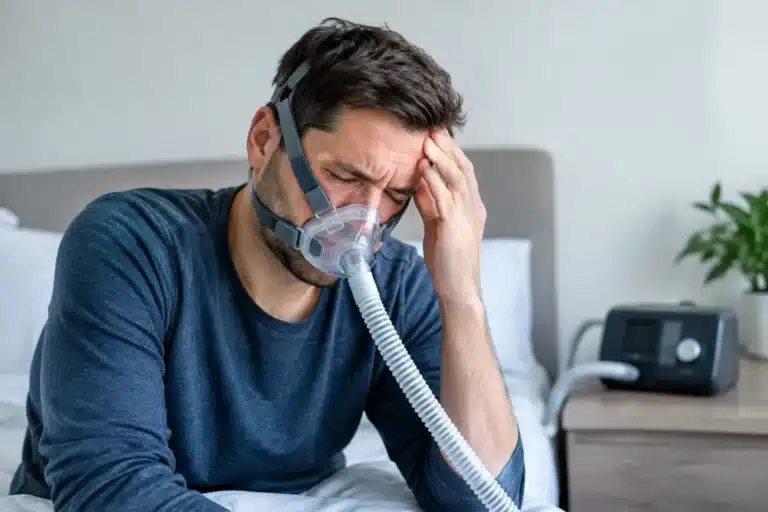
A newly diagnosed patient starts CPAP with a full-face mask because they often breathe through their mouth at night. Within three nights, they are ready to quit. The mask feels bulky, air leaks toward their eyes, and they pull it off after a few hours.
The machine was not necessarily the issue. The original mask style and sizing were. After a proper mask fitting, the patient tries a different full-face option with a softer cushion and a more stable headgear design. They also learn that straps should be snug, not cranked down as tightly as possible. Over-tightening can actually make leaks worse.
A few weeks later, they are wearing therapy for most of the night. Their partner reports quieter sleep, and the patient notices they are no longer struggling to stay awake during afternoon meetings. The success was not a miracle machine. It was a mask that fit their face and practical coaching that made the treatment feel manageable.
The experienced user whose therapy stopped feeling effective
Not every success story comes from a first-time CPAP user. Some people have used therapy for years, then gradually start feeling tired again. They may assume their machine has failed or that CPAP simply does not work anymore.
Often, the basics need attention first. A worn mask cushion can leak. Tubing can develop a small tear. Filters can become overdue for replacement. Weight changes, medications, nasal congestion, or changing sleep positions can also affect comfort and therapy needs.
In this example, the user brings in their machine for a data download and review. The results show a high leak rate and inconsistent use caused by dry mouth. Replacing the aging cushion, checking the humidifier settings, and discussing a mask option better suited to mouth breathing improves comfort quickly. The patient does not need to start over. They need their current therapy brought back into working order.
The patient who could not tolerate pressure at bedtime
Some patients say, “I can breathe with it once I’m asleep, but I hate putting it on.” That distinction matters. If the beginning of the night feels uncomfortable, many people never give therapy enough time to become routine.
One common scenario involves a patient who feels as though the air pressure is too strong when they first turn the machine on. They delay bedtime because they dread the sensation, then fall asleep without treatment. After reviewing the prescribed settings and machine features, a clinician may help them use ramp settings appropriately or discuss whether a pressure adjustment should be reviewed by their prescribing sleep professional.
The patient also learns to put the mask on while reading or watching a short program before bed. That low-pressure practice takes away some of the anxiety. Within a month, bedtime is no longer a battle. It is simply part of the routine, like setting an alarm or brushing teeth.
What Real CPAP Progress Looks Like
CPAP success does not look identical for everyone. For some, the first win is waking up with less of a headache. For others, it is staying alert on the drive home, having the energy to walk after dinner, or sleeping in the same room as a partner again.
It can also be gradual. Many patients expect one perfect night to transform everything. Sometimes that happens, but more often the benefits build as consistent use improves. A person who wore CPAP for two hours last week may reach five or six hours this week. That is progress worth protecting, not a reason to feel discouraged.
The most reliable success stories share one trait: the patient does not ignore problems. They ask about the leak, the dry throat, the red mark on the bridge of the nose, or the unfamiliar machine message. Early support can prevent a minor issue from becoming the reason therapy ends.
Why Mask Fit Is So Often the Turning Point
A CPAP machine delivers prescribed airflow, but the mask is where therapy becomes personal. Faces are different. People sleep on their backs, sides, and stomachs. Some have facial hair, dentures, nasal congestion, sensitive skin, or a strong preference for minimal contact around the face.
That is why choosing a mask based only on what looks smallest or what someone else uses can backfire. A nasal mask may work beautifully for one person and be frustrating for another who opens their mouth during sleep. A full-face mask can be an excellent choice for mouth breathing, but only if its shape, cushion, and size work with the wearer’s facial structure.
A knowledgeable fitting is not a sales extra. It is part of making therapy usable. The right provider should explain why a specific option is being recommended, check for leaks in realistic sleeping positions, and give clear guidance on cleaning and replacement. Patients should not feel pressured into paying hidden setup fees just to get basic help with equipment they need.
The Family Member’s Success Story Matters Too
Sleep apnea affects more than the person wearing the mask. Spouses and family members often carry their own worry: listening for breathing pauses, moving to another room because of loud snoring, or seeing someone they love become increasingly exhausted and irritable.
Consider the adult daughter helping her father after a hospital discharge. He feels overwhelmed by medical terms, paperwork, and a machine he does not understand. She needs straight answers: What does this button do? How often should he clean this? Will insurance cover it? Who can help if the mask starts leaking on a Sunday night?
When the setup is explained face-to-face, insurance is handled clearly, and support is available after the initial purchase, the family’s stress drops. The equipment is still medical equipment, and adjustment still takes effort. But the process no longer feels like a confusing task left entirely on the patient’s shoulders.
What These Stories Do Not Mean
CPAP is highly effective treatment for many people with obstructive sleep apnea, but it is not a one-size-fits-all experience. Persistent daytime sleepiness, major discomfort, ongoing high leaks, new breathing symptoms, or concerns about pressure should be discussed with a qualified clinician or prescribing provider. Do not change prescribed pressure settings on your own.
It is also fair to be honest about trade-offs. A smaller mask may feel less intrusive but may not work well if you breathe through your mouth. More humidification can ease dryness, but too much may create condensation in the tubing. An automatic machine can adjust within its prescribed range, while another patient may require a different setup based on clinical needs. Good care means working through those details instead of pretending there is one perfect answer for everyone.
Building Your Own CPAP Success Story
The strongest next step is simple: identify the exact problem rather than labeling yourself “bad at CPAP.” Is the issue pressure, leaks, dry mouth, congestion, skin irritation, noise, cleaning, or uncertainty about your insurance? Once the problem has a name, it usually has a practical path forward.
For patients across Southern Ontario, CPAP One-Stop focuses on the part too many providers rush through: personal setup, mask fitting, equipment guidance, data support, and straightforward pricing without setup-fee surprises. Because every breath matters, you deserve more than a box handed over a counter.
Your success story may start with a better night of sleep. More often, it starts with asking for help before one uncomfortable night becomes a reason to give up.