What a Free CPAP Setup Service Should Include
A free CPAP setup service should do more than hand you a box and wish you good luck. Your first few nights with CPAP can determine whether treatment becomes a life-changing routine or another machine sitting unused on a nightstand. The right provider takes time to fit your mask, program your machine, explain the settings, and make sure you know exactly who to call if something feels wrong.
That support should not come with a surprise setup bill. If you have been diagnosed with sleep apnea, you already have enough to manage: choosing equipment, understanding insurance coverage, and adjusting to a new way of sleeping. You deserve clear pricing and personal help from someone who treats your therapy like it matters – because every breath does.
What Free CPAP Setup Service Really Means
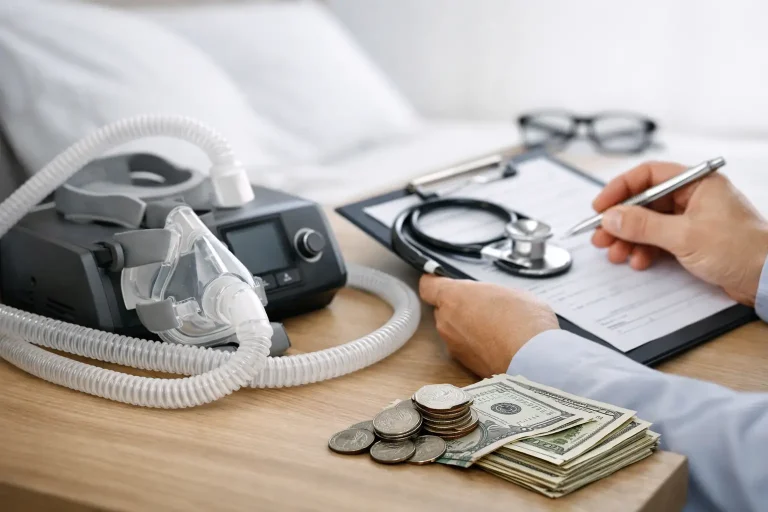
“Free setup” can mean very different things depending on the supplier. Some providers use the phrase to describe a quick handoff. Others may advertise a low equipment price, then add fees for programming, education, mask adjustments, delivery, or follow-up support. Ask what is included before you commit.
A meaningful free CPAP setup service includes hands-on clinical guidance with your purchased equipment, without charging you separately for the essentials that make treatment work. It is not a shortcut or a stripped-down appointment. It is a practical, patient-first start to therapy.
The equipment itself is not necessarily free. Your insurance plan, prescription, machine choice, and coverage limits all affect what you pay. What should be free is the professional help required to get your prescribed therapy working properly from day one.
A Proper Setup Starts With the Right Machine Settings
A CPAP machine is not a one-setting-fits-all appliance. Your prescription may call for standard CPAP pressure, automatic pressure adjustment, bilevel therapy, a specific comfort setting, humidification, or a ramp feature that begins at a lower pressure while you fall asleep. A clinician should review the prescription and program the device accordingly.
During setup, you should be shown how to turn the machine on, start and stop therapy, fill and attach the humidifier chamber, connect the tubing, and find the basic comfort controls. You do not need a technical lecture. You do need plain answers to common questions, such as whether you should use distilled water, what happens during a power outage, and how often to clean each part.
Machine settings should not be changed casually. If your pressure feels uncomfortable, the answer may be a mask adjustment, humidity change, ramp adjustment, or a clinical review of your therapy data. A good provider helps you understand the difference instead of telling you to simply “get used to it.”
Mask Fitting Is Not an Extra
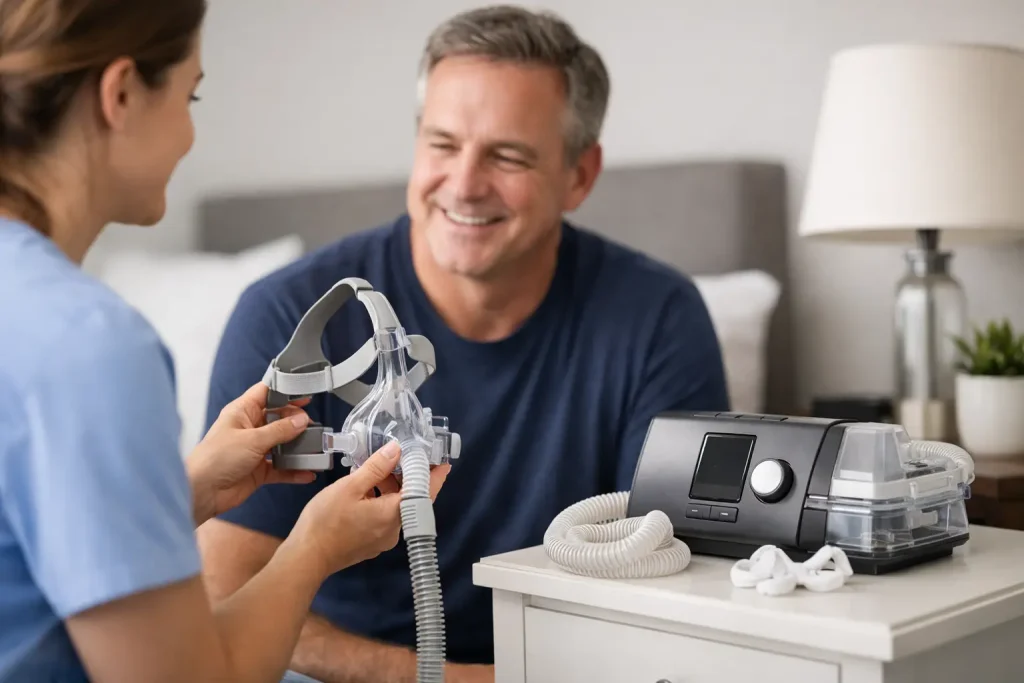
The mask is the part of CPAP therapy you feel all night. A machine can be excellent, but the wrong mask can cause leaks, dry mouth, skin irritation, noise, and frustration. That is why mask fitting belongs at the center of a setup appointment, not as an afterthought.
A qualified fitting considers how you sleep, whether you breathe through your nose or mouth, facial shape, facial hair, dentures, glasses, sensitive skin, and whether you tend to move during the night. A nasal mask may be a good option for someone who mostly breathes through their nose. A full-face mask can be more appropriate for a regular mouth breather. Nasal pillows can feel less bulky for some people, while others prefer a mask with more structure.
There is no single “best” CPAP mask. The best one is the one that seals comfortably at your prescribed pressure and that you can realistically wear every night. You should try the mask with the machine running, not just hold it against your face in a showroom. Small adjustments to strap tension and cushion position can make a major difference.
If a mask is tightened too much, it can actually leak more and leave marks on your face. If it is too loose, air may blow toward your eyes or wake your partner. Personalized fitting helps prevent both problems before they become reasons to quit therapy.
You Should Leave Knowing How to Use and Care for Everything
A setup appointment should leave you feeling capable, not overwhelmed. Before you go home, you should know how the pieces fit together and what basic maintenance looks like. You should also understand which items wear out over time.
Your provider should explain the practical routine: empty and rinse the humidifier chamber as directed, allow components to air dry, wash the mask cushion regularly, inspect the tubing, and replace filters according to your machine’s instructions. Oils from your skin can affect a mask seal, and worn cushions can gradually cause leaks even when the mask once fit perfectly.
It also helps to know what is normal during the adjustment period. Mild awareness of airflow, a different sleeping position, or a short period of getting used to the mask can be expected. Severe discomfort, chest pain, significant skin injury, ongoing large leaks, or inability to tolerate therapy should prompt a call to your provider or healthcare professional. You should never feel that you have to solve every issue alone.
Insurance Help Should Be Part of the Experience
Insurance paperwork is one of the most stressful parts of getting CPAP equipment. Coverage varies widely. Some plans cover a machine and supplies up to a set amount, while others have deductibles, limits, preauthorization requirements, or specific replacement schedules. That uncertainty is exactly why direct billing and clear explanations matter.
A patient-focused provider will help verify available coverage, explain what your plan may pay, and identify any expected balance before equipment is dispensed. If direct billing is available, it can save you from paying the full amount upfront and waiting for reimbursement. Deferred billing may also be helpful when coverage is confirmed but payment timing is complicated.
Be wary of vague pricing. Ask whether the quoted cost includes the machine, humidifier, mask, tubing, filters, setup, programming, mask fitting, delivery, and future support. A low advertised price is not a bargain if essential fees appear after you have already committed.
Follow-Up Support Is Where Service Proves Itself
Many people do not have problems in the first 20 minutes of CPAP use. They have them on night three, after a dry mouth wakes them at 2 a.m., or two weeks later when a leak begins to affect their sleep. This is where local, responsive support matters.
Data downloads can show whether you are using therapy consistently, whether leaks are affecting results, and whether the machine is responding appropriately. The numbers are useful, but they need context. A clinician can help connect the data with what you are actually experiencing at home.
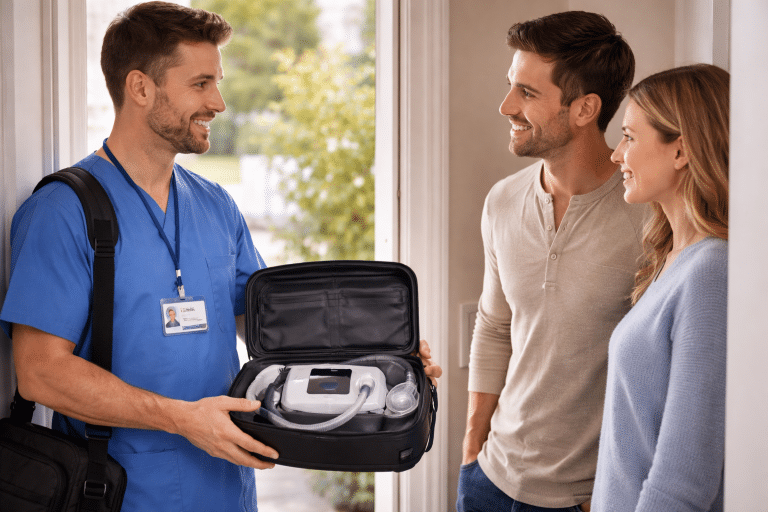
For some patients, a phone call is enough. For others, an in-person appointment, home visit, same-day assistance, or delivery service can remove a major barrier. This is especially valuable for older adults, people recently discharged from hospital, caregivers helping a family member, and anyone who does not want to spend hours trying to troubleshoot equipment online.
At CPAP One-Stop, the goal is not to make CPAP feel complicated. It is to make your treatment personal, clear, and manageable from the first fitting onward.
Questions to Ask Before You Choose a Provider
Do not be shy about asking direct questions. You are making a decision about your health, sleep, budget, and long-term comfort. Before purchasing, ask whether setup, machine programming, mask fitting, insurance billing, delivery, and follow-up help are included at no extra charge. Ask who will help if your mask leaks or your machine feels uncomfortable after you get home.
Also ask whether you can speak with a clinician rather than being directed only to a call center. Personalized support is particularly valuable when you are new to therapy, changing machines, recovering from a hospital stay, or returning to CPAP after a long break.
The lowest price matters, but it should be a transparent price. A provider who explains your options clearly and stands behind the setup can save you far more than a few dollars in avoided frustration and unused equipment.
Your CPAP treatment should feel like a supported plan, not a purchase you are left to figure out alone. Start with a provider that gives you the time, fitting, education, and honest answers needed to sleep with confidence tonight and keep breathing easier tomorrow.