
You received a sleep apnea diagnosis and a prescription for a CPAP machine. At first, you may have been told treatment was important, but without a clear explanation of why.
As you begin therapy, the machine may feel intrusive and the mask awkward. If your main symptoms are snoring and daytime tiredness, the diagnosis can seem minor. These are common concerns patients often discuss with providers like CPAP One-Stop when starting treatment.
However, sleep apnea is more than a nuisance. Each time your breathing stops, which can happen dozens of times per hour, your heart is placed under stress.
Over time, this repeated strain can lead to serious health problems. That’s why understanding the link between sleep apnea and heart health is so important.
What Sleep Apnea Actually Does to Your Heart
Sleep apnea occurs when your airway becomes blocked during sleep. When you stop breathing, your blood oxygen levels drop. Your brain senses the danger and partially wakes you up to restart your breathing.
While you might not remember these micro-awakenings, your cardiovascular system registers every single one.
The Immediate Stress Response
When oxygen levels drop, your body enters fight-or-flight mode. Your heart rate increases, your blood pressure spikes, and stress hormones like adrenaline flood your bloodstream.
Instead of a restful recovery, your body spends the night in a state of low-grade emergency.
The Cumulative Damage
Chronic, repeated stress without recovery is hard on the heart. Over time, nightly blood pressure spikes lead to permanent hypertension.
According to the Public Health Agency of Canada, untreated sleep apnea is directly linked to an increased risk of cardiovascular disease and stroke.
Specific Heart Risks of Untreated Apnea
Heart health risks can feel like an abstract warning. Here’s what’s actually happening:
- High Blood Pressure: Roughly half of people with sleep apnea have hypertension. Because the root cause is breathing interruptions, blood pressure medications often work poorly until the apnea is treated.
- Irregular Heart Rhythms: Atrial fibrillation (an irregular heart rhythm) occurs much more often in apnea patients. This condition significantly increases your risk of a stroke.
- Heart Attack and Stroke: The American Heart Association identifies sleep apnea as a modifiable risk factor. This means that unlike your age or genetics, you can do something to lower this risk.
How CPAP Therapy Benefits Your Cardiovascular System
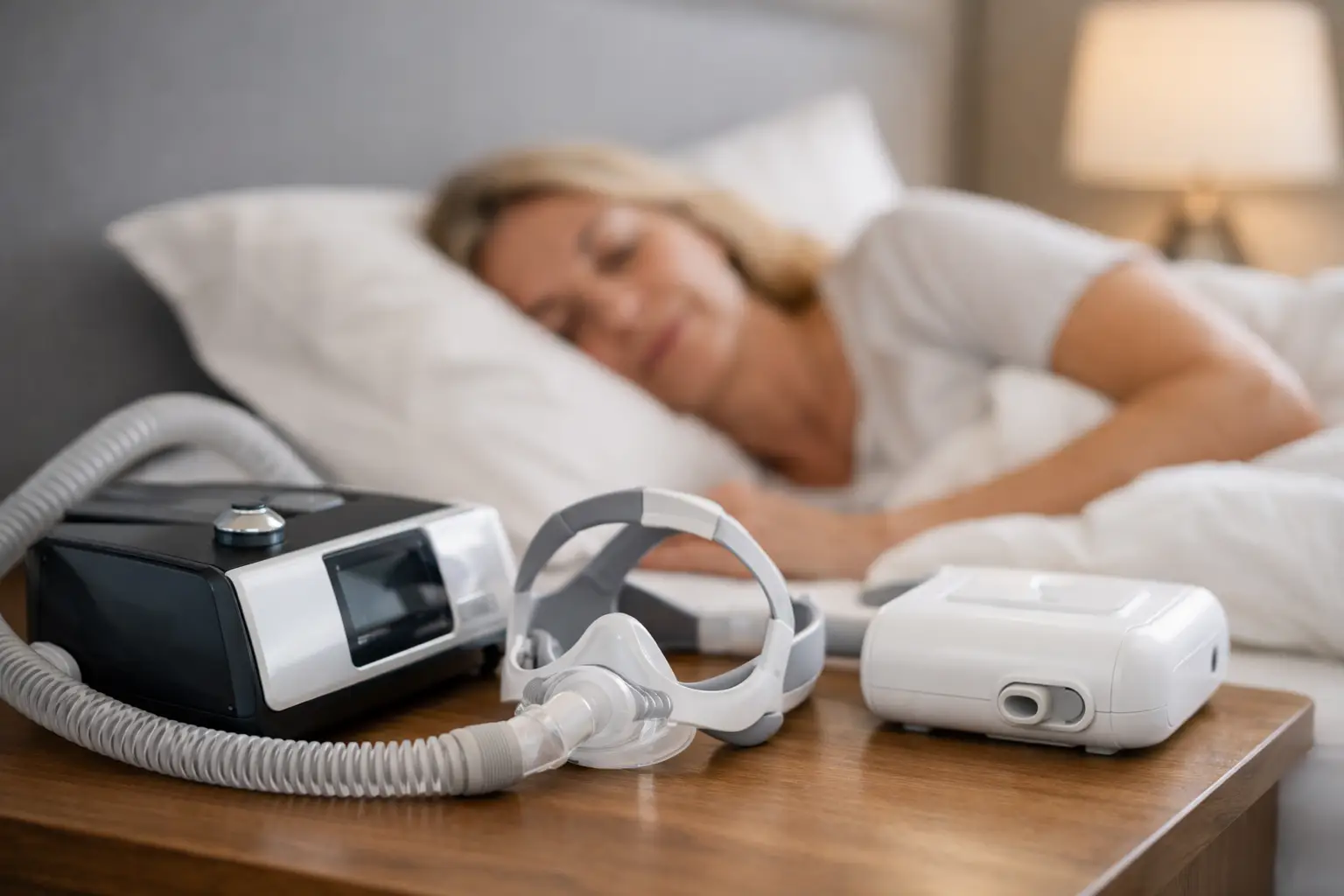
CPAP stands for Continuous Positive Airway Pressure. The machine provides a gentle stream of air that keeps your airway open.
When your breathing remains steady, your oxygen stays stable, and your heart finally gets the rest it needs.
What the Research Shows
Studies indicate that consistent CPAP use can lower blood pressure within just a few weeks. The most significant benefits happen when you use your machine for at least four hours per night, though using it for your entire sleep cycle is ideal.
While a CPAP machine may take time to get used to, the physiological protection it provides is unmatched.
Overcoming the Adjustment Phase
Many people struggle to use their CPAP consistently because the mask feels uncomfortable, or the air pressure feels strange. This is a common challenge, not a failure.
Those who succeed usually focus on a few key areas:
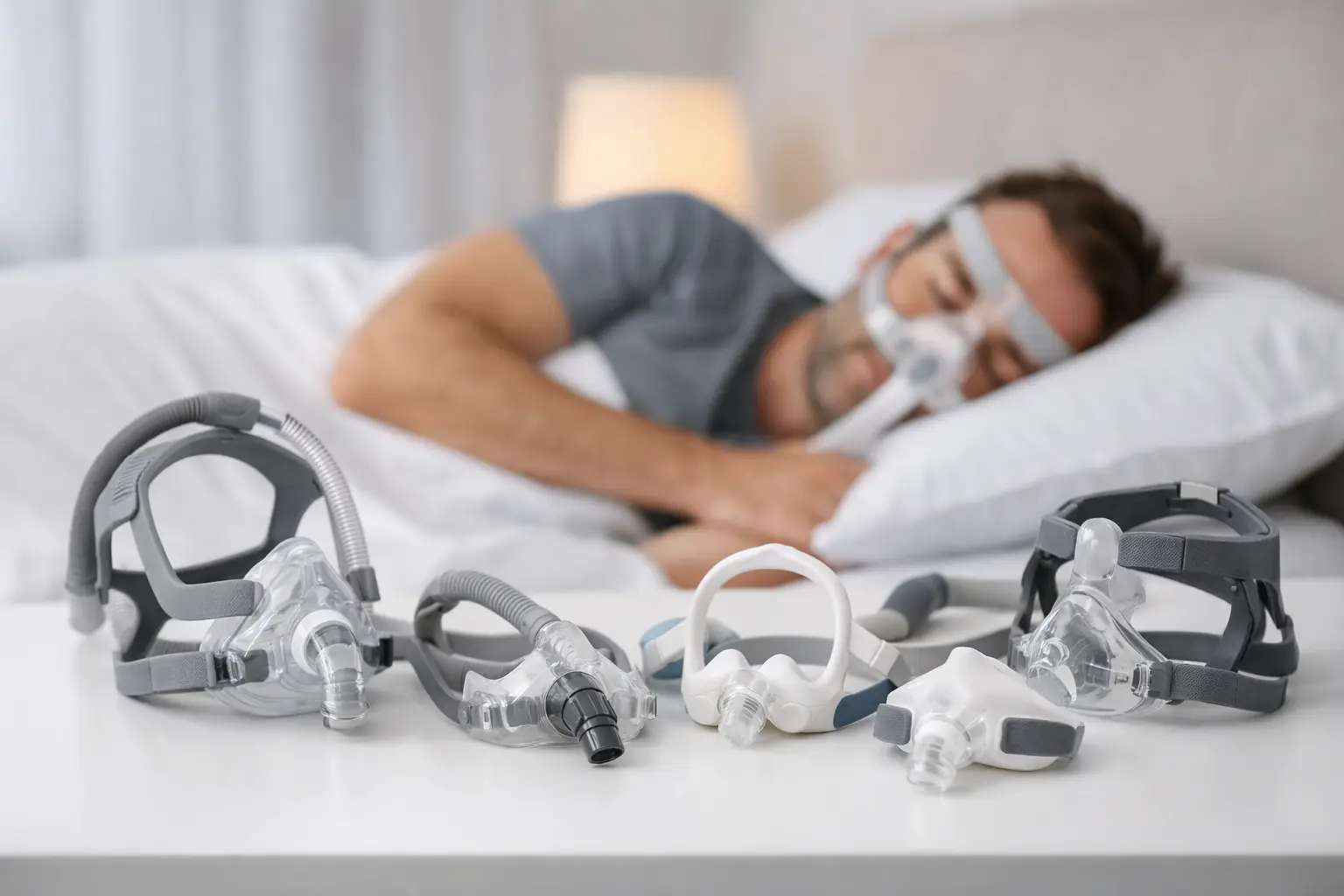
- Finding the Right Fit: Using the correct CPAP mask style, whether it’s nasal pillows or a full face mask, is the biggest factor in staying consistent.
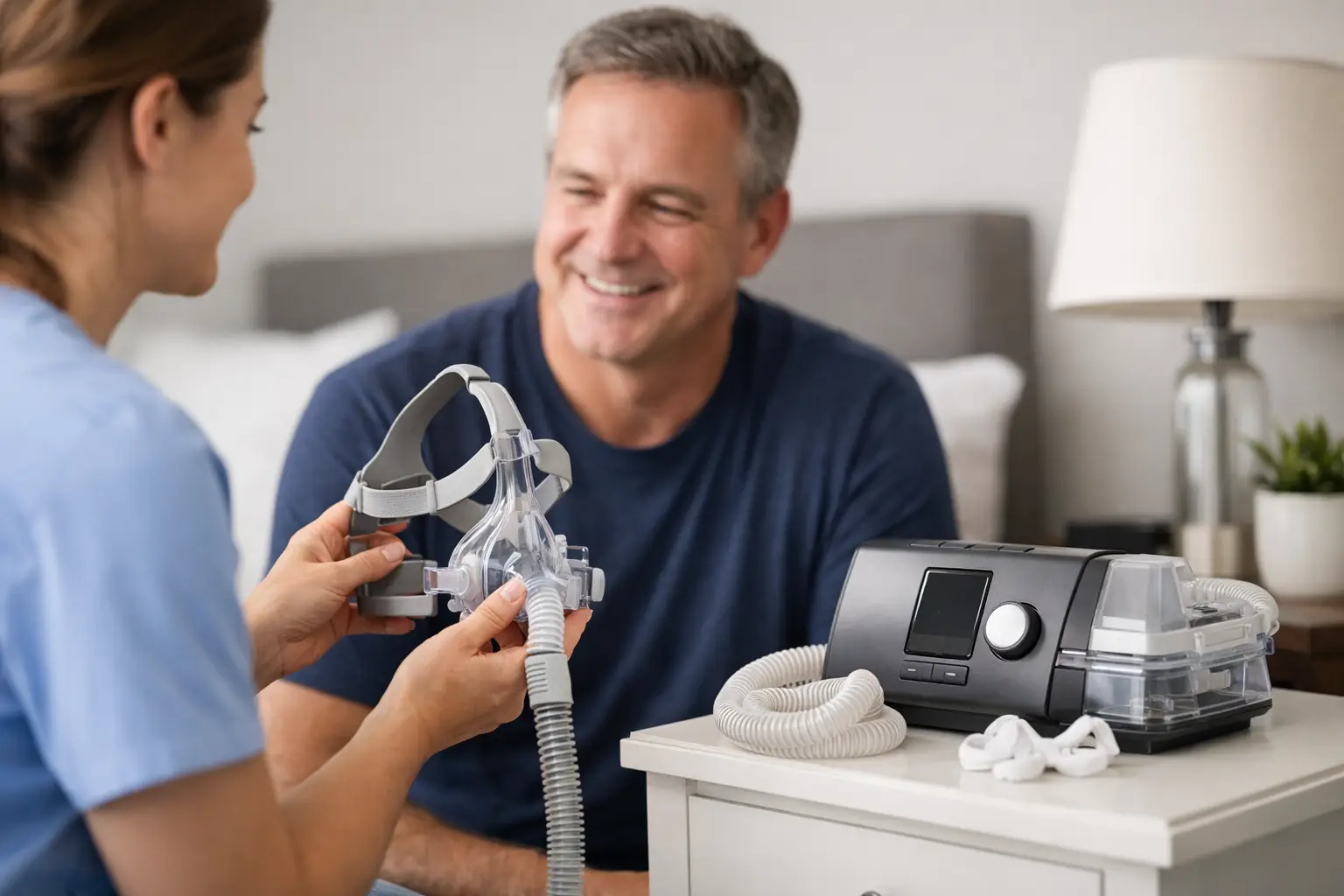
- Using Support: Accessing expert guidance for pressure adjustments or mask leaks helps prevent you from giving up on therapy.
- Patience: Adapting to a new sleep routine takes time. Most people need a few weeks to feel fully comfortable.
FAQs About Sleep Apnea and Heart Health
Can sleep apnea cause permanent heart damage?
If left untreated for years, it can lead to an enlarged heart or thickened heart muscle. However, starting treatment now can halt further damage.
In many cases, treating the apnea allows the heart to function more efficiently and prevents future complications.
My apnea is mild. Should I still worry about my heart?
Mild apnea still carries risk, especially if you already have high blood pressure or diabetes. It is best to review your sleep study results with a specialist to determine if the cardiovascular benefits of treatment outweigh the inconvenience for your specific case.
Are there alternatives to CPAP for heart protection?
Oral appliances can help some patients with mild to moderate apnea. However, for moderate-to-severe cases, CPAP remains the gold standard for protecting the heart. Speak with a CPAP machine provider if you find the machine difficult to use.
Will weight loss cure my sleep apnea and heart risks?
Weight loss can reduce the severity of obstructive sleep apnea for many people, but it’s not always a cure. Because apnea is often related to the structure of your airway, it’s important to continue therapy until a follow-up sleep study confirms the apnea is resolved.
Your Heart Deserves a Rest
When you use CPAP therapy consistently, your airway stays open, your oxygen levels remain stable, and your heart no longer has to work through repeated nighttime stress. What may feel like a small nightly habit can play a powerful role in protecting your long-term health.
If you’re still adjusting to your machine or struggling with mask comfort, getting the right support can make the process much easier.
The team at CPAP One-Stop regularly helps patients find better mask fits, adjust equipment settings, and build routines that make CPAP therapy more comfortable and sustainable.
If you’re ready to take the next step, book your appointment in Niagara Falls or schedule one in Hamilton.
If you have questions about your equipment or need help improving your therapy, call CPAP One-Stop at 1-905-246-9590 to speak with a member of the team. Better sleep today can lead to better heart health tomorrow.
Leave a Reply