Why CPAP Causes Headaches and What to Do
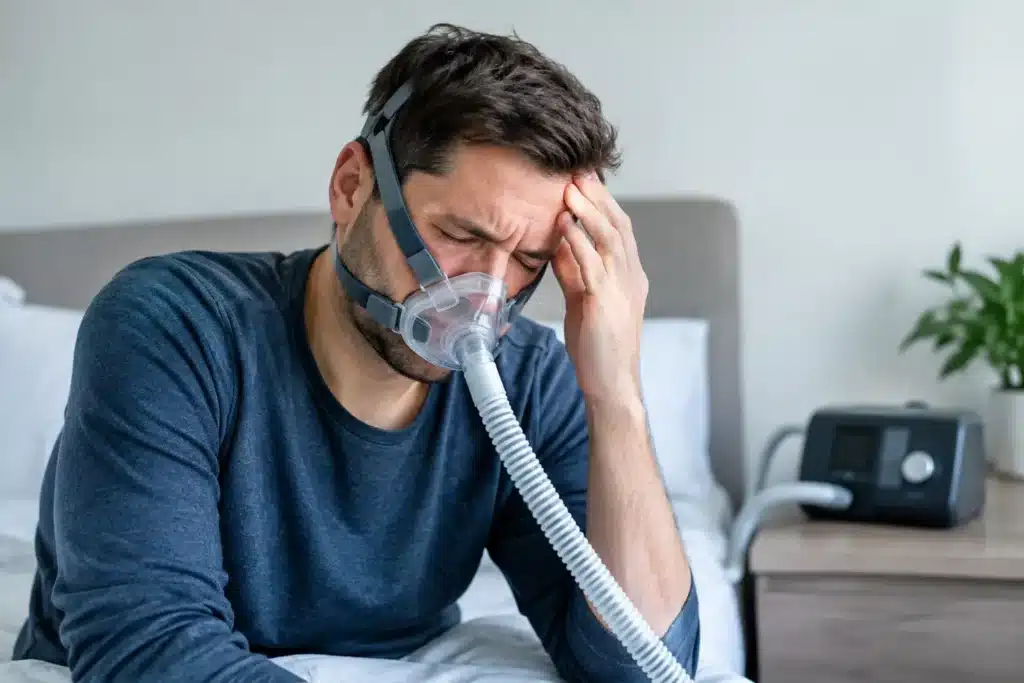
Waking up with a headache after starting CPAP can feel like a bad trade: you are treating sleep apnea, but you feel worse in the morning. The good news is that why CPAP causes headaches is usually something practical and fixable, not a sign that therapy has failed. A mask that is too tight, dry sinuses, pressure settings that need review, or poor sleep while adjusting can all play a role.
CPAP is designed to prevent airway collapse, improve oxygen levels, and help you get restorative sleep. It should not routinely leave you in pain. If headaches are frequent, severe, or getting worse, do not just push through them. Identifying the pattern is the fastest path to more comfortable, effective therapy.
Why CPAP Causes Headaches for Some Users
A headache after CPAP is not always caused by the machine itself. Sleep apnea, nasal congestion, dehydration, medication changes, jaw tension, and interrupted sleep can all be part of the picture. The timing matters: a headache that starts as soon as you put on the mask points to a different issue than one that appears after a full night of use.
Mask pressure and overtightened headgear
A mask should create a seal, not squeeze your face. When straps are overtightened, they can put steady pressure on the forehead, cheeks, temples, jaw, or back of the head. That pressure can trigger a tension-type headache, especially if you already clench your jaw or sleep on your side.
Many people tighten a mask because it leaks. But tighter is not always better. In fact, overtightening can distort the cushion and make leaks worse. A worn cushion, the wrong mask size, or a mask style that does not suit your facial shape is often the real issue. Red marks, facial soreness, numbness, or a headache around the straps are clear reasons to have the fit checked.
Pressure that needs clinical review
Some people notice head pressure, ear discomfort, or sinus pressure when they begin CPAP therapy or when their prescribed pressure changes. The sensation may be stronger if you have a cold, allergies, chronic sinus problems, or blocked ears.
This does not automatically mean the pressure is “too high.” Your prescribed setting may be doing exactly what it needs to do to keep your airway open. However, if pressure feels uncomfortable, causes repeated awakenings, or is paired with new headaches, a clinician can review your therapy data, leak levels, and pressure response. Features such as ramp, exhalation relief, humidification, or a different mask may help, depending on your machine and prescription.
Do not change prescribed pressure settings on your own simply to chase a headache. A lower setting may feel easier in the moment while allowing untreated breathing events to return overnight.
Dry air, congestion, and sinus irritation
CPAP moves air through your nose or mouth for hours. Without enough humidity, that airflow can dry nasal passages and irritate sensitive sinuses. You may wake with a dry nose, scratchy throat, stuffiness, facial pressure, or a headache across the forehead and cheeks.
A heated humidifier can make a major difference, particularly during winter or when indoor heating is running. The right setting is personal. Too little humidity can leave you dry, while too much may cause congestion or water collecting in the tubing. If you wake up with a stuffy nose, try small adjustments over a few nights rather than making a dramatic change all at once.
Nasal saline spray or rinse may also help some users, but speak with a pharmacist or clinician if you use medicated nasal sprays. Overusing certain decongestant sprays can make congestion rebound and become harder to manage.
Leaks and broken sleep
A noisy leak may not hurt directly, but it can repeatedly pull you out of deeper sleep. You may not remember every awakening, yet your body feels the effects in the morning: fatigue, irritability, and headache. Leaks toward the eyes can also cause eye dryness and discomfort that contributes to a tense, restless night.
Mouth leak is another common concern for people using a nasal mask or nasal pillows. If your mouth falls open, therapy air can escape, leaving you with a dry mouth and less effective treatment. The answer is not always a chin strap or a full-face mask. A proper fitting and a review of your nasal breathing, sleeping position, and data can prevent unnecessary purchases and frustration.
The headache may be from untreated apnea or another cause
Morning headaches are common in untreated sleep apnea because repeated breathing interruptions can affect sleep quality and overnight oxygen and carbon dioxide balance. If headaches continue after you start CPAP, it may mean you are still having apnea events, the mask is leaking, or you are not wearing the device long enough each night for treatment to be consistent.
But do not assume every headache is a CPAP issue. Dehydration, alcohol, caffeine withdrawal, high blood pressure, migraines, teeth grinding, neck strain, and some medications can cause the same morning pattern. A headache diary for one or two weeks can be useful. Note when the headache starts, where it hurts, whether you used CPAP all night, how the mask felt, and whether you had congestion, leaks, alcohol, or unusual stress the day before.
What to Do When CPAP Headaches Keep Happening
Start with the simple checks. Look at your mask cushion for cracks, stiffness, or loss of shape. Wash it as directed, make sure the exhalation vents are clear, and check that the tubing is connected securely. A blocked exhalation port or damaged equipment needs attention promptly, since fresh airflow and normal carbon dioxide removal are essential.
Next, loosen the mask slightly and refit it while lying down in your usual sleep position with the machine running. Your face changes shape when you lie down, so a mask that seems perfect while sitting up may leak or press too hard at night. If you are constantly readjusting it, ask for a mask-fitting appointment instead of spending weeks trying to make the wrong mask work.
Review humidity and comfort features one at a time. If dryness is the main problem, increase humidity gradually. If you are getting water in the tube, reduce humidity slightly, consider a heated tube if compatible with your device, or keep the machine lower than the mattress so condensation drains away from your face.
Also pay attention to treatment data. Modern CPAP machines can show usage, leak information, and sometimes residual breathing events. Numbers do not replace clinical advice, but they can help a trained provider see whether the problem is likely mask leak, poor tolerance, or pressure settings that need review. CPAP One-Stop can help patients with data downloads, machine programming under the appropriate prescription, and hands-on mask fitting, which is often more useful than guessing from online advice.
When a Headache Needs Medical Attention
Contact your prescribing provider or clinician if headaches persist beyond the first week or two of adjustment, wake you from sleep, occur with significant sinus pain, or come with ongoing ear pressure, dizziness, nausea, or vision changes. You should also get your therapy reviewed if you are still snoring loudly, gasping, excessively sleepy during the day, or removing the mask after only a few hours.
Seek urgent medical care for a sudden severe headache, a headache after a head injury, or one accompanied by weakness, confusion, fainting, chest pain, fever with a stiff neck, trouble speaking, or changes in vision. Those symptoms are not problems to troubleshoot with a mask adjustment.
CPAP should make mornings feel clearer, not harder. A careful mask fit, comfortable humidity, and a clinician-led review of your therapy can turn a frustrating start into the restful sleep your treatment is meant to deliver.