How to Prevent CPAP Rainout Without Losing Comfort
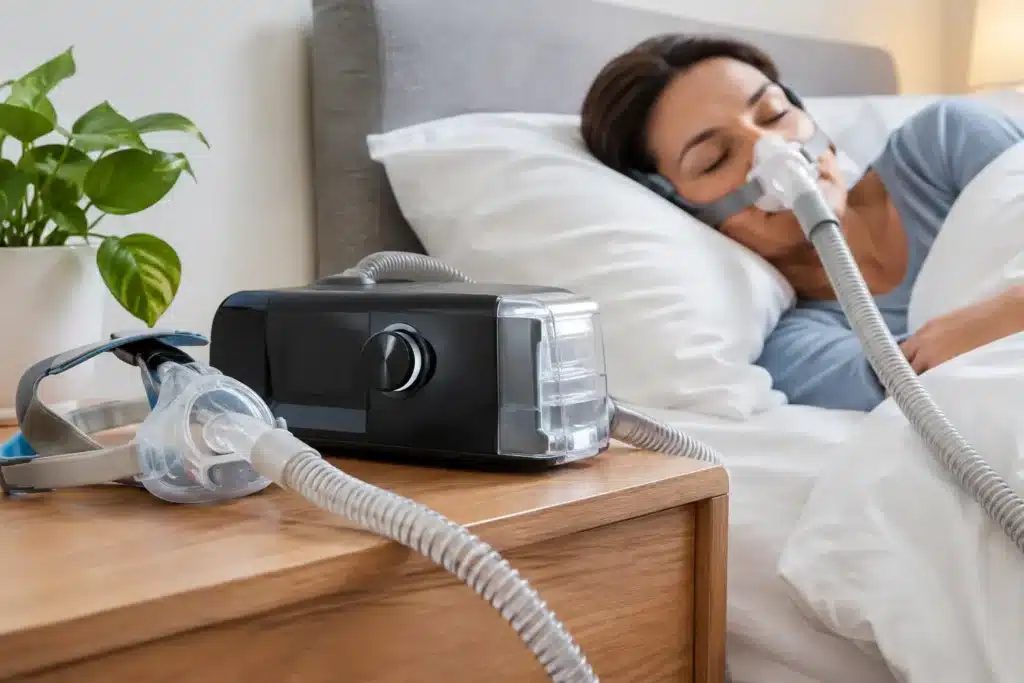
A cold splash of water in your mask at 2 a.m. can make CPAP therapy feel impossible. You may hear gurgling in the hose, wake up with droplets on your face, or feel like the airflow has suddenly changed. The good news: this is a common comfort problem, not a sign that your treatment has failed. Learning how to prevent CPAP rainout usually comes down to balancing humidifier heat, hose temperature, and your bedroom environment.
CPAP rainout is frustrating, but it is usually fixable without giving up the moisture that keeps your nose and throat comfortable. The right adjustment depends on your machine, tubing, mask, room temperature, and how much humidity your body needs.
What CPAP Rainout Is and Why It Happens
Rainout is condensation inside CPAP tubing or a mask. Your humidifier warms water to add moisture to the therapy air. As that warm, moist air travels through a hose in a cool room, it can cool quickly. Water vapor then turns back into liquid droplets.
That water may collect in the low points of the hose, make a bubbling sound, or run toward your mask. It happens most often during colder months, in bedrooms with strong air conditioning, or when the hose sits near a window, exterior wall, fan, or vent.
Rainout does not mean your CPAP machine is delivering too much pressure. It is a temperature and moisture issue. The goal is not necessarily to remove humidity. Dry air can lead to congestion, dry mouth, sore throat, and poor mask tolerance. The goal is to use enough humidity for comfort without creating condensation.
How to Prevent CPAP Rainout Step by Step
Start with one adjustment at a time. Making several changes in one night makes it hard to know what actually solved the problem.
1. Raise the tube temperature if you use heated tubing
A heated hose is often the most effective solution for regular rainout. It keeps the air warmer as it travels from the machine to your mask, reducing the temperature drop that causes condensation.
If your machine has climate-control settings, try increasing the tube temperature by one level. Give it two or three nights before deciding whether you need another change. Higher is not always better. A tube setting that is too warm can feel uncomfortable, particularly for people who sleep hot.
Not every CPAP machine works with every heated tube. Use tubing designed for your machine, and ask a clinician or equipment provider to confirm compatibility before purchasing an accessory. A proper setup matters as much as the accessory itself.
2. Fine-tune humidity instead of shutting it off
If the hose is already warm and rainout continues, lower the humidifier setting by one level. A small change is often enough. Avoid turning humidity completely off unless your clinician has advised it or you are comfortable without it.
You may need more moisture if you wake with nasal dryness, burning, congestion, dry mouth, or a scratchy throat. You may need less if water consistently gathers in the tubing despite a reasonably warm hose and bedroom. Finding the right setting is personal, which is why copying someone else’s CPAP settings rarely works.
Some machines use an automatic climate setting that adjusts humidity and tube temperature together. This can be a good starting point, especially for new users. If automatic mode does not control rainout in a very cold bedroom, manual adjustments may give you better results.
3. Protect the hose from cold air
The tubing does not need to be freezing cold to create condensation. Even a cool draft can be enough to turn moisture into water droplets.
Keep the hose away from open windows, fans, air conditioning vents, and cold exterior walls. If you sleep close to a window in winter, routing the hose on the inside of the bed rather than between the bed and window can make a noticeable difference. A fabric hose cover can also add insulation, especially if you do not use heated tubing.
A hose cover is helpful, but it is not a replacement for a heated tube when rainout is frequent or severe. Think of it as an affordable first step for mild condensation or a useful extra layer of protection in a cool room.
4. Adjust your bedroom temperature carefully
A very cold bedroom is one of the biggest rainout triggers. You do not have to make the room uncomfortably warm. Even raising the thermostat a few degrees, closing a nearby vent, or moving a fan so it is not blowing across the hose can help.
This is a trade-off. Many people sleep better in a cool room, and you should not sacrifice overall sleep quality just to eliminate rainout. If you prefer a cooler bedroom, heated tubing and a hose cover are generally better solutions than overheating the room.
5. Position the machine and hose to manage water safely
Place your CPAP machine on a stable surface lower than your mattress when possible. This helps reduce the chance that condensation in the hose runs directly into your mask. Make sure the machine has open space around it and cannot be knocked over by bedding, pets, or a nightstand drawer.
Try not to let the hose dip sharply below the bed and then rise again. Those low loops can become collection points for water. Many users find that routing the hose over a headboard or using a hose lift keeps it off the floor and reduces pulling on the mask. The best route is one that stays clear of cold drafts and lets the hose move naturally when you turn over.
Small Habits That Make a Real Difference
Empty, rinse, and refill the humidifier chamber daily with fresh distilled water. Distilled water helps prevent mineral buildup in the chamber, though it does not directly stop rainout. Never overfill the chamber past its maximum line, and make sure it is properly seated before starting therapy.
If water has collected in your hose, disconnect the tubing and let it dry completely before the next use. Do not ignore repeated gurgling. It disrupts sleep and can lead you to loosen or remove your mask during the night.
Check that the humidifier chamber lid, hose connections, and mask connection are secure. A loose connection does not cause classic rainout by itself, but leaks can make therapy less comfortable and lead you to keep changing settings unnecessarily. If your mask is leaking, solve the fit issue separately rather than trying to compensate by changing humidity or pressure.
When Rainout Starts at the Mask
If the water is mostly inside the mask rather than throughout the tube, the mask may be getting colder than the rest of the setup. This can happen when the mask is exposed to a draft or when the hose connection sits close to a cold wall.
First, adjust the hose route and move any fan or vent away from your face. If you use a nasal mask or nasal pillows, confirm that the cushion is clean and seated correctly. Wiping away condensation may provide short-term relief, but the lasting fix is usually warming the air path slightly or reducing humidity by one setting.
Do not overtighten the mask in response to moisture. Tightening can create pressure marks, worsen leaks, and make a comfortable mask feel unbearable. Mask fit should be assessed with the machine running and with your usual sleeping position in mind.
A Simple Way to Troubleshoot CPAP Rainout
If you are unsure where to start, use this order: keep your current humidity setting and raise tube temperature first; if that does not work, protect the hose from drafts or add a cover; then lower humidity by one level if needed. Finally, review machine placement and your room temperature.
Give each change enough time to work unless the rainout is severe. A single unusually cold night can create condensation even when your settings are normally perfect. Seasonal adjustments are normal. The settings that work in July may not be the settings that work in January.
When to Ask for Hands-On Help
Call for support if rainout continues after basic adjustments, if your machine does not appear to recognize heated tubing, or if you are avoiding therapy because of water in the mask. You should also ask for help if dryness, congestion, leaks, or mouth breathing are happening at the same time. These issues can overlap, and guessing can leave you less comfortable than when you started.
For CPAP users in Southern Ontario, CPAP One-Stop can help review your equipment, tubing options, humidity settings, and mask fit in person. There is no reason to accept a noisy, wet hose as part of treatment or pay unnecessary setup fees just to get clear answers.
Your CPAP should support a better night’s sleep, not create another reason to wake up. A few thoughtful adjustments can keep the air comfortably moist, the hose dry, and your therapy easier to use night after night.