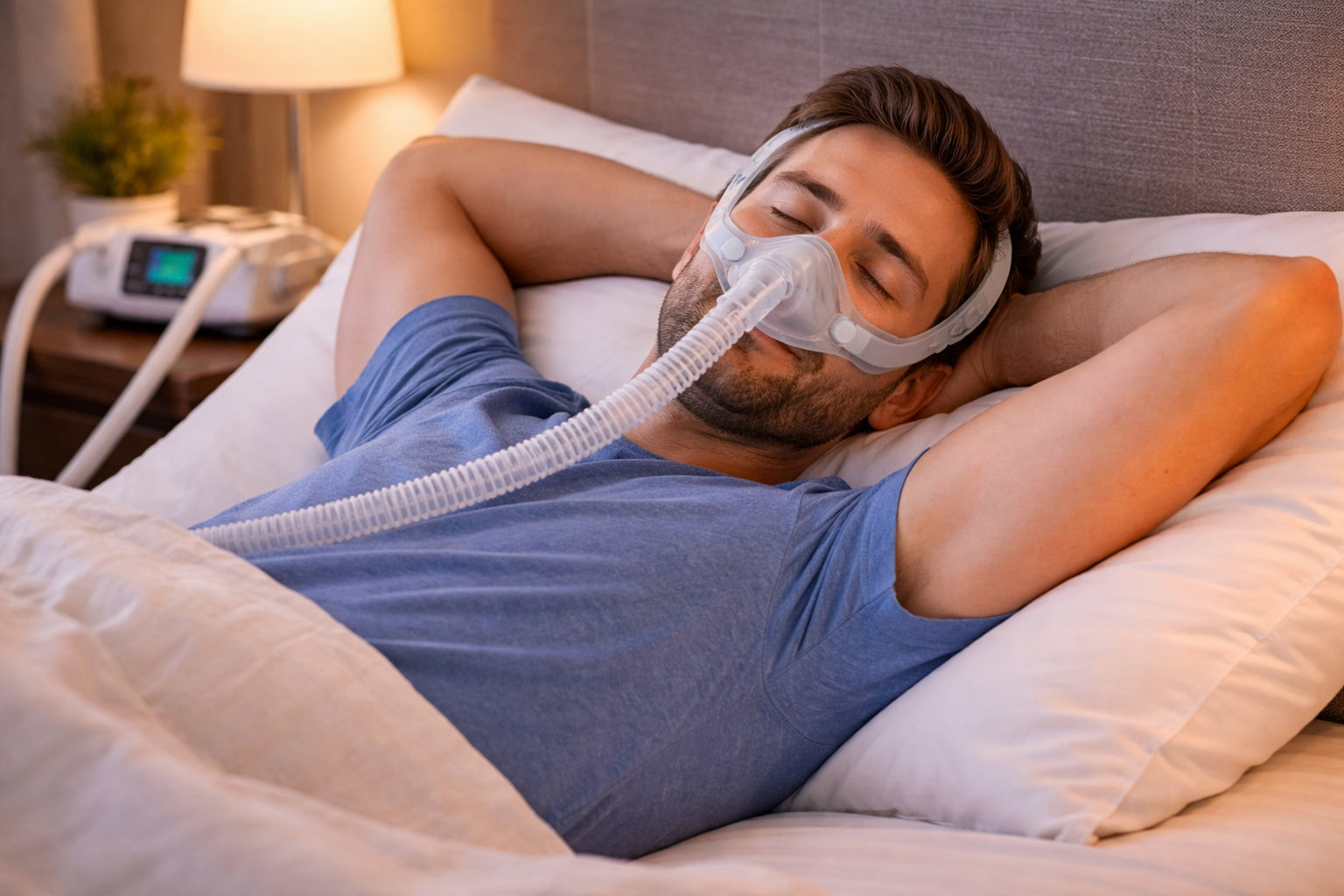
If you’re searching for CPAP mask leak solutions, you’re dealing with one of the most common challenges of continuous positive airway pressure (CPAP) therapy.
Leaks can disrupt your sleep and make your therapy less effective. Often, this happens in ways you can feel: the soft hiss of escaping air, a cool stream on your eye, or waking up in the middle of the night because your mask has shifted.
Fortunately, most leaks have simple causes and practical fixes. With some basic troubleshooting and small equipment adjustments, often guided by experienced providers such as CPAP One-Stop, you can achieve a reliable seal and get back to sleeping comfortably.
What Causes a CPAP Mask to Leak?
To fix a leak, it helps to know how your equipment works. Your CPAP machine sends pressurized air through a tube to your mask. The mask creates a seal against your face, keeping that air moving into your lungs. A good seal is secure enough to hold pressure but gentle enough to feel comfortable on your skin.
There are two main types of leaks:
- Intentional leaks: These are built into every mask. Small vents allow the carbon dioxide you exhale to escape from the mask.
- Unintentional leaks: These happen when the seal breaks around the edges of the mask cushion. These cause problems like dry eyes, noisy air, and less effective therapy.
Most modern machines track your leak rate. If your machine shows high numbers, or you wake up feeling tired, it is time to check your CPAP mask fit.
4 Practical CPAP Mask Leak Solutions
Different leaks require different fixes. These solutions target the most frequent causes of a broken seal.
1. Check Your Fit Before Assuming the Mask is Broken
The most common cause of a leak is a fitting issue. Over time, your straps might stretch, or your face shape might change slightly. Even a new pillow can throw off a fit that used to work perfectly.
What to try: Take your mask off and put it on fresh. Loosen all the straps first. Place the cushion where it feels most natural on your face, then tighten the straps just enough to create a seal.
One of the biggest mistakes is over-tightening. If you pull the straps too tight, you can squash the cushion and create gaps where air can escape.
As noted by Mayo Clinic, you should always adjust your mask while lying down, as your face shape changes when you are flat against a pillow.
2. Replace Worn Cushions and Headgear
Cushions are made of soft silicone or gel that breaks down over time. Facial oils and cleaning supplies eventually make the material stiff or slippery. A cushion that is several months old won’t seal as well as a fresh one.
What to try: Most experts recommend replacing your cushion every one to three months. Inspect your mask for cracks, stiffness, or a colour change.
If you’ve used the same cushion for more than 90 days, a replacement is often the fastest way to stop a leak.
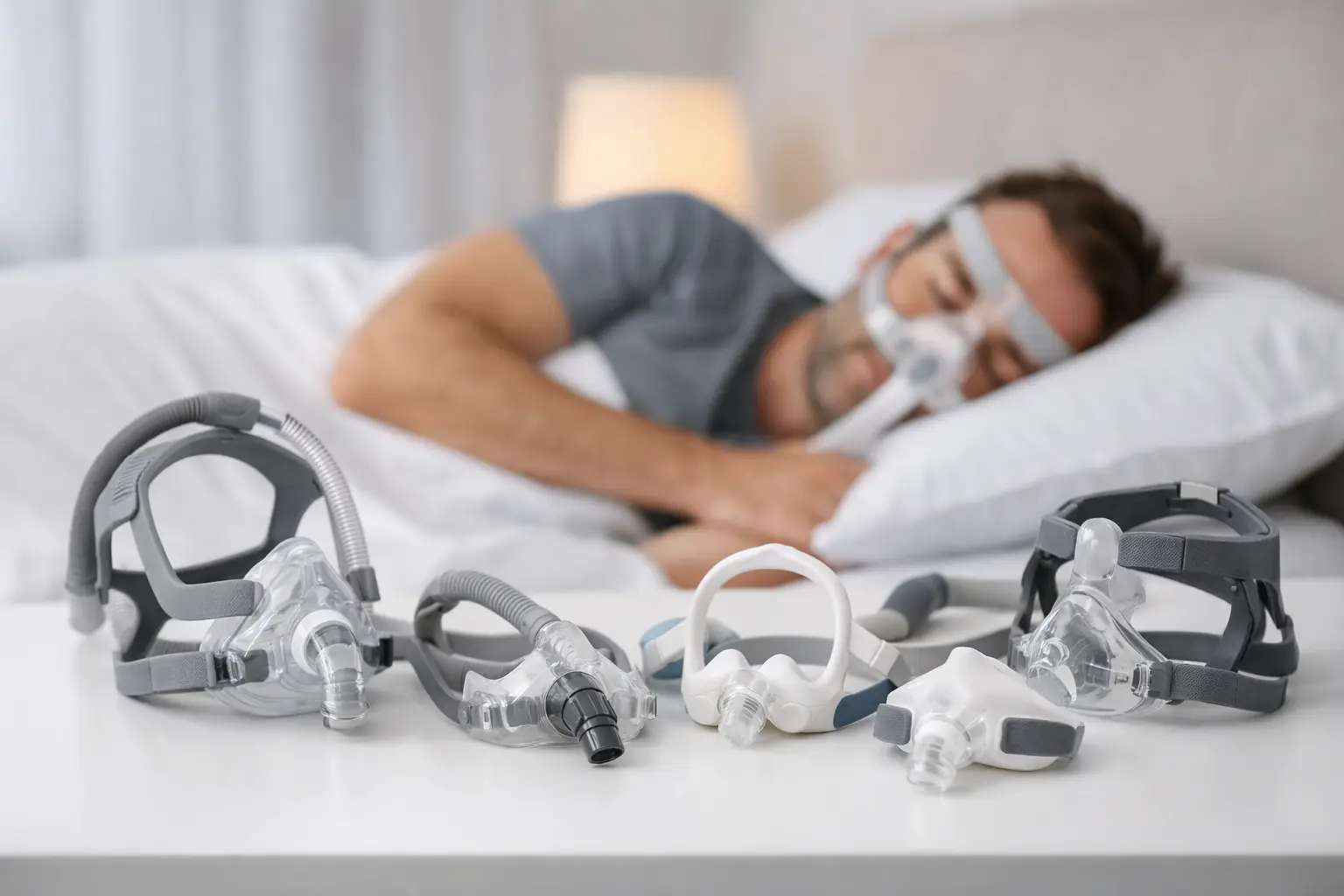
3. Match Your Mask to Your Sleep Style
Some people use a mask that covers only the nose, but they breathe through their mouth while sleeping. In this case, air escapes through the mouth, making the therapy fail.
What to try: If you wake up with a very dry mouth, you might be breathing through it during the night. Switching to a full-face mask that covers both the nose and mouth often solves this.
At CPAP One-Stop, we help patients find a mask that matches their natural breathing habits.
4. Managing Facial Hair and Skin Care
Even a small amount of stubble can prevent a silicone cushion from sitting flat against your skin. Likewise, heavy face creams or oils can make the mask slide around during the night.
What to try: For the best seal, try to keep the skin under the mask clean and shaven. If you prefer to keep a beard, certain mask styles, like nasal pillows that sit at the base of the nostrils, work better than traditional masks.
Wash your face before bed to remove oils that might cause the mask to slip.
Understanding Your Pressure Settings
Sometimes the leak is about the air pressure, not the mask itself. If your doctor increases your pressure settings, your current mask might struggle to hold the seal against the stronger airflow.
If you notice leaks only at higher pressures, your mask may need a different adjustment or a more secure fit.
This is a great time to speak with a professional to ensure your equipment can handle your specific settings.
FAQs About CPAP Mask Leak Solutions
How much leaking is okay?
Small, intentional leaks from the exhaust vent are necessary. However, unintentional leaks should be minimal. Most machines can handle a leak rate up to 24 litres per minute.
If your machine shows a “red face” icon or high leak numbers, the seal needs attention.
Can a leaking mask make me feel sick?
While not directly dangerous, a leak can cause dry, irritated eyes if air blows into them. More importantly, it prevents you from getting the full benefit of your treatment, which can lead to morning headaches and daytime sleepiness.
Should I use a chin strap to stop leaks?
If you use a nasal mask but breathe through your mouth, a chin strap can help keep your mouth closed. This often stops the leak caused by air escaping through the mouth, allowing the nasal mask to do its job.
Is it normal for my mask to leak when I turn over?
It’s common for the pillow to push the mask out of place. Using a specialized CPAP pillow with cutouts can help prevent the mask from shifting when you change positions.
Does my mask size affect the leak rate?
Yes. A mask that is too large will have gaps around the nose or chin, while a mask that is too small won’t sit correctly. Proper CPAP mask fitting ensures the cushion matches the unique contours of your face.
How do I clean my mask to keep the seal strong?
Wash your mask cushion daily with mild, unscented soap and warm water. This removes facial oils that break down the silicone. A clean mask stays soft and maintains a much better seal than a dirty one.
Get the Right Fit and Sleep Better Tonight
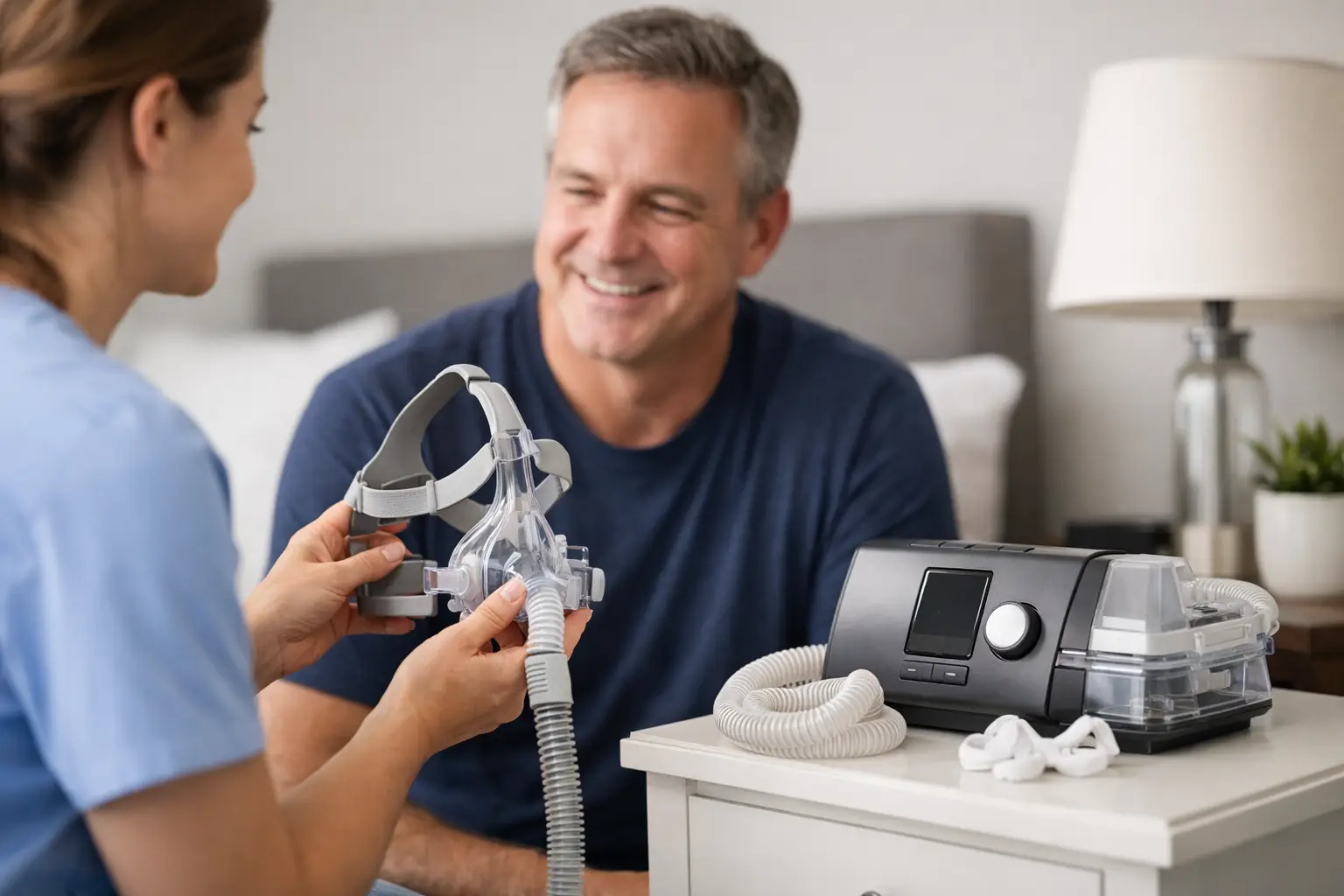
If leaks persist even after trying these solutions, seeking professional guidance can help you resolve the issue more quickly.
The team at CPAP One-Stop can help you troubleshoot mask leaks, adjust your equipment, and find a mask that fits your facial structure and sleeping style more comfortably.
To make support easier for you, we offer free home visits in Niagara and Hamilton if you’re disabled, elderly, lack transportation, or simply don’t have time to visit the store.
You can also take advantage of free delivery for your CPAP machines, supplies, and equipment, as well as virtual appointments for coaching or support from home.
If you need help improving your mask fit or choosing better equipment, call 1-905-246-9590 to speak with the team and get the support you need for more comfortable CPAP therapy.
Leave a Reply