Sleep Apnea Symptoms You Should Not Ignore
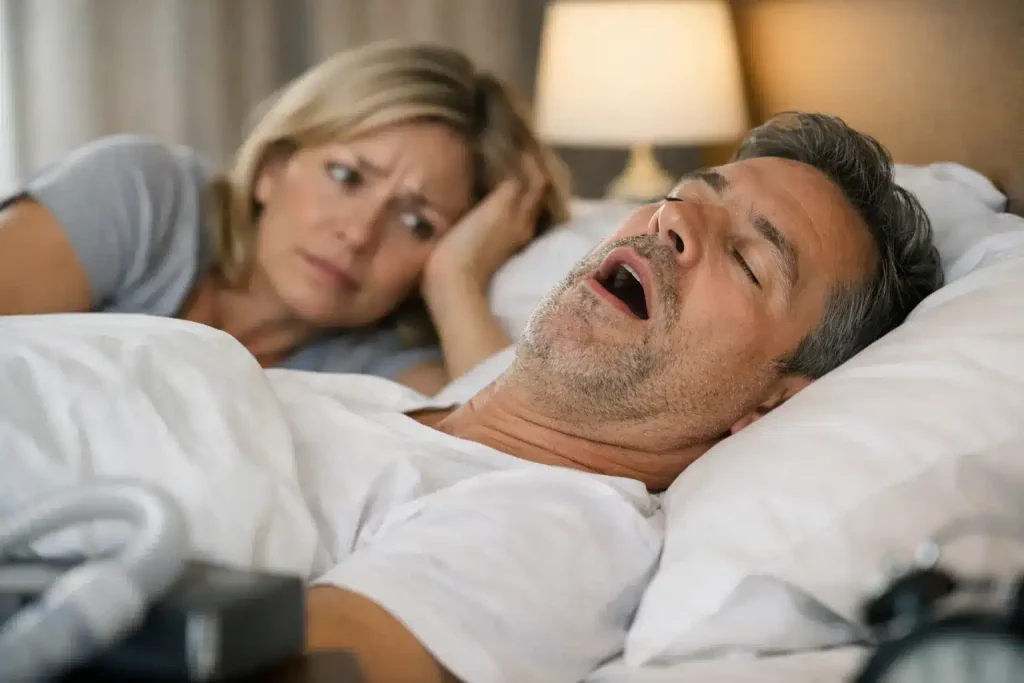
A partner may notice it first: loud snoring, a sudden silence, then a gasp that breaks the quiet. But sleep apnea symptoms are not limited to what happens in bed. They can follow you into the morning, the office, the driver’s seat, and the moments when you are trying to stay present with your family.
Sleep apnea is a condition in which breathing repeatedly stops or becomes too shallow during sleep. The most common type, obstructive sleep apnea, happens when the airway narrows or closes. Your brain briefly wakes you enough to restart breathing, often without you remembering it. That cycle can repeat many times in one night, leaving you with hours in bed but very little truly restorative sleep.
The Nighttime Sleep Apnea Symptoms to Watch For
Snoring is the symptom most people associate with sleep apnea, and it can be a useful clue. Heavy, frequent snoring that disrupts a bed partner, especially when it is followed by pauses, choking, or snorting, deserves attention. Still, snoring alone does not prove sleep apnea, and not everyone with sleep apnea snores loudly.
The more concerning sign is witnessed breathing pauses. A spouse or family member may describe you as stopping breathing for several seconds, then suddenly gasping or snorting. This is not something to brush off as “just snoring.” It can be a sign that your airway is repeatedly closing while you sleep.
Other nighttime signs include restless sleep, frequent awakenings, waking with a dry mouth, or getting up repeatedly to use the bathroom. Some people wake with a racing heart, a sense of panic, or shortness of breath. Others have no clear memory of waking at all, even though their sleep has been interrupted over and over.
Daytime Symptoms Can Be Just as Serious
Many people seek help because of daytime exhaustion, not because they know anything is happening overnight. You may sleep seven, eight, or even nine hours and still feel as if you barely slept. Falling asleep while reading, watching television, sitting quietly, or waiting at a stoplight is not a personality trait or an unavoidable part of getting older.
Morning headaches are another common complaint. So are brain fog, trouble concentrating, forgetfulness, and slower reaction times. People often blame work stress, a busy household, medications, or caffeine habits. Those factors can affect sleep, but persistent fatigue deserves a closer look.
Sleep apnea can also affect mood. Irritability, low motivation, anxiety, and depressed mood may worsen when the body is repeatedly deprived of quality sleep. It does not mean every bad night or rough week is sleep apnea. It does mean that a pattern of poor sleep and daytime symptoms should not be ignored.
For some people, the warning sign is safety. Drowsy driving, nodding off at work, or struggling to stay alert during routine tasks can put you and others at risk. If sleepiness is making driving unsafe, do not wait for a convenient appointment. Make a plan not to drive until you have spoken with a healthcare professional.
Who Is More Likely to Have Sleep Apnea?
Sleep apnea can affect people of many body types, ages, and genders. Weight can raise the risk, but it is not the whole story. Airway anatomy, a larger neck circumference, nasal obstruction, family history, alcohol use near bedtime, smoking, and certain medications can all play a role.
Risk also increases with age, though younger adults can have sleep apnea too. Men are diagnosed more often, but women may experience symptoms differently and are sometimes missed. Women may report fatigue, insomnia, headaches, or mood changes rather than obvious loud snoring. After menopause, the risk rises further.
Children can have sleep-disordered breathing as well, but their symptoms and treatment needs are different. If a child snores frequently, pauses in breathing, sleeps restlessly, or has daytime behavior concerns, speak with their pediatric healthcare provider.
When Snoring Needs a Sleep Test
A sleep test is worth discussing when loud snoring appears alongside daytime sleepiness, witnessed breathing pauses, gasping, high blood pressure, morning headaches, or poor concentration. You do not need to wait until symptoms become unbearable.
A clinician can review your history, medical conditions, medications, and risk factors, then decide whether an at-home sleep apnea test or an overnight sleep study is appropriate. Home testing can be convenient for many adults with a strong likelihood of obstructive sleep apnea. An in-lab study may be a better fit when symptoms are complex or another sleep disorder is suspected.
Do not diagnose yourself based on a smartwatch, a snoring app, or a video recorded by a partner. Those tools may spot patterns, but they cannot confirm sleep apnea or measure its severity the way a proper sleep assessment can. The right test provides a clear starting point for treatment.
Why Treatment Is Worth Taking Seriously
Untreated sleep apnea can do more than leave you tired. Repeated drops in oxygen and repeated stress responses during the night can place strain on the cardiovascular system. Sleep apnea is associated with high blood pressure, heart disease, stroke, type 2 diabetes, and irregular heart rhythms. It can also make existing health conditions harder to manage.
The good news is that effective treatment can make a practical difference quickly. Many patients notice better alertness, fewer morning headaches, and more stable energy once therapy is working consistently. Results vary. Some people feel a change within days; others need time to adjust, especially if years of poor sleep have built up.
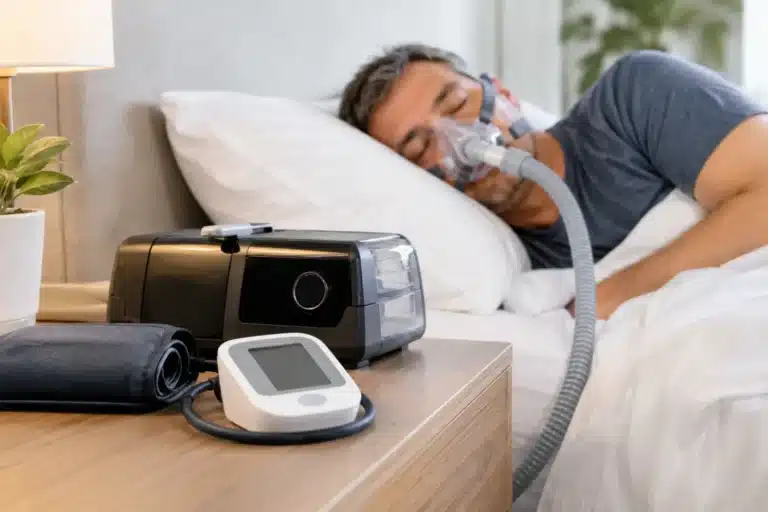
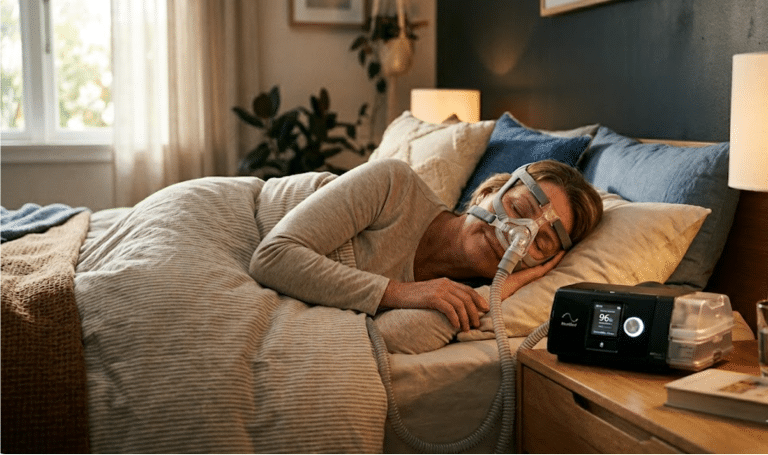
Continuous positive airway pressure, commonly called CPAP, is a leading treatment for obstructive sleep apnea. It uses gentle pressurized air to keep the airway open while you sleep. The machine matters, but the setup matters just as much. A mask that leaks, pinches, or feels claustrophobic can make a good therapy feel impossible.
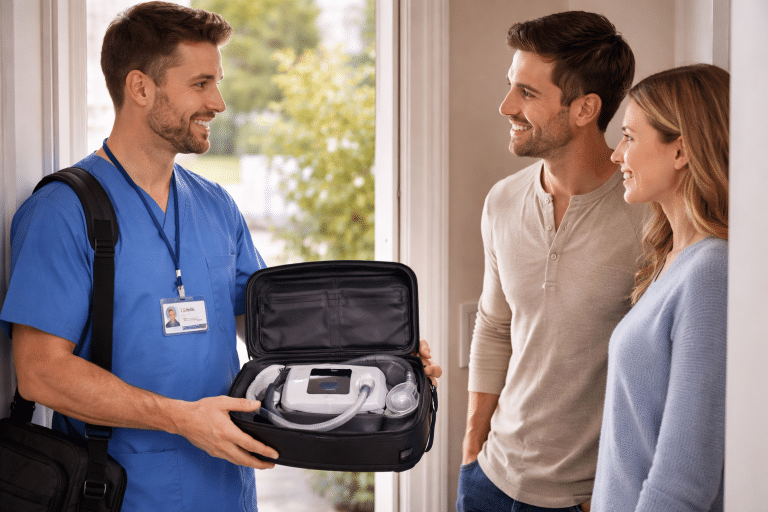
That is why hands-on fitting, machine education, and follow-up support are not extras. They are part of making treatment work in real life. CPAP One-Stop helps patients move from a prescription to properly fitted equipment, understandable settings, and ongoing support without unnecessary setup fees or confusing runaround.
What to Do If These Signs Sound Familiar
Start by talking with a healthcare provider about your symptoms. Bring details if you can: how long the problem has been happening, whether anyone has seen breathing pauses, how often you wake at night, and how sleepiness affects your day. If you share a bed, ask your partner what they notice. Their observations can be very helpful.
Until you are evaluated, avoid alcohol close to bedtime and be cautious with sedating medications unless they have been prescribed and reviewed by your clinician. Sleeping on your side may reduce snoring and airway obstruction for some people, but it is not a substitute for diagnosis or prescribed therapy. If you already use CPAP and still feel exhausted, do not assume you simply have to live with it. Mask leaks, low usage, changing health needs, or incorrect settings may need attention.
A good night’s sleep should not leave you gasping, fighting to stay awake, or wondering why you have no energy for the life you want to live. Pay attention to the pattern, ask for a proper assessment, and give yourself the support to follow through with treatment. Because every breath matters, including the ones you take while asleep.