CPAP Cleaning Wipes Versus Soap: Which Wins?
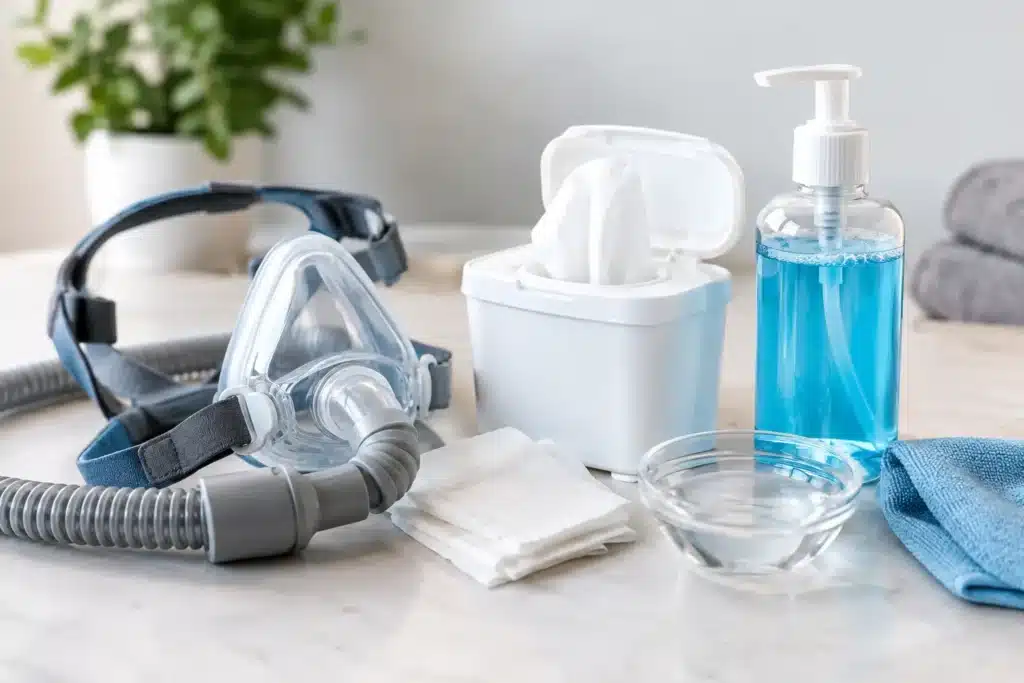
Your mask cushion is against your face for hours every night. That is why the choice between CPAP cleaning wipes versus soap matters – not because one method is a miracle, but because the right routine keeps your equipment comfortable, clean, and ready to use.
Here is the straight answer: CPAP wipes are excellent for quick daily cleaning, while mild soap and warm water provide the more thorough wash your equipment still needs. You do not have to choose one forever. For most CPAP users, using each method at the right time is the easiest, safest approach.
CPAP Cleaning Wipes Versus Soap: The Real Difference
CPAP cleaning wipes are pre-moistened cloths designed to remove facial oil, moisture, and day-to-day residue from a mask cushion. They are fast, convenient, and particularly useful when you are tired, traveling, or simply want to clean your mask before putting it down in the morning. A good CPAP-specific wipe is generally alcohol-free, fragrance-free, and made for silicone surfaces.
Soap and warm water take more effort, but they do more. A gentle liquid soap can remove buildup that wipes may leave behind, especially around mask frames, headgear clips, humidifier chambers, and tubing. Soap washing also gives you a chance to inspect your equipment for wear, cloudiness, cracks, or loose parts.
The mistake is treating wipes as a complete replacement for washing. Wipes help manage daily residue. They do not fully rinse away oils, dried moisture, or residue inside parts that need regular soaking and rinsing. On the other hand, washing every single part of your CPAP system every morning can feel burdensome, especially for a new user trying to establish a therapy routine. The best cleaning plan needs to be realistic enough that you will actually follow it.
When CPAP Wipes Make Sense
For many people, the mask cushion is the only part that needs attention every day. Skin oils can make silicone less effective at sealing, which may lead to mask leaks, noisy airflow, and red marks from tightening the straps too much. A quick wipe of the cushion each morning can help preserve a better seal the following night.
Wipes are especially practical if you have oily skin, use moisturizer before bed, wear makeup, or tend to perspire at night. They are also useful during travel, when access to a clean sink and a place to air-dry equipment may be limited.
Use a wipe on the silicone cushion and, if needed, the areas of the frame that touch your face. Let the parts air-dry fully before reassembling or using the mask. Do not scrub aggressively. Silicone is durable, but repeated rough cleaning can shorten the life of the cushion.
Convenience has value. If wipes help you keep your mask clean consistently, they are worthwhile. Just be careful about the type you buy. Household disinfecting wipes, baby wipes with lotion, scented wipes, and wipes containing alcohol can leave residue or damage mask materials. “Clean” should not mean heavily perfumed or chemically harsh.
When Soap and Water Are the Better Choice
A weekly soap-and-water wash is the dependable foundation of CPAP care. Your manufacturer’s instructions always come first, since cleaning requirements differ by machine and mask model. In general, a mild, unscented liquid soap and warm water are appropriate for the mask components, humidifier tub, and tubing.
Take apart the removable pieces according to your equipment instructions. Wash them gently, rinse them very thoroughly, and allow them to air-dry away from direct sunlight. A clean towel can be useful as a drying surface, but avoid drying the inside of tubing with a towel or forcing heat through it.
Soap washing is particularly important when you notice any of the following: a cushion feels slippery or looks dull, there is visible film in the humidifier chamber, tubing has an odor, or your mask is leaking even though the fit has not changed. Those signs do not always mean you need new equipment, but they are a good reason to clean and inspect it closely.
If you use a humidifier, empty the water chamber each morning and refill it with fresh distilled water at night. This simple habit reduces standing water and mineral buildup. Wash the chamber regularly with mild soap and water, then rinse it carefully. Never put the CPAP machine itself in water. Wipe the exterior only with a lightly damp cloth if needed.
A Practical Routine That Does Not Take Over Your Morning
CPAP care should support your sleep therapy, not turn into a complicated chore. A simple routine usually works best: wipe your mask cushion after use, empty the humidifier chamber, and leave the equipment open to air out. Then choose one consistent day each week for the more complete wash.
On wash day, clean the cushion, mask frame, water chamber, and tubing as directed by the manufacturer. Headgear often needs less frequent washing because it can stretch with repeated laundering, but it should be cleaned when it becomes oily or dirty. If you are uncertain about a particular part, ask before experimenting with strong cleaners.
This schedule is not a rigid rule for every person. If you are sick, have a respiratory infection, have been sweating heavily, or see visible residue, clean the affected parts sooner. If your clinician has given you more specific instructions, follow those recommendations.
What to Avoid When Cleaning CPAP Equipment
The products you avoid are just as important as the ones you use. Strong dish soaps, antibacterial soaps, bleach, vinegar unless your manufacturer specifically permits it, essential oils, alcohol, and scented cleaners can leave residue or damage silicone and plastic over time. A pleasant smell is not proof that a cleaner is safe for something you breathe through all night.
Be cautious with automated ozone and ultraviolet cleaning devices, too. These products may sound easier than washing, but they can expose equipment to materials or conditions the manufacturer does not recommend. They also do not replace the need to remove oils and residue through ordinary washing. Protect your investment by following the instructions for your specific CPAP machine and mask.
Do not rush drying. Moisture trapped in tubing or a humidifier chamber can create unpleasant odors and may encourage microbial growth. After washing, hang the tubing so both ends can drain and air can move through it. Reassemble the system only when the components are dry.
Which Option Is Best for You?
If your question is whether CPAP wipes or soap is “better,” the honest answer is that they serve different jobs. Wipes win for speed and daily mask-cushion care. Soap wins for deeper, scheduled cleaning of the full system. Using only wipes may leave behind buildup over time. Using only soap can work, but some people skip daily cleaning because it feels inconvenient.
For a first-time CPAP user, start with the routine you can sustain: a CPAP-specific wipe for the cushion every morning and a gentle soap wash each week. That routine is simple, affordable, and effective for most people. If your mask still leaks, smells unusual, irritates your skin, or seems difficult to keep clean, do not assume you are doing something wrong. The mask may need an adjustment, a replacement cushion, or a closer look at your cleaning products.
At CPAP One-Stop, we believe equipment support should be personal, not confusing. A properly fitted mask and a manageable cleaning routine can make therapy feel far less frustrating. Keep it simple, use products made for CPAP materials, and ask for help before a small cleaning issue becomes a reason to skip a night of treatment.