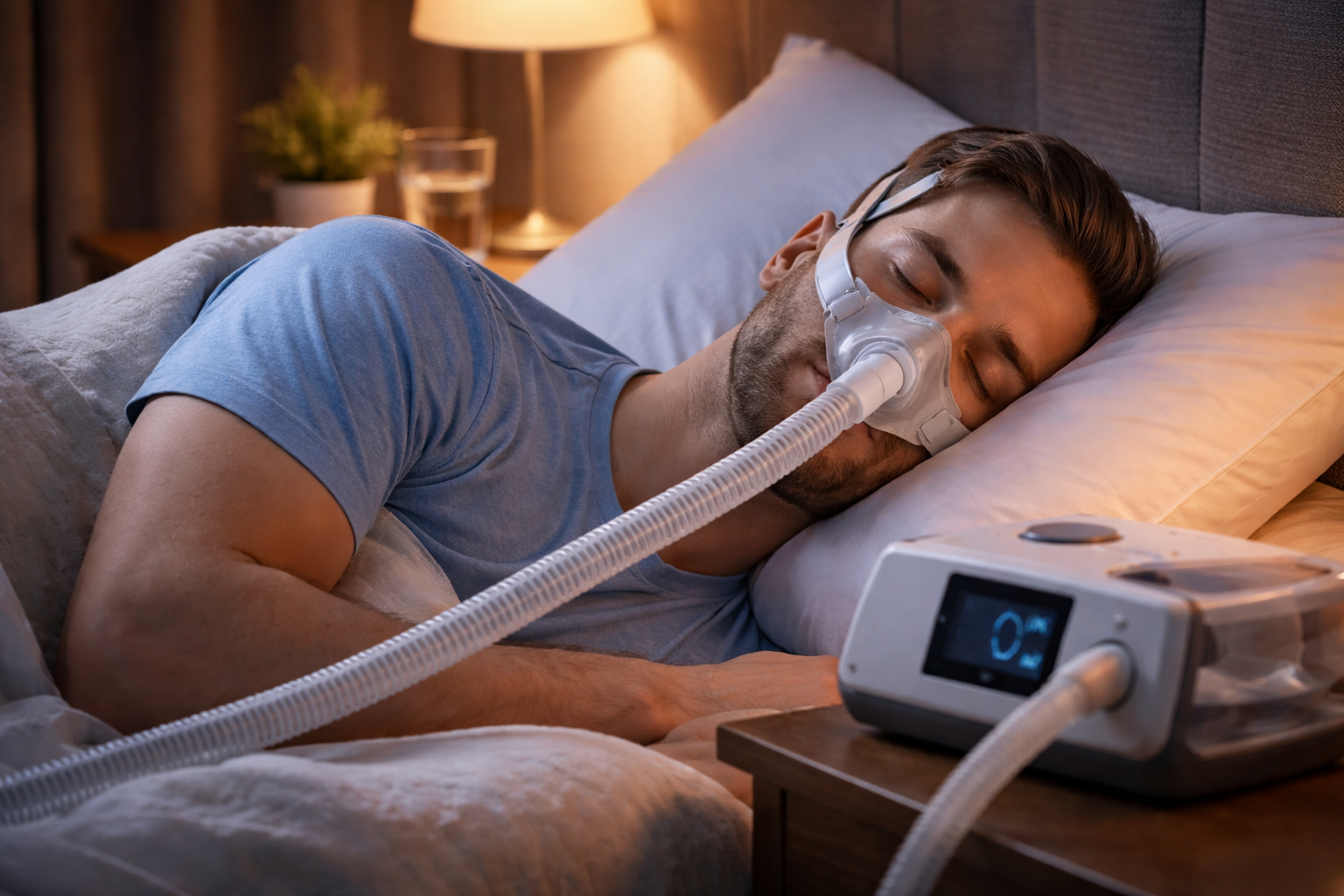
The box is sitting on your kitchen table. Inside is a machine designed to help you breathe better, yet opening it for the first time can still feel a little intimidating.
After all, your doctor recommended this for your health, the sleep clinic ran the tests, and now the next steps are in your hands.
At this stage, many people learning how to use CPAP for the first time feel stuck. However, it’s usually not because the equipment is too complex. Instead, it’s because standard instructions often rely on medical jargon without clearly explaining the basics.
That’s exactly why this guide by CPAP One-Stop exists. Think of it as your first-day checklist. Rather than diving into advanced troubleshooting, we’ll focus on what you need to know tonight.
What’s Inside the Box?
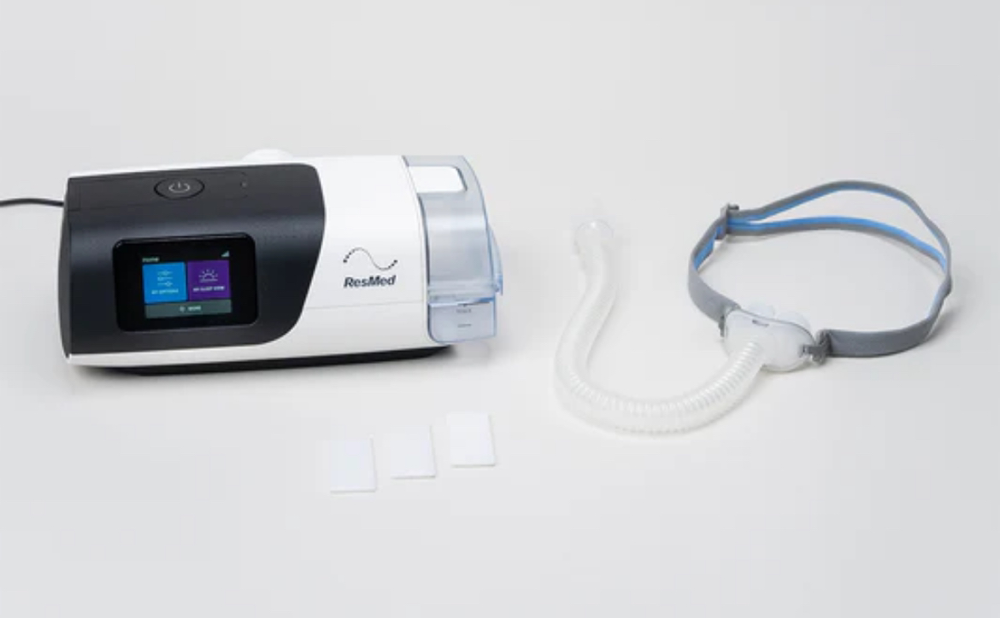
When you start your CPAP machine setup, you’ll find several parts that work together to help you breathe. Understanding what each piece does makes the process much easier.
The CPAP Machine
This is the heart of your therapy. CPAP stands for Continuous Positive Airway Pressure. The machine takes in room air, filters it, and delivers it at a steady level through your tubing.
This gentle airflow keeps your airway open while you sleep, preventing breathing pauses associated with sleep apnea.
The Tubing and Mask
Your tubing connects the machine to your mask. Most standard tubes are about six feet long, giving you plenty of room to move.
Your mask is the most personal part of the CPAP machine setup. There are three common styles:
- Nasal masks: These cover only your nose.
- Nasal pillow masks: These use small cushions at the entrance of your nostrils.
- Full-face masks: These cover both your nose and mouth, which is helpful if you breathe through your mouth at night.
The Humidifier and Filters
Many machines include a humidifier chamber to add moisture to the air. This prevents your nose and throat from feeling dry.
Your machine also has filters to trap dust. You should check these regularly (often weekly) to ensure the air you breathe stays clean.
A Simple CPAP Machine Setup
Setting up your equipment is a straightforward process when you take it step by step.
- Placement: Place the machine on a stable, level surface, such as a bedside table. Ensure it’s not blocked by curtains or bedding.
- Power: Plug the power cord into the machine and then into a wall outlet.
- Water: If you have a humidifier, fill it to the maximum line with distilled water. According to VeryWell Health, using distilled water prevents mineral buildup inside the chamber.
- Connections: Attach the tubing to the machine’s air outlet and click the other end into your mask.
- Fitting: Place the mask on your face and adjust the straps. You want a snug seal that feels comfortable, not a clamp that leaves red marks.
- Start: Most modern machines start automatically when you put on the mask, or you can press the “Start” button to begin the airflow.
What to Expect on Night One
The first night will likely feel a bit strange. You’re adjusting to a new sensation, and it’s normal to feel like you’re getting too much or too little air at first.
To make it easier, try wearing the mask for 20 minutes while you watch TV or read during the day. This helps your brain get used to the feeling while you’re awake.
Many machines also have a “Ramp” feature. This starts the air at a very low pressure and slowly increases it after you’ve fallen asleep.
Caring for Your Equipment
A simple cleaning routine keeps your therapy hygienic and effective:
- Daily: Empty the water chamber and wipe the mask cushion with a damp cloth to remove skin oils.
- Weekly: Wash the tubing and mask in warm, soapy water using a mild, fragrance-free soap.
- Replacement: Replace your mask cushions every few months. Over time, the silicone softens and may leak, which reduces the effectiveness of your treatment.
Frequently Asked Questions
What should I do if I feel claustrophobic?
It’s very common to feel a bit closed in at first. Try wearing just the mask (without the hose) for short periods during the day.
Once that feels okay, connect it to the machine at a low pressure while you are distracted by a book or a movie.
Slow, deep breaths help your body adjust to the airflow.
Why does my nose feel dry or congested?
This usually happens because the air is too dry. Increase the humidity setting on your machine or ensure your water chamber is full.
If you still feel dry, a specialized CPAP moisturizer or a saline nasal spray used before bed can help relieve dryness.
Can I travel with my CPAP machine?
Yes, CPAP machines are considered medical devices and don’t count as carry-on luggage on most airlines.
Most modern units are dual-voltage, meaning they work internationally with a simple plug adapter. Always carry your machine in its travel bag to keep it protected.
What if I wake up with air in my stomach?
This is called aerophagia, and it happens when you accidentally swallow air. Your pressure settings or sleeping position often cause it.
Try using a wedge pillow to keep your head slightly elevated, or speak with a specialist about adjusting your pressure settings to a more comfortable level.
How do I know if my mask is the wrong size?
If you have to pull the straps so tightly that they hurt to keep air from leaking into your eyes, the mask is likely the wrong size or shape for your face.
A properly fitted mask should seal easily with minimal tension. If you notice persistent sores or bruising on the bridge of your nose, try a different mask style.
Is it okay to use scented soap to clean my mask?
It’s best to avoid scented soaps, as the fumes can be irritating when you breathe them in all night through the mask.
Use a mild, clear dish soap or specialized CPAP wipes. Avoid any cleaners containing bleach or alcohol, as these will break down the silicone mask cushion very quickly.
Get Expert CPAP Guidance and Equipment at CPAP One-Stop
If you’re starting CPAP therapy or need help choosing the right equipment, the team at CPAP One-Stop is ready to help.
With every ADP-eligible CPAP machine available in Canada, plus masks, tubing, cushions, and supplies from every major manufacturer, you can find everything you need in one place.
You can also schedule a same-day appointment and speak with knowledgeable professionals who understand CPAP therapy.
Through FREE phone consultations, we help you select the right machine and accessories so your treatment is comfortable, effective, and easy to maintain.
Whether you’re looking for expert advice or reliable CPAP supplies, visit us in Niagara Falls or Hamilton, or call us at 1-905-246-9590 or send an email to gmb@cpaponestop.com.
Leave a Reply